Russia and Ukraine have agreed a large exchange of prisoners of war, officials at US-mediated talks in Abu Dhabi said overnight, as a Ukrainian MP added there has been "really big progress" on some issues.
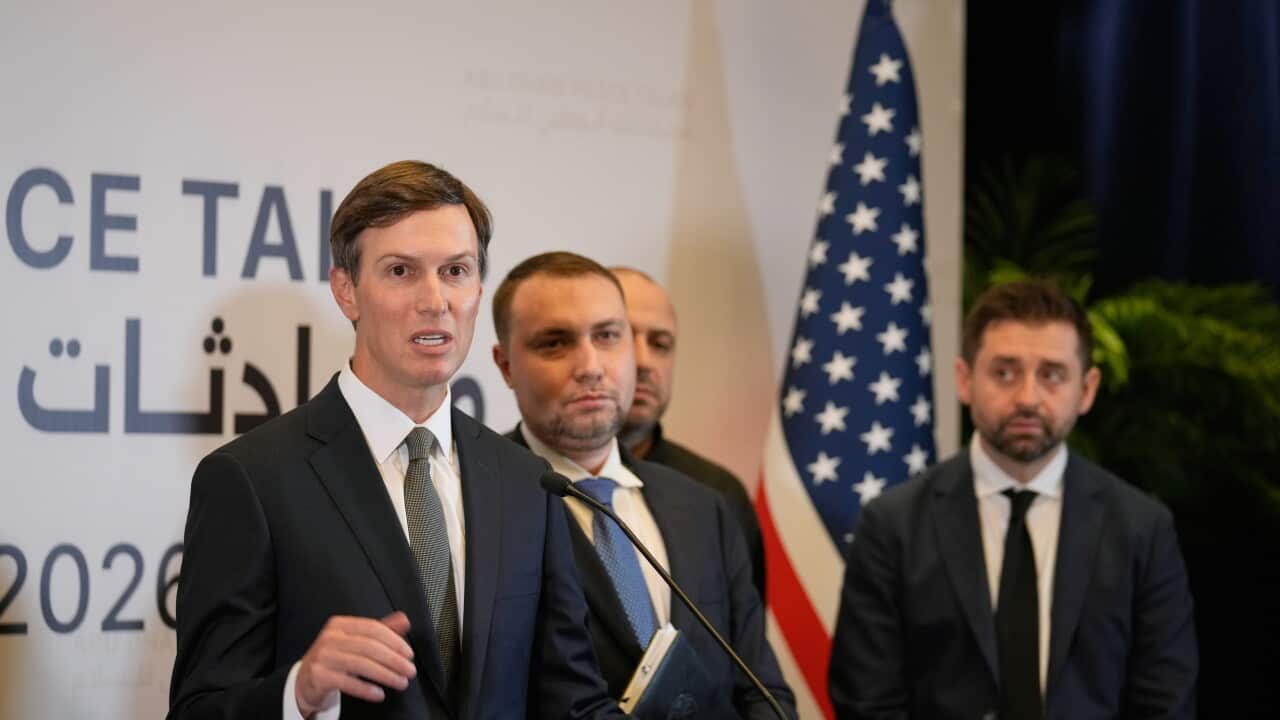
"One of the positives is we agreed that we're going to have the biggest humanitarian release of prisoners, which we're going to finalise the numbers tomorrow," Jared Kushner, US President Donald Trump's son-in-law, said after the two days of talks in the United Arab Emirates ended.
Russian delegation head Vladimir Medinsky and Rustem Umerov, who led Ukraine's delegation in Abu Dhabi, confirmed the planned exchange.
The swap may happen in the next two to three weeks, Russian news agency TASS cited Russian lieutenant-general Alexander Zorin as saying.
Hopes were low for a major breakthrough in the first meeting between the delegations in nine months.
Your trusted source for staying up-to-date with the world around you. Get free daily news updates and analysis, straight to your inbox.
Russia and Ukraine have from time to time swapped prisoners during their nearly five-year war.
Kushner said he and fellow US envoy Steve Witkoff will travel to Moscow on Thursday to meet with Russian President Vladimir Putin "to go over what was discussed today".
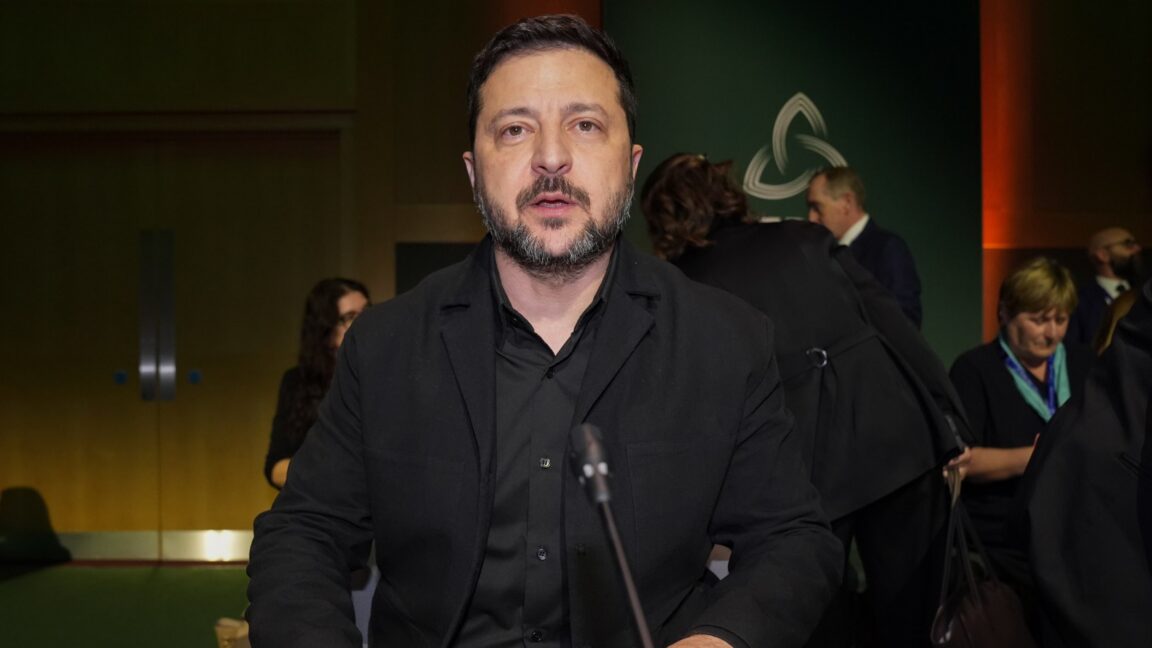
The two would then fly to Dublin for talks with Ukrainian President Volodymyr Zelenskyy, who is due to attend a meeting of European leaders there.
Medinsky said on Wednesday that the idea of a new security framework for Europe had been the central theme of the Abu Dhabi talks.
Alexey Drobinin, a senior diplomat at Russia's foreign ministry, on Wednesday outlined a series of detailed proposals on the idea of a security conference in Moscow.
The first option he set out was that of a collective defensive alliance or of bilateral mutual assistance agreements like those Russia has with Belarus and North Korea.
The second possibility he cited included political agreements not to help each other's adversaries in the event of aggression, like the pact Russia has with Iran.
And the third option he presented were bilateral mutual non-aggression pacts.
"For example, agreements of this kind could be reached, among other things, with individual NATO member states, which would then receive, for instance, additional individual security guarantees from the Russian Federation," Drobinin told the conference.
Ukrainian chief negotiator David Arakhamia, parliamentary leader of Zelenskyy's party, expressed hope of a breakthrough in negotiations by the end of the year.
He said "really big progress" had been made on other issues that he could not get into at present, while calling for a second round of talks to be scheduled soon.
Zelenskyy said Tuesday's session was "constructive and quite substantive".
The talks were largely about humanitarian issues including prisoner exchanges and returning Ukrainian civilians in captivity as well as children taken from the country, he said.
Security guarantees also were discussed, he said.
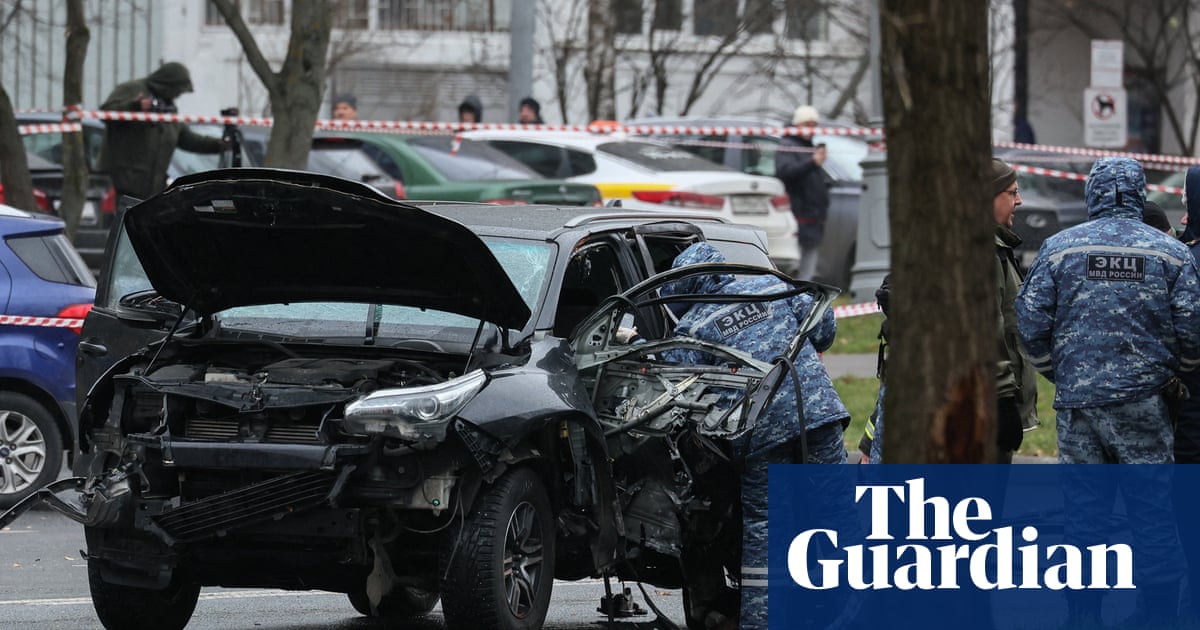
Russia and Ukraine accused each other of launching attacks , despite the Abu Dhabi peace talks.