Trending
Prev Story
Next Story

Molecular signal in blood helps detect early risk for ovarian cancer, study finds

The Guardian •
November 11, 2026 • 01:05 PM
1
1 reads 0 reactions

Researchers discover a potential diagnostic breakthrough for a disease often ⁠discovered after it has already spread

Molecular signal in blood helps detect early risk for ovarian cancer, study finds

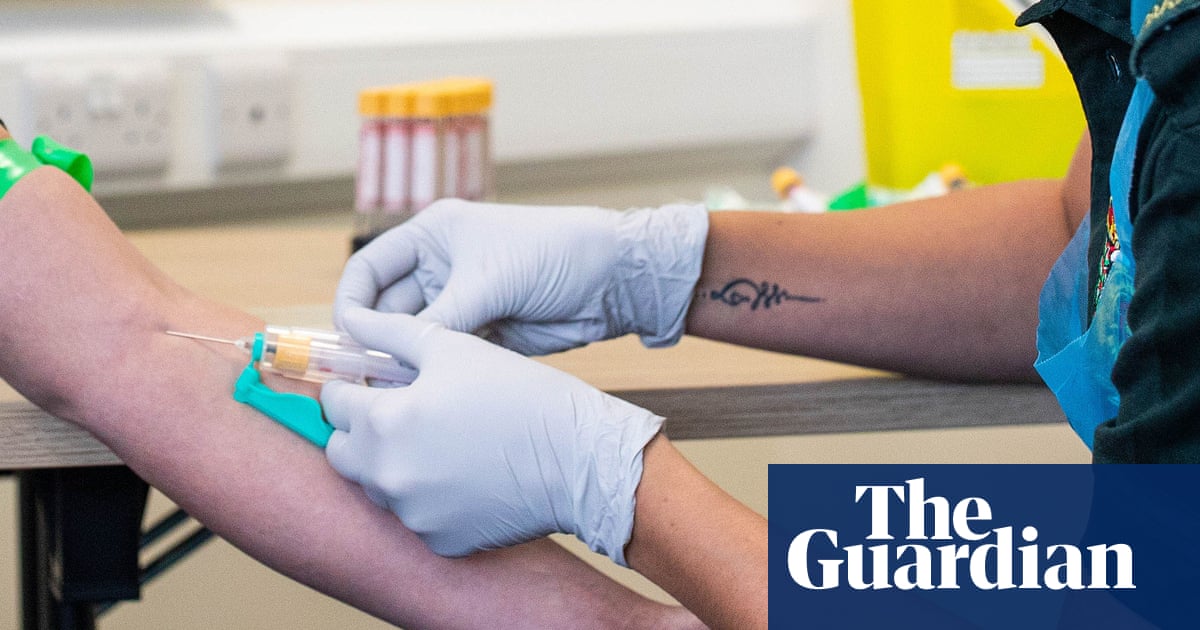
A molecular signal in the blood helps identify microscopic changes that precede development of ovarian cancer, researchers have found, ⁠a potential diagnostic breakthrough for a disease often ⁠discovered after it has already spread.

For decades, ​efforts to detect ovarian cancer earlier have focused on finding smaller tumors, the researchers noted in their report published on Tuesday in Nature Medicine.

“We asked a fundamentally different question: What if we could identify the earliest molecular warning signs before invasive cancer even develops?” study leader Rajan Gogna of the Hoag Family Cancer Institute in ⁠Newport Beach, California, said in a statement.

Ovarian cancer often begins with microscopic changes in the lining of the fallopian tubes. The precancerous lesions are known as serous tubal intraepithelial carcinoma.

The new study found that women with this precursor condition have elevated blood levels of an RNA molecule called Tu-Stroma.

When researchers measured Tu-Stroma in blood, they detected STIC in 92.3% of affected women ⁠and correctly identified 98.2% of healthy women.

In women with genetic risk factors for ovarian cancer, approximately 72% of positive results would be accurate, while negative results would be correct nearly 100% of the time, they reported.

“For women at high risk, this ​could transform how we approach prevention,” co-author Dr Esha Madan, also of Hoag, said in a statement.

Many such women ‌face difficult decisions about preventive surgery to remove their fallopian tubes ‌and ovaries.

“Today, decisions about preventive surgery are largely guided by inherited risk, without knowing whether precancerous lesions are actually present,” Madan said. “Our discovery could eventually provide that missing biological information.”


Tags:
Prev Swipe Story Next

Same Story from Other Publications

Compare how 5 other independent news outlets reported on this story.

5 Publications
ABC News Australia
2d ago
Minister's moral dilemma as sister pleads to make cancer risk known

Minister's moral dilemma as sister pleads to make cancer risk known

Katherine Vine desperately wants to notify her half-sister of a family cancer risk — but she doesn't know who she is, and wants the SA government to help.

#cancer #risk
Compare →
Ars Technica
18h ago
In reversal, American Cancer Society urges prostate cancer tests for all men

In reversal, American Cancer Society urges prostate cancer tests for all men

Men aged 50–69 and at average risk should get PSA screening every two years.

The Next Web (TNW)
23h ago
Orakl Oncology raises $34M to predict cancer drug results with AI

Orakl Oncology raises $34M to predict cancer drug results with AI

Paris-based Orakl Oncology has raised a $34M Series A to predict how cancer drugs will perform, using lab-grown copies of patients' tumours and AI.

CNN International
1d ago
A ’clear recommendation’ for men: Get screened for prostate cancer | CNN

A ’clear recommendation’ for men: Get screened for prostate cancer | CNN

One of the leading cancer organizations in the United States is raising the alarm over prostate cancer and directly urging men to get screened.

NPR News
4d ago
Nebraska rushed Medicaid work rules. Then a cancer patient was told he'd lost coverage

Nebraska rushed Medicaid work rules. Then a cancer patient was told he'd lost coverage

Health clinics and organizations advocating for poor and working-class Nebraskans say the rollout of Medicaid work requirements has been rife with problems.

Related Stories

Education & Youth
Build #2611