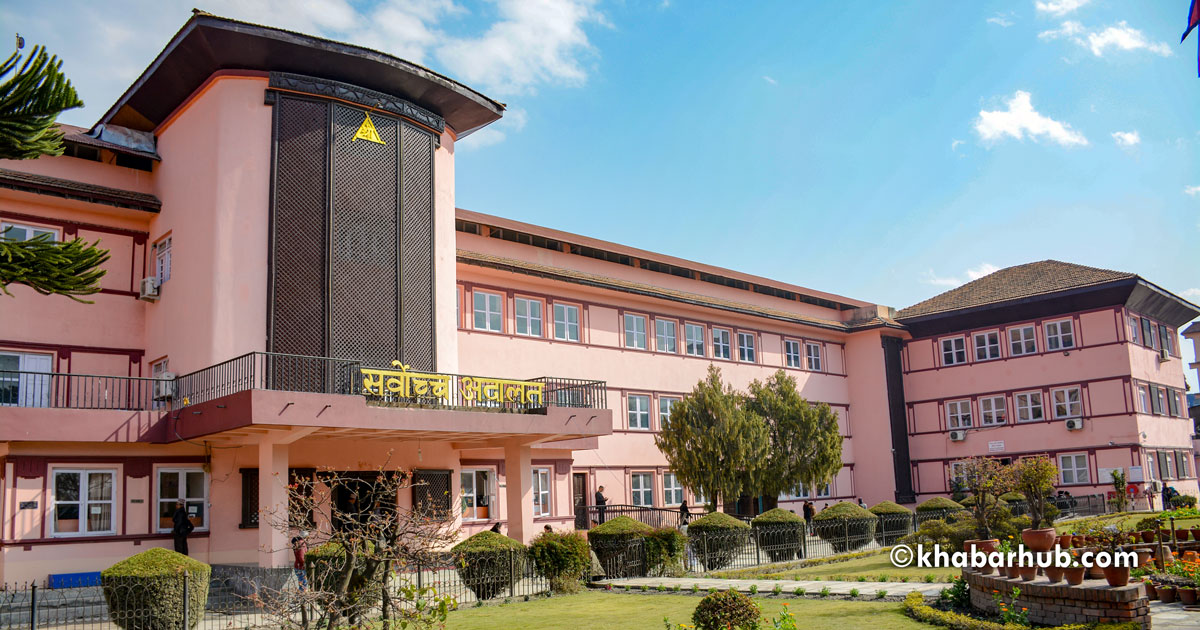
The Supreme Court of Western Australia has handed down a significant ruling that advocates say confirms tenants in public housing do have the same rights under health laws as private renters.
The case was brought by Joanne Jacobs, an Aboriginal resident of public housing in the remote Pilbara community of Wakathuni, who reported a range of poor conditions in her home, including insect infestations and malfunctioning of basic amenities like her shower, septic facilities, exhaust fans and stove.
Her claim for compensation was originally refused when the Magistrates Court found in favour of the state’s Housing Authority in March.
On Friday, multiple elements of that ruling were quashed in a Supreme Court judicial review.
Supreme Court Justice Natalie Whitby found the Magistrate erred in ruling the state was not bound by Western Australia’s tenancy laws to comply with local health and safety legislation.
“This is a significant win for Ms Jacobs and all public tenants in Western Australia,” said Daniel Kelly, Principal Solicitor at Lawyers for Remote Aboriginal Rights, Ms Jacobs' legal representatives.
Health laws, including requirements for landlords to provide working toilets, bathrooms, laundries, and adequate ventilation and water supply, would now apply to the state, he said.
"Housing is a health issue," Kelly said.
"A home in poor condition undermines physical and mental health, disrupts children’s learning, and destabilises families."
A spokesperson said the Department of Housing and Works is reviewing Friday's decision, and that public housing tenants are protected by The Residential Tenancies Act 1987 .
“[The Department] is focused on supporting tenants,” they said.
"This has included committing more than $400 million towards upgrading essential services and priority maintenance in remote communities since 2023."
Justice Whitby did not make findings of fact about the contested allegations Ms Jacobs made in relation to substandard conditions, saying these fall within the lower court’s jurisdiction.
However, the Supreme Court did find the magistrate erred by considering defences that the Housing Authority hadn’t pleaded, which Justice Whitby found amounted to a denial of natural justice.
Justice Whitby also disagreed with the magistrate's finding that the Housing Authority was only obligated to maintain and repair elements of the property that were in place when Ms Jacobs moved in during 2016.
The lower court has been instructed to review Ms Jacobs’ claims that air conditioning and curtains should have been installed to ensure reasonable comfort in the Pilbara’s extreme heat.
Lawyers for Remote Aboriginal Rights said the case will have statewide implications.
According to its website, the WA Housing Authority provides housing in 112 remote Aboriginal communities and directly manages more than 36,000 public housing dwellings, along with approximately 8,000 dwellings in partnership with community housing organisations.
The Council of Aboriginal Services Western Australia (CASWA) said the Aboriginal community controlled sector has been raising ongoing concerns about conditions in remote public housing for decades, and this ruling should mark a turning point.
“The court has confirmed that the state is a landlord and, like any other, must meet the same health and repair standards to ensure families have healthy homes to live in,” said the peak body’s chair, Chris Bin Kali.
“We commend Ms Jacobs for her courage in bringing this case to court," he said.
“No tenant should have to go to the Supreme Court to get a working shower and septic system.”
Both Lawyers for Remote Aboriginal Rights and CASWA have accused the WA government of failing to meet basic health and safety standards and argued these “failures” work directly against the National Agreement on Closing the Gap.
“Tenants across multiple remote communities consistently report dangerous, substandard living conditions, including unsafe drinking water, inadequate cooling, structural damage, and long-delayed repairs, reflecting systemic neglect rather than isolated cases,” said Kelly.
Bin Kali is calling for systemic change.
"Unfortunately, this is not an isolated case," he said.
“We are calling on the state government to accept this decision and fund a repairs and maintenance program that is regionally based and delivered through Aboriginal community controlled organisations."
The case will now return to the Magistrate's Court, where additional protections under Australian Consumer Law may be considered.
In a statement, the Commissioner for Consumer Protection, Trish Blake said public housing residents are protected by The Australian Consumer Law.
“The Department of Local Government, Industry Regulation and Safety looks forward to reviewing the Magistrates Court’s findings in relation to this matter,” she said.
Editor's note: An earlier version of this article inadvertently referred to the Council of Services Western Australia. This has been corrected to Council of Aboriginal Services Western Australia.