By Avneet Arora , Alexis Moran , Jonah Johnson
This audio is voiced by AI and may occasionally mispronounce words.
Share your feedback and help us improve this feature. Read more about how we use AI at SBS here.
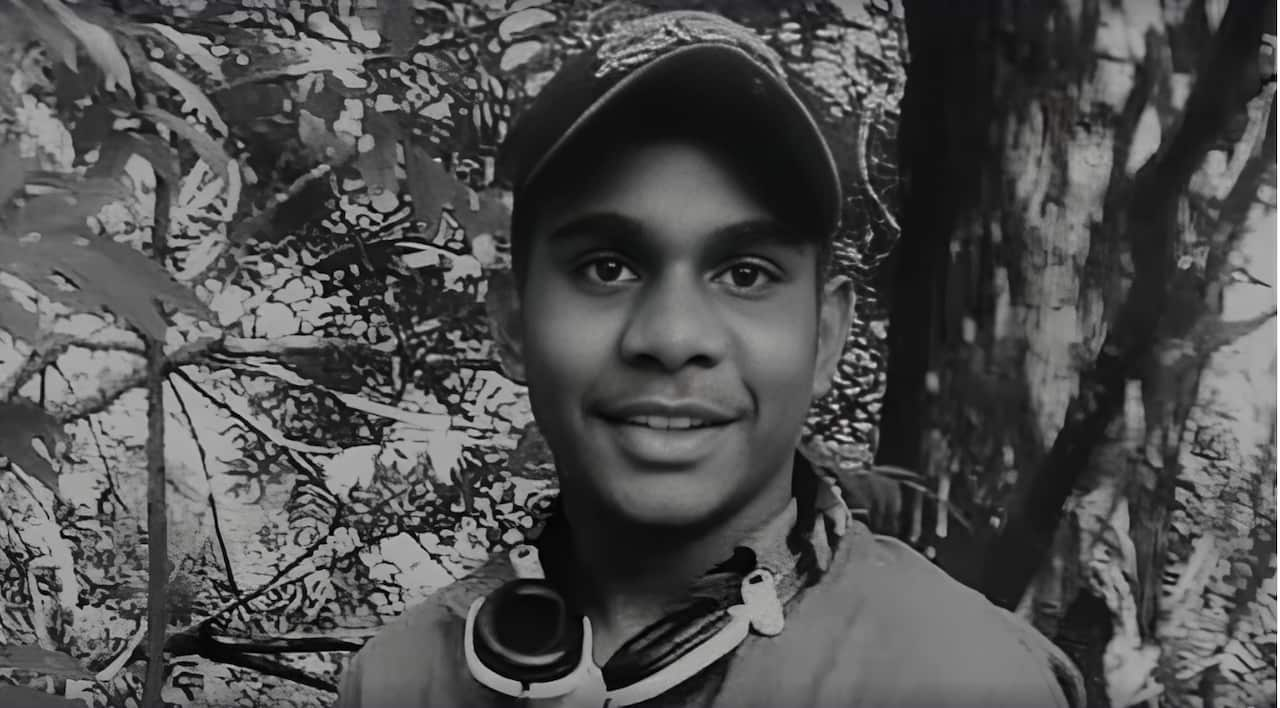
Warning: This article contains the name and image of an Aboriginal person who has passed, and details that may be distressing to some readers.
On courtroom screens, the final moments of Kumanjayi Walker's life play out before the jury.
The 19-year-old Warlpiri Luritja man had been shot and killed by Northern Territory constable Zachary Rolfe during an attempted arrest in Yuendumu, a remote Aboriginal community about 290km north-west of Alice Springs, in November 2019.
A struggle ensued during the arrest, and Walker struck Rolfe with a small pair of scissors before Rolfe shot him three times.
More than two years later, in February 2022, Rolfe's criminal trial came before the NT Supreme Court in Darwin. He was found not guilty of charges of murder and manslaughter relating to Walker's death.
Your trusted source for staying up-to-date with the world around you. Get free daily news updates and analysis, straight to your inbox.
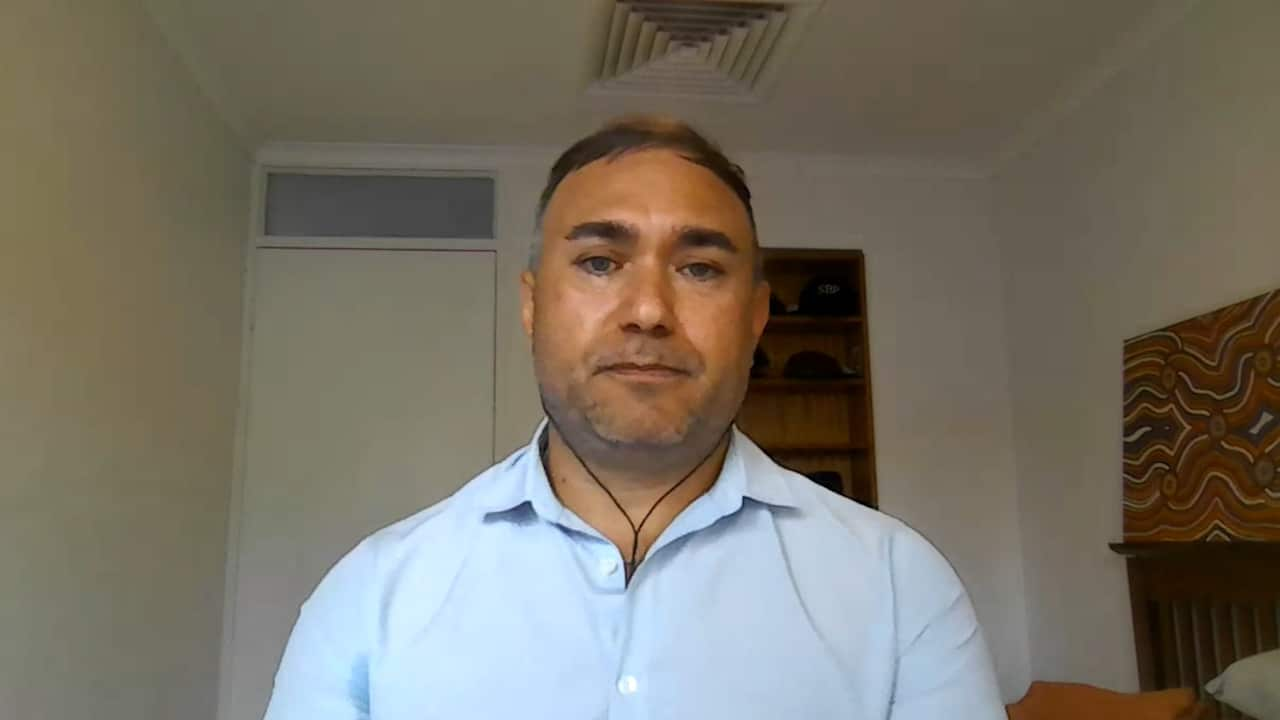
For Nino Bucci, a justice and courts reporter covering the trial for The Guardian, witnessing the footage in court was an experience unlike any other.
"It was just an incredibly unusual and somewhat terrifying experience in a way," he tells NITV.
As Bucci would discover, the story extends well beyond the courtroom.
Speaking with NITV ahead of SBS' four-part documentary series 2.6 Seconds: Death in the Outback, four journalists who covered the case at different stages reflect on their experiences of reporting from a grieving community, witnessing a campaign for justice gather momentum and navigating a deeply polarised public debate.
Their reporting offers a way back through those events — and an insight into the questions that remain long after legal proceedings have ended.
Ryan Liddle was living in Sydney when news of Walker's shooting emerged.
An ABC journalist with more than two decades of experience reporting from First Nations perspectives, he had grown up in Alice Springs and retained family ties to Yuendumu. His aunt raised her family there, while his older brother lived in the community for years.
He wanted to get to Yuendumu to hear from Walker's family and community, and to understand what had happened beyond the accounts coming through police and government channels.
"We've got to hear from Aboriginal voices, and we've got to hear from them not, you know, at the end of the story or in the next day's coverage. You've got to sort of hear from the mob straight away," Liddle tells NITV.
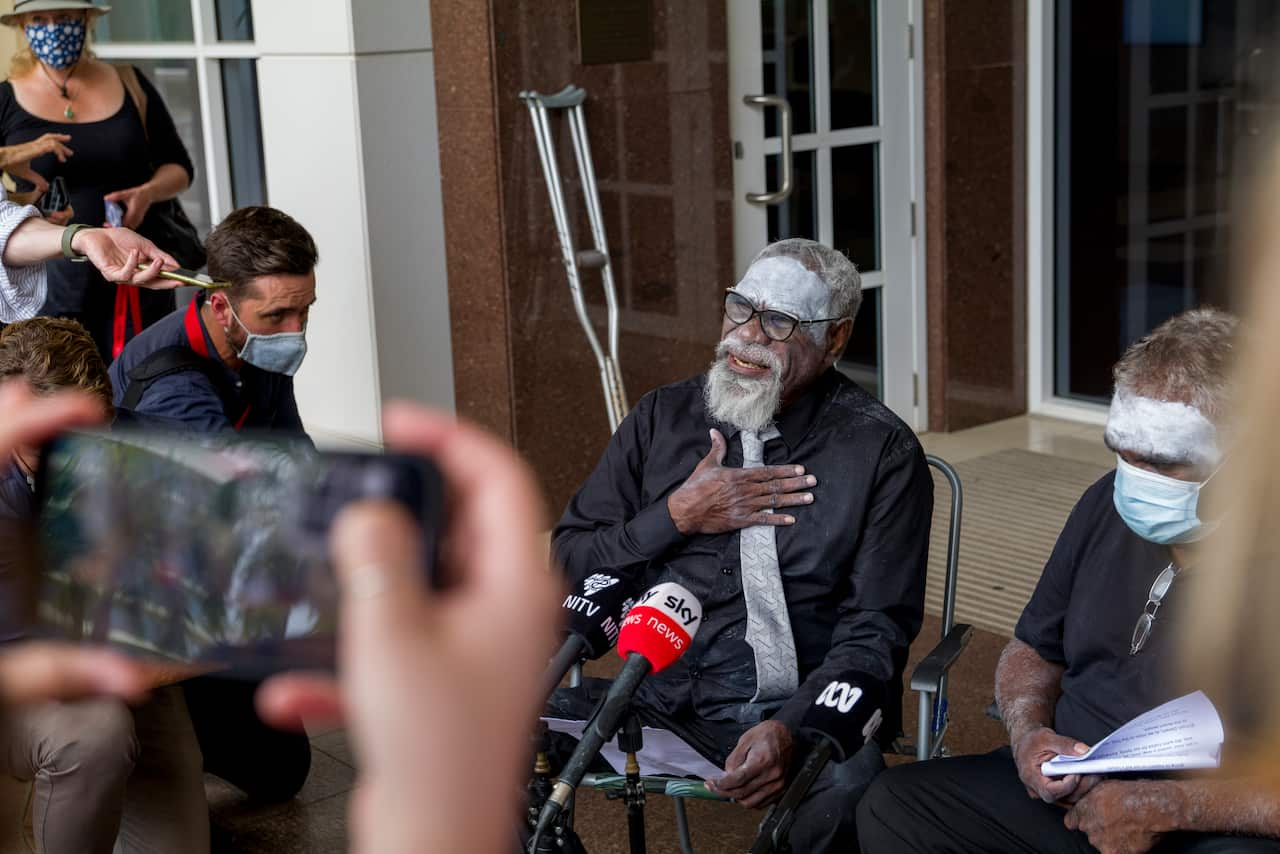
With Walker's family grieving and the community observing sorry business, Liddle worked through Elders and community leaders entrusted to speak on behalf of the family and those affected.
He says the shooting also revived fears of a heavier police presence in Yuendumu. Memories of the 2007 Northern Territory Intervention, when the federal government sent police and military personnel into remote Aboriginal communities, remained vivid.
Liddle recalls some Elders wanted police officers in the community to leave their guns behind.
"I think just seeing a firearm in the open, even as police are entitled to do, I think it just had a real fear and traumatising factor for a lot of people on the ground," he says.
For Liddle, the reporting was personal. His connection to the community made the grief difficult to witness but reinforced his sense of responsibility.
"It's that sense of duty, and you know, that, while it's tough on a personal level and as an Indigenous person, it's tough to be around Indigenous grief.
"You also are bound by that duty to, you have a role to play essentially to be there as that, that conduit for community to the rest of the world."
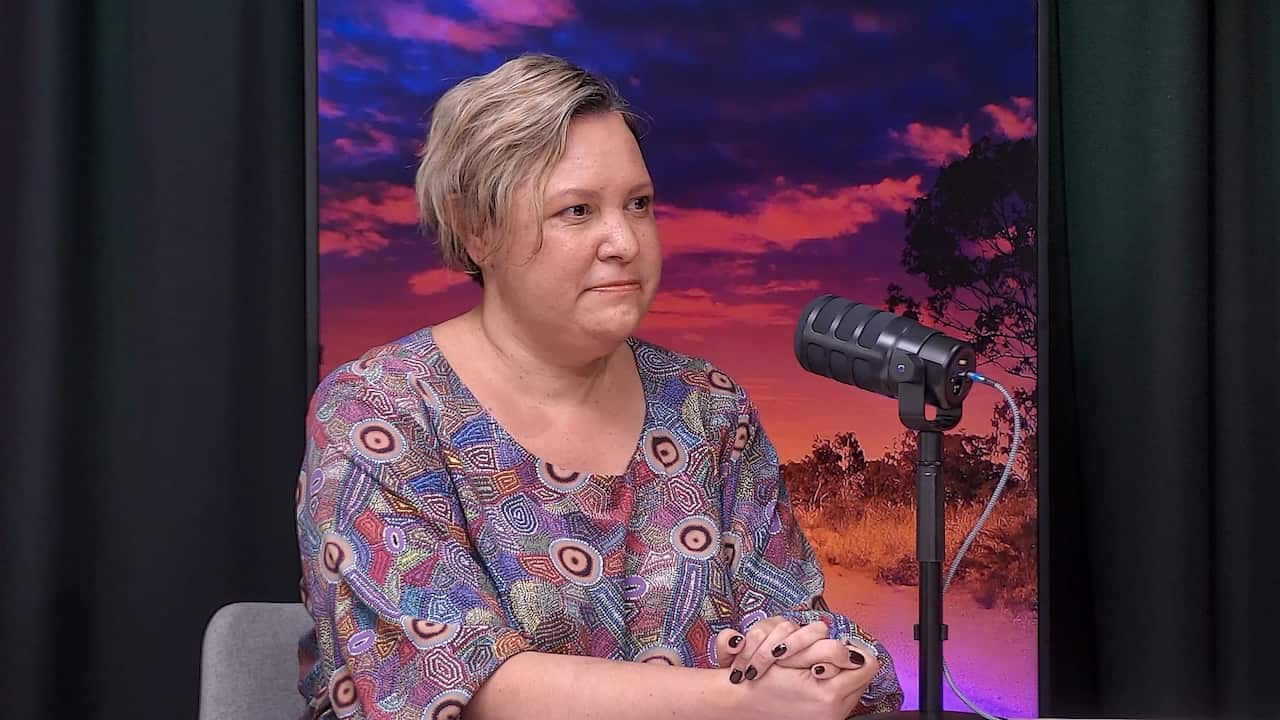
Lorena Allam, who was The Guardian's Indigenous affairs editor at the time, was at her Sydney home when Walker was shot, watching social media posts from his family gathered outside Yuendumu police station.
"So we were watching this story unfold on socials before we started reporting it in a way," she tells NITV.
In the days that followed, two young women from the community, Emily Anyupa Butcher and Samara Fernandez Brown (Walker's cousin), spearheaded the Justice for Walker campaign . They brought community members together and built a campaign that gave people a way to demand answers and call for justice.
But Allam says the campaign's reach has since extended beyond Walker's case. Its organisers became prominent voices on issues his death had brought into focus, including policing and the use of weapons in Aboriginal communities.
Asked whether this marked a shift in how such stories were reported, she says: "That was definitely a shift ... They [organisers] became spokespeople so that when the media had questions to ask about all sorts of things ... whatever it was, the Justice for Walker campaign became a bit of a spearhead."
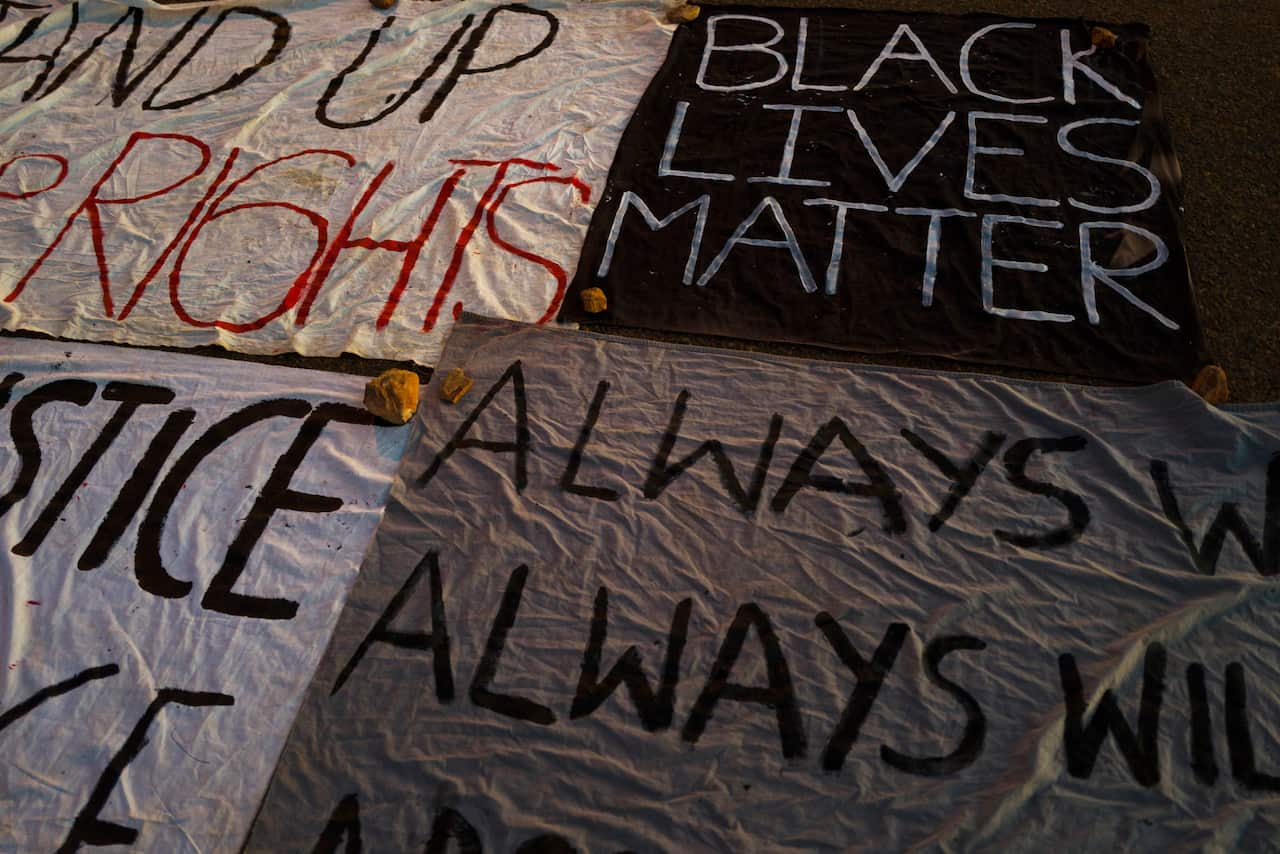
By 2020, the campaign had become part of a wider movement. Black Lives Matter protests, sparked by the killing of George Floyd in the United States, brought renewed international attention to police violence and the experiences of Aboriginal people in Australia.
Rolfe was acquitted of all charges relating to Walker's fatal shooting. The jury heard that Rolfe shot Walker three times during the attempted arrest. However, the first shot, which followed Walker stabbing the officer in the arm with scissors, was not subject to any charges.
The trial focused on whether Rolfe was legally justified in firing the second and third shots. Prosecutors argued he was not, while his legal team maintained his actions were in accord with his training and duties and made in defence of himself and his partner.
Bucci says the trial was also shaped by what the jury was not allowed to hear.
Before the trial, prosecutors sought to rely on evidence from several previous arrests involving Rolfe. The defence opposed its admission, and the judge ultimately ruled the material inadmissible, meaning the jury did not hear it.
Another moment that stayed with Bucci was Rolfe's decision to give evidence. He recalls being surprised when the officer took the stand, and by a claim he made that Walker had reached for his gun — something that had not previously featured in the evidence.
The claim prompted a reaction among reporters in the courtroom.
"We all kind of had a bit of a look around in the court and sort of thought, 'where has this come from?'" Bucci says.
Rolfe was found not guilty. For Bucci, the verdict brought back the years since Walker’s death and the weeks of evidence heard in court.
"But it certainly was incredibly emotional, the fact that he had been found not guilty," he says.
Bucci says the trial sharpened his understanding of the history of over policing in Aboriginal communities, which was widely debated in the aftermath of Walker's death , and how much remains unresolved.
"I'm not going to ever pretend I completely understand it from their [Aboriginal Australians'] perspective. But ... I felt as if there was not going to be a greater example that I'll come across in my career of how this has gone so terribly wrong and why it will continue to keep going terribly wrong unless something drastically changes."
Separate to the criminal proceedings, the coronial inquest examined the circumstances surrounding Walker's death and broader systemic issues.
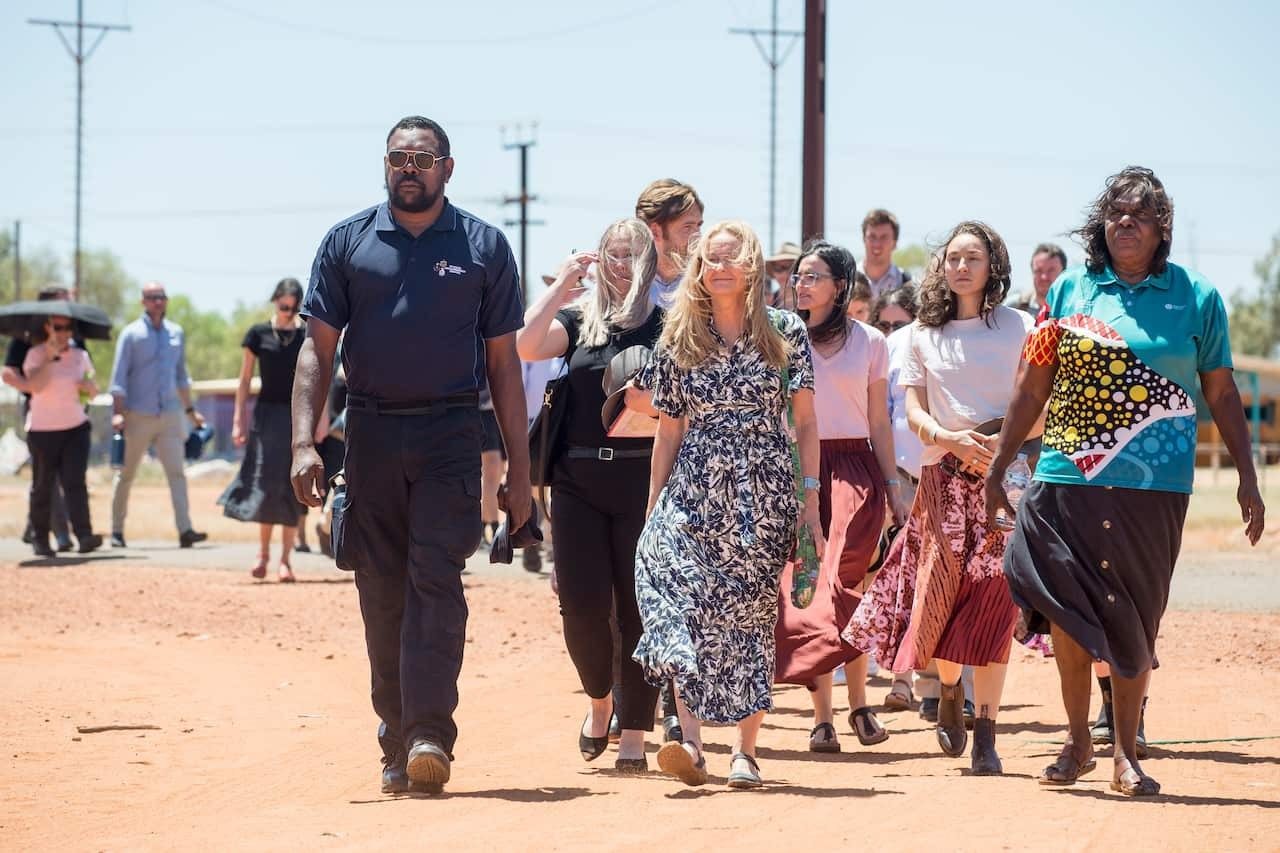
When NT coroner Elisabeth Armitage delivered her findings in Yuendumu in July 2025, nearly six years had passed since Walker's death. She concluded Walker's death "was avoidable" and that systemic racism was present throughout the Northern Territory Police. At the same time, the coroner also stressed police officers are entitled to lawfully defend themselves against serious attacks and said one aim of her recommendations was to reduce the risk of harm to both police and community members.
She made more than 30 recommendations addressing remote policing, firearms, police accountability, youth services and mental health support.
The NT government formally responded to the recommendations in March 2026. Police committed to changes including new training and an anti-racism strategy, while others were only partially supported.
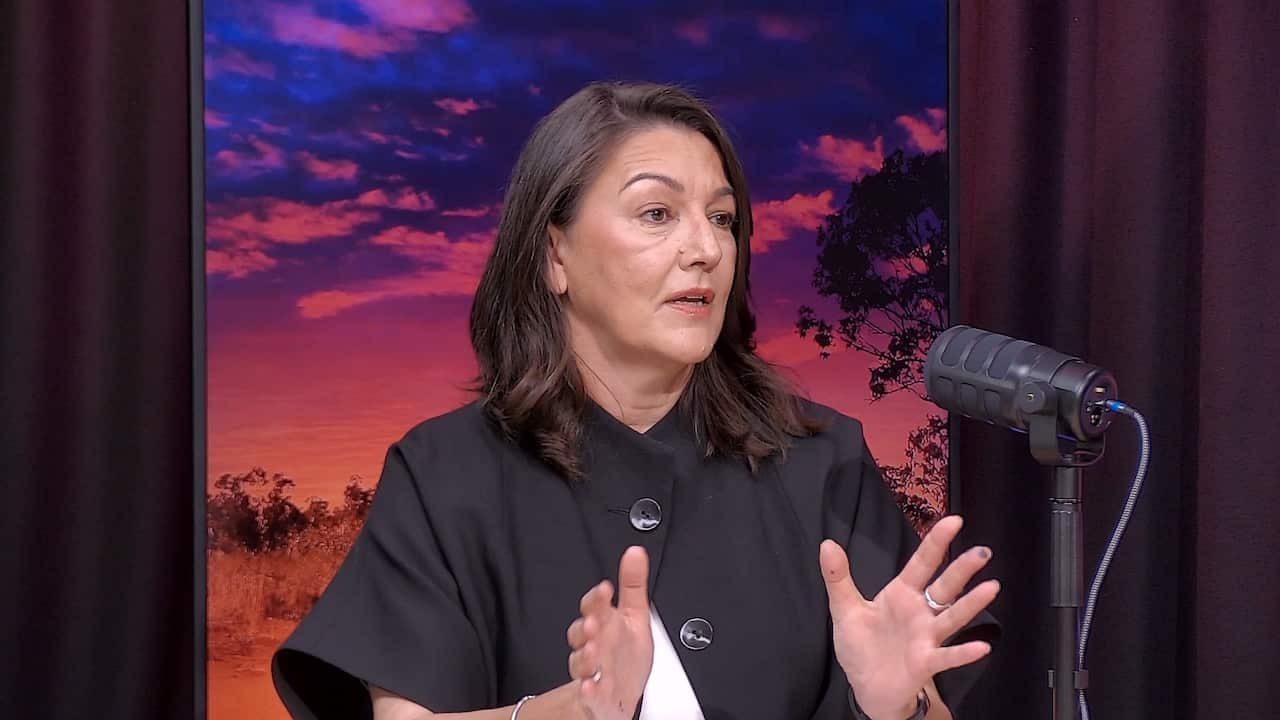
For Natalie Ahmat, NITV's head of Indigenous News and Current Affairs, whose career has included extensive reporting on Black deaths in custody, the findings were a landmark moment. But their significance would ultimately depend on whether they prompted action — and whether anyone was held accountable for delivering it.
The findings give formal weight to concerns Aboriginal communities have raised for years. But they do not, in and of themselves, resolve the problems exposed by Walker's death.
Ahmat says the persistence of those issues is impossible to ignore.
"We're still here. We're still talking about Aboriginal deaths in custody 35 years on from the royal commission," she tells NITV.
The latest national figures underline the continuing issue. According to the Australian Institute of Criminology, 33 Aboriginal and Torres Strait Islander people died in custody across Australia in 2024–25 — the highest number recorded since 1979–80.
Ahmat says the scrutiny must continue, even after the legal proceedings have ended.
"We owe that to the families and the communities, you know, that we are still asking those questions and still trying to keep that on the public record."
For Allam, hope lies not in the prospect of change, but in the people who refuse to let the questions fall away.
She points to the resilience of Aboriginal communities and the young women who led the campaign for Walker — their determination, she says, is what gives her faith in the fight ahead.
"I think there are the young women who spearheaded the Justice for Walker campaign are really inspirational. I think that level of discipline and commitment to our people is what will sustain us.
Stream 2.6 Seconds: Death In The Outback Now on SBS On Demand.
This story was produced in collaboration with NITV .