You have reached your maximum number of saved items.
Remove items from your saved list to add more.
You've used all of your gift articles. 3 more will become available on the 1st of every month.
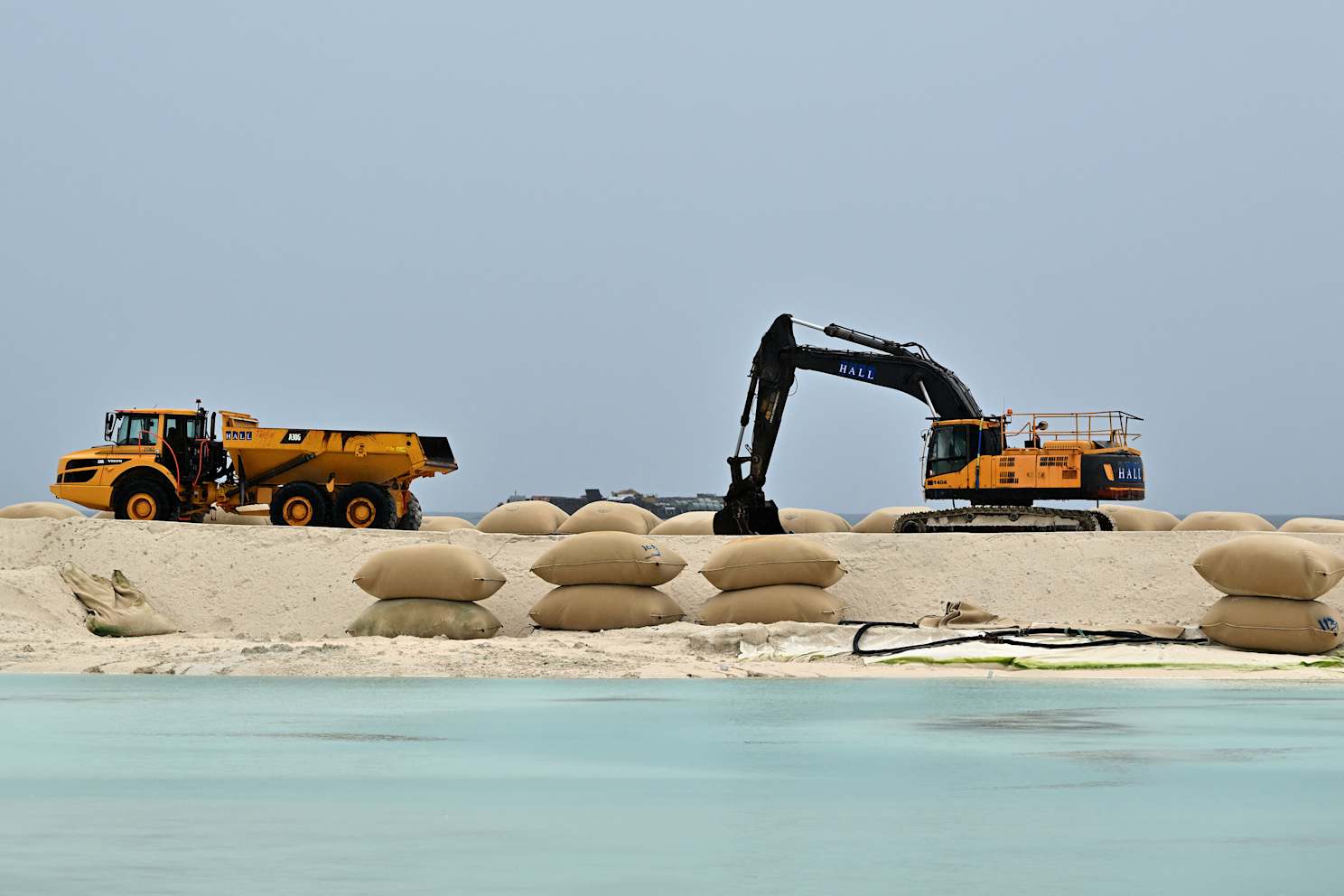
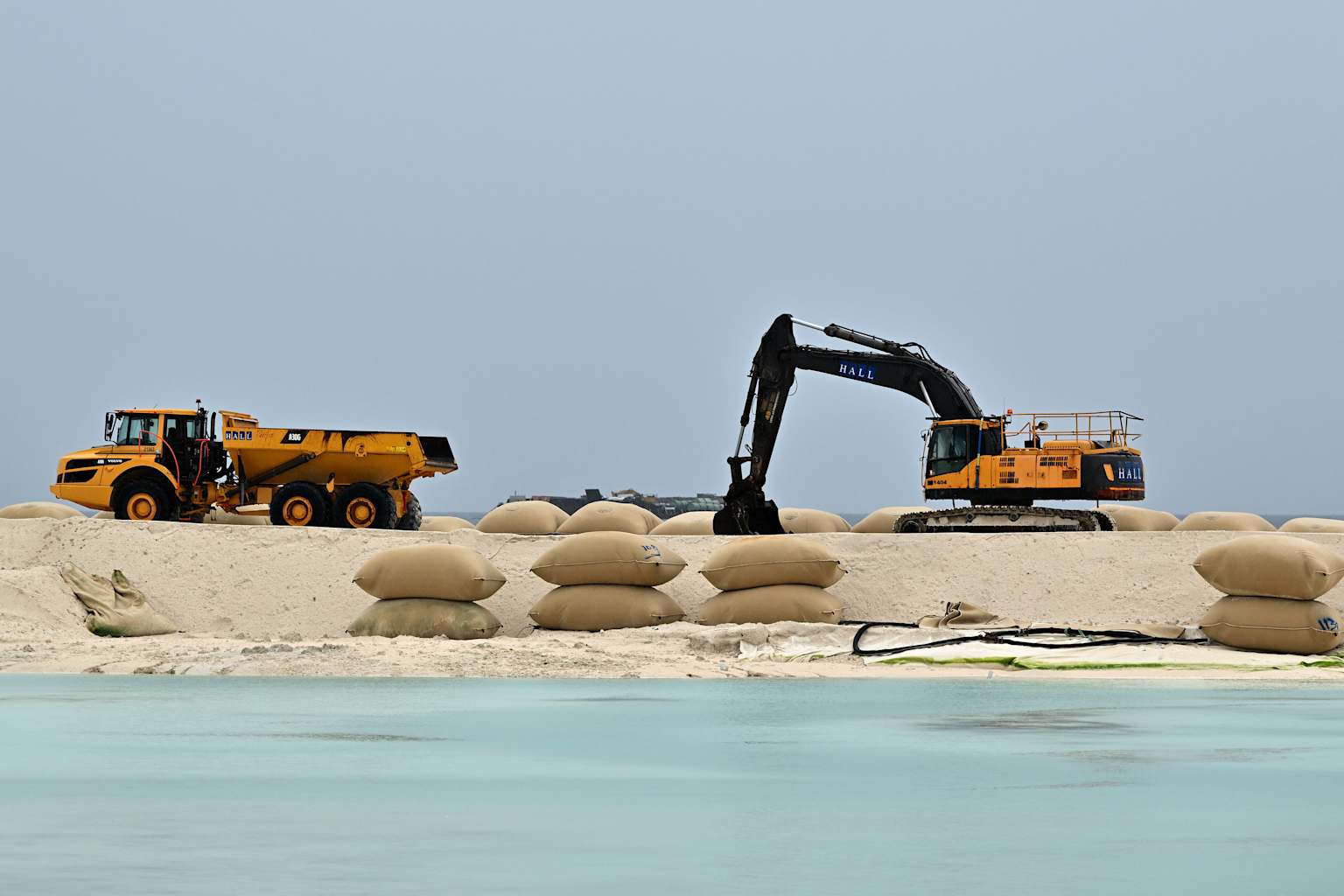
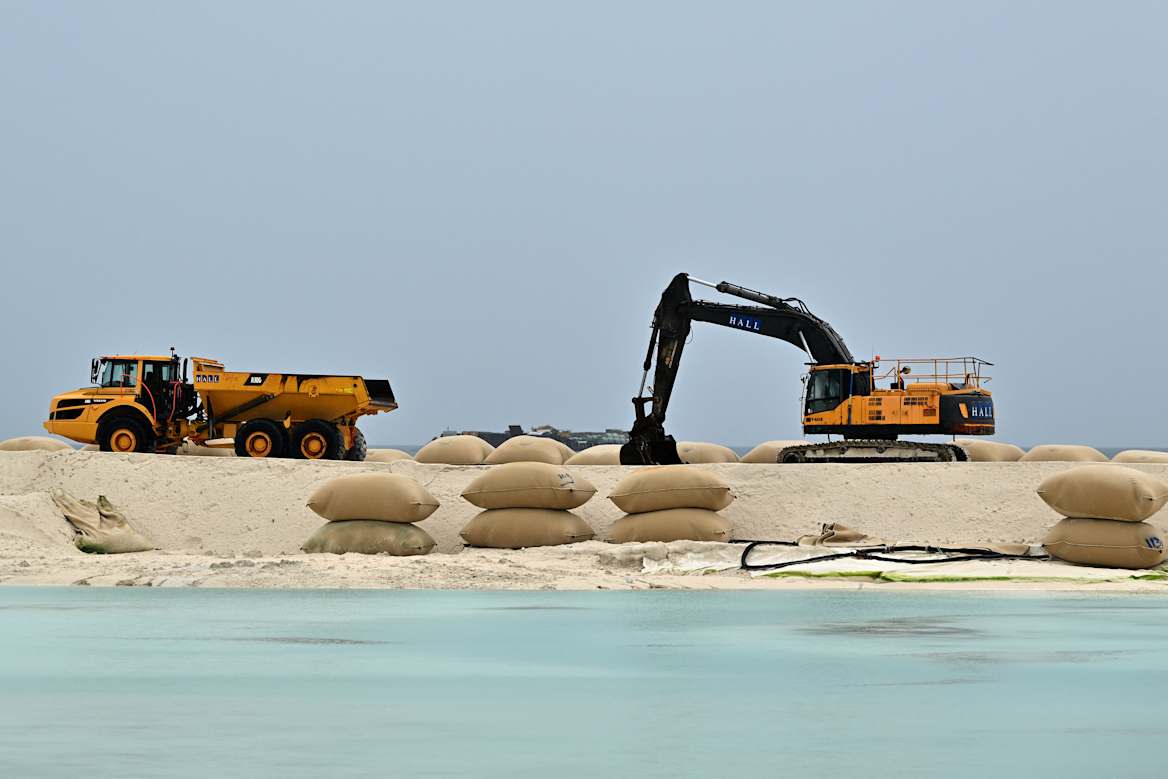
An Australian contracting firm recently finished building a series of seawalls to protect about four kilometres of the coastline of Tuvalu, a tiny archipelagic nation of 11,000 people that sits an average of just two metres above the waters of the mighty Pacific Ocean.
The seawalls, funded by Australia, New Zealand and the US, are the front line in the effort to hold back the rising tides projected to claim 90 per cent of Tuvalu’s land area at high tide by the end of the century.
Other seawalls are either completed or under way in a bid to protect Fiji, Kiribati, the Marshall Islands, Solomon Islands and Tonga. Storm surges increasingly ruin arable land, salinate scarce fresh water supplies, swamp homes and disturb the dead in flooding graveyards.
The seawalls, desperately welcome in the Pacific island states, offer communities some hope of clinging on to the land of their ancestors. At the same time, they are concrete evidence of humanity’s collective failure to kick one of modern history’s most destructive habits – our addiction to carbon fuels and the profits they generate.
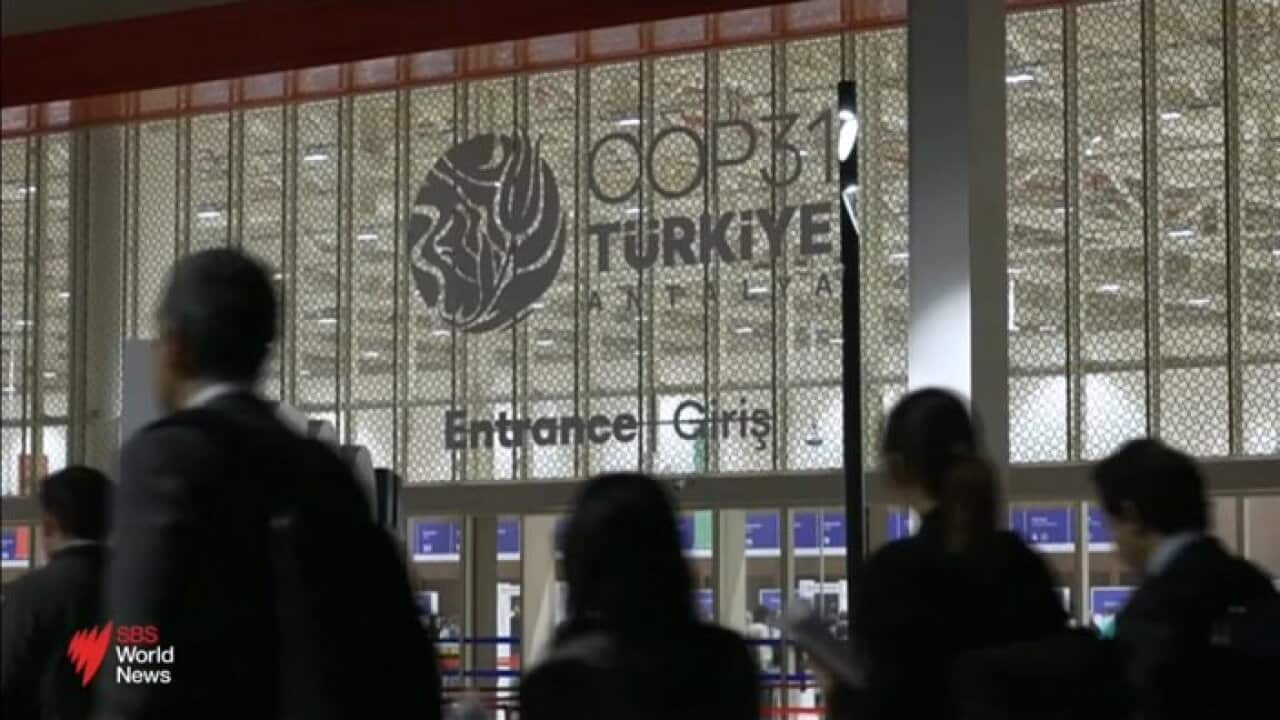
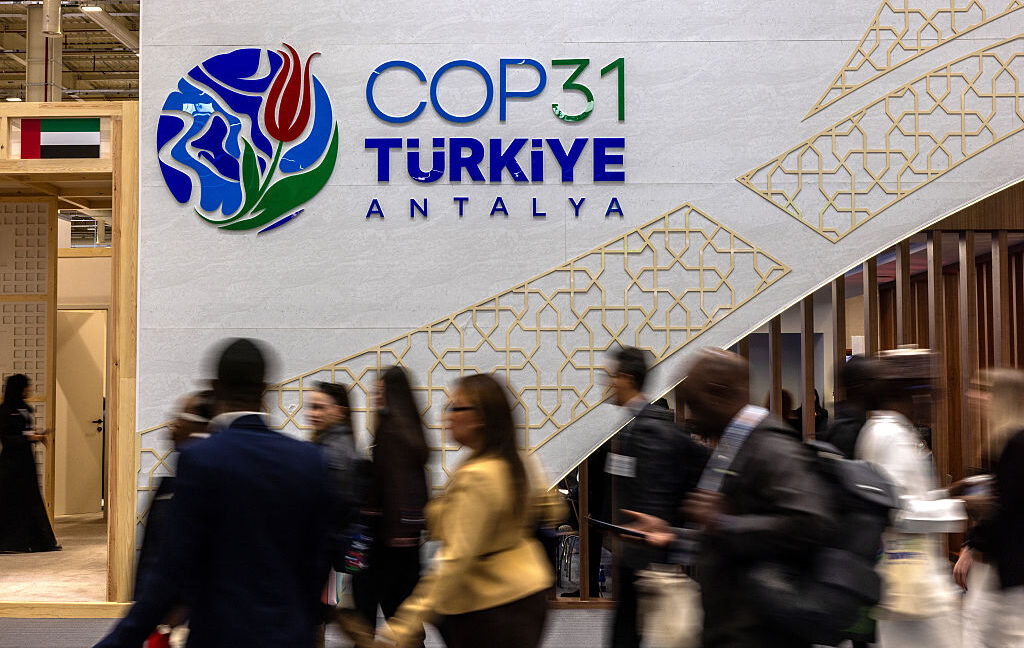
Delegates to the world’s annual climate change negotiations are today assembling in Turkey for a fortnight of meetings – COP 31 . They gather every year, and every year, the central solution to the problem seems more elusive.
The Paris Accord sought to hold the global temperature rise to a maximum 1.5 degrees above pre-industrial levels, as an average measured over 20 years.
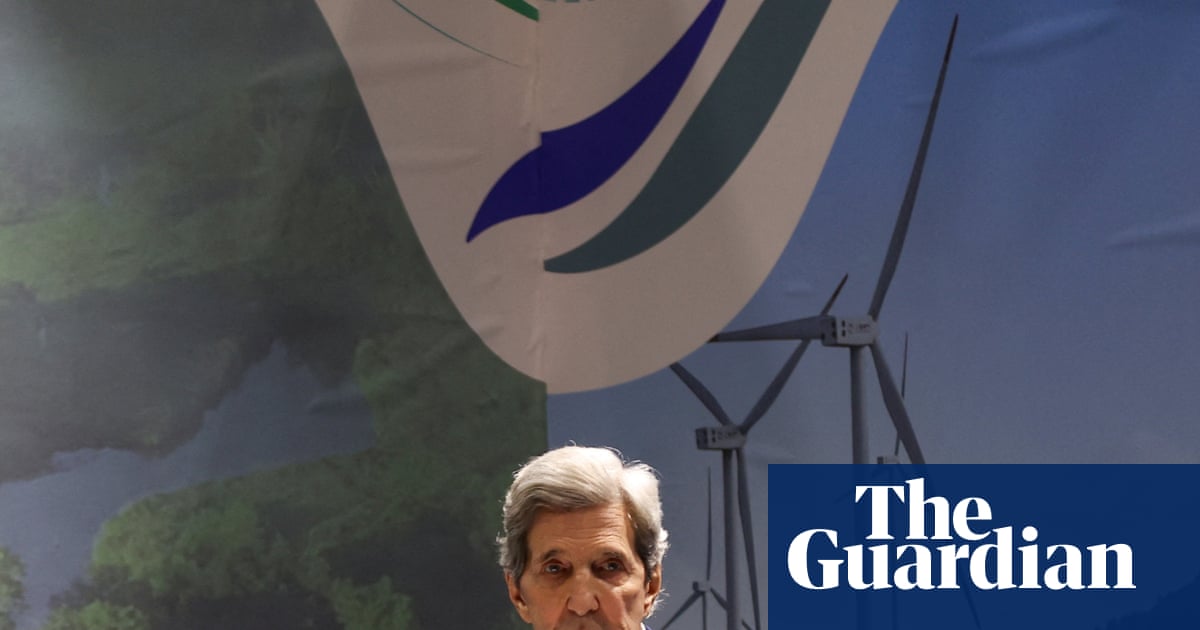
“Crossing that Rubicon is inevitable now,” says Jamie Fergusson, climate change director for the World Bank, the Washington-based development lender that invests more than any other multinational institution in climate-related projects.
“Sadly, as we are not meeting the goals, we’re on track for 2.8, not 1.5 degrees,” he tells me in an interview. “So the challenge is how to minimise the overshoot – how long and how severe – because science tells you it’s beyond that, that you hit the tipping points in various ways.”
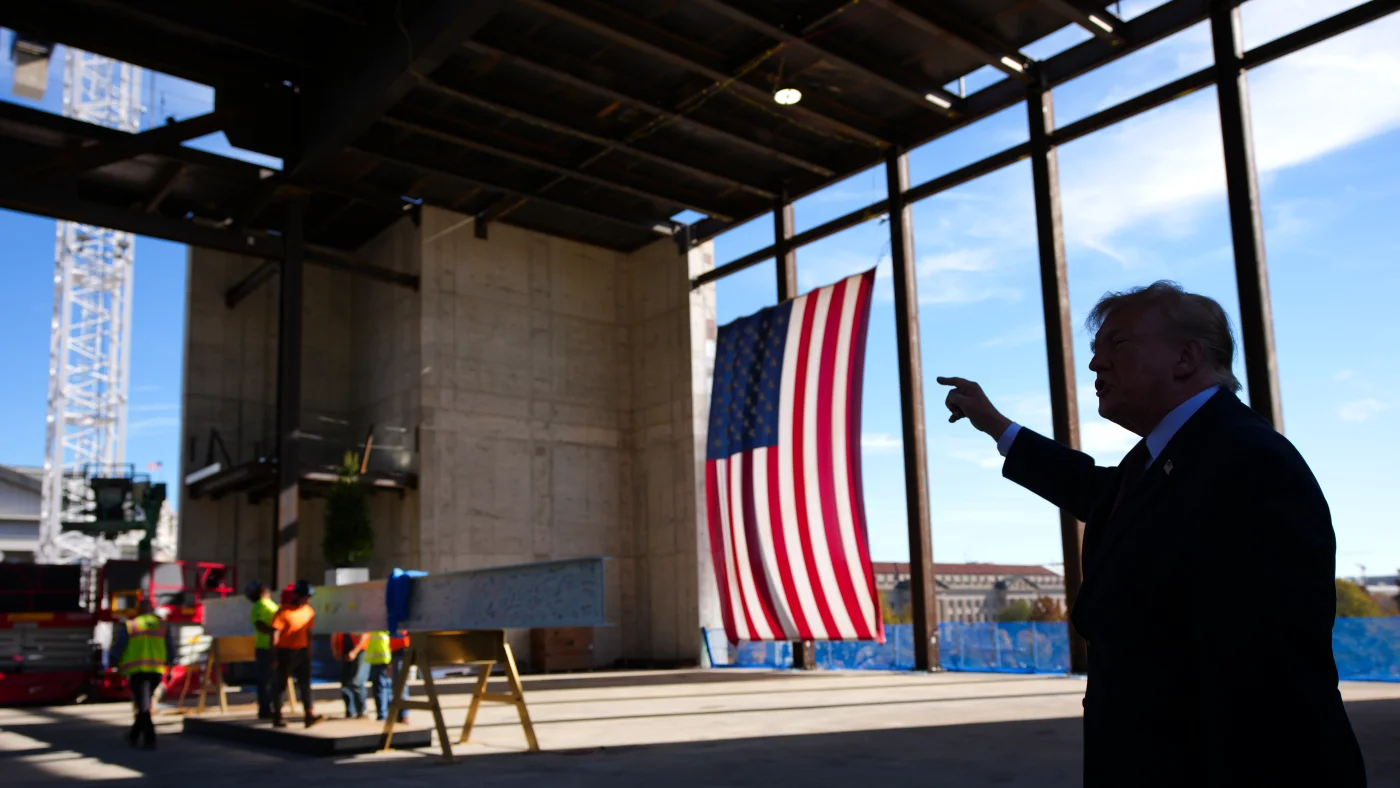
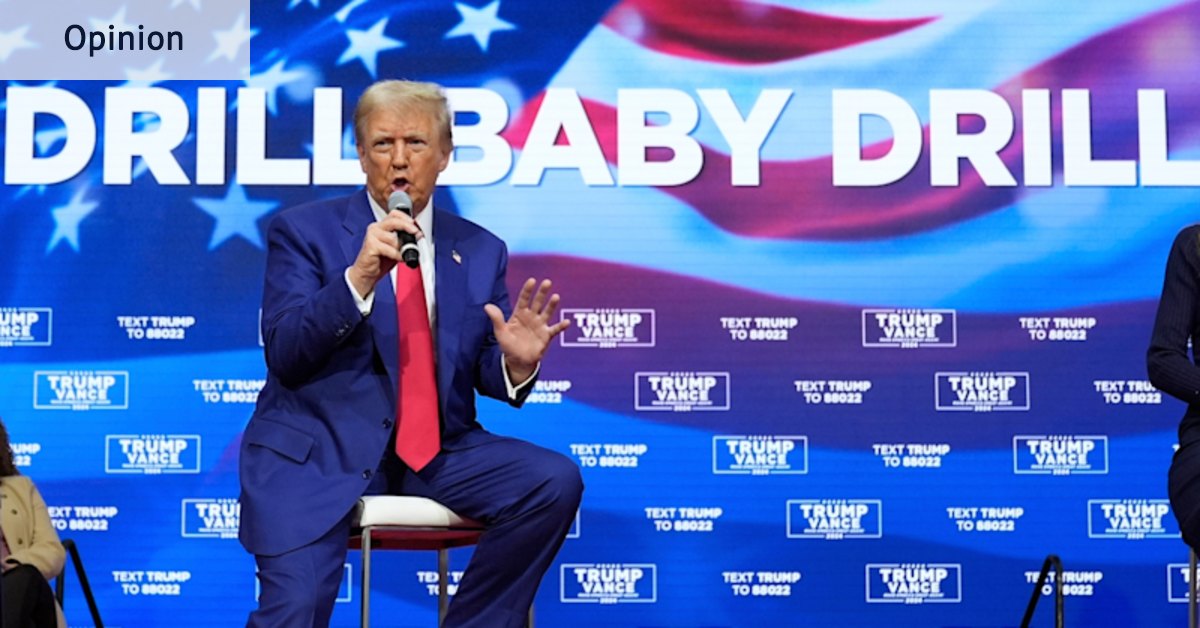
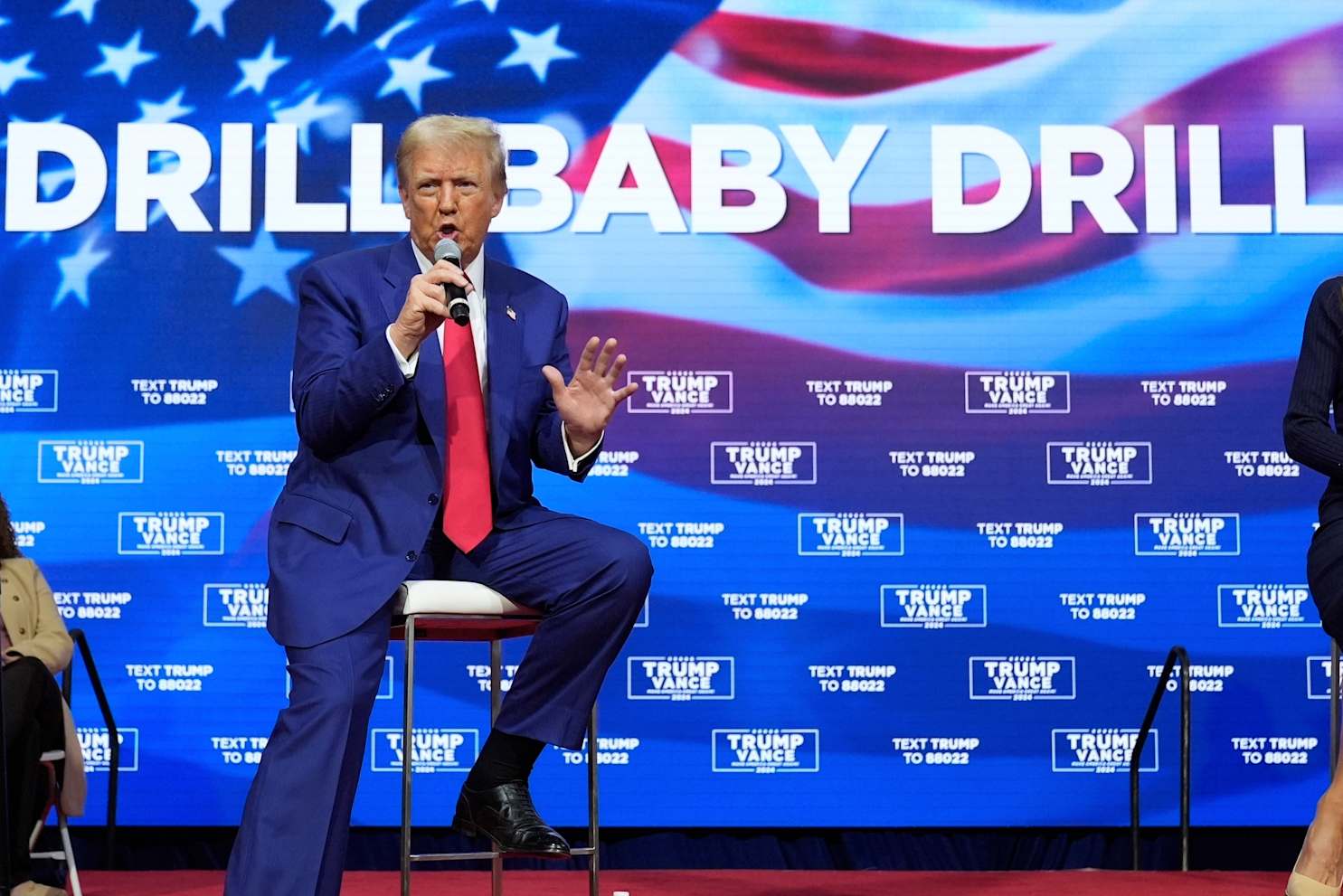
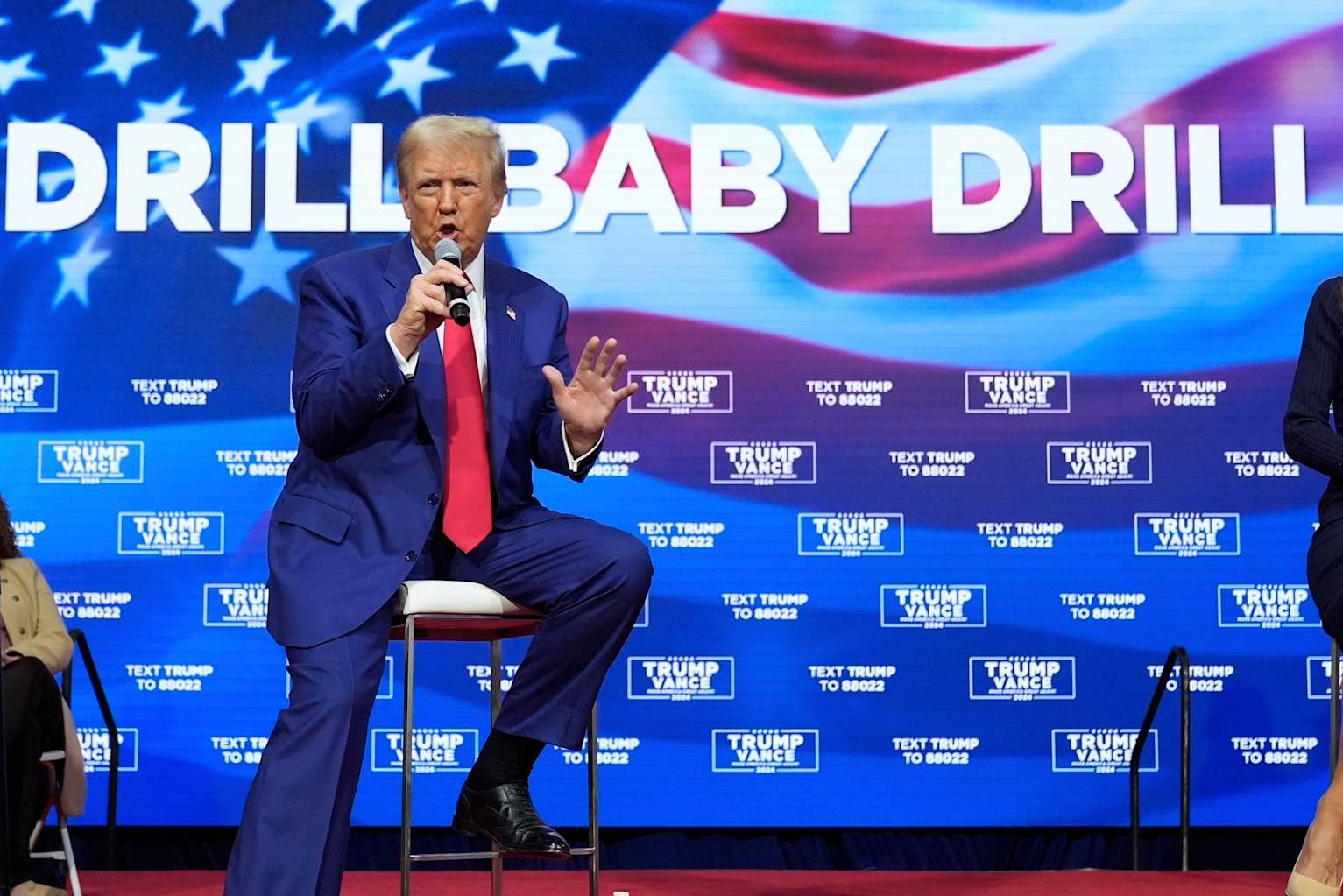
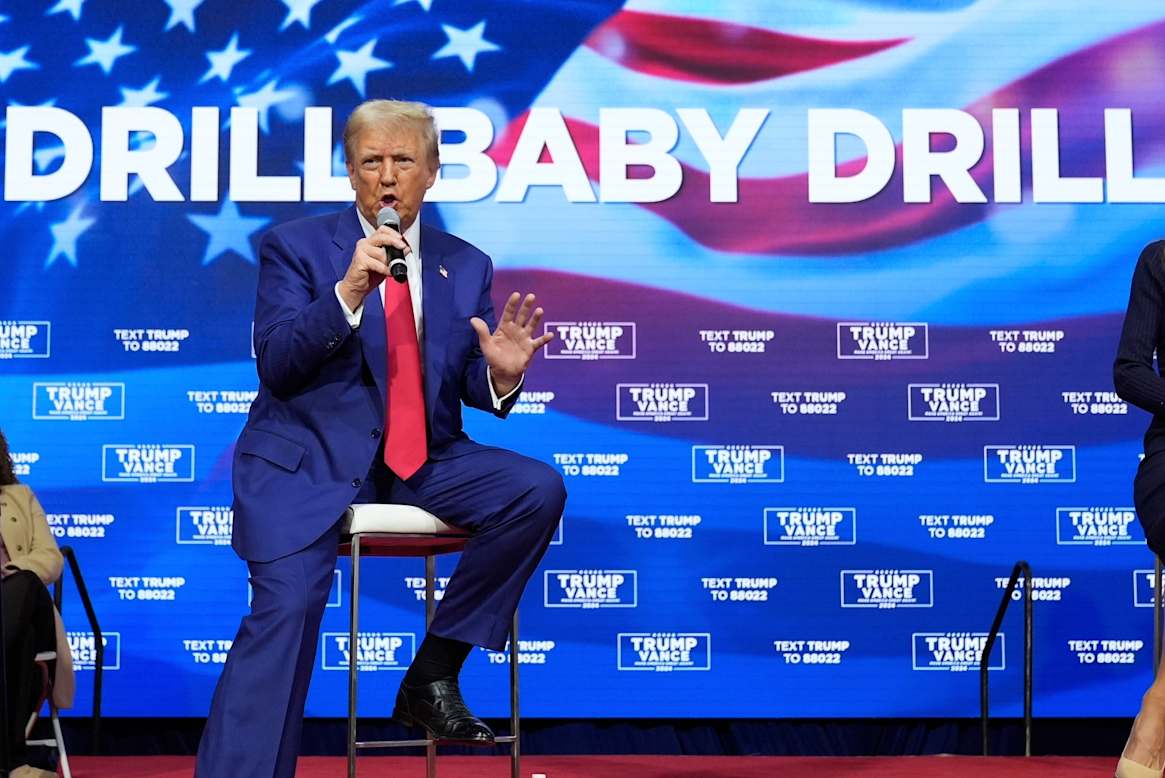
But how could that possibly be done? The annual agonising over carbon emissions at COP negotiations is close to irrelevant – thanks largely to US President Donald Trump’s decision to tear up America’s commitment to the Paris goals and to “drill baby drill” .
Implicitly recognising that reality, this year’s COP will pay only ritual heed to nations’ emissions commitments. Australia, leading the negotiations, and Turkey, hosting the gathering, will instead emphasise the need to accelerate electrification.
At the moment, electricity makes up 23 per cent of energy consumed in the world. Australia and Turkey decided to set a goal that nations commit to a target of 35 per cent electrification by 2035, or 35 by ’35.
As the president of this year’s negotiations, Chris Bowen, Australia’s minister for climate change and energy, says: “Unless you’re electrifying, we have no chance of holding the world to 1.5 degrees.”
But is this scale of electrification feasible without using more carbon fuels? Fergusson describes a “confluence of events at this time” that give hope.
Perversely, Trump has unwittingly created a big one. He ostentatiously set out to wreck any attempt to head off ruinous climate change. He calls climate change “a hoax” . Yet his futile war on Iran has galvanised the global shift to renewable energy.
With the strangling of the Strait of Hormuz, the oil price is persistently around $US100 a barrel, some 40 per cent higher than its pre-war level. That, says Fergusson, is “having a decisive effect everywhere. Energy security is, you know, top of the agenda today. The economic differential is impacting everywhere.”
The Paris-based International Energy Agency, the co-ordinating body for 32 nations of the developed world including Australia, last week published its annual report on renewable energy. It said that, amid “unprecedented disruptions to global energy markets since the outbreak of the Iran war”, solar and wind were set for the greatest boom yet.
“Renewables, already expanding at a record pace before the current energy crisis, are set to see strong growth across a wider range of countries around the world in the coming years as governments seek to strengthen energy security and reduce their exposure to imported fuels and volatile prices,” it reported.
Even before the Iran war, renewables were in the process of overtaking coal as the biggest source of electricity in the world. It either happened last year, according to energy consultancy Ember, or it will this year, according to the IEA.
The agency projects that global renewable power capacity will increase by almost 60 per cent in the next six years compared to the previous six-year period. The IEA expects that solar will account for more than three-quarters of that.
Another essential factor is progress in renewable technology, says Fergusson. Solar became the cheapest energy source in history fully five years ago, according to the IEA. Since then, China has made more and more solar panels at lower and lower prices. That allowed Pakistan, for instance, to boost solar’s share of its power output from 2 per cent in 2019 to 24 per cent today. India is in the process of doubling its renewables output over the next four years, says the IEA.
Renewable energy was born a child of environmentalism. It is coming to adulthood as an agent of sovereign security and economic logic. Investment in renewables is running at about $US2 trillion ($2.9 trillion) a year globally, according to the IEA – double that which goes into oil, gas and coal.
Fergusson adds a third important factor. Even though many governments are cutting their foreign aid, the World Bank has figured out how to mobilise private capital to support renewables in poor countries. In Timor-Leste, for instance, a new joint project of solar and batteries will supply about 30 per cent of the country’s power needs.
In total, the bank put $US48 billion of its own money into development projects with “climate co-benefits” last year and it mobilised another $US48 billion in private investment into such projects as well, a record for the bank. One of its aims is to provide electricity to 300 million Africans who don’t yet have any.
There is yet a case for hope. And yet Fergusson says that while Australia’s effort to amplify the voices of the Pacific islands at COP this year was successful, they remain the hardest part of the world to help because of their small populations, remoteness and plain vulnerability.
Seawalls only go so far. Australia last year created a new visa class – for climate refugees, specifically for 280 Tuvaluans to migrate to Australia a year. One-third of the population applied last year. This year, seven in 10 of the country’s population applied.
Pacific confidence in the world’s efforts is waning. Progress cannot come fast enough.
Peter Hartcher is political editor and international editor of The Sydney Morning Herald and The Age.
You have reached your maximum number of saved items.
Remove items from your saved list to add more.
You've used all of your gift articles. 3 more will become available on the 1st of every month.