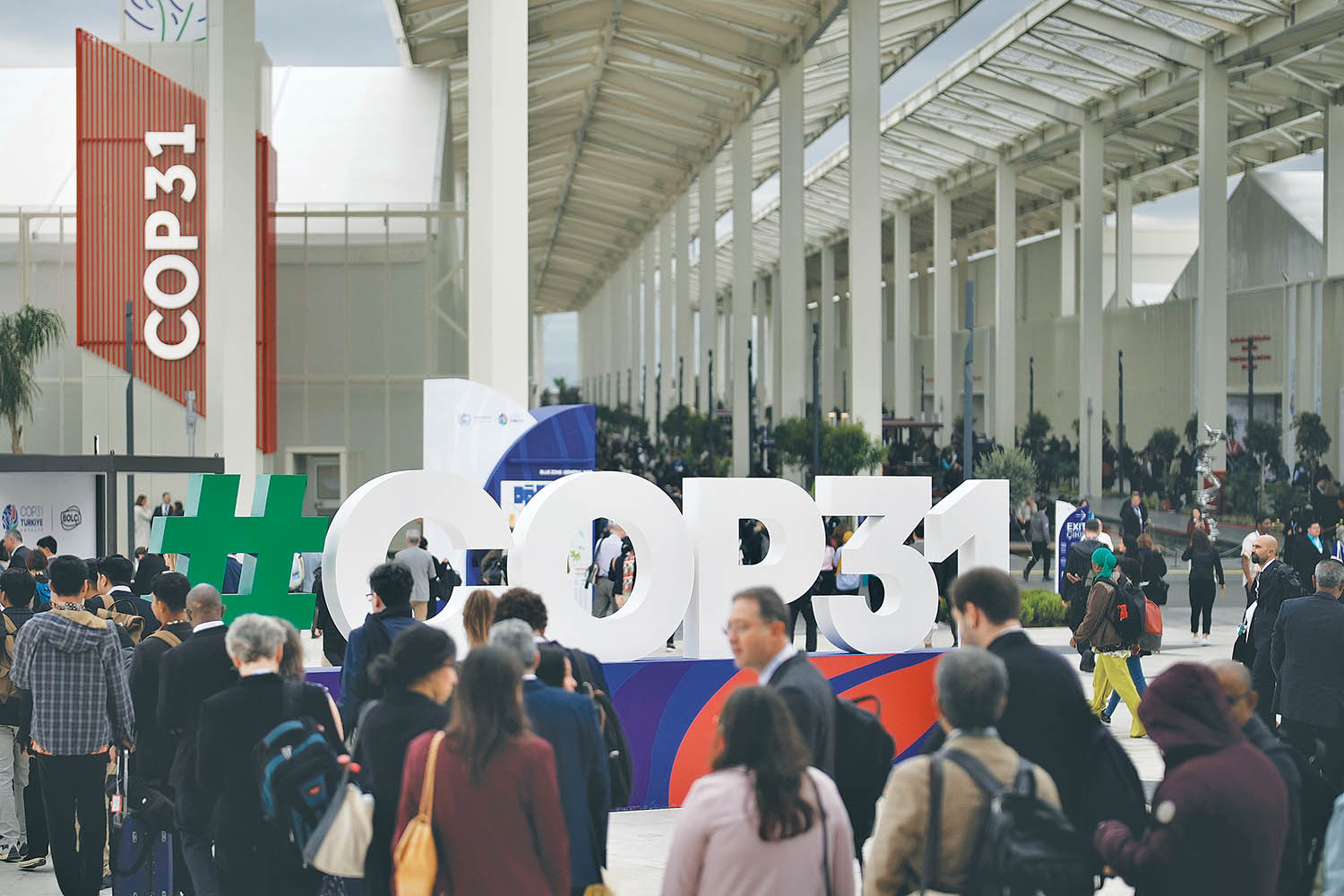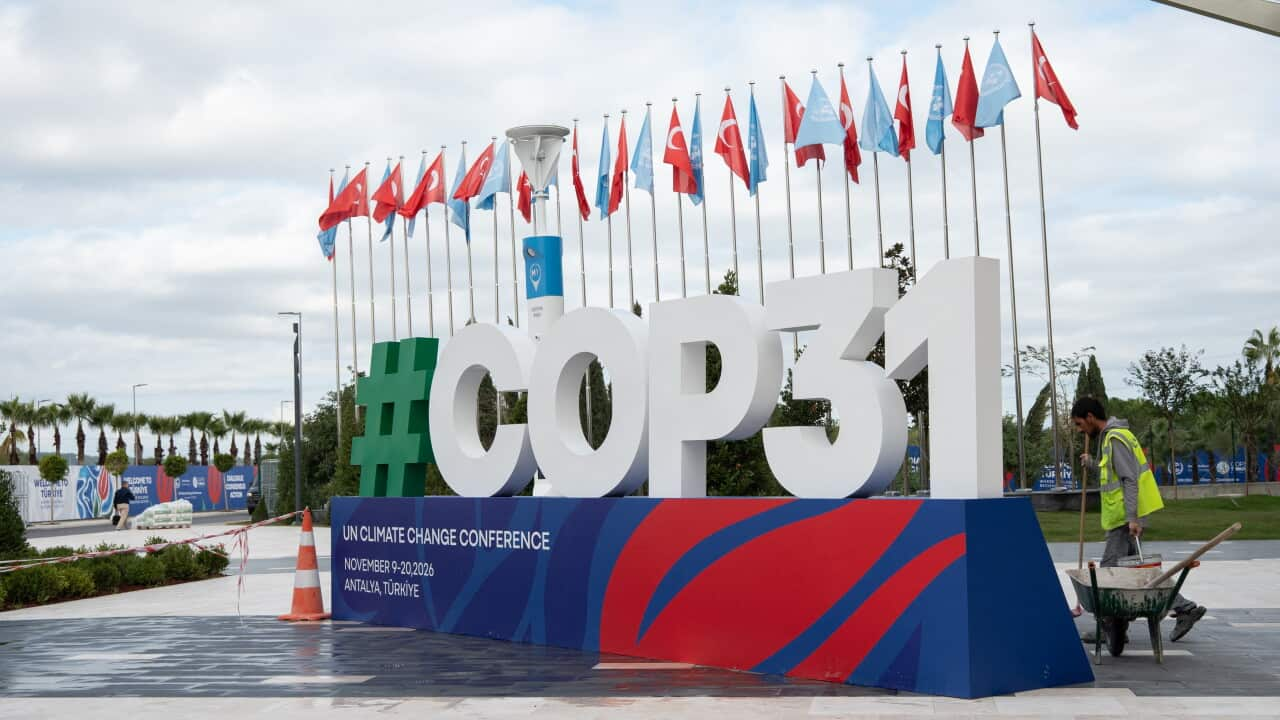
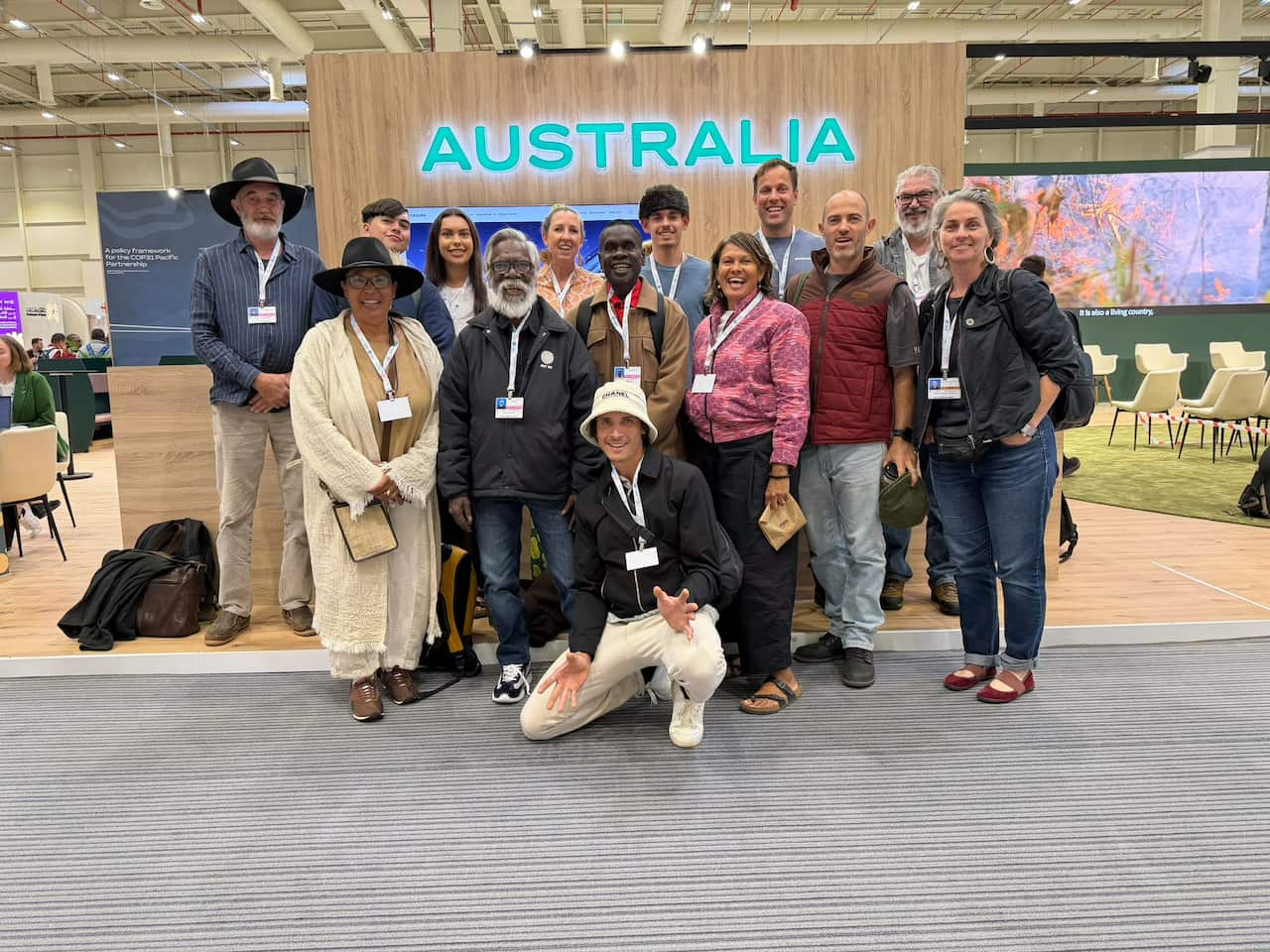
Delegations of First Nations activists have arrived in Türkiye to participate in United Nations climate talks in Antalya over the coming fortnight.
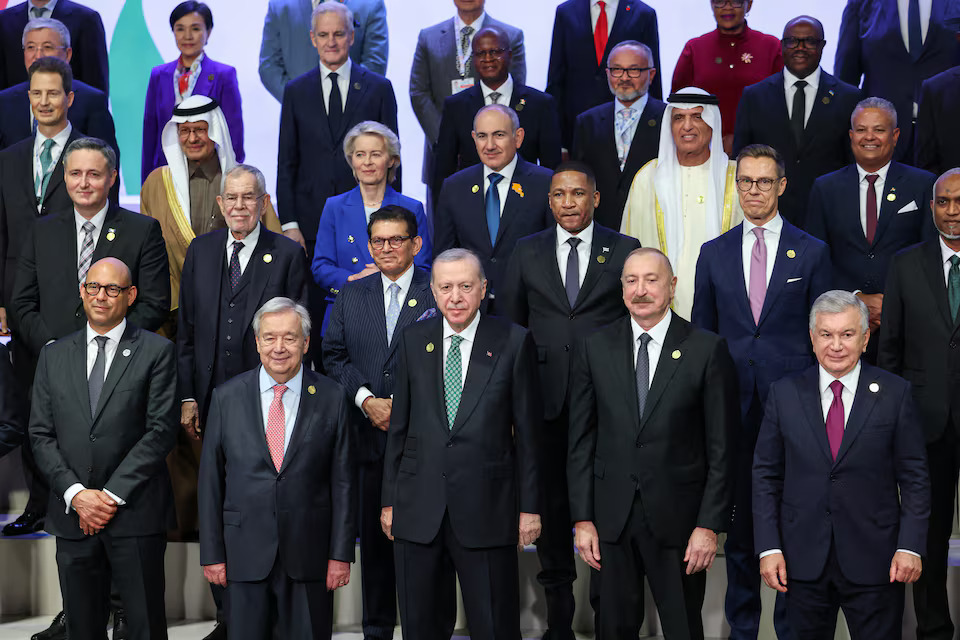
They're among roughly 100,000 people from around 200 countries expected to gather for COP31, which aims to convert promises from previous summits into tangible action.
Australia will lead the negotiations under an unusual arrangement reached to settle a dispute with Türkiye over which country would host the conference.
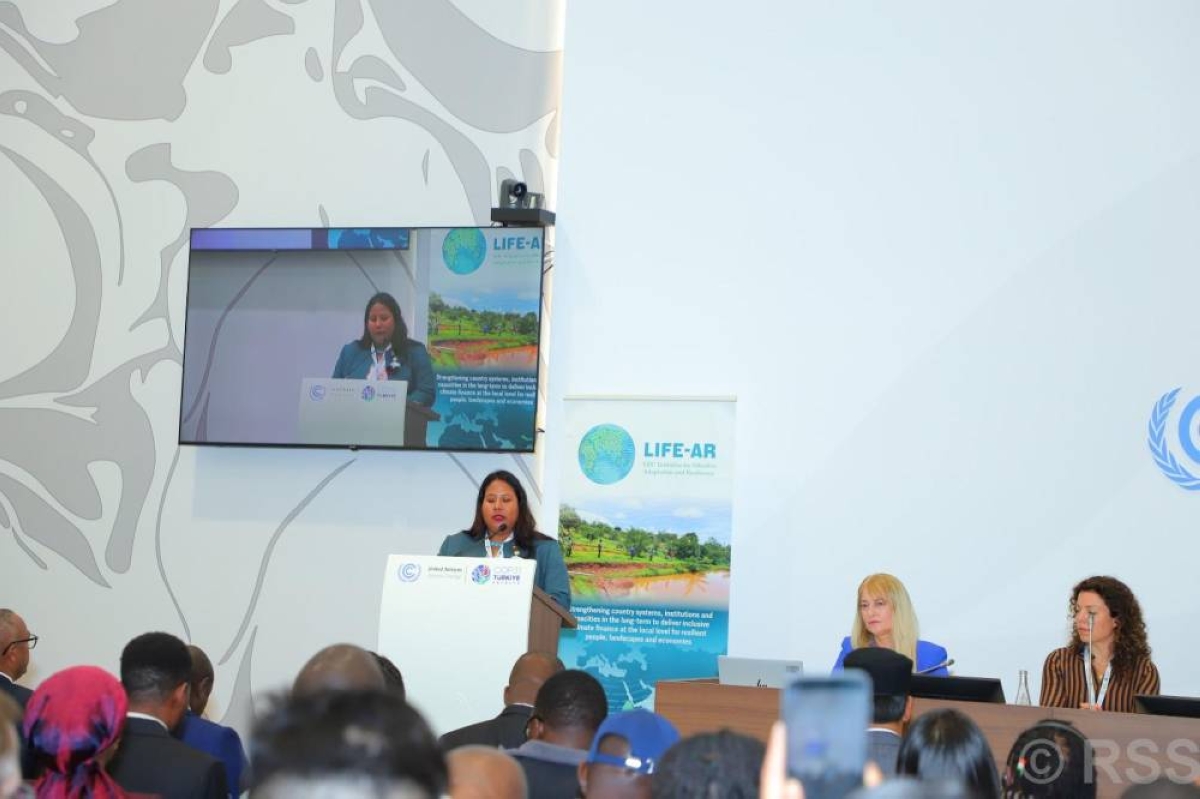
This year, the focus is expected to fall on several key issues: speeding up the global shift to clean energy, boosting finance and investment, growing the green economy, and elevating Pacific priorities.
While highlighting the plight of low-lying Pacific countries has been a key diplomatic push for the Albanese government, many Torres Strait Islander people feel their situation has been overlooked.
"We are experiencing exactly the same thing that our cousins in the Pacific are experiencing,” said Barbara Ibuai, a Saibai Koedal clan woman who has travelled to take part in the COP.
Ms Ibuai founded Climate Collective Zenadth Kes to advocate for her Country, which is located within kilometres of Papua New Guinea, but is still part of Australia.
Saibai Island is already experiencing impacts from extreme heat and rising seas, including migration driven by climate change.
“There's a huge sea wall dominating that seascape, our natural interaction with the environment around us, especially out into the sea," Ibuai said.
The final text from the COP summit will be negotiated over two weeks, and First Nations peoples from across the globe are determined to make their voices heard.
Widjabul Wiabal/Bundjalung woman Larissa Baldwin-Roberts is co-chairing the International Indigenous Peoples’ Forum on Climate Change, which coordinates efforts to promote the recognition of Indigenous knowledge, sovereignty, stewardship and priorities within the broader global framework.
While the forum will put forward shared positions once they have been agreed, individual organisations will also pursue distinct goals.
Tamika Sadler is the Climate & Country Campaign Director at Common Threads, an Indigenous advocacy organisation that has travelled to Antalya with a delegation of 10 First nations women, and was part of shaping shared priorities over the weekend.
"The vibe is so strong, so staunch, and you know it's sort of like a welcome home party when we come into these spaces where you know we're seeing relatives, brothers and sisters from different you know sociocultural regions," the Gubbi Gubbi, Torres Strait Islander and South Sea Islander woman said.
The Indigenous Carbon Industry Network (ICIN) has also sent its first-ever delegation to the conference to highlight Indigenous leadership in emissions reduction and promote Indigenous carbon credits.
“We have been caring for Country and adapting to changes in climate for millennia, and our knowledge, experience and leadership have an important role to play in shaping climate solutions,” said ICIN Director and Iningai woman Suzanne Thompson.
Kalkadoon woman Taigen Ryan has travelled to the conference as the Invasive Species Council Voice of Country Lead and says the role of introduced plants and animals is often overlooked.
“Across Australia, we're seeing introduced plants and animals fundamentally change our landscapes, push native wildlife towards extinction and make it harder for First Nations peoples to care for Country,” she said.
“We cannot have a serious global conversation about protecting nature and responding to climate change without talking about invasive species. And we cannot find lasting solutions without First Nations knowledge and leadership at the centre of those conversations.”
Although the pace of global warming has slowed since the start of annual global talks, the world is still a long way from emissions cuts that would keep temperatures below 1.5 degrees above the pre-industrial average.
That was the target agreed at a previous conference, in Paris, in 2015.
COP31 aims to accelerate the implementation of plans put forward by individual nations to reduce their emissions, but the task is being made more difficult by the global energy shock triggered by conflict in the Middle East.
Türkiye is promoting an "action agenda" alongside the formal negotiations that encourages countries to support non-binding pledges on issues from artificial intelligence to waste management.
Its centrepiece is a non-binding "electrification" drive to raise the share of global energy demand met by electricity from around 20 percent today to 35 percent by 2035.
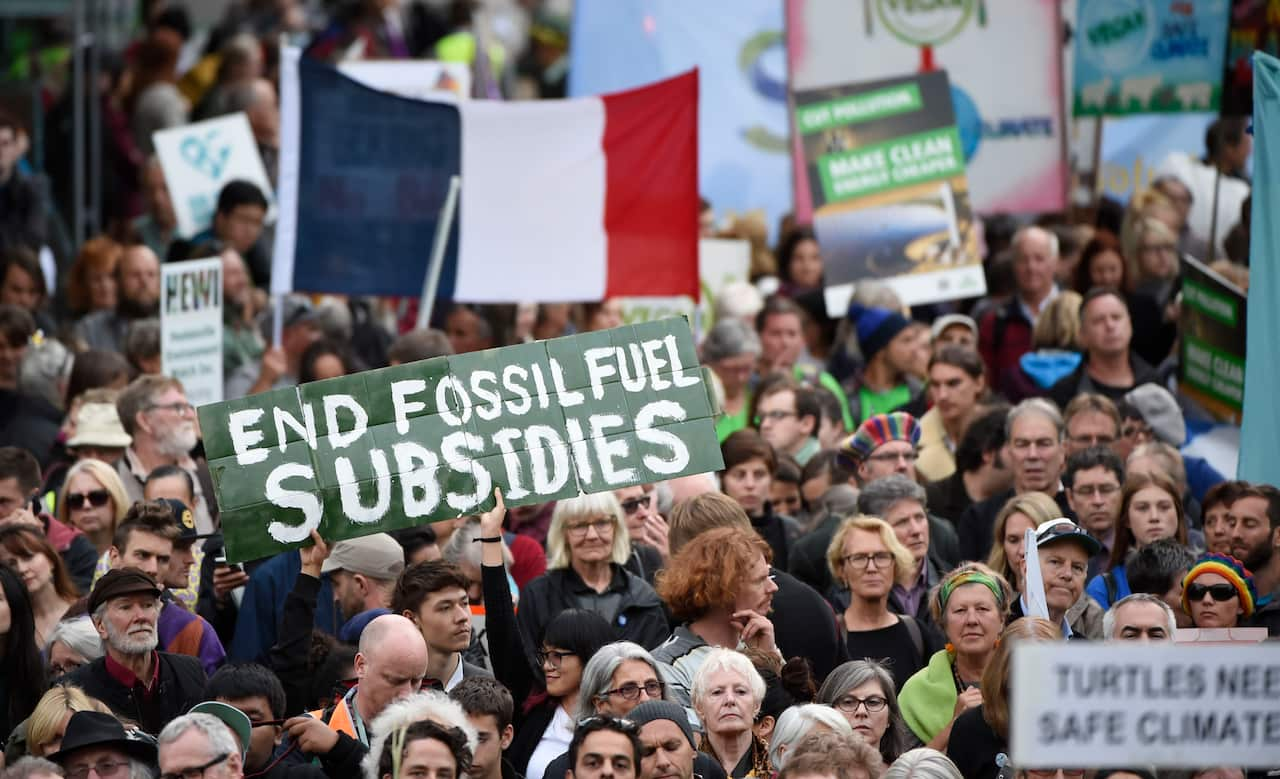
Long-running disputes over the need to reduce the use of fossil fuels, and wealthy nations' unfulfilled commitments to help developing countries adapt to climate change and shift to cleaner energy could also resurface.