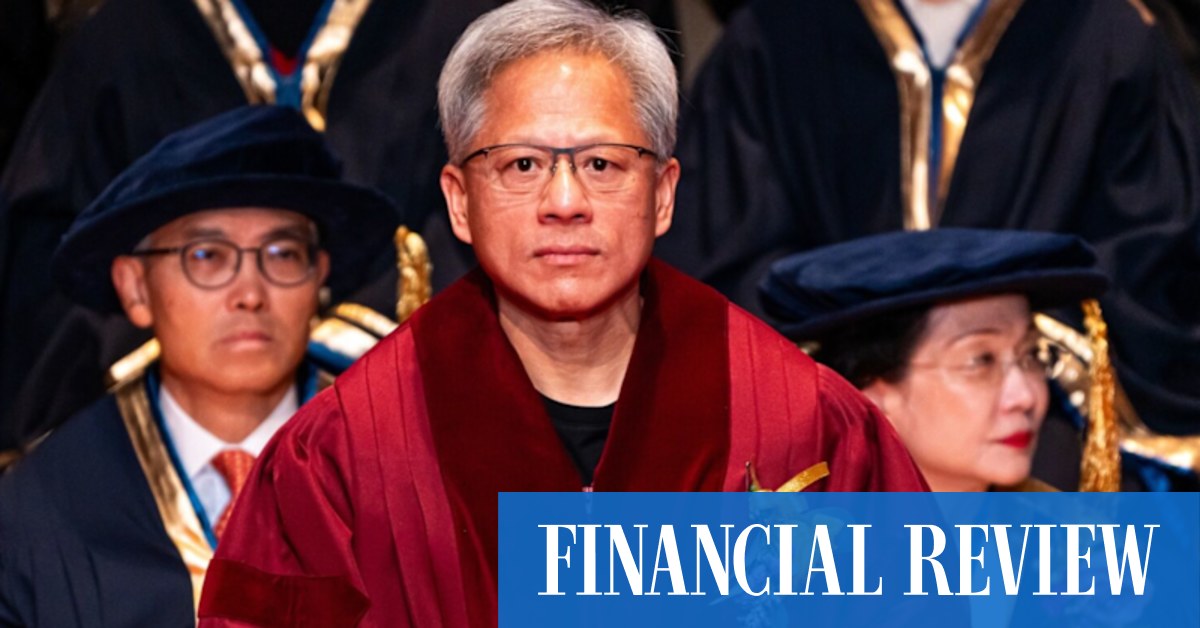
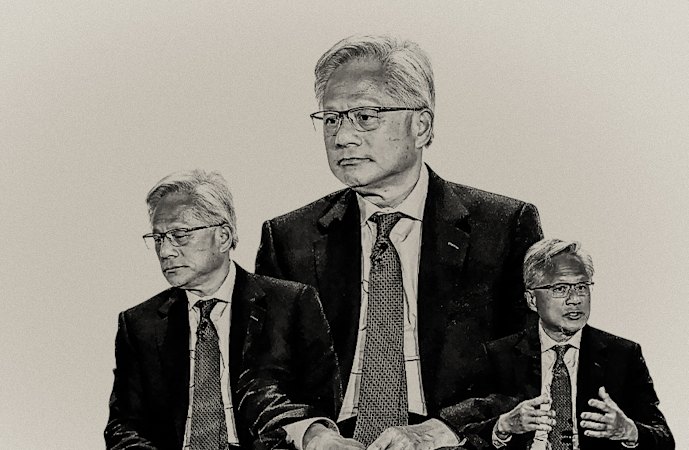
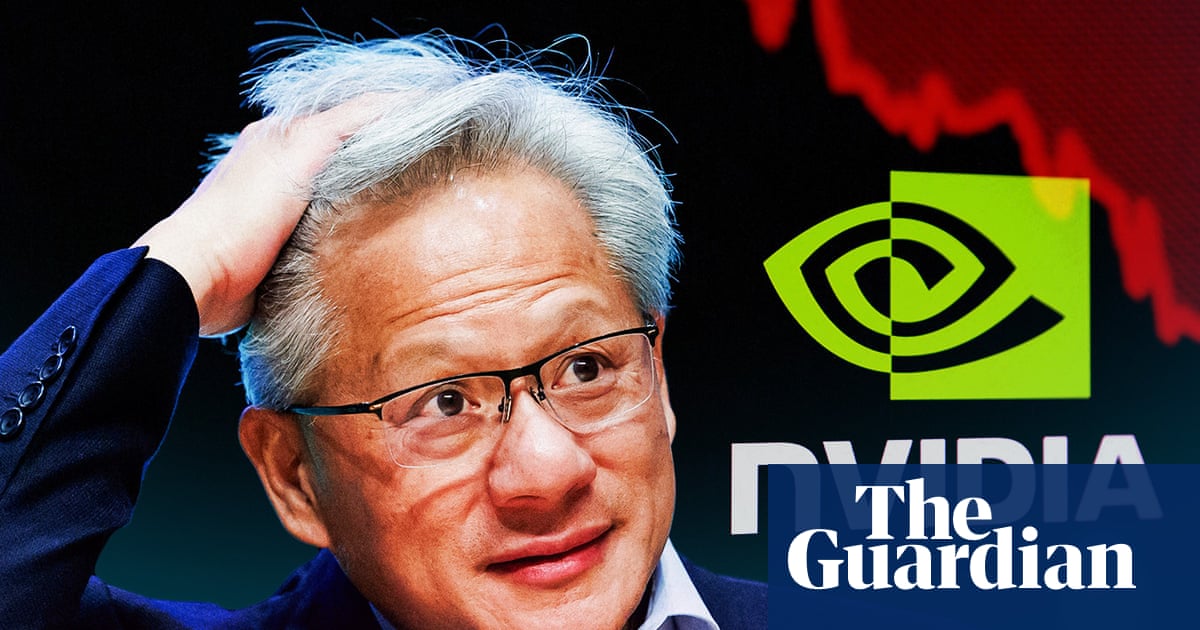
One of the world's most powerful technology bosses is embroiled in an investigation over reports he had an affair with a suspected Chinese spy, prompting concerns of a national security breach.
Jensen Huang, the boss of American AI chipmaking giant Nvidia, apologised for the affair in a company message, saying he had been unfaithful to his wife.
"There is no excuse for what I did. I am deeply sorry," he wrote.
Nvidia said it would open an investigation into the reports Huang was the "target of a foreign intelligence effort" but has denied any breaches of company secrets or national security.
The company has become one of the most significant technology firms in the world, supplying the chips that AI companies need and fuelling the exponential rise of the sector. Its 2026 revenue topped US$216 billion ($311 billion) in the last financial year.
Your trusted source for staying up-to-date with the world around you. Get free daily news updates and analysis, straight to your inbox.
United States media has named her as Alice Huang, a former TV reporter in China and more recently a top executive at Singapore-based data centre company Megaspeed.
That company is one of Nvidia's biggest clients in Southeast Asia. US authorities have been looking into Megaspeed over suspicions it helped Beijing gain access to advanced AI chips that are barred from shipment to China.
The New York Times newspaper reported last month that US intelligence agencies determined the Chinese citizen had been feeding information to Beijing.
It's unclear what that information was or how valuable it was.
Alice Huang has not responded to requests for comment from US media.
Nvidia's board said in a statement its inquiry would examine all available information but that it had "no reason to believe that either national security or Nvidia secrets were compromised".
It said its CEO was cooperating with the investigation and will remain in the job during the inquiry.
Huang has already been called on by key Republican politicians to brief Congress this month about the US media reports.
The report raises "significant national security concerns regarding [China's] access to sensitive US technology and information", the Republicans said in a letter dated 4 November.
"It is vital that Congress determines the extent to which US national security has been placed at risk."
The company is at the centre of a geopolitical contest between the US and China. Its products have become strategically important for both countries trying to outmanoeuvre the other.
China wants to establish its own chip-making industry and rely less on US products, including investing in domestic products from Huawei. It wants to set up a world-leading semiconductor industry by 2030.
The US has restricted exports of advanced chips to stem China's access to powerful AI technology, fearing its impact on weapons-making. Nvidia complies with those restrictions.
"US actions have also sought to sustain US leadership in advanced chips, related parts of the semiconductor supply chain, and computing and AI applications, while slowing China's development of competitive capabilities," a 2025 research report by foreign policy expert Karen M Sutter said.
"US actions have been grounded in concerns about PRC [People's Republic of China] efforts to build an indigenous, self-sufficient, and secure and controllable semiconductor ecosystem; and PRC military-civil fusion policies that seek to use commercial advancements in semiconductors, AI, and other technologies for military uses."
— With additional reporting by the Reuters news agency.