




To outsiders, the children treated at New Street Services may be dangerous offenders or perpetrators. But inside the state-run service, they never use those words.
The Children and Young People’s Sexual Safety Program is among only a handful of services in the world that provide therapeutic interventions for children and adolescents who have sexually harmed another child or teen, with the aim of preventing further sexual assaults.
At the program’s 12 centres, it is essential to separate a young person’s behaviour from their emerging identity, as more than 60 clinicians work with participants to stop them repeating their mistakes.
Teenagers have now overtaken adults as the most likely perpetrators of child sexual abuse, a 2024 analysis of the Australian Child Maltreatment Study found.
Among the 16 to 24-year-olds surveyed, 18.2 per cent reported sexual abuse by an adolescent peer, compared with 11.7 per cent who had experienced abuse from an adult perpetrator.
Recent cases of boys as young as 13 allegedly sexually assaulting their peers have reignited public discussions about consent and gendered violence.
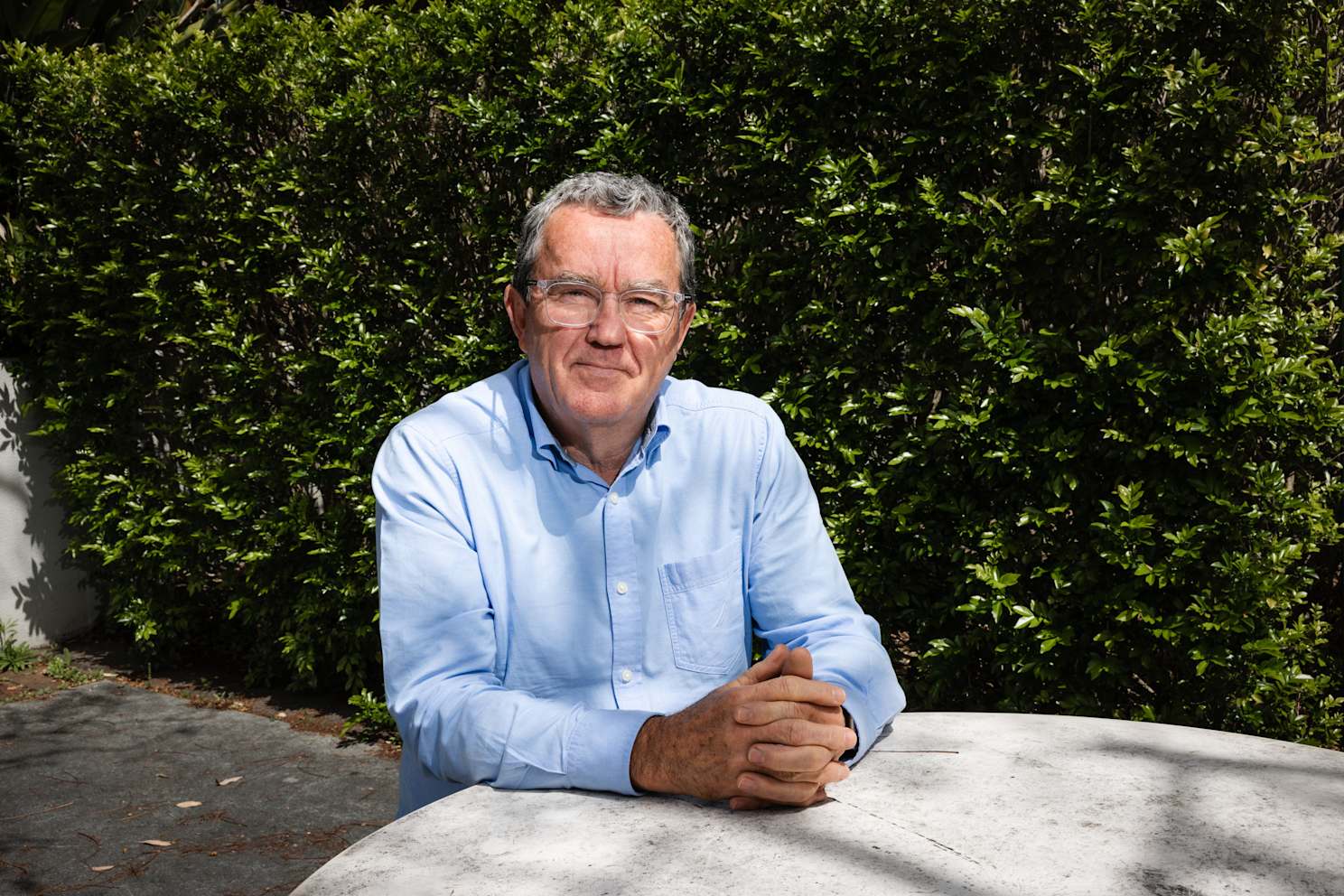
The program’s lead Adjunct Professor Dale Tolliday said the scale of need was huge for both its New Street Services for 10 to 17-year-olds, and its SafeWayz service for children under 10.
None of the participants has been prosecuted for sexually related offences, mostly because they have not met the burden of criminal responsibility.
Crucially, the program incorporates the victim-survivor’s perspective throughout the treatment process, which can take from six months to up to two years.
“The day that we opened our doors on July 1, 1998, an hour later, we had to close for referrals – we were just flooded,” Tolliday said from the program’s head office in Westmead Children’s Hospital.
Demand for the service has grown since then.
Dr Gemma McKibbin, a University of Melbourne child sexual abuse prevention researcher, said: “We’re seeing [a] massive increase in children being sexually exploited, either by their peers or by adults.”
But McKibbin said a lack of sufficient funding and large geographical areas without services meant the vast majority of families who would benefit couldn’t access them.
“If they’re supported therapeutically, then there’s a lot of potential that they can cease carrying out sexual harm, and can become good and protective citizens,” she said.
A 2014 analysis of New Street Services found 89 per cent of the adolescents who successfully completed the program had stopped their inappropriate behaviours by the time they left. The effects of the program on the remaining 11 per cent were not known.
From their first program session, young people work towards an intention to address their behaviour.
They set treatment goals, and their parents are encouraged to play a key role in supporting their child.
They explore fundamental developmental questions, such as “am I normal?” and “where do I belong?”
Rather than one-size-fits-all training sessions in which a young person is told why their behaviour was inappropriate, the bespoke therapy helps them develop their own understanding of how they have harmed others.
For example, a child with a disability who has used content online as an instruction manual will require a totally different approach to a teenager who themselves has been sexually abused by a family member.
“We might see a young person who’s a school leader, an achiever people look up to, but he’s got attitudes that are centred around entitlement,” he said. “So we’ve got a different pathway we’ve got to follow with exploring that.”
The program is considered complete when a young person has reached all their goals, which should focus on safety, wellbeing and restitution, including acknowledging their behaviour to help the person they harmed understand that what happened to them was not their fault.
Where appropriate and necessary, restitution may involve a direct conversation with the person harmed, such as when a sibling is involved, and only when approved by sexual assault counsellors.
“Facing the reality of their behaviours takes a lot of time and effort,” Tolliday said.
“They need to have a narrative about themselves … which does not deny that they did this, but that they can step aside from and say: ‘This is something I did in X time in my life when I had these influences. This is not who I am, and I’m behaving differently’.”
Tolliday said some participants kept in touch into adulthood, as for many, it’s the only place aware of this part of their life.
“We’ve had young people contact us when they become parents themselves,” Tolliday said.
He acknowledged that his 40-year career in the sector had come with some personal cost, “but the benefit is seeing the remarkable changes in people’s lives over time, and for me personally, it’s seeing the development of a whole workforce”.
A NSW Health spokesperson said funding for New Street Services more than doubled from $5 million in 2018-19, to $10.3 million in 2026-27.
National Sexual Assault, Domestic Family Violence Counselling Service 1800RESPECT (1800 737 732).
You have reached your maximum number of saved items.
Remove items from your saved list to add more.
You've used all of your gift articles. 3 more will become available on the 1st of every month.