

How are parents raising resilient kids in an age of constant judgement and conflicting advice? From gentle parenting to tough love, Insight hears from parents navigating generational differences, social pressures, and childhood baggage. Watch Insight episode Modern Parenting on SBS On Demand.
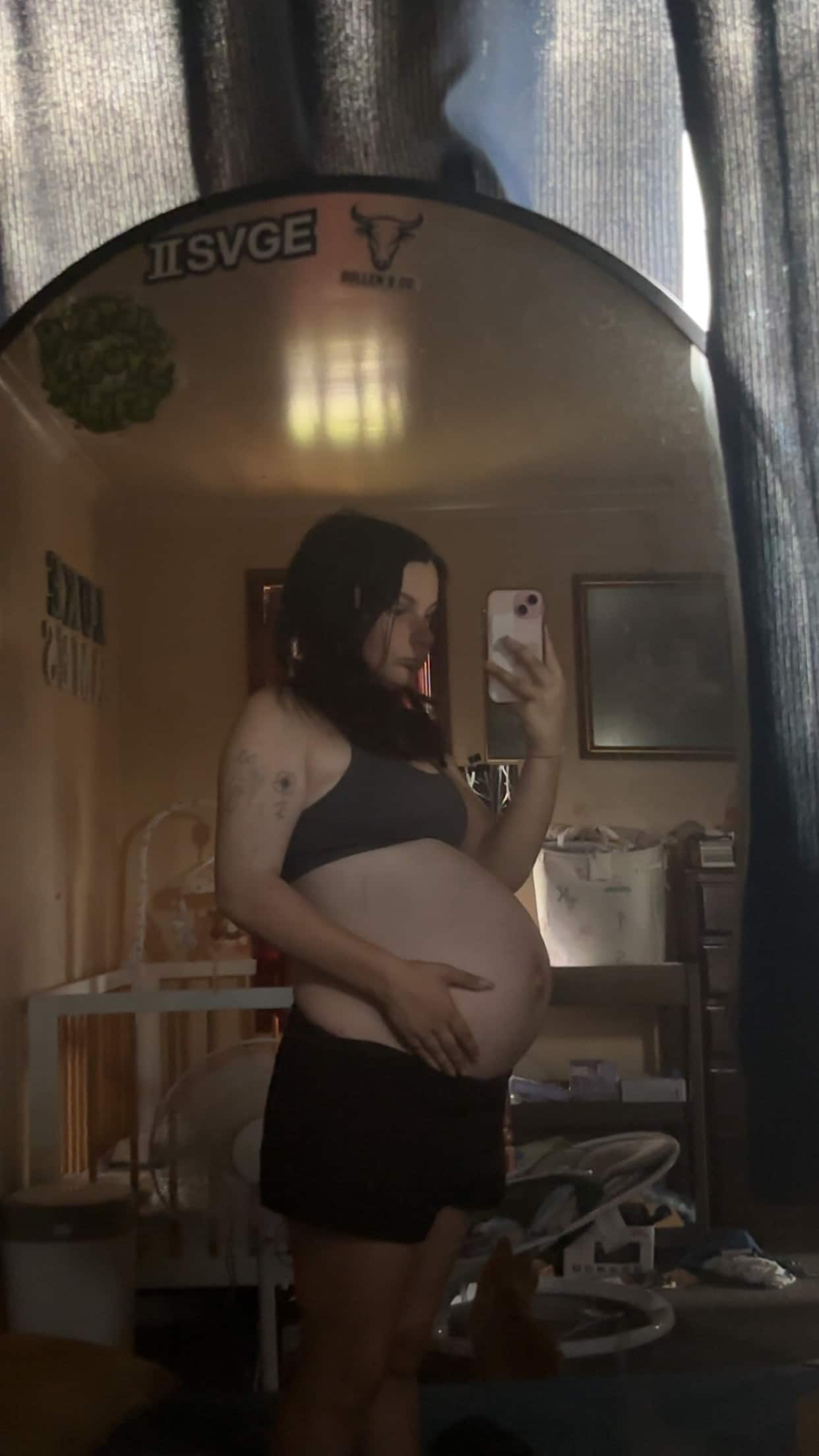
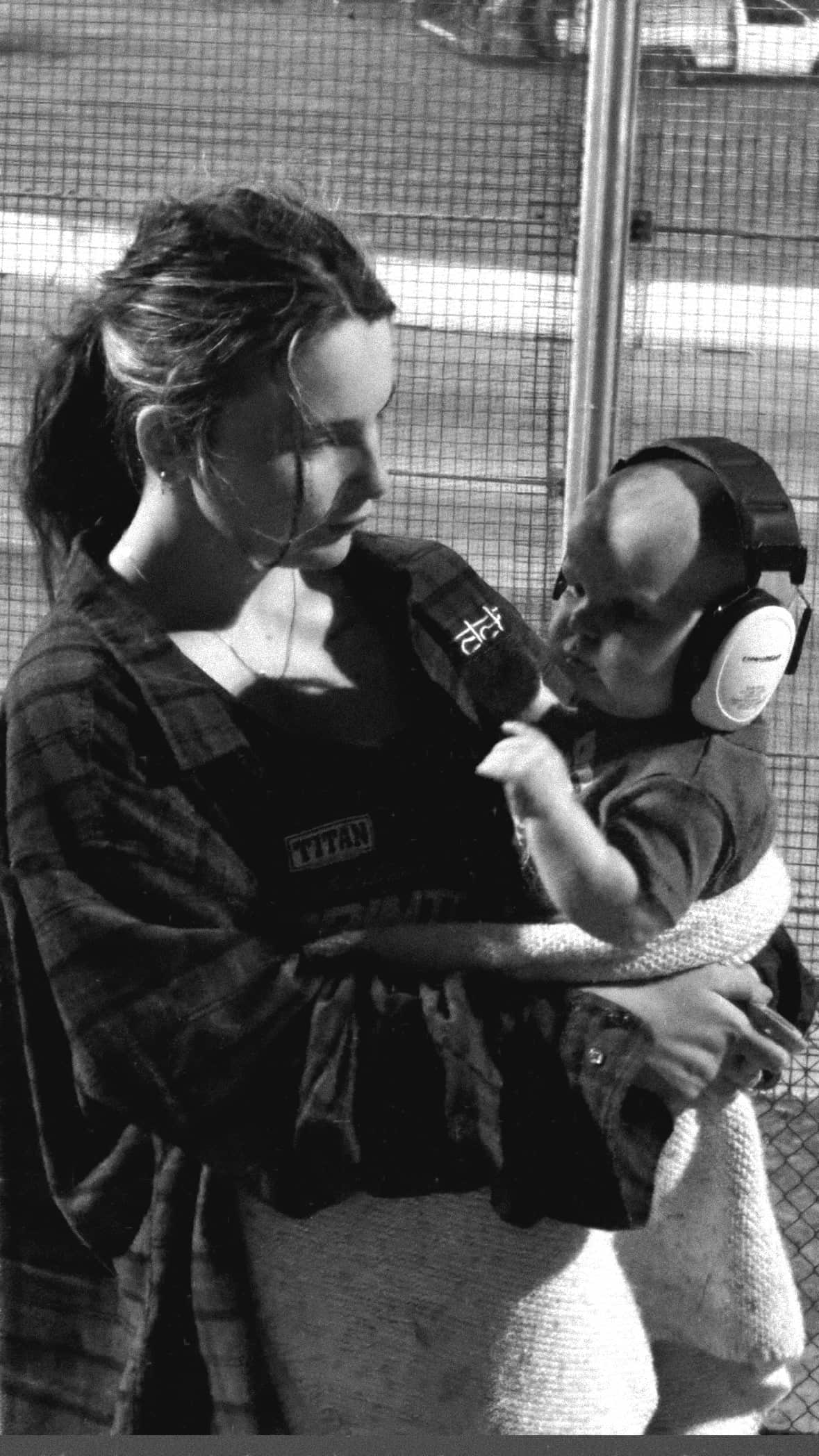
When Dana Douglas was 18 and thinking about her future, she discovered she was pregnant.
What started as severe stomach pain and a period that was 10 days late soon became a life-changing moment when she took a test with her partner.
Your trusted source for staying up-to-date with the world around you. Get free daily news updates and analysis, straight to your inbox.
"When we saw the words 'pregnant' in all honesty we just kept saying 'oh shit' back and forth to each other," she told SBS Insight.
Dana, from Bathurst in country NSW, knew instantly she would keep her baby.
"I felt shocked but never thought of ever getting rid of him."
The following year, while adjusting to life with her son Luke, Dana discovered she was pregnant again at 19. Her second child is due in April.
She says being a teen mum has impacted her life "significantly".
Financially, it's been tough. Dana, her partner and Luke are still living with friends as they search for a home in a tight rental market.
"All your friends that don’t have kids are just out having fun when you are home."
But the overall impact, she says, has been positive.
"I feel like finally I have control of something in my life and have a purpose. I wouldn’t change it for the world."
Aidyn Clements says finding out she was pregnant while age 17 and in Year 12 was "a huge shock".
"It was definitely not something that I imagined would be in my future at such a young age. But I was determined to make it work."
She left school and started working full time to gain some financial security. On her 18th birthday, she and her partner Matt applied for a rental and secured their first home near Burnie, Tasmania.
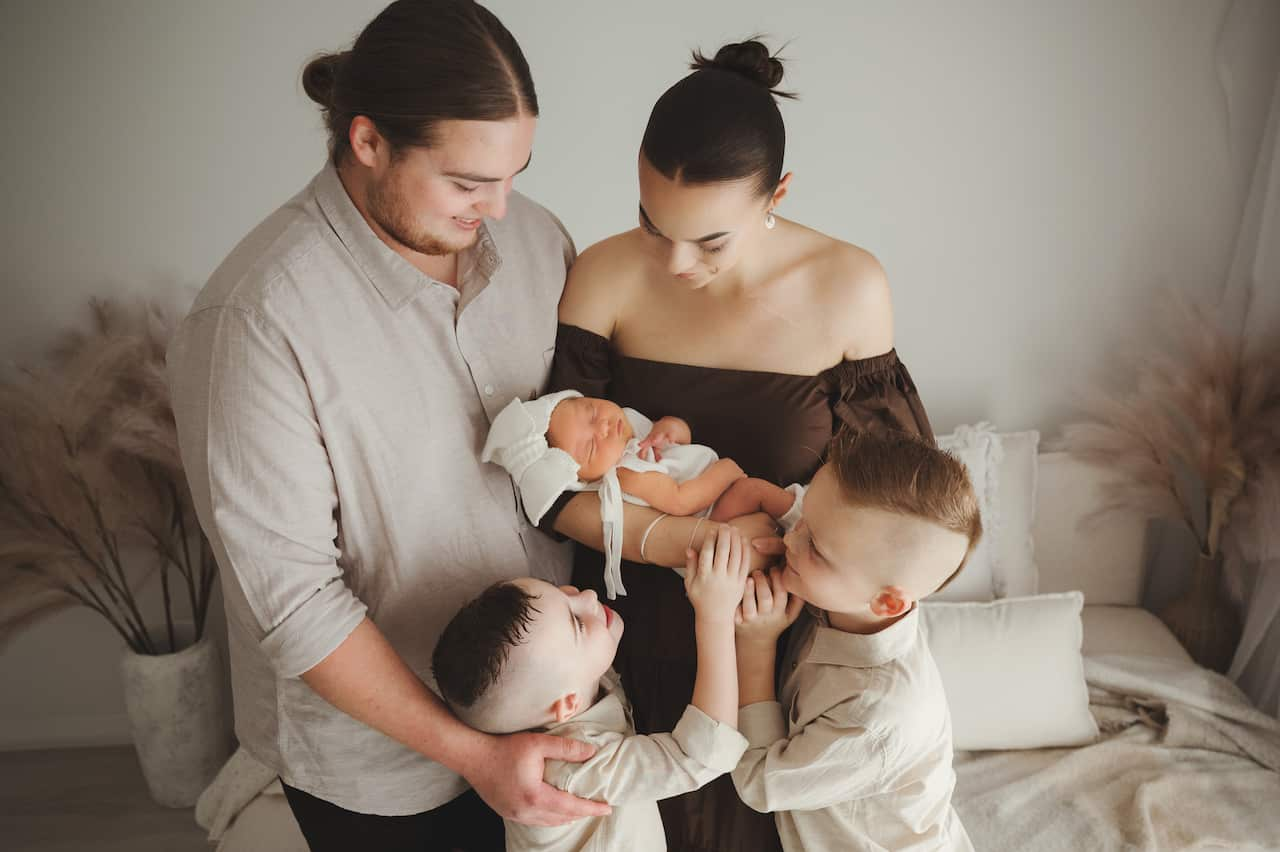
Aidyn fell pregnant again at 19. Now 27, she and Matt have three children together. She says having children young has brought her great pleasure.
"They are definitely the light of our life. To grow up alongside them, I think is really special."
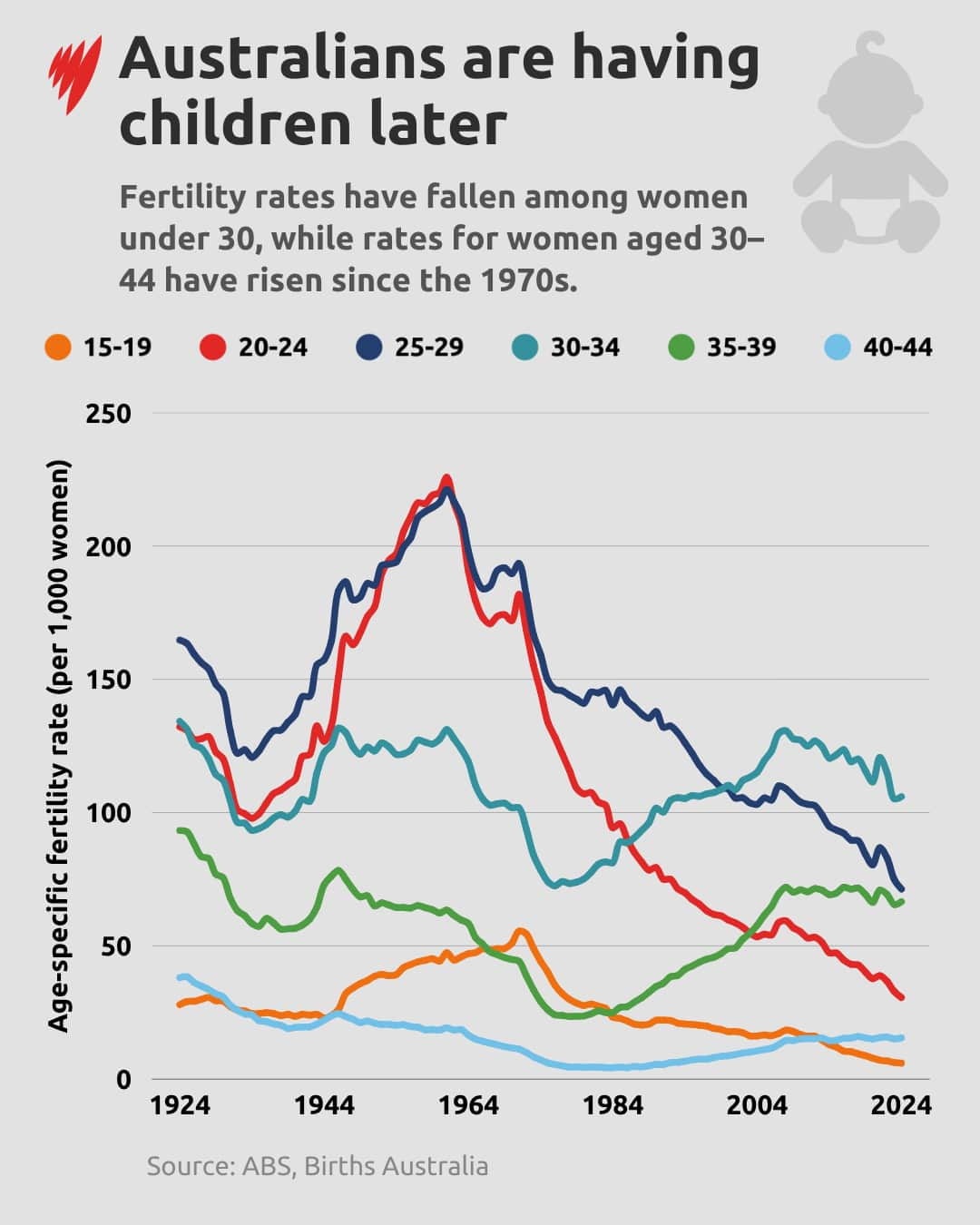
The number of Australian teenagers having children has fallen to a record low, in contrast to a wider trend of women delaying motherhood until their 30s.
Just six babies are now born for every 1,000 women aged 15 to 19, the lowest rate in more than 100 years of Australian Bureau of Statistics records.
Birth rates among Indigenous teens remain significantly higher than among non-Indigenous teens, though they're also falling sharply.
The figure comes as Australia's overall fertility rate continues to decline. The average number of births per woman has fallen to 1.48, down from 1.499 in 2023 and 1.795 a decade ago.
Social worker and lecturer at James Cook University Dr Jemma Hamley says several factors are driving the decline in teen pregnancies.
"Greater reproductive choice and control are likely to be part of the picture, but the broader social context also matters," she told SBS Insight.
"Young people make decisions about contraception and motherhood within the context of their relationships, life circumstances, opportunities and aspirations for the future."
Teenage mothers are unevenly spread across the population.
According to the Australian Institute of Health and Welfare, teen mums are more likely to experience poverty and poorer maternal and infant outcomes than older mothers.
Professor Kitty te Riele at the University of Tasmania says becoming a teen parent can compound existing pressures, mainly due to the cost of having a child and because having a child makes it harder to access work.
"Challenges such as financial insecurity, family violence, insecure housing, mental illness, poor access to transport, and fragmented services compound the struggles teenagers face when they become parents," she told SBS Insight.
Teenage parenthood itself does not determine outcomes, she adds.
Aidyn says while teenage parents face age-related barriers, this doesn't make them less capable.
"Young parents may not have that life experience and financial security, they might be less likely to have a stable home and have a lack of qualifications — but that doesn't mean that they're not capable," she said.
In fact, she says she found being a teen mum a "motivator" to achieve financial security.
"I worked as much as I could and we saved as much as we could. When we were 19, we purchased land and built a home. So even though it's a barrier to overcome, I was motivated by the fact that I wanted to build a safe and loving home for our family."
Te Riele says many young parents display remarkable resilience and ambition.
"They often have strength beyond their years and high aspirations for themselves and their child. Parenting can be a source of purpose, motivation and personal growth."
But there's one universal barrier that teenage mums face: stigma.
A 2017 Australian Human Rights Commission report found 57 per cent of young mothers surveyed said they had been treated differently because of their age, facing prejudice from service providers, family and friends, and in public.
Te Riele says stigma may be intensifying as teenage parenthood becomes less common.
"When teen parents stand out much more as being unusual this may feed views that teenagers ought not to be parents."
Catherine Cooney, acting chief executive of Brave Foundation, which supports young parents,
says those assumptions can have lasting consequences.
"Stigma can make it harder for young parents to pursue their goals or reach out for support, particularly during the perinatal period."
Dana says she's experienced judgement for having two babies so young.
"They have judged more since I found out about my second because of how close in age they’d be, and because a lot of people have been trying to have a say in how I parent."
Aidyn says the pressure to prove herself as a capable parent left her reluctant to engage with health services. Becoming a mother again in her mid-20s has highlighted the difference, she adds.
"Now that I'm older and I'm parenting a baby again, I don't feel that pressure to prove myself."
Chelsea Taylor from Adelaide had her daughter at 17. Now 22, she has two children, with a third on the way.
For her, the judgement hasn't ended as she's grown older.
"Even after becoming an adult, having a job, my kids growing up and nearly welcoming my third child, I still get the comment, 'You don't look old enough to have kids'."
She says being labelled a teen mum has become part of her identity.
"I will forever be known as the girl who was pregnant at my high school."
Experts say young parents thrive when they are listened to, respected and supported in ways that strengthen their own agency.
"When young parents are listened to, respected and have consistent support around them, they are well placed to build on their strengths and create the future they want for themselves and their children," Cooney says.
For Aidyn, becoming a mother young changed the course of her life, but not her ambitions.
"If I didn't have children so young I'm sure my life would be vastly different to what it is now, but I haven't let having children young stop me from any of my aspirations."
Chelsea agrees becoming a mother young never prevented her reaching her goals.
"I am 22, I own a home, I have nearly finished my degree and am about to welcome my third child. Just because starting my parenting journey was earlier than society agreed with, it has never limited me."
Experts say while we view young motherhood through the lens of risk, we overlook the strengths and resilience of young parents — and the maturity and life skills they develop as a result.
Hamley from James Cook University says her own research has shown her that many women who became mothers as teenagers found their lives enriched.
"Many challenged the idea that becoming a mother young had ruined their lives. They could acknowledge genuine difficulties while also reflecting positively on motherhood and the lives they had built."
Dana says there are huge benefits to becoming a mother young.
"You can run around with them and do all the fun things — I can take it in more," she says.
"And I'll be around to love them for longer."
Insight is Australia's leading forum for debate and powerful first-person stories offering a unique perspective on the way we live. Read more about Insight
Have a story or comment? Contact Us