
This audio is voiced by AI and may occasionally mispronounce words.
Share your feedback and help us improve this feature. Read more about how we use AI at SBS here.
For the first Punjabi Sikh families who settled in Woolgoolga, Diwali was a reminder of home, of the traditions, language and familiar rituals they had left behind in India.
Far from their families and the celebrations they had grown up with, they marked the festival of lights , which celebrates the triumph of good over evil, quietly in their homes. There were no community gatherings or public festivities, just families finding small ways to keep a piece of home alive in a new country.
Deesha Maan was among the children who grew up between these two worlds.
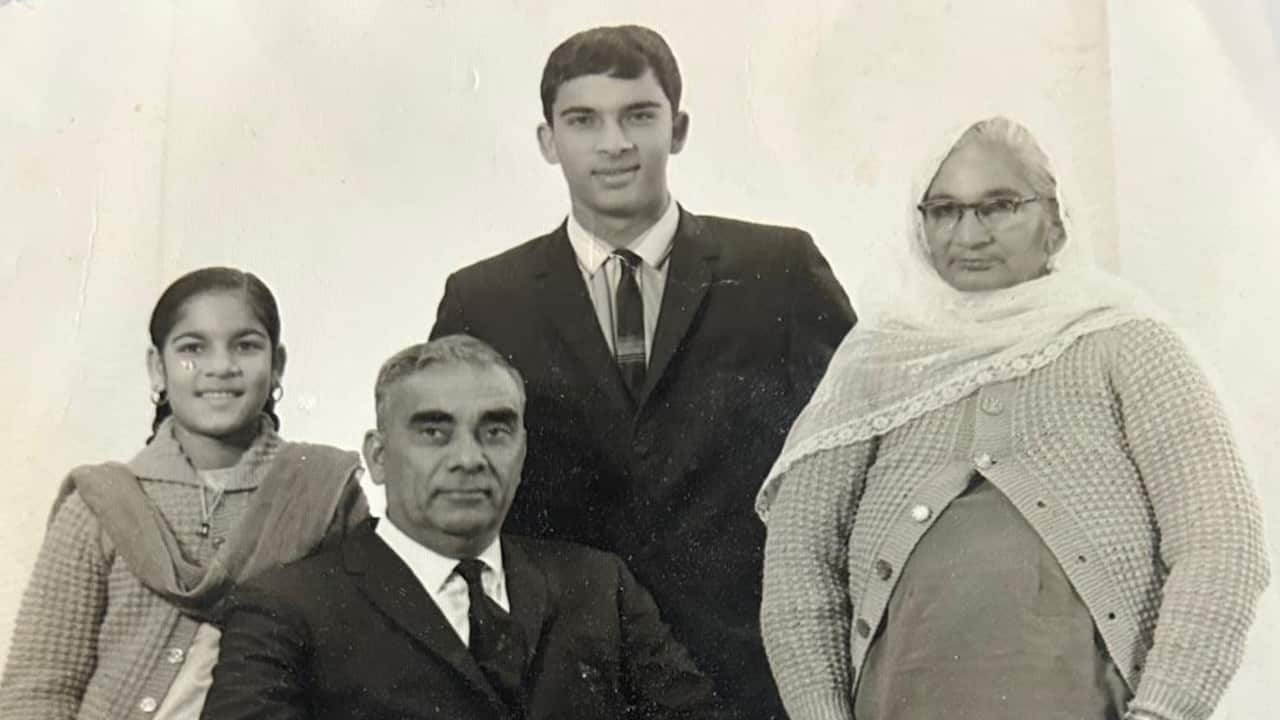
Just seven when she arrived in Woolgoolga in 1964, Maan remembers trading a childhood in a three-storey house in Punjab, northern India, for a life on the gravel roads and banana farms of a small coastal town, 550km north of Sydney, where she struggled to understand the language around her.
Your trusted source for staying up-to-date with the world around you. Get free daily news updates and analysis, straight to your inbox.
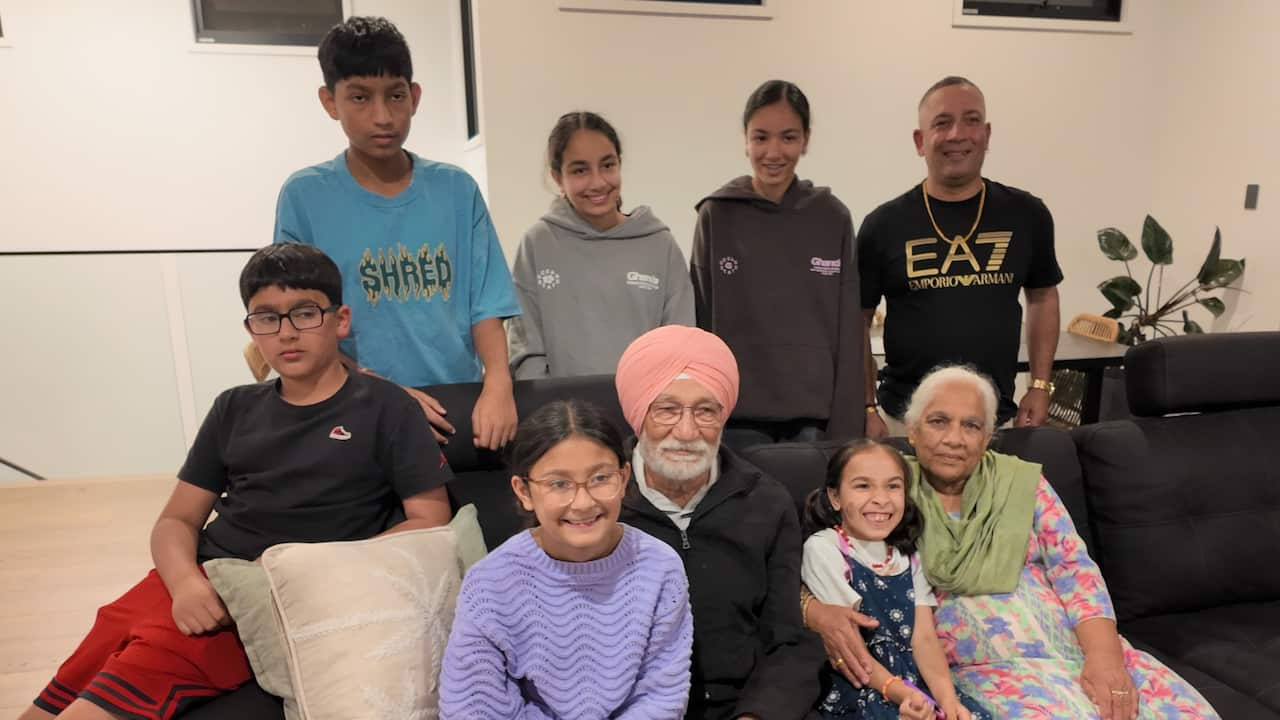
More than six decades later, Woolgoolga is home to generations of Maan's family, and the festivals once celebrated behind closed doors have become occasions for the wider community to come together.
For the town's Sikh community, Diwali is also observed as Bandi Chhor Divas, commemorating the release of the sixth Sikh Guru, Guru Hargobind Sahib Ji, who had been imprisoned because of his faith. When Mughal emperor Jahangir granted Guru permission to leave prison, he refused to go unless the other prisoners were freed too.
The evolution of these celebrations reflects a broader story of Punjabi Sikh migration to Australia , and the generations who have built lives here while keeping their cultural and religious traditions alive.
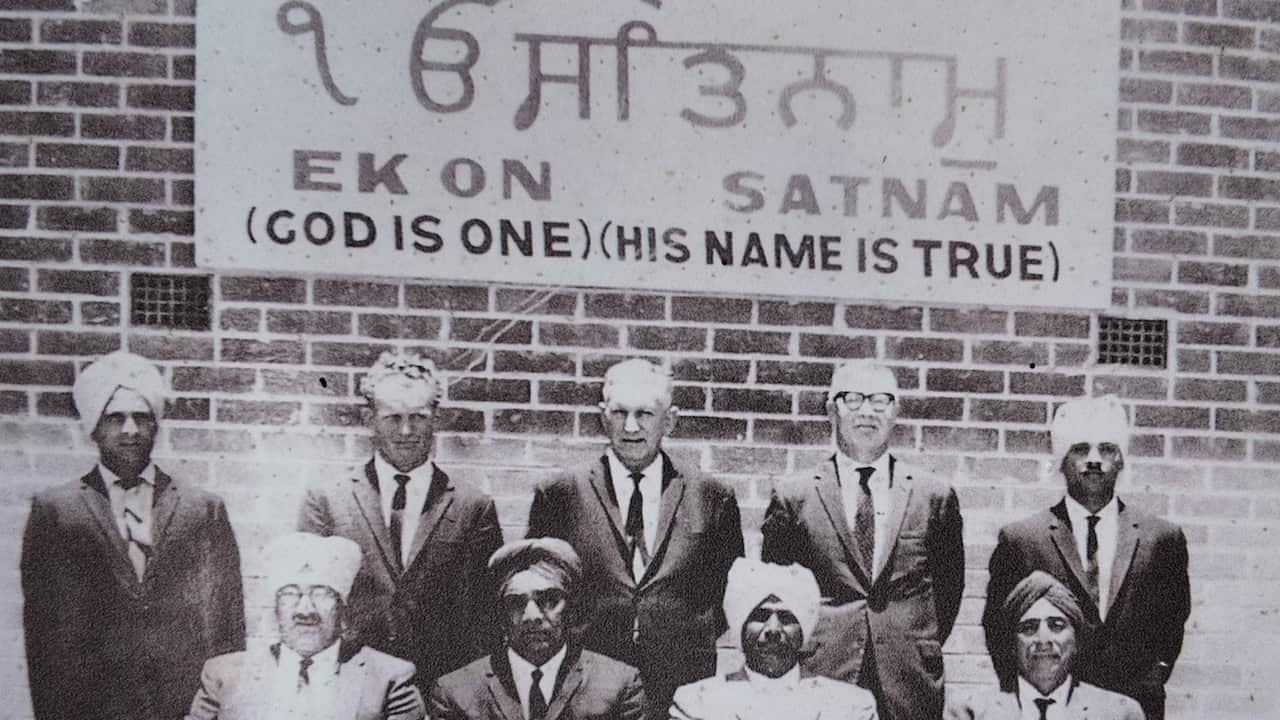
Woopie, as locals fondly call the town, is home to Australia's first Sikh gurdwara, a place of worship. Opened in June 1968, the gurdwara on Hastings Street is now listed on the NSW State Heritage Register, recognising its significance to the history of Sikh settlement in Australia.
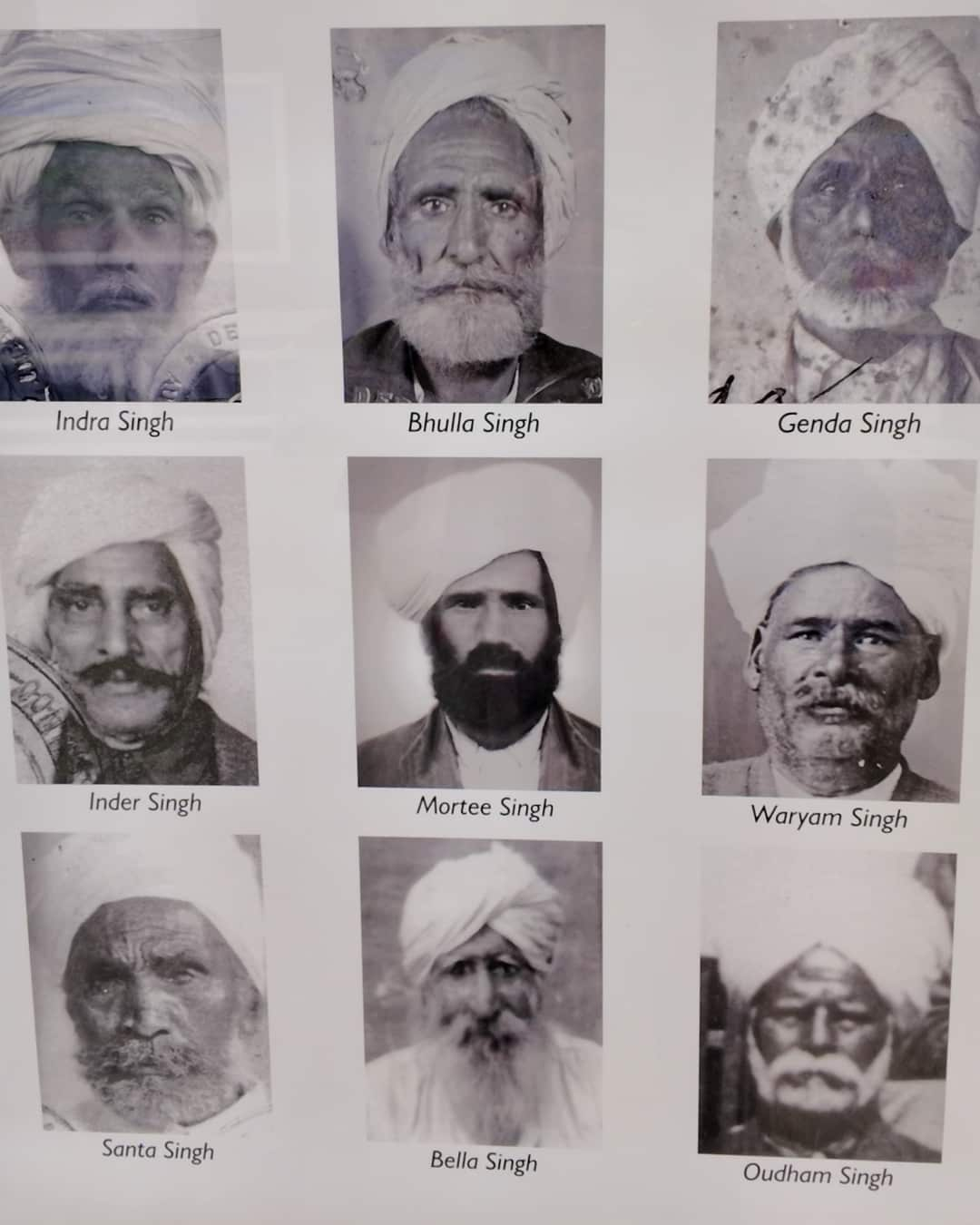
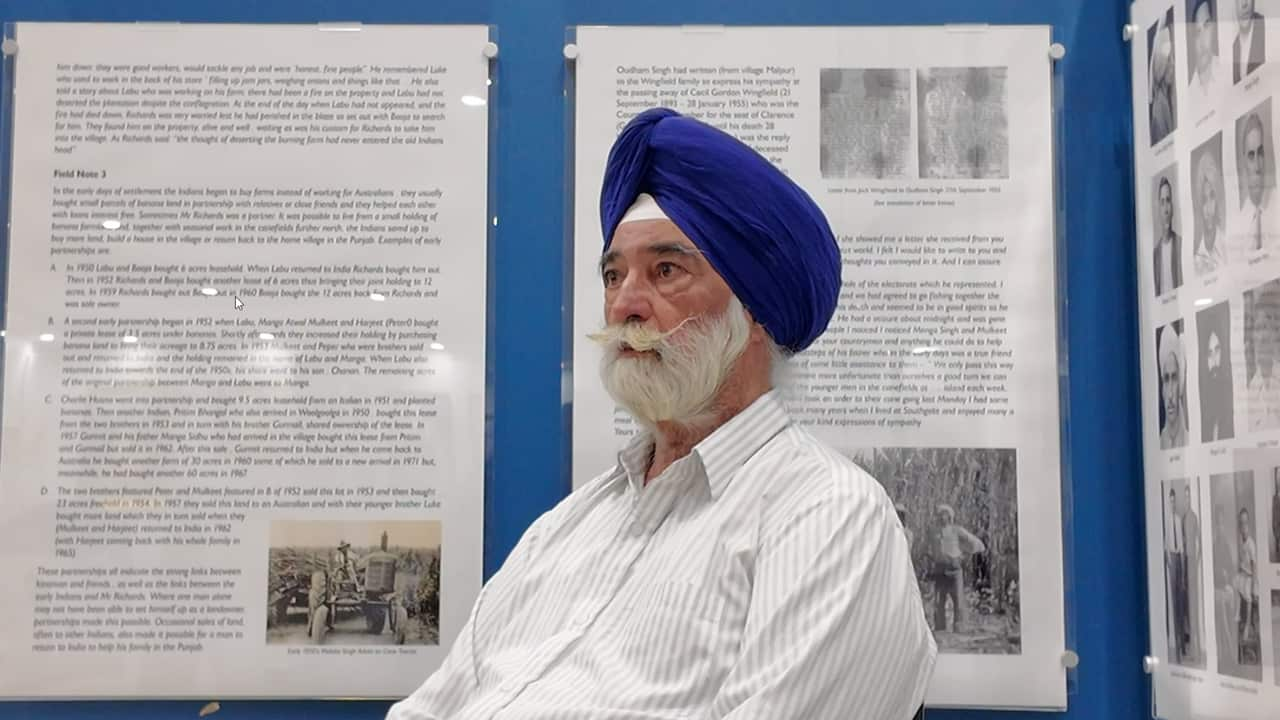
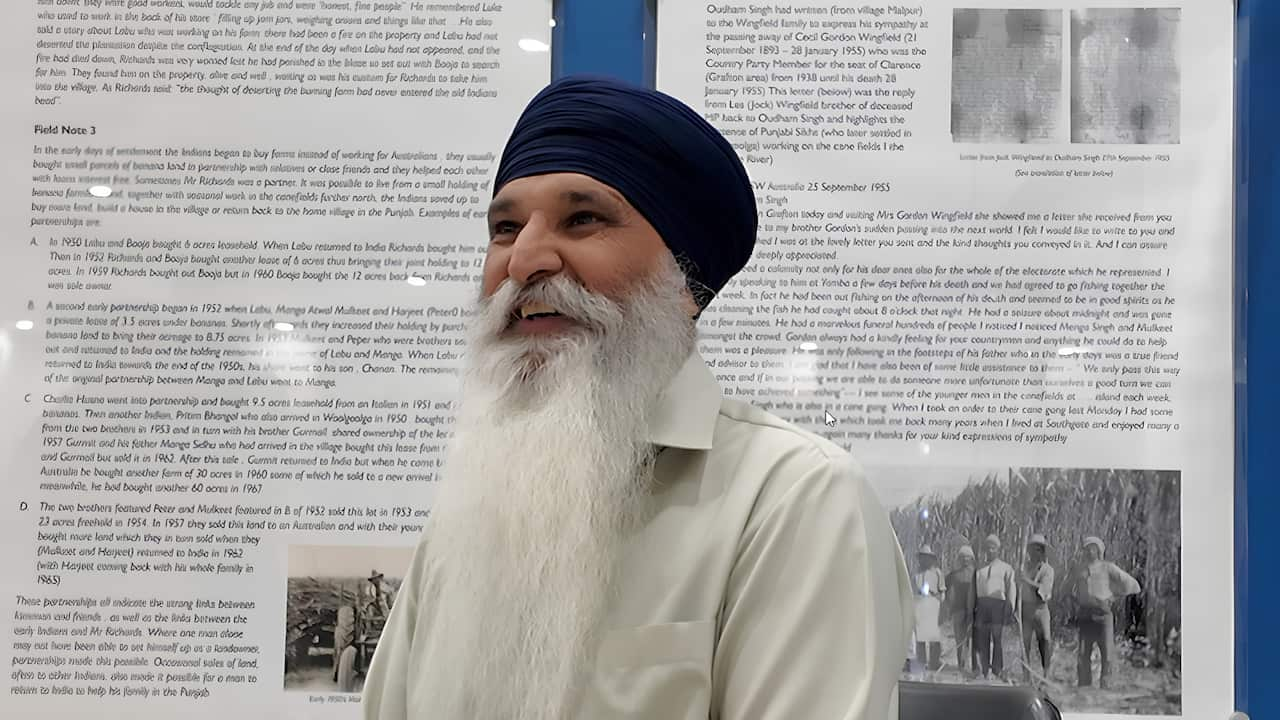
The town's local museum traces the community's history to six pioneering Punjabi Sikh families who established themselves by the early 1950s, after Punjabi migrants arrived in the 1940s.
Some early settlers travelled on British passports, reflecting their status as British subjects under India's colonial system.
The community grew over subsequent decades, with many early migrants initially working as labourers on banana farms before moving into farming themselves.
The 2021 Census recorded 6,151 people living in Woolgoolga, of whom 1,059 identified Sikhism as their religion — over 17 per cent of the population. At least 1,000 residents reported speaking Punjabi at home.
A local road has also been named after Arkan, the surname of one of Woolgoolga's pioneering Sikh families, who went on to establish the region's second gurdwara.
Maan says the two gurdwaras in Woolgoolga serve not only the Sikh community but also welcome people from other cultural and religious backgrounds. This spirit of inclusiveness dates back to the establishment of the first gurdwara, whose inaugural management committee included three non-Sikh members of European heritage.
"We were in fact encouraged by the Australians of European backgrounds to build this first gurdwara premises," Maan says.
As the news of the first-ever gurdwara in Australia spread, the Sikhs from other parts of the country began visiting Woolgoolga. Some, like Bhupinder Singh Lally, eventually decided to settle there.
"I remember visiting the gurdwara for the first time with my father on Christmas Day in 1968," Lally tells SBS Punjabi, recalling a moment that brought together his family's Sikh heritage and their growing connection to Australia.
Lally's grandfather and father had worked and lived in Gordonvale, Queensland. His own sons now run blueberry farms in Woolgoolga, reflecting the changing generations and agricultural livelihoods within the community. He says when his family first arrived, Indian migrants had limited opportunities to own land, making the transition from farm labour to farm ownership a significant step for many.
Despite working alongside people from different backgrounds, social acceptance took time. Lally says over time, Woolgoolga's Sikh community became a visible part of local life, with festivals such as Diwali and Bandi Chhor Divas gaining wider recognition.
"Until then, we used to celebrate important events by praying under the tents," Lally says.
"Now, Diwali celebrations are at a much larger scale. Hindus, Nepali, Punjabis, we all celebrate together."
But what makes these occasions particularly special, Lally says, is the way Punjabi traditions have blended with the Australian way of life.
It is a sentiment echoed by others in the community.
For Satpal Singh, a member of one of the pioneering Sikh families in Woolgoolga, the growth of these celebrations is also a reflection of how the community has held on to its cultural roots across generations.
"Woolgoolga is a bit time-locked in that sense that the Punjab our ancestors brought with them, we still carry it forward," he tells SBS Punjabi.
He has witnessed Diwali evolve from a festival barely acknowledged in the region to now being introduced to children at local schools.
Yet for him, preserving one's heritage has never meant being any less Australian.
This story was produced in collaboration with SBS Punjabi .