
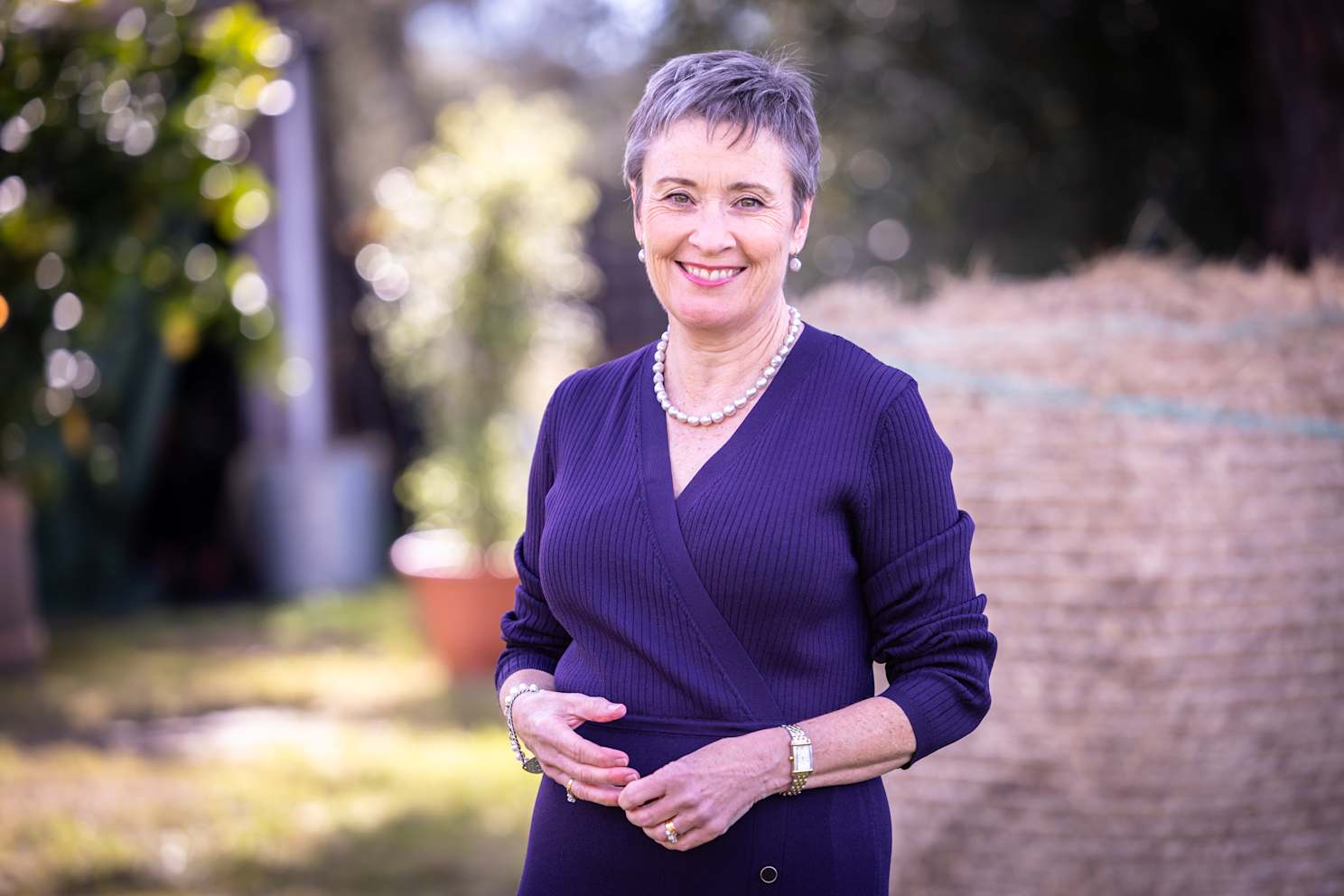

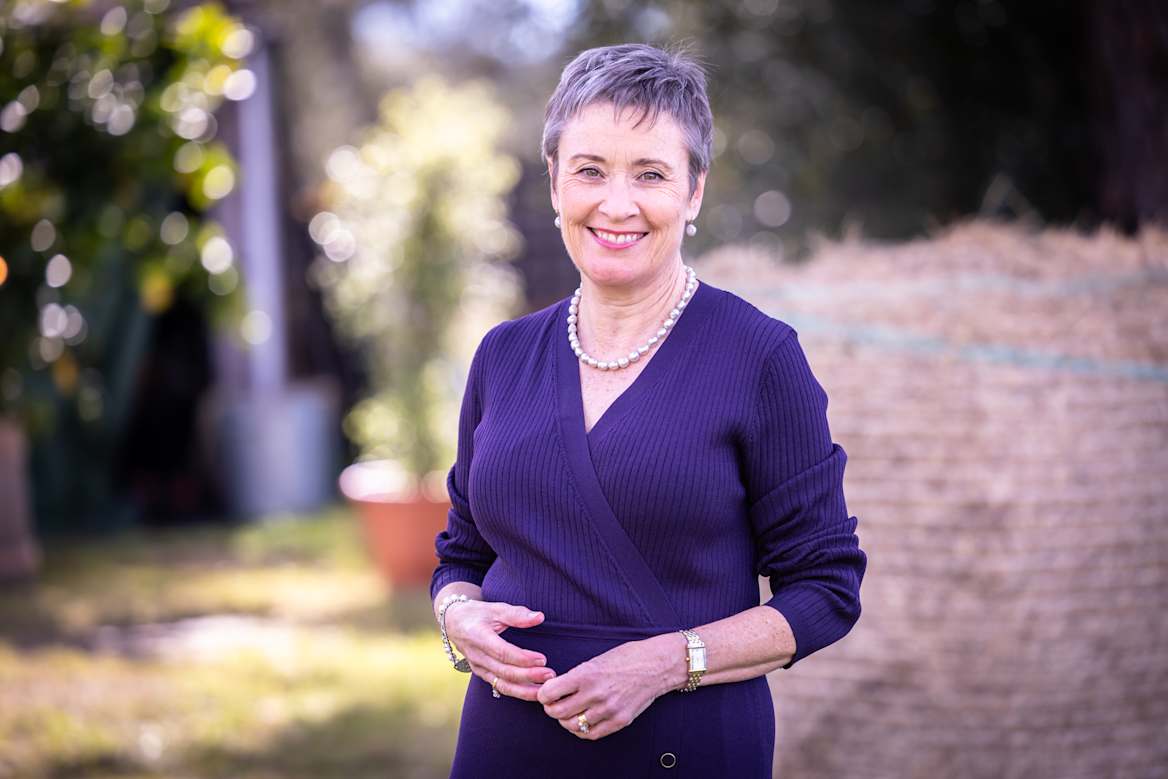
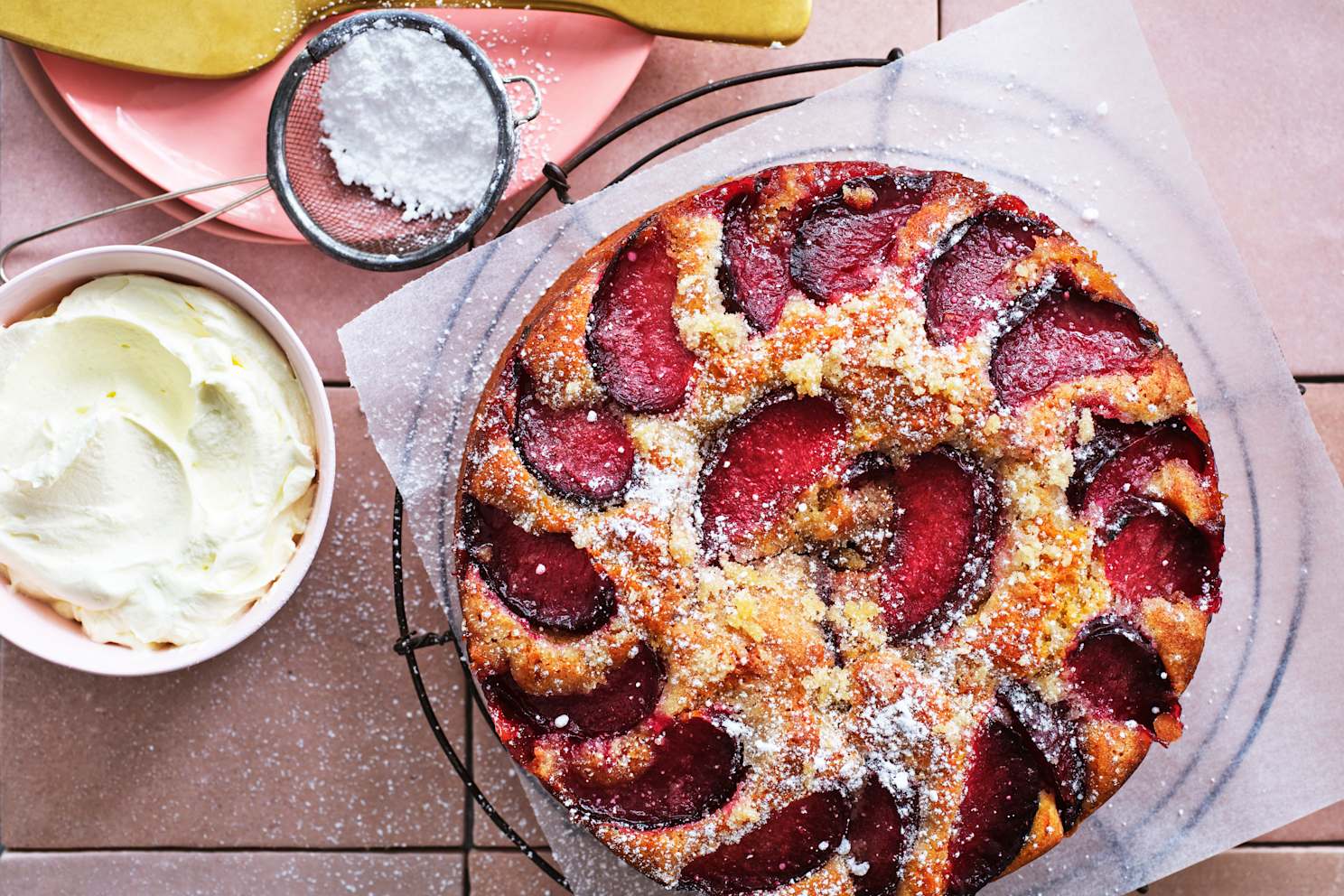
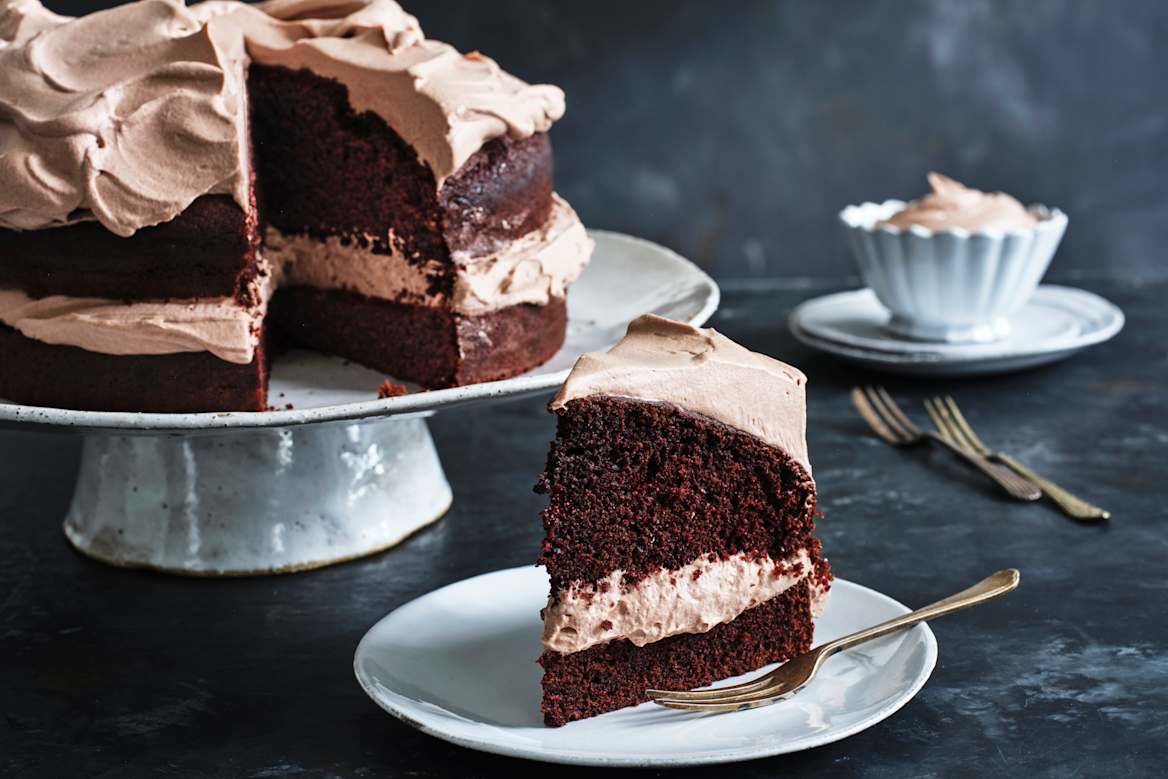
Ellice Schrader can’t seem to go anywhere without having a cake “shoved under her nose”. Friends will call or send her photos of sunken sponges or misshapen scones, asking what went wrong.
This is what happens when you’re a veteran country show judge and Cessnock Country Women’s Association member. It’s a job she now does on television as co-host of ABC’s new cooking show Recipe of the Year , alongside cookbook author and presenter (and Good Food columnist) Adam Liaw , and actress Pia Miranda.
Schrader joined Instagram just before the first episode aired last month, and has already gone viral: a clip of her judging at the Bungendore Show has racked up 3.8 million views in a week. Her verdict on a lopsided coffee cake was blunt. “The presentation was poor, and she had the wrong icing. But the cake itself was really, really good,” Schrader says. It ended up in second place.
Schrader has been winning agricultural show cooking competitions for the past 40 years, and has judged for the past eight years, including at Sydney Royal contests. Her advice is aimed at show bakers, but if you’re a type A baker who strives for perfection, it works just as well at home.
The best recipes from Australia's leading chefs straight to your inbox.
Most home cooks bake their cakes in a springform pan, a two-piece baking tin with a removable base, held together by a spring-action latch. But Schrader says this particular piece of kitchen equipment is built for cheesecakes and fragile cakes that can’t be turned upside down. “You can use a springform tin to make a cake with a crumble, where you don’t want to lose the top, but it’s not a cake tin,” she says. “I’m just amazed at how many people who have one in their kitchen and don’t have a round tin”.
The biggest risk is the batter leaching from the sides, but there can be other issues. The tin’s design, thick and dark metal with a groove around the base, can produce a cake with dry or flared edges and leave a gutter or indentation mark. “When [show judges] look at a cake, they want to see a really nice bottom and sides. It’s all part of the presentation,” says Schrader. If you’re worried your cake will stick to a traditional round cake tin, Schrader has a few tips that might help.
If the coffee cake incident taught us anything, it’s that nobody likes a wrinkly bottom. The main culprit is baking paper. Your friends and family are unlikely to mark you down for it, but if you’ve reached the end of the roll, there is an alternative. “For me personally, I spray my tins with canola oil (not too heavy) then I put them in the freezer,” says Schrader. This stops the oil from sliding down the sides. A combination of oil or butter and a light sprinkle of flour also works, creating a barrier between batter and tin. To avoid rack lines, Schrader turns her cakes out onto a tea towel.
A domed, cracked top is one of the most common baking mistakes that Schrader sees. “If your cake looks volcanic, then your oven is probably too hot,” she says. This occurs when the edges set before the middle has finished rising. “I don’t care that the cake says to cook it at 180 [degrees], I personally cook all my butter cakes at 170 because that gives it a beautiful top.”
A dome can also mean you’ve used the wrong-sized tin. “It’s like a size 14 trying to fit into a size eight. It’s got to go somewhere, and it’s usually up.” If your pan is too small, Schrader suggests spooning a couple of tablespoons of batter into a muffin tin or patty pan and baking it separately.
As for a lopsided cake, like the Bungendore offender, Schrader says it could have been caused by a hotspot in the oven, although she suspects the baker accidentally set the oven racks on a slant.
You have reached your maximum number of saved items.
Remove items from your saved list to add more.
You've used all of your gift articles. 3 more will become available on the 1st of every month.