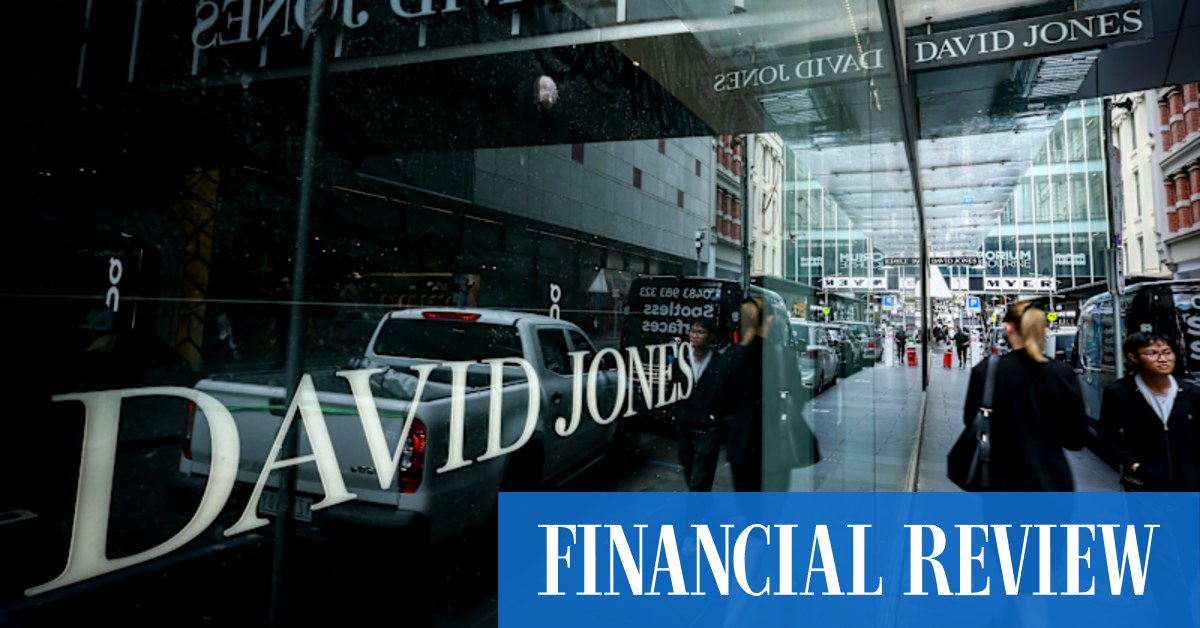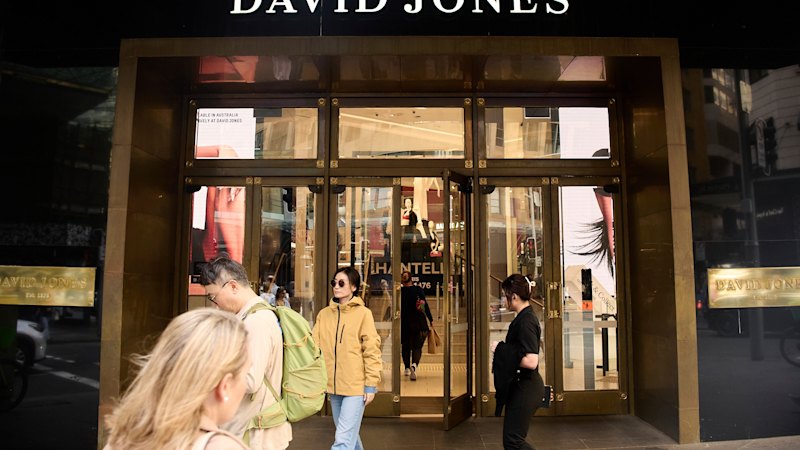
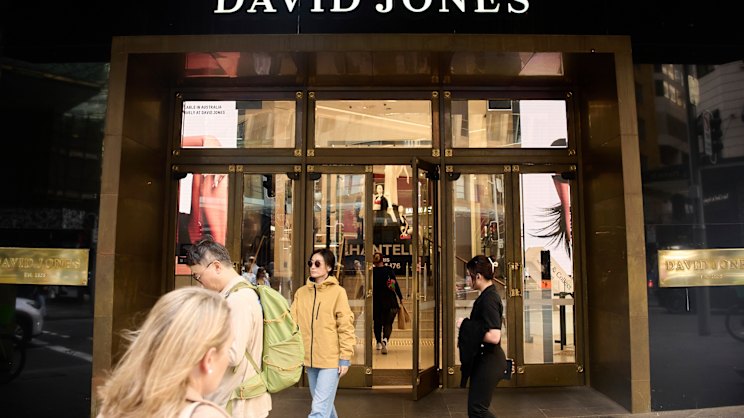
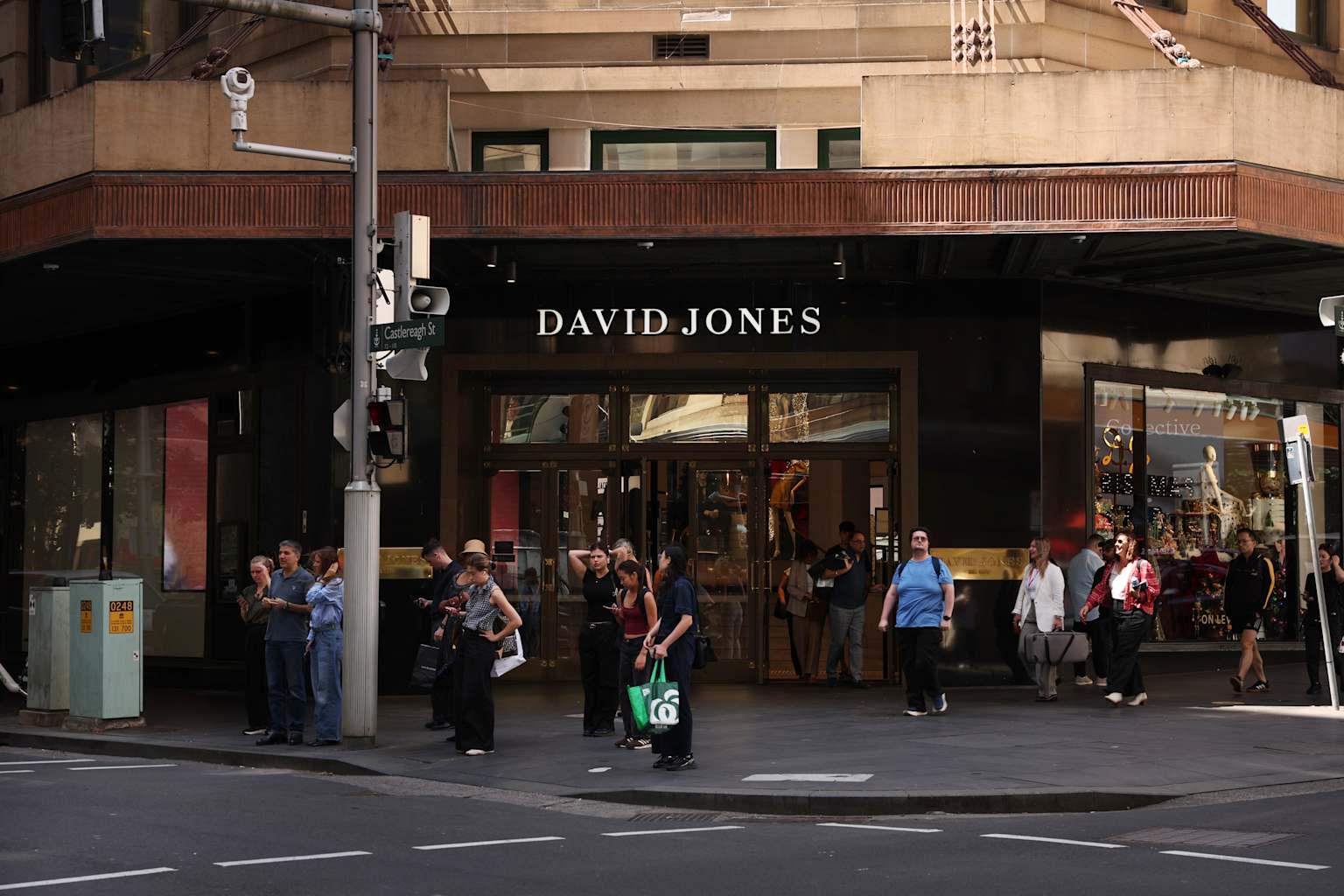
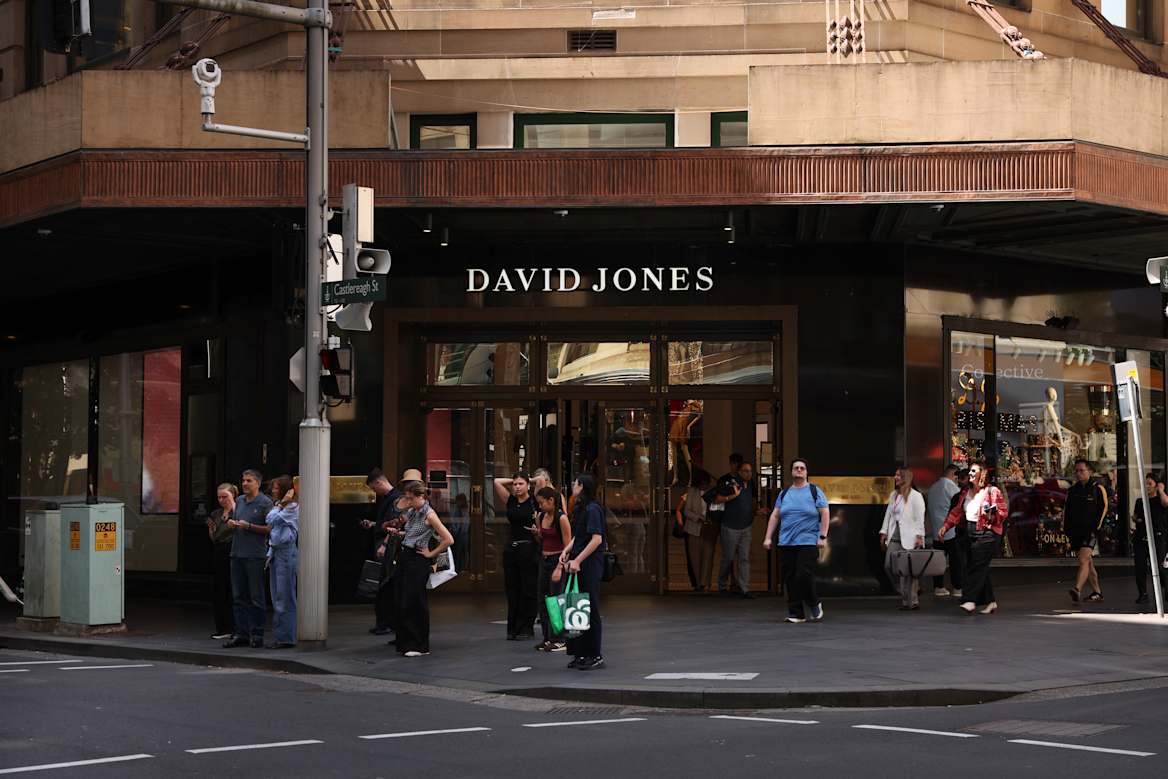
After 188 years of operation, the final nail in the coffin that hammered David Jones into collapse was a month of late rent.
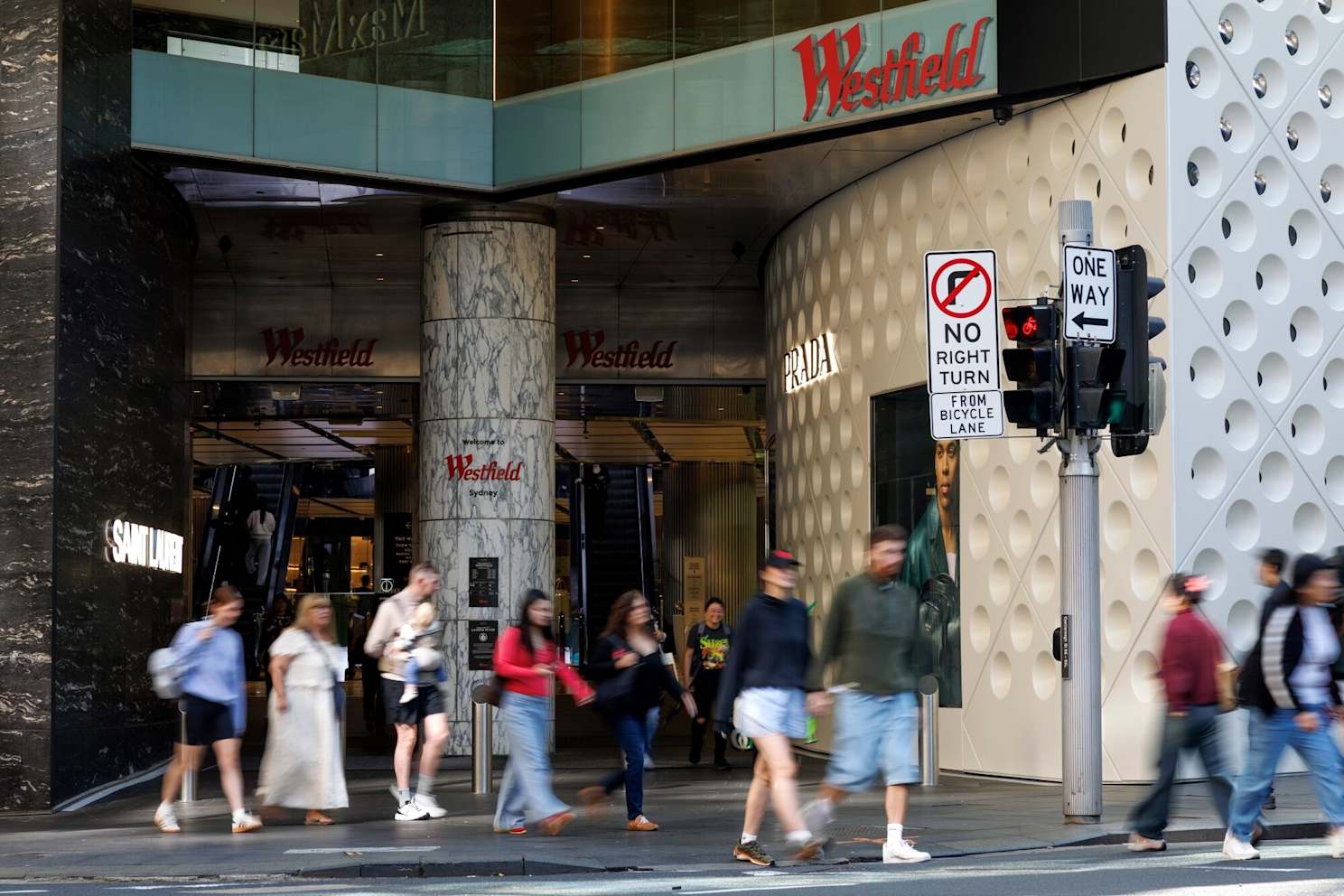
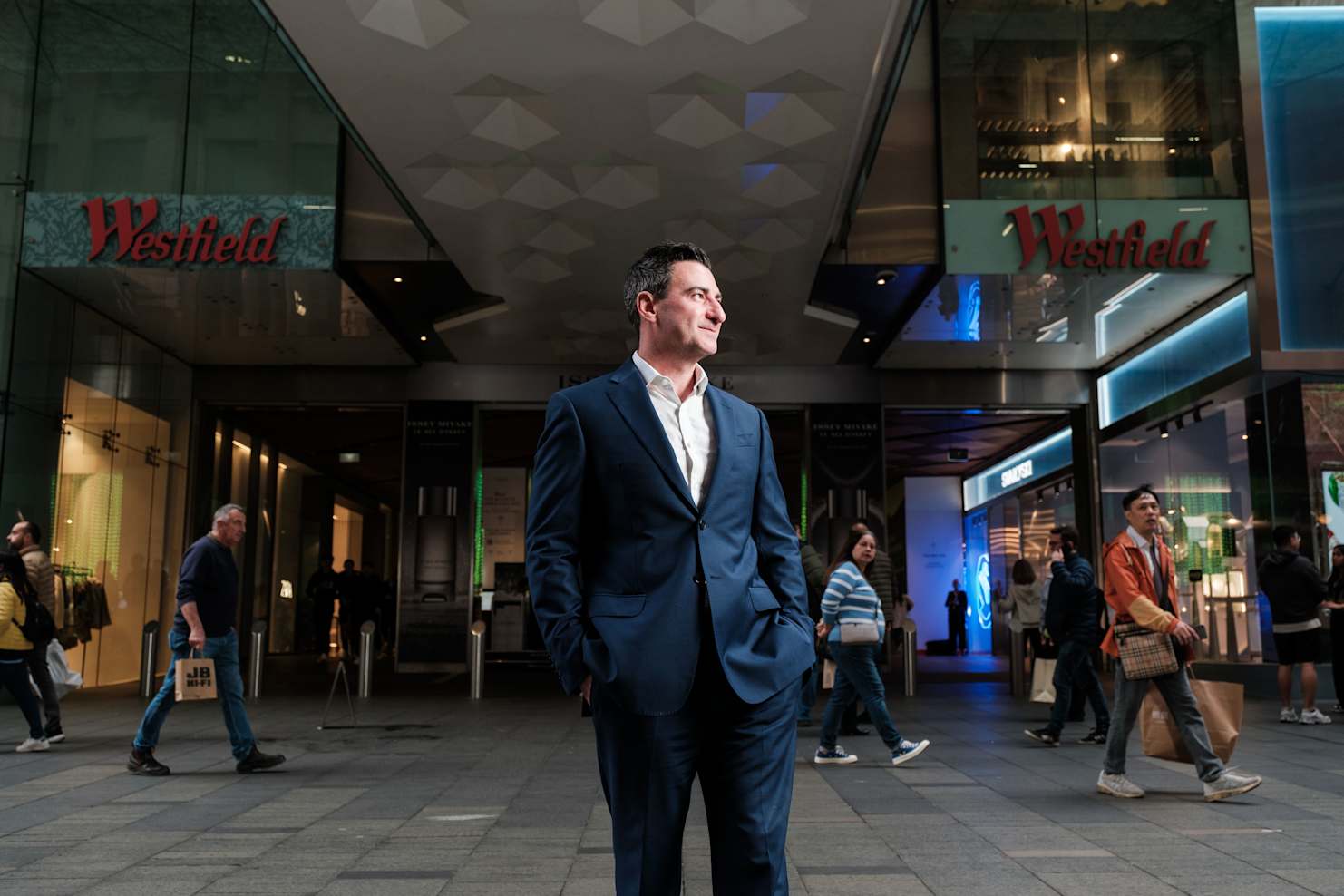
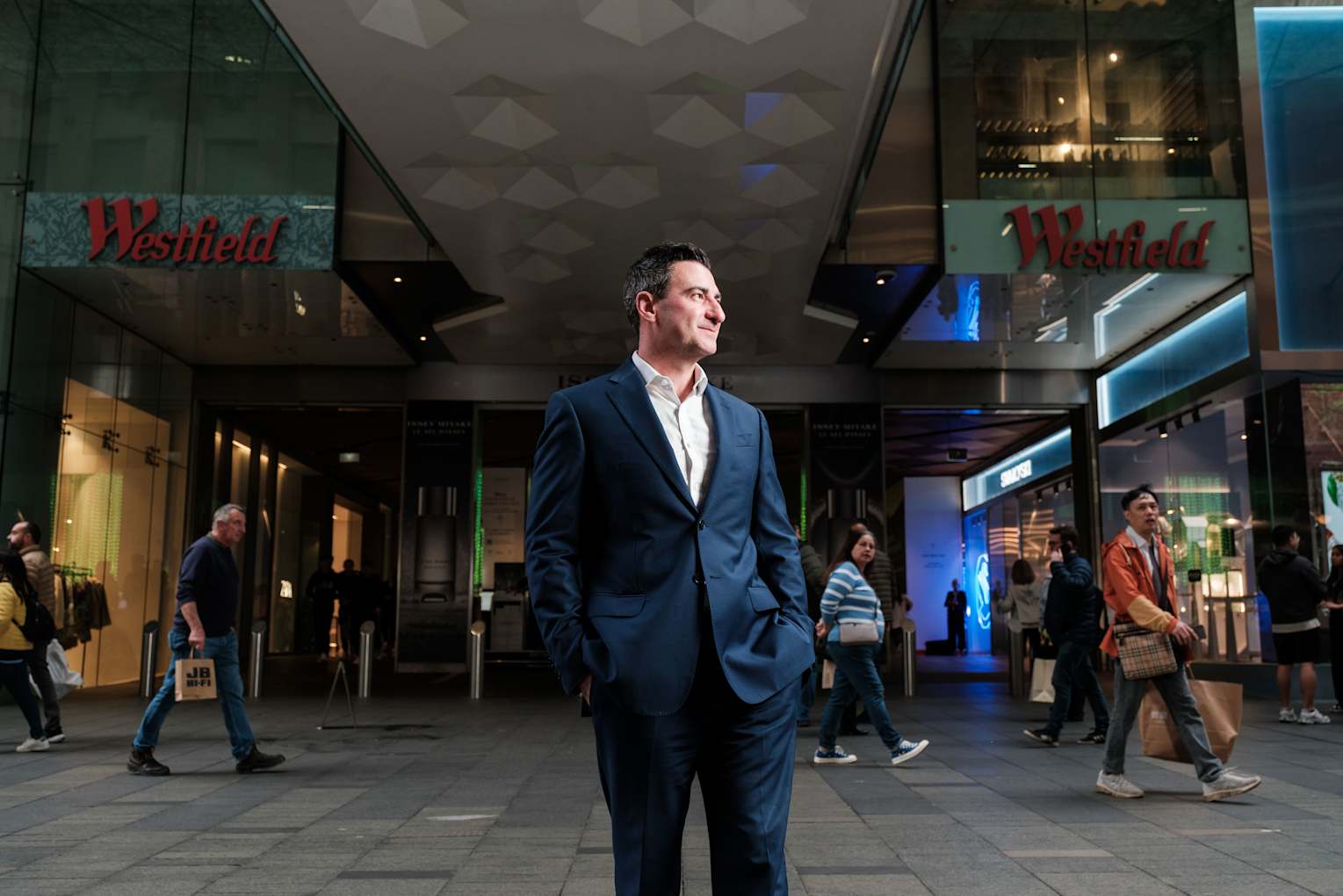
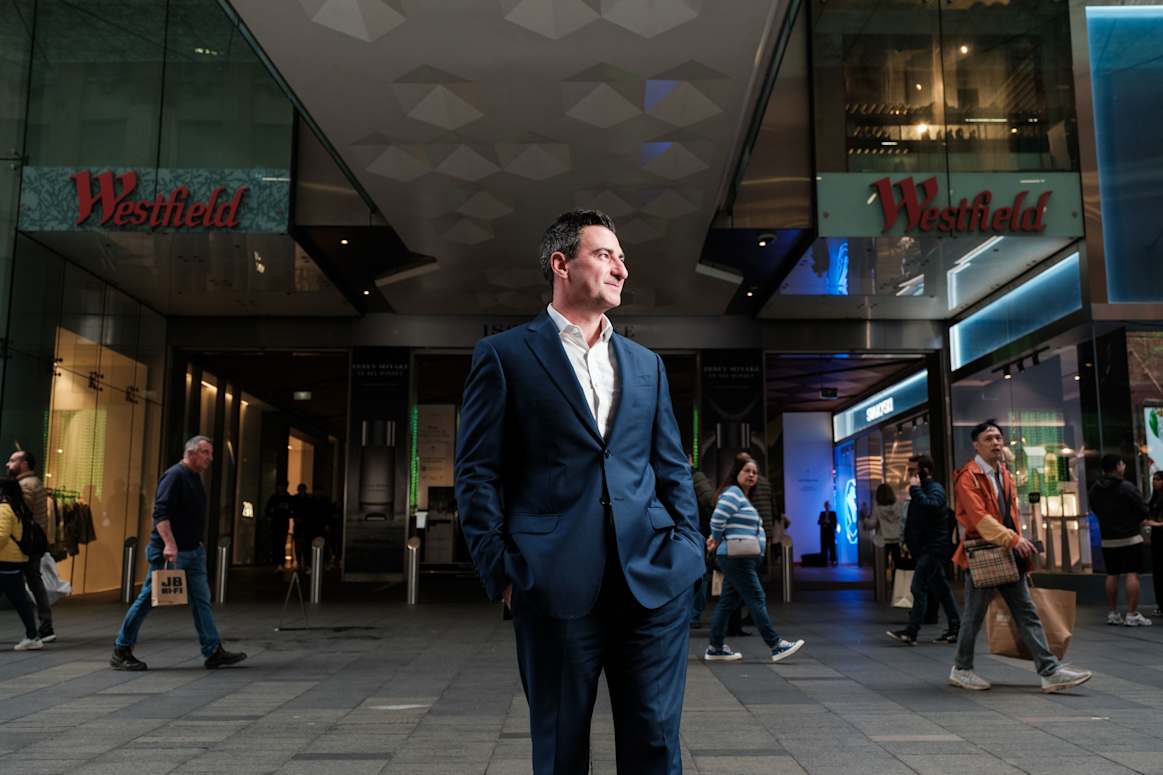
Last Friday, in a meeting room on the 30th level of Westfield Sydney, and directly across the road from David Jones’ Elizabeth Street flagship, representatives from Westfield operator Scentre Group and David Jones sat down for a meeting that would be their last as a group.
The meeting was brief. By this point, David Jones’ board of directors had held several weeks of talks with its biggest landlords about the terms of a restructuring deal that would save the department store chain from rapidly running out of cash.
Everyone was in agreement that the incredibly unprofitable network of 38 stores drastically needed to downsize. Chief executive Erica Berchtold had put together a plan that proposed keeping 12 stores, negotiating the terms for seven stores, and exiting 19. Gnarly details to be hashed out included rental holidays and $74 million in bank guarantees, a safety net for landlords to get a cheque from the bank in case a tenant falls into arrears. Scentre Group alone holds $30 million in this way, funds that Berchtold wanted to unlock.
Those talks continued, but became increasingly fractured. David Jones fell behind on rent for the month, a sum of about $5 million.
Scentre had proposed a deal that offered to defer rent for November, December and January, and to reduce future lease commitments by closing stores across 2027, but wanted October’s rent paid in 2027. David Jones’ directors tried to leverage its unpaid rent as part of a broader restructuring deal.
But Scentre wanted the outstanding rent paid as a gesture of good faith before discussing the other terms.
“At the end of the day, the sticking point was: the company was behind in rent,” said a source close to negotiations but not authorised to speak publicly. “[Scentre] wanted outstanding rent to be paid to continue with negotiations.”
After the meeting, the directors of David Jones put forward a final proposal that offered to pay the rent if it could secure a commitment on the broader restructure – a rent holiday, a release of bank guarantees, and store closures.
But on Sunday November 1, David Jones missed another rent deadline. By Wednesday, Scentre had learned David Jones had paid other landlords. Scentre took it as a rejection of its proposal. The talks ended there.
That day, Scentre issued a statement to the ASX that revealed David Jones was already paying much less rent than other retailers – $352 per square metre compared to an average of $942 per square metre for all stores in its portfolio – and that David Jones had not paid rent after September.
The rest of the drama played out in the media. “We have made a generous offer to Anchorage Capital Partners that would have facilitated the continuation of David Jones trading,” Scentre Group chief executive Elliott Rusanow said in a statement. “That offer has disappointingly been rejected by them.”
On Wednesday evening, Berchtold, Anchorage Capital executive chairman Phillip Cave, and managing Partner Simon Woodhouse held a board meeting.
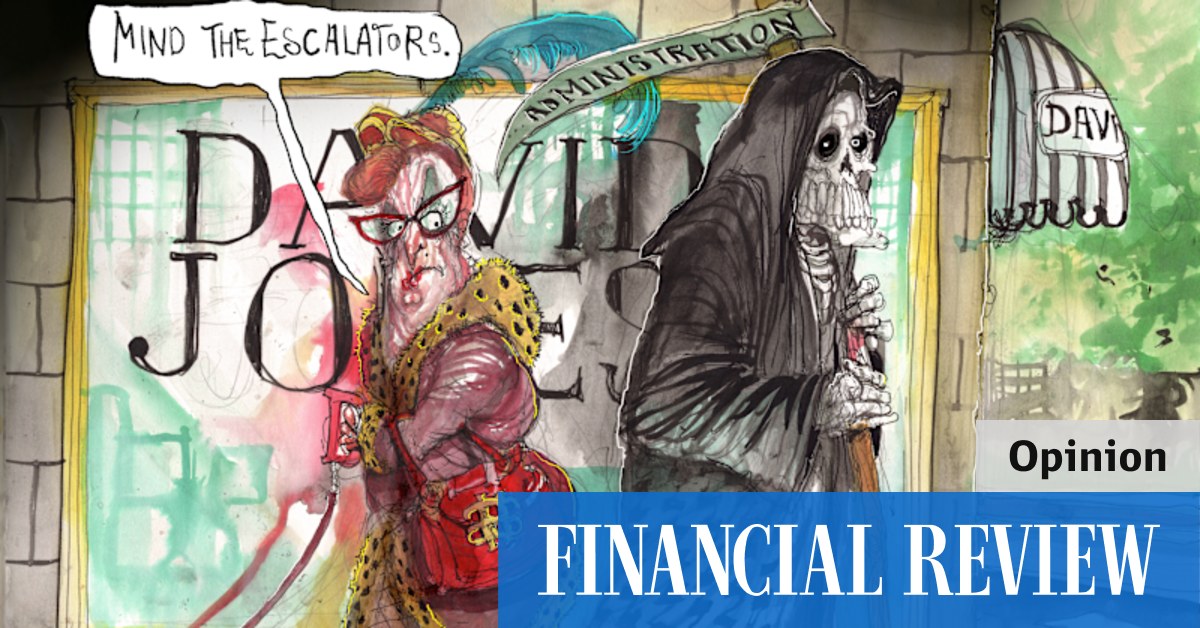
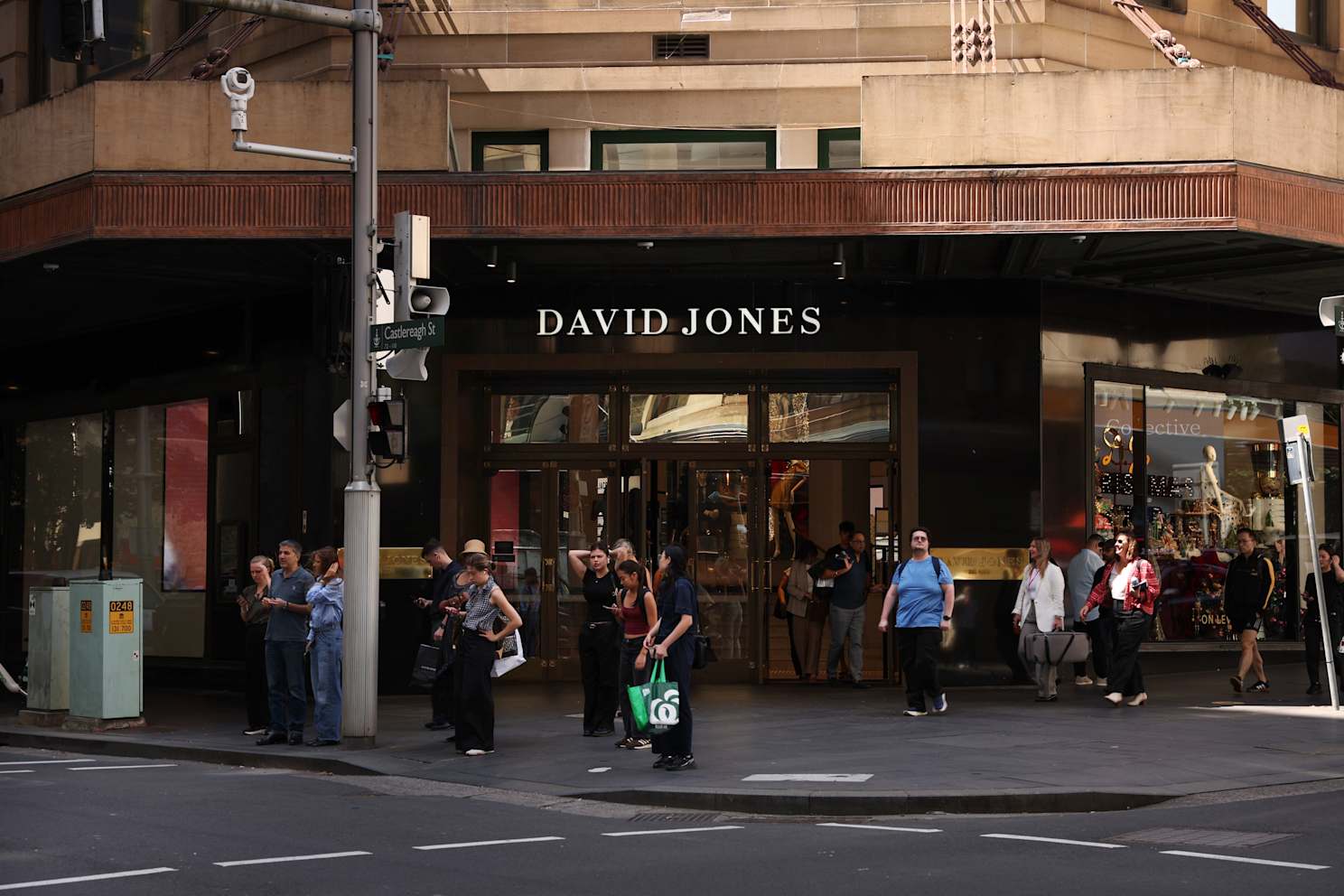
The next morning, what had seemed inconceivable to thousands of Australians was confirmed: David Jones had been placed into the hands of administrators , who are now seeking a white knight saviour. Receivers and managers were appointed by British lender, Hilco.
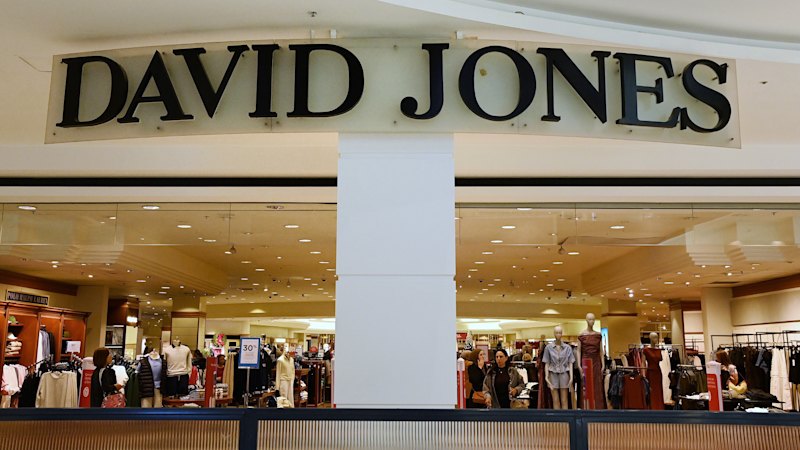
The unceremonious downfall of what was once Australia’s most glamorous department store was the culmination of several months’ effort to downsize its footprint of 38 stores.
Berchtold had been installed as chief executive at the expense of Scott Fyfe, who had led David Jones since the beginning of 2017, years before Anchorage Capital bought the business in December 2022 for less than 5 per cent of what David Jones’ previous owner, Woolworths Holdings, paid for it.
Fyfe’s plan to transform David Jones involved pouring $250 million into store refurbishments, upgrading digital infrastructure, and selling digital ads to luxury brands. $22 million alone had been committed to upgrading Westfield Bondi Junction.
Anchorage didn’t want to spend more money on the business. In his final months, Fyfe was looking for a cash injection by seeking an additional investor or another equity partner. Spotlight Group is reportedly among one of the potentially interested buyers, but ultimately, none put their hand up, put off by the onerous liabilities off the loss-making department store chain.
Berchtold , former chief executive of The Iconic and freshly out of the top job at Mosaic Brands, joined David Jones as chief commercial officer in circumstances that share some uncomfortable parallels: Mosaic was backed by the same lender, Hilco, and she had sought to renegotiate terms with suppliers before it was handed over to administrators.
Berchtold had a more aggressive approach: injecting cash was a short-term fix, but not a long-term plan for profitability. Ultimately, Anchorage decided to back her as chief executive, and made her so on June 22, effective immediately. A David Jones media statement described it as a “planned leadership transition” and contained quotes from Fyfe that said his tenure was concluding by “mutual agreement”.
Fyfe is now suing David Jones for corporate oppression. Fyfe (and his family trust and super fund) are minority shareholders in David Jones, and are accusing Anchorage Capital of running the business in an “oppressive, unfairly prejudicial, or unfairly discriminatory” way that dilutes the value of his stake. Fyfe is asking the Supreme Court of Victoria to force Anchorage to buy out his shares at the price he paid for them, or at a “fair value”, and to force the business to open up its financial records for him to inspect.
“He was not happy about his exit,” a source said. “He agreed to it, but he thought he was the person who should continue running [David Jones].”
When Berchtold took the top job as the first woman to lead the 188-year-old retailer , she did so with a kind of defiance. “I’m here to tell you David Jones is not going anywhere. The only place David Jones is going is up,” she told a pair of men on a flight who had noticed her houndstooth shopping bag and had dared to suggest the business was in trouble. “How dare you? Wash your mouth out.”
Berchtold’s turnaround plan included revving up the online business and rejigging warehouse operations for faster deliveries, bring back some glitz and glamour to David Jones, and focusing on the luxury shopper.
But suppliers became alarmed by the part of her plan that asked them to stretch payment terms by up to 120 days. Several suppliers, owed tens or hundreds of thousands of dollars, haven’t been paid for months, and may never see that money as unsecured creditors now that the company is in the hands of administrators.
Shoppers, unsure of how long the doors of David Jones will stay open, are rushing to cash in their gift cards, but finding shelves stripped bare.
Scentre Group and Anchorage Capital declined to comment.
The Business Briefing newsletter delivers major stories, exclusive coverage and expert opinion. Sign up to get it every weekday morning .
You have reached your maximum number of saved items.
Remove items from your saved list to add more.
You've used all of your gift articles. 3 more will become available on the 1st of every month.