
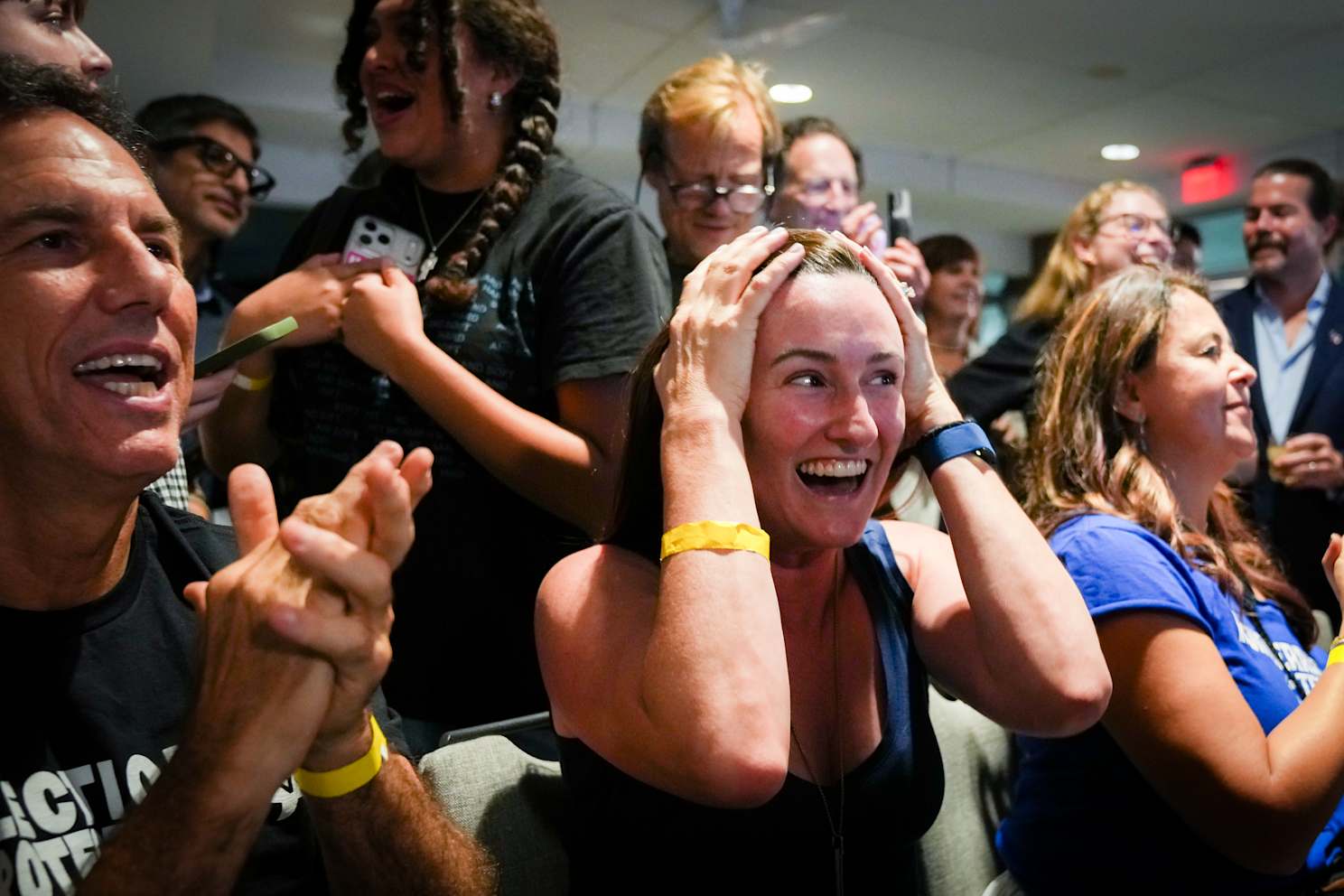
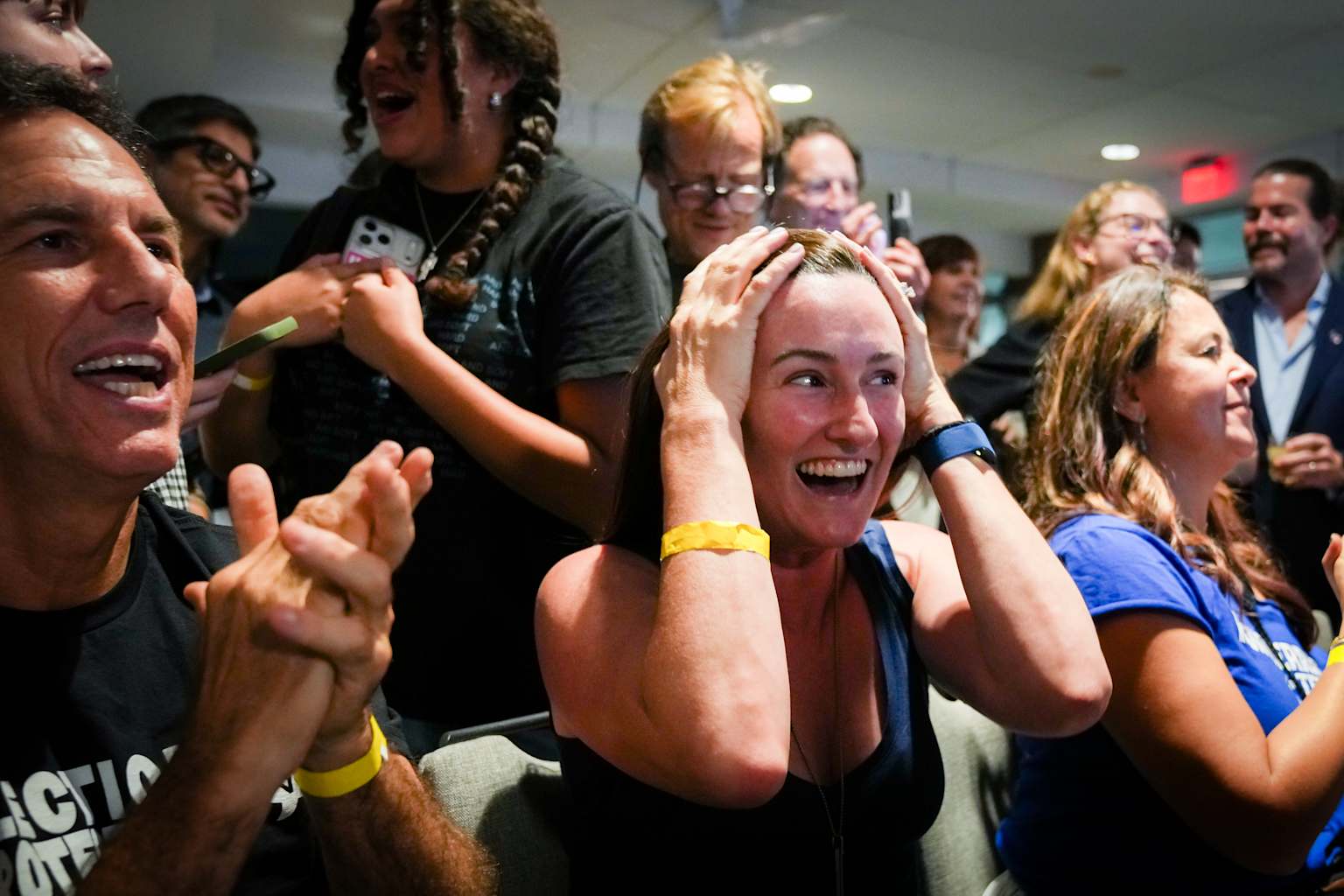
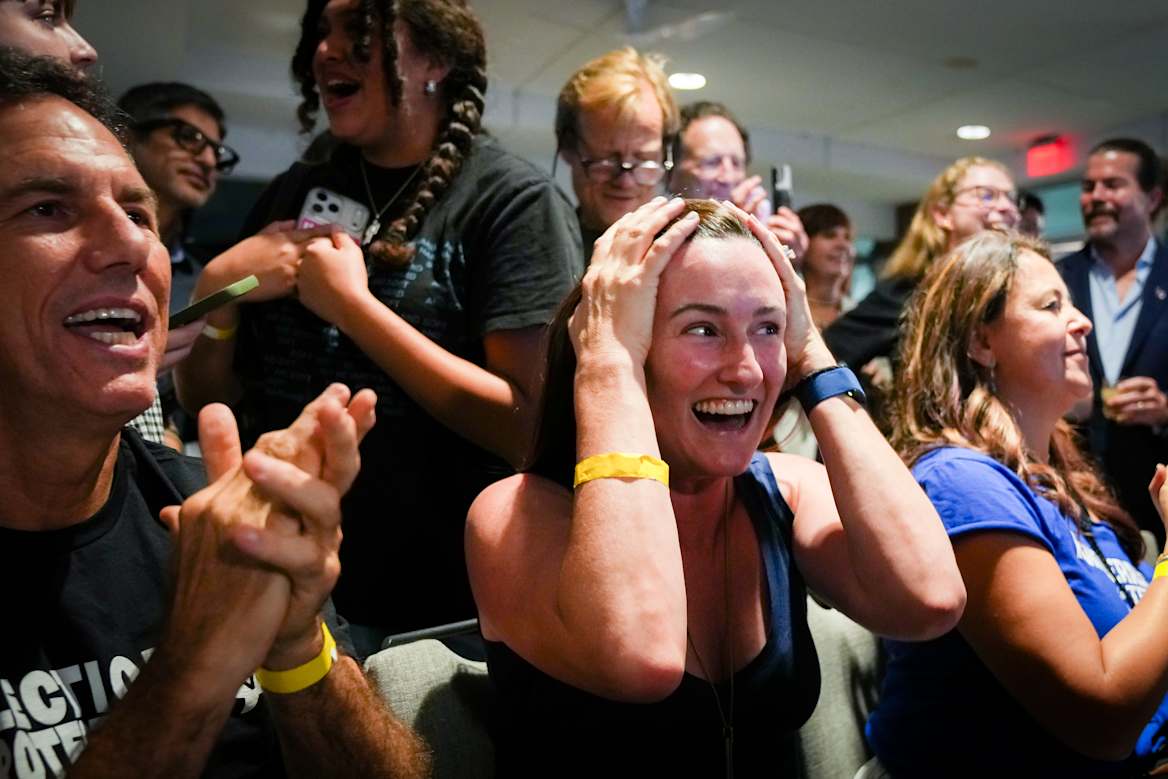
Austin, Texas - For three decades, Texas has been the white whale of Democratic politics – the most elusive of trophies, tantalisingly out of reach.
Not since 1994, before more than 40 per cent of living Texans were born, had Democrats won a single statewide office. But on Tuesday, the party so long out of power swept every one of those races and flipped one chamber of the legislature in an epic feat with few if any parallels in modern politics.
“Texas is blue. That is a hard sentence to utter,” Senator Ted Cruz – a likely 2028 presidential contender, who was not on Texas ballots this year – said on his podcast Wednesday. “As we sit here today, I am the only statewide elected Republican who remains in Texas. That’s not something I ever thought I would say.”
The tectonic shift that rattled Texas has far-reaching implications. Arguably the most influential conservative stronghold, Texas policies have rippled across the nation in recent years – from a program that bused migrants into Democratic cities, to a restrictive abortion law that put pressure on providers in other states, to a suite of legal challenges that bogged down the Biden administration.
Many of its right-wing initiatives were copied by red-state governments nationwide. And its oil and tech billionaires have funded conservative campaigns and causes around the country, earning it the nickname “The Texas ATM”. All of that seems about to change.
The durability of Democrats’ incoming government does remain in question. Texas voters are angry and impatient, yet still broadly conservative. Should Democrats overreach, they risk backlash from a Republican base already primed by the GOP’s incendiary rhetoric on social and cultural issues.
For now, however, at least some Republicans are willing to give them a chance. Kathy Montgomery, 78, a conservative Catholic, said she split her ticket and voted for the Democratic candidate for Senate on moral grounds and to address skyrocketing housing costs. Montgomery hopes that in the wake of perhaps the most divisive statewide election in modern history, Texans can work together to improve the place they love.
“You have to let go of prejudices, some of what you grew up with, and let people into your heart,” she said. “We’re not always going to see eye to eye, but give them room to be who they are.”
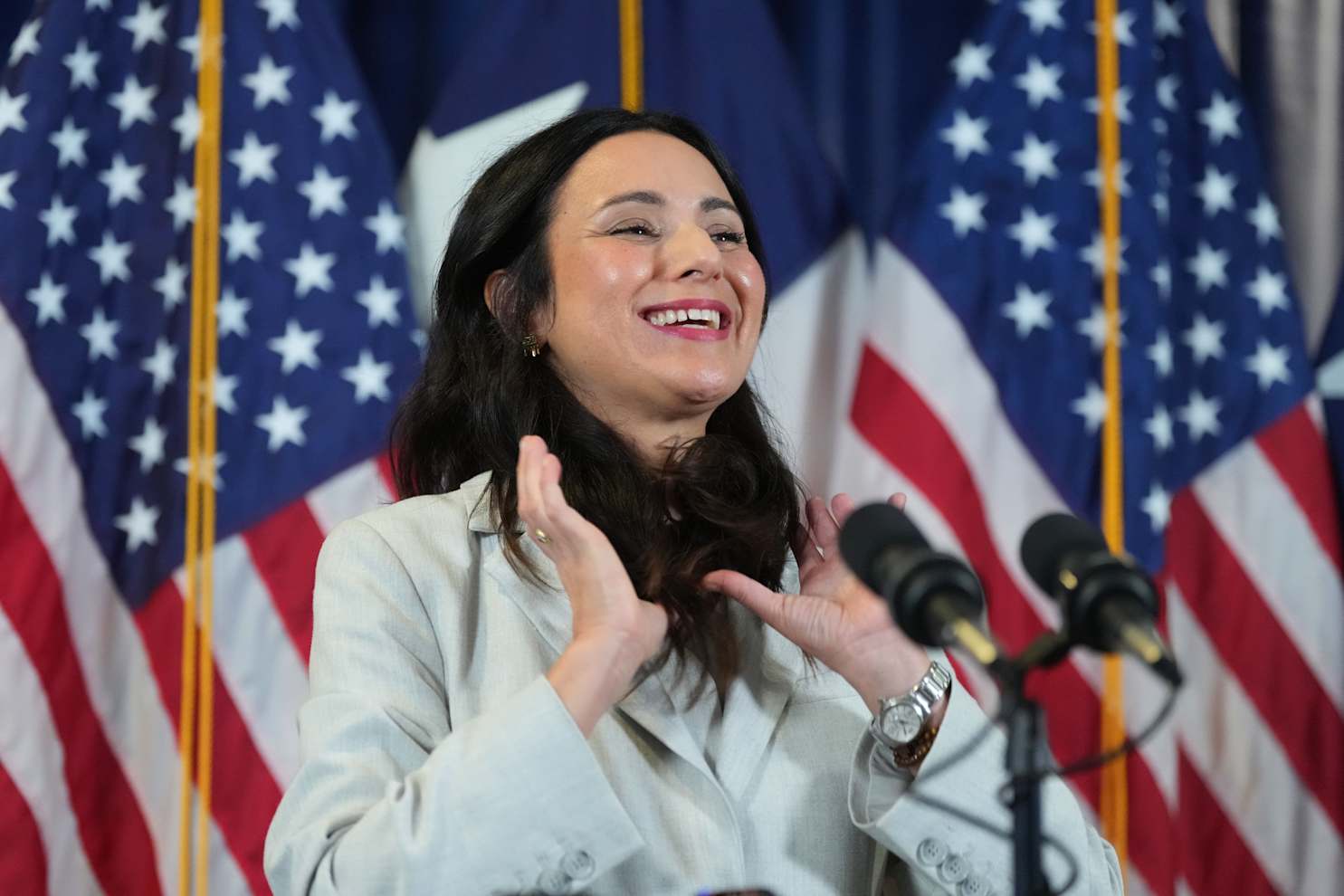
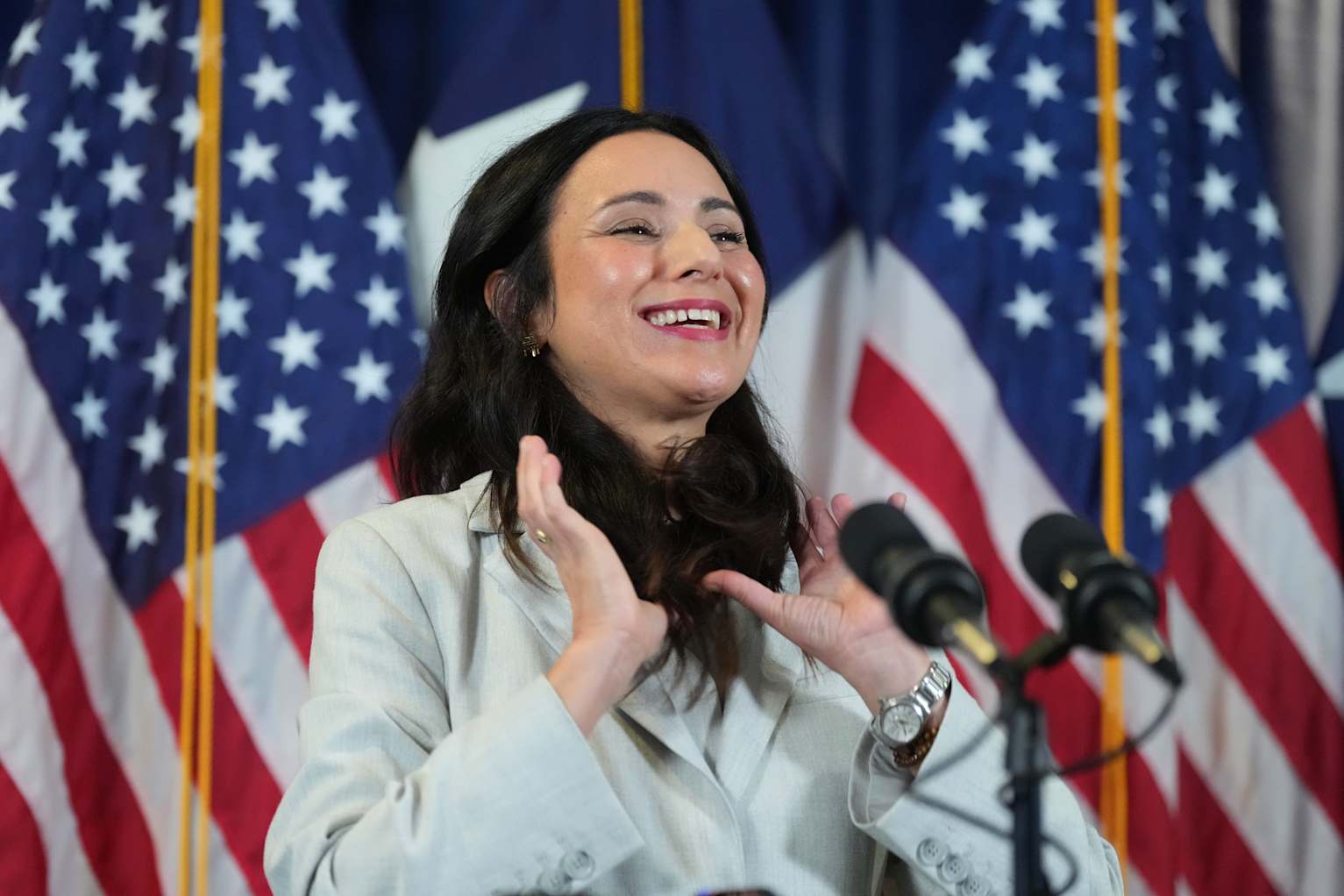
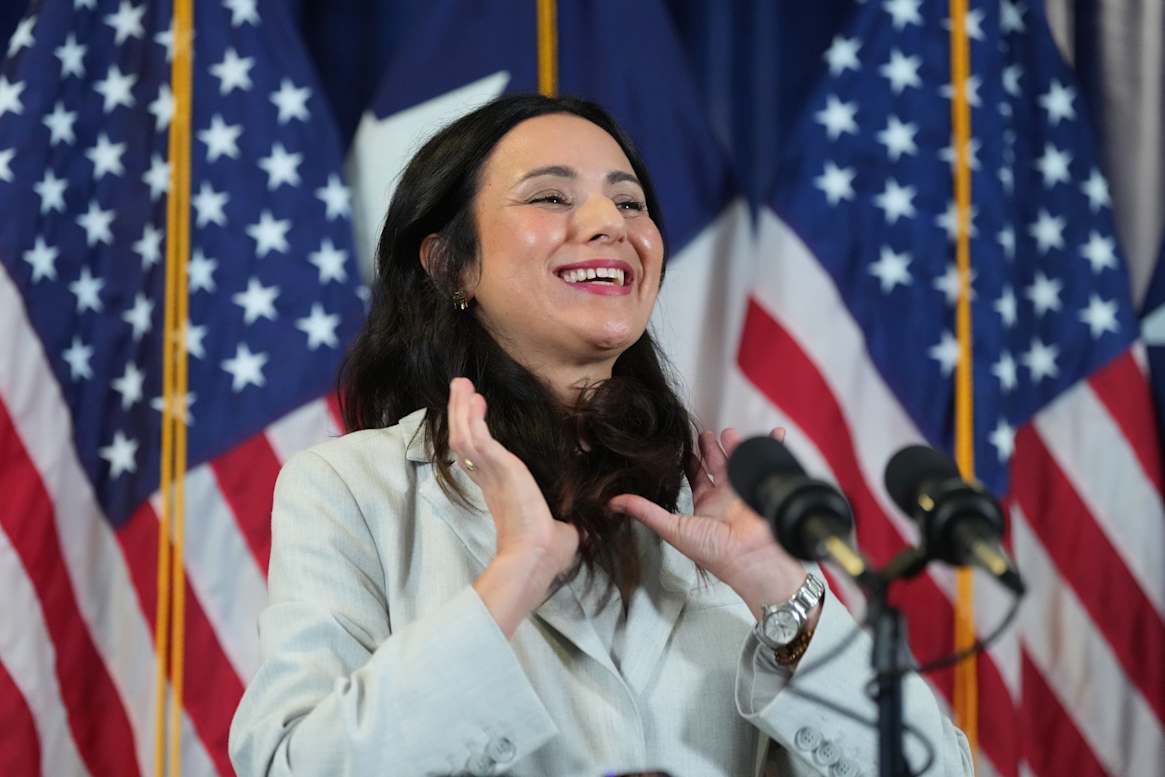
Governor elect Gina Hinojosa has promised to address issues Democratic and Republican voters both cited as being priorities, including investing heavily in public schools and pausing data centre development.
But Democrats will still face major structural challenges in governing for the first time in decades, from the balkiness of a Republican-controlled Senate to the sheer lack of Democratic muscle memory when it comes to operating the machinery of government.
“The good news is because of how badly Republicans have governed, there are so many quick victories in front of them: raising the minimum wage, expanding Medicaid, funding local schools,” said former congressman Beto O’Rourke, whose near miss in his 2018 Senate race against Cruz awakened his party to the possibility of resurrection. “If people earn more, can see a doctor and their kids are going to better schools, they will richly reward Democrats.”
At the outset of this campaign season, none of what happened in Texas’s statewide races seemed imaginable, much less inevitable, to most seasoned partisans on either side. Senator John Cornyn and Governor Greg Abbott, two fixtures with proven bipartisan appeal, were expected to lead the ballot. Democrats had also performed poorly in 2024, with the party’s performance decreasing in the presidential race that year for the first time since 2012.
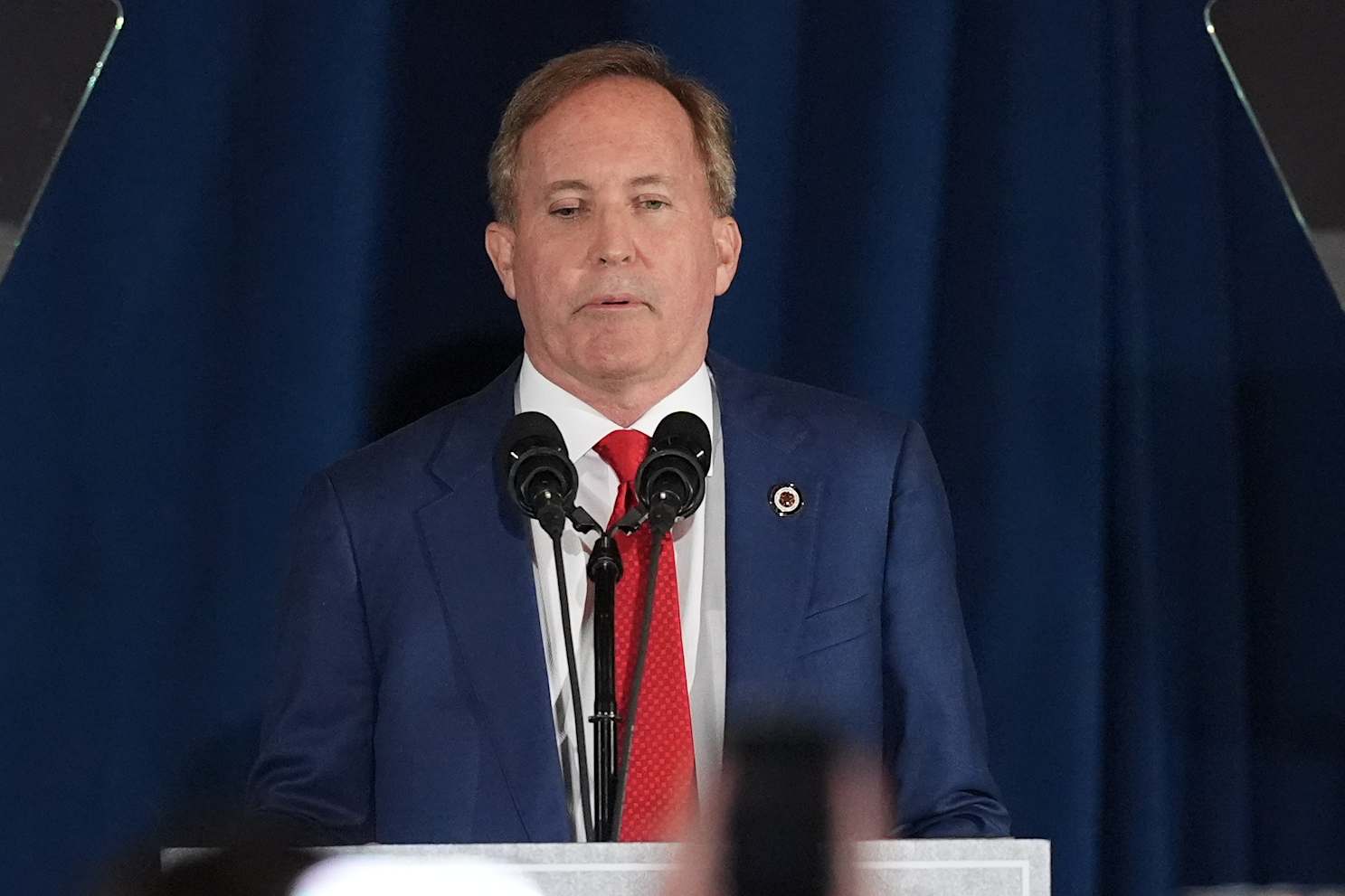
The GOP Senate primary left Democrats elated, however – they learned they would face an opponent loaded down with years of baggage. Four-term incumbent Cornyn lost to scandal-scarred Attorney General Ken Paxton, who was carried to a landslide victory by an endorsement from President Donald Trump. The Republican legislature had impeached Paxton in 2023 for bribery and corruption, and his wife, a state senator, is divorcing him for what she said were “biblical grounds”.
“Ken Paxton is probably the worst major-party candidate in my lifetime, and I’m old,” said Matt Angle, a longtime Democratic operative whose work in Texas politics dates to the 1980s.
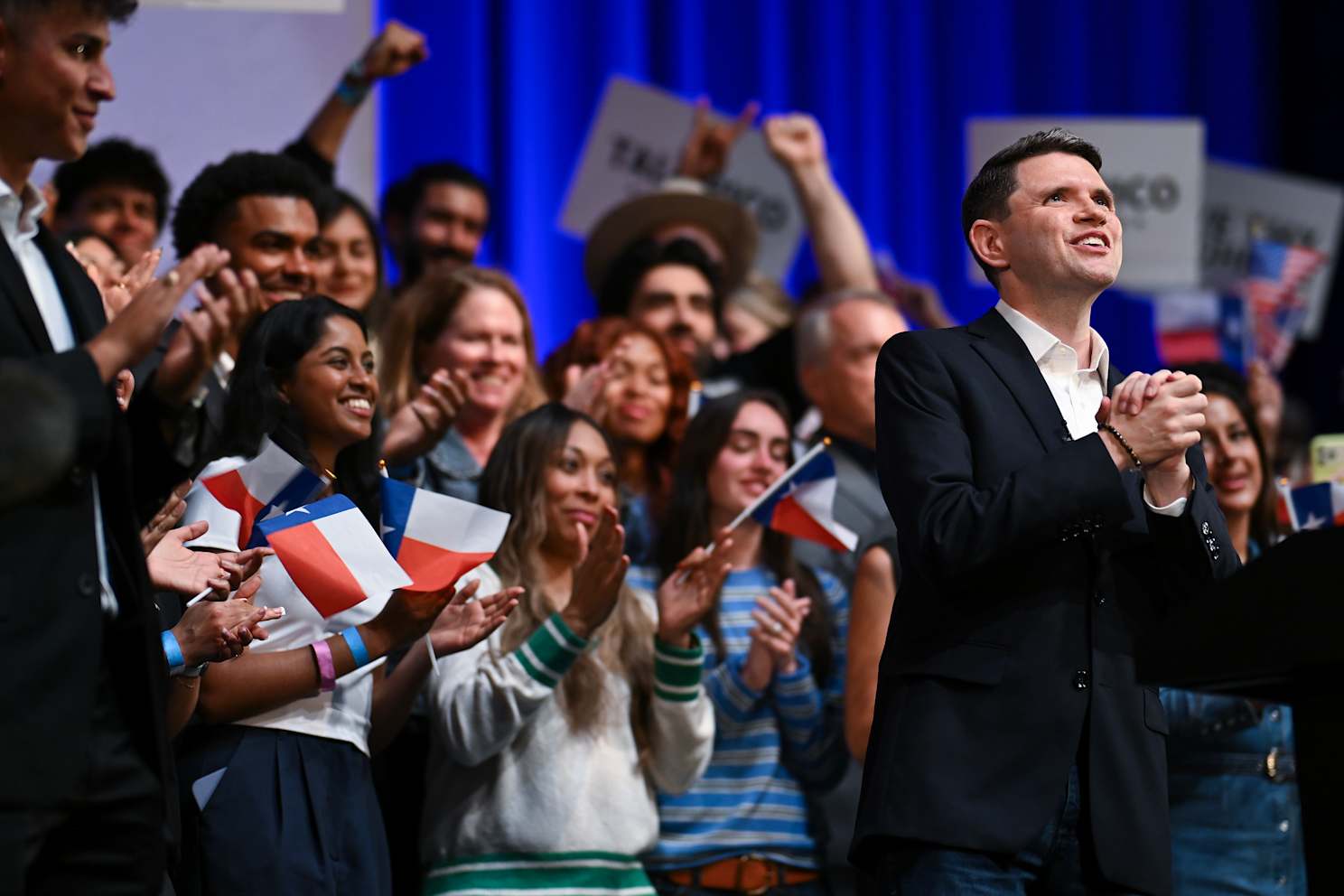
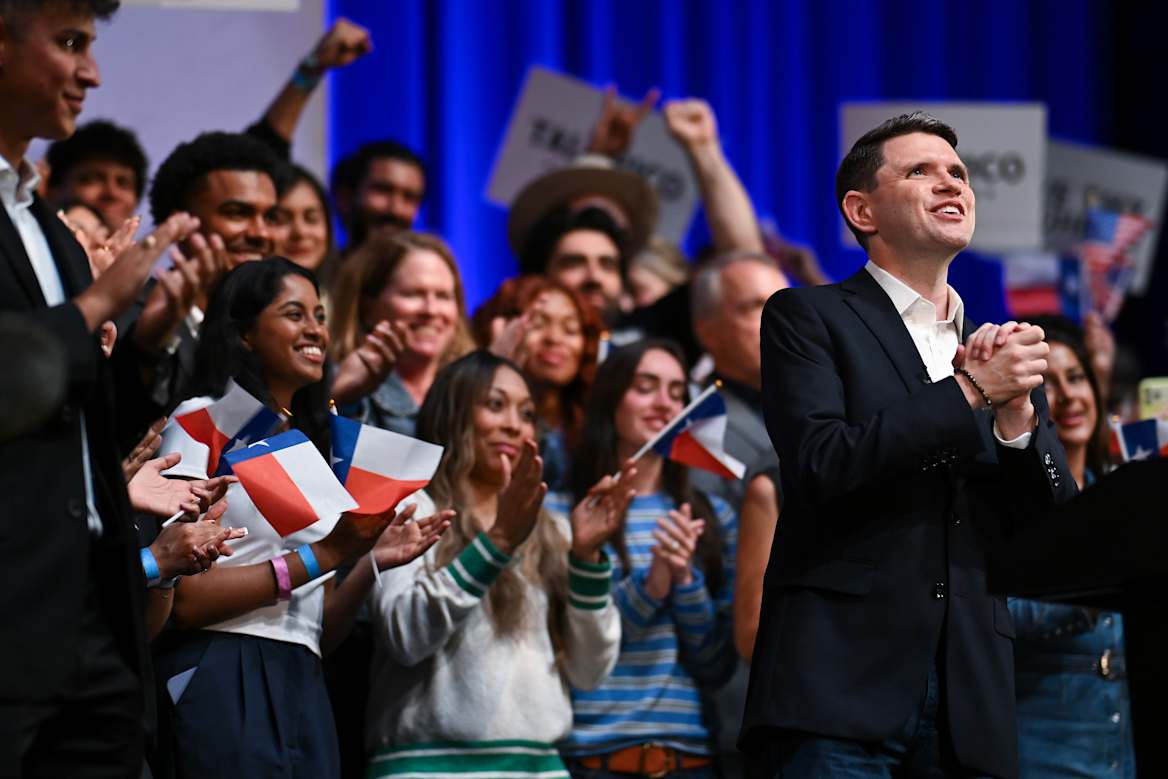
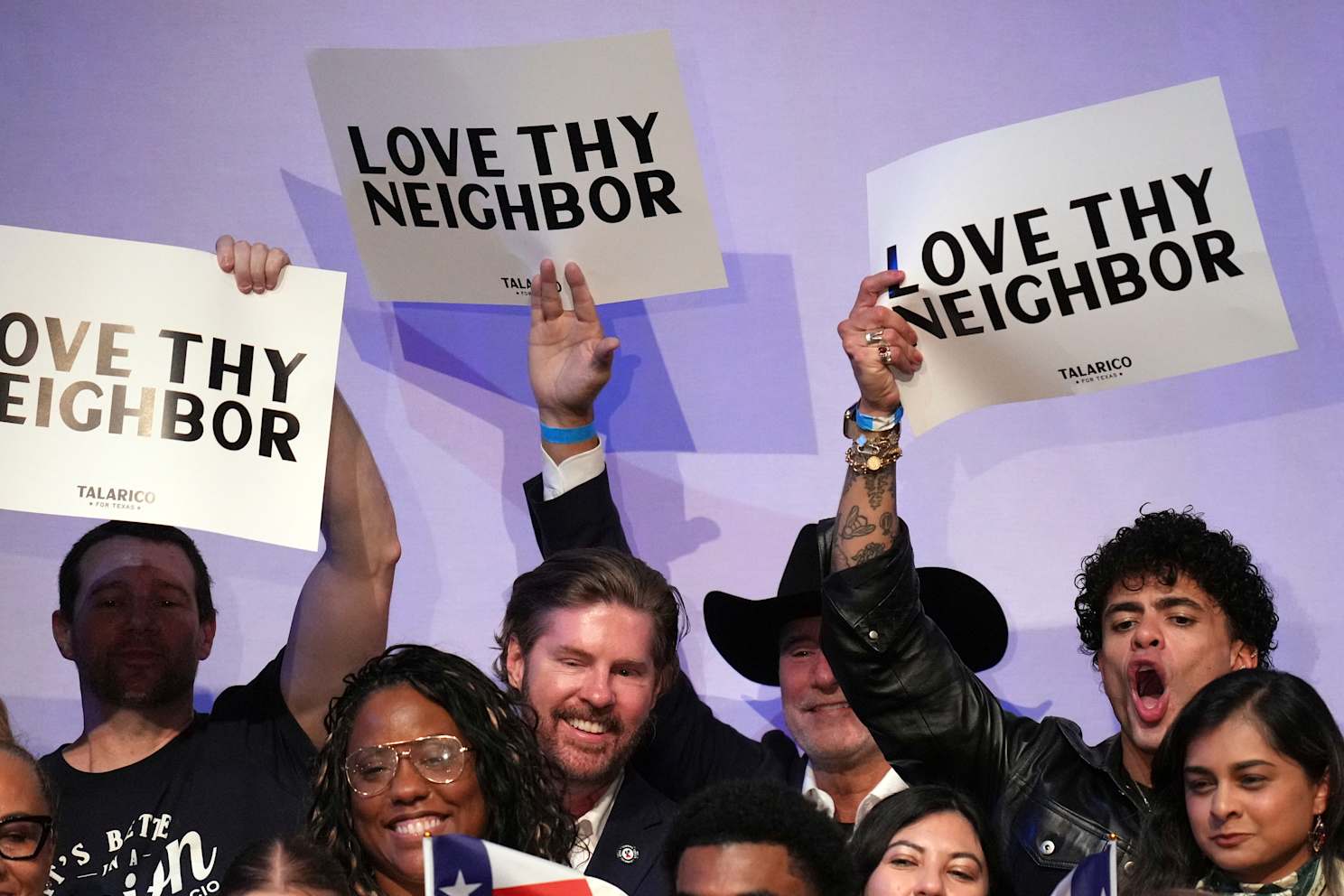
Democrats, meanwhile, elevated a candidate widely seen as giving them their best shot at being competitive: fresh-faced state Representative James Talarico, a scripture-quoting Presbyterian seminary graduate with an uplifting, unifying message that brought national attention, scads of campaign contributions and the potential for GOP crossover votes.
If Talarico created a jet stream for other Democrats on the ballot, Republicans, led by Trump, were responsible for the undertow that dragged their side down. In races across the state, voters cited rising prices – brought on by Trump’s tariffs and war with Iran – as pushing them toward Democrats. And Trump’s immigration policies upended House races in districts state Republicans had gerrymandered to try to ensure victory.
In the Rio Grande Valley, where voters drifted toward Trump in 2024, Hispanic turnout surged, in part because of alarm over immigration sweeps that caught up hardworking, law-abiding people. Starr County, near the bottom tip of the state, where Latinos are close to 100 per cent of the population, saw a 72-point stampede toward Democrats from two years ago, the nation’s largest margin shift.
Yet as sudden as it may have seemed, the Democrats’ victory was years in the making.
“Texas didn’t move away from Democrats overnight. Democrats aren’t going to win it overnight,” Texas Democratic Party chair Kendall Scudder said the weekend before Election Day, measuring his optimism against a history of losses.
One problem the party needed to correct: Even its best performances in the past had been conducted in a vacuum.
Building off the near-wins of 2018, when O’Rourke came within three percentage points of defeating Cruz, state Democrats quietly began building infrastructure to topple Republicans’ monopoly on state power.
Although O’Rourke memorably visited all 254 Texas counties, reaching out to even the most ruby-red parts of the state, his operation was largely self-contained. Republicans, meanwhile, deployed their army of state lawmakers as surrogates to rally to Cruz’s defence.
Coming out of the 2024 losses, Democratic strategists gathered to create a slate of credible candidates who could run in even the most deeply Republican parts of Texas. O’Rourke, former gubernatorial candidate Wendy Davis, 2024 Senate nominee Colin Allred and other Democrats well known in the state, as well as the Texas Majority PAC (which backs Texas Democratic campaigns), began aggressive recruitment – and were able to put up contenders for every state and federal office.
Then, for the first time in over 40 years, candidates across the state operated in a co-ordinated campaign, pooling resources and hitting every corner of Texas. The party trained more than 1000 precinct chairs spread out across rural areas.
“In order to win statewide, we need to lose by less in some of these areas. And in order to lose by less, we need to really legitimately campaign,” said Katherine Fischer, executive director of Texas Majority PAC and an alumna of the O’Rourke campaign. “Even a candidate like James, who’s so well resourced, can’t spend enough money to invest in 200 rural counties to really make a dent.”
Texas has the highest black population of any state. And US Representative Christian Menefee of Houston, as he campaigned with Talarico in downtown Houston this past weekend at some of the city’s historically black churches, said the party also made a concerted effort to reach out to black voters.
“Gina Hinojosa and James Talarico have been out in the black communities, and people have been really appreciative,” Menefee said, adding, “They are talking to everybody. And the Republicans are not doing that.”
Going forward, Fischer said the plan is to build up the party’s presence even in deep-red parts of the state, to help secure its wins in future races even without the gift of flawed candidates on the Republican side.
Angle, the Democratic operative, believes Republicans in the state will continue to struggle to find candidates with crossover appeal. GOP primaries have increasingly resembled MAGA purification rites that elevate darlings from the furthest-right reaches of the party, many of them backed by Trump. This has led to the rise of candidates like Paxton, who struggle in a general election, and Angle said the trend has no signs of stopping.
“The notion of a buttoned-down, normal business conservative, normal conservative Republican Party – just the notion of it is nostalgia,” Angle said. “That’s gone.”
At the same time, Democrats say they are aware of the impatience of voters who elected them for tangible results, as well as the limitations imposed by the Texas Senate, which still has a Republican majority.
Once the state legislature returns in January, Menefee expects Democrats to move quickly, and for the agenda to include “transformative” proposals to expand affordable healthcare and perhaps raise the minimum wage, with far less time spent on culture war issues.
State Representative Gene Wu of Houston, who leads the House Democratic Caucus, agreed.
“What the public is mad about is finally in line with what Democrats are mad about,” Wu said, adding that while Texas Republicans “want to talk about drag queens, we’re going to talk about jobs.” Now, Wu said, “we can stop being the laughingstock of the nation”. Or, put another way: The eyes of Texas are upon Democrats, and they hope they can deliver.
You have reached your maximum number of saved items.
Remove items from your saved list to add more.
You've used all of your gift articles. 3 more will become available on the 1st of every month.