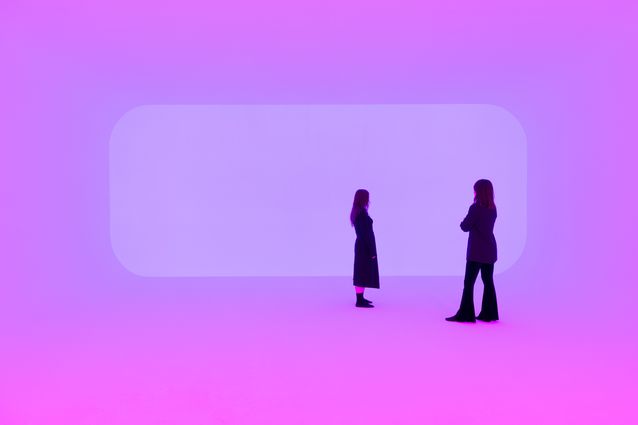
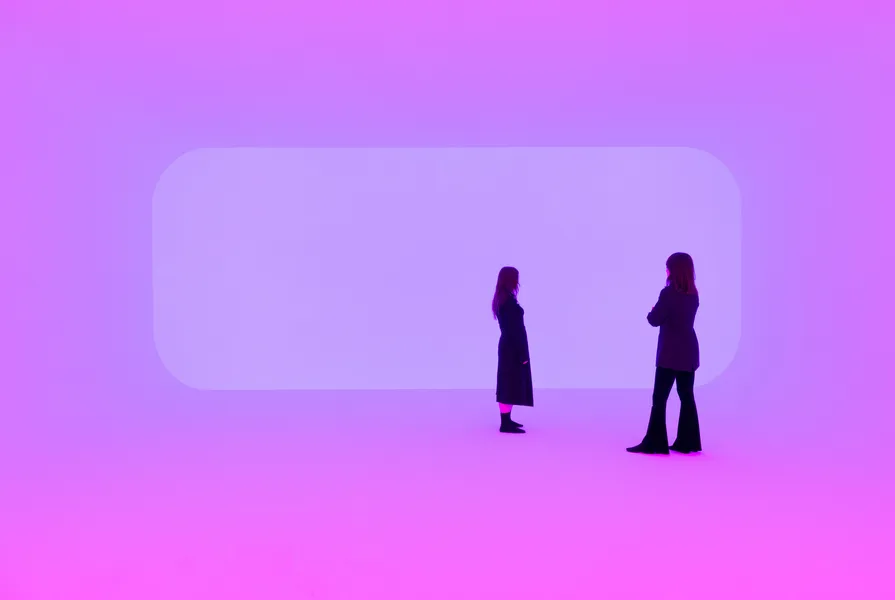
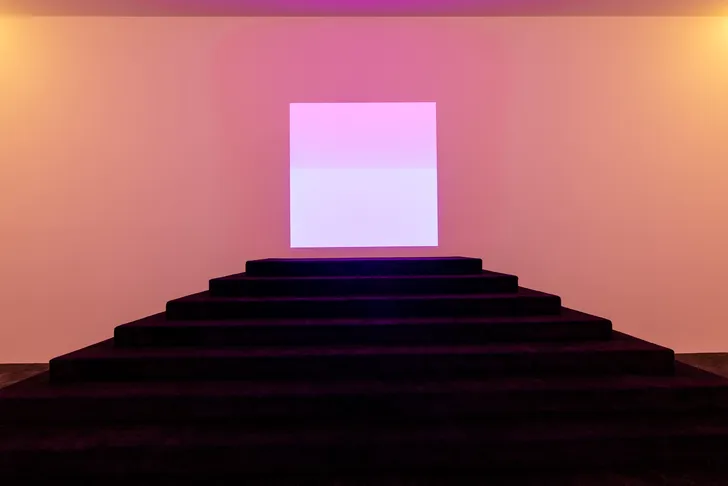
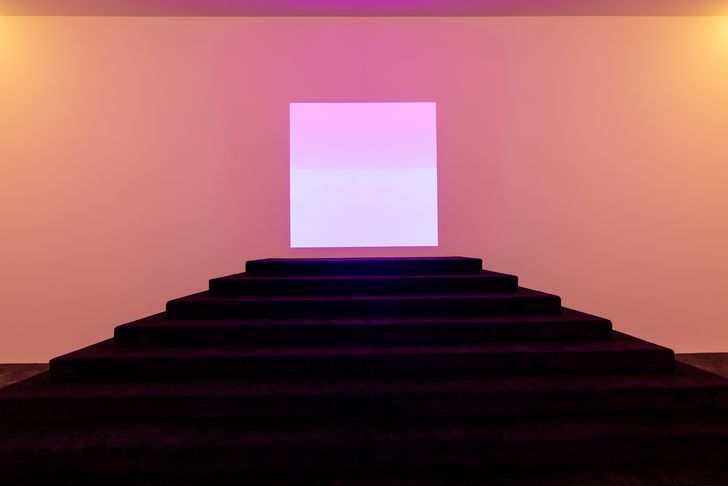
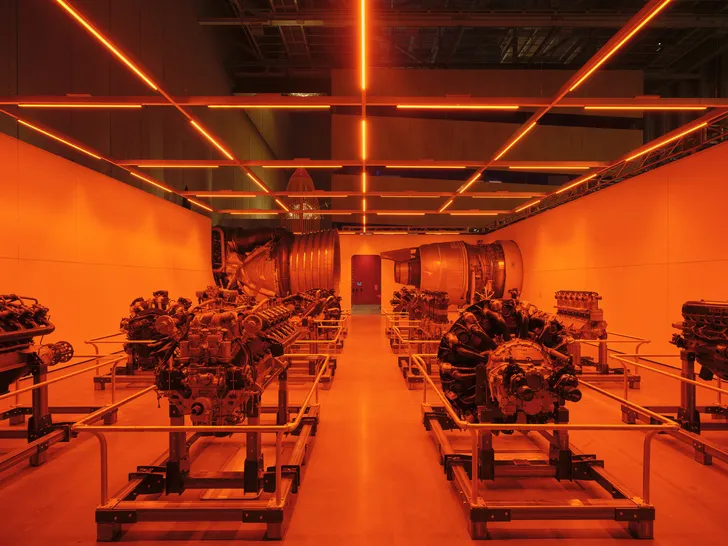
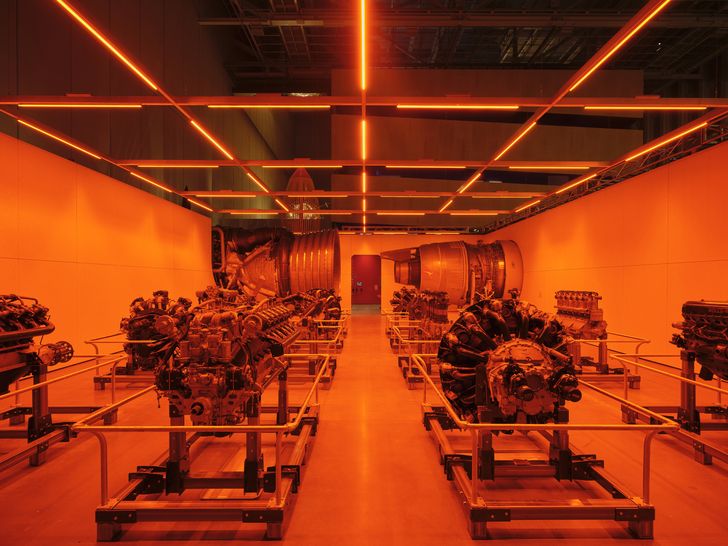
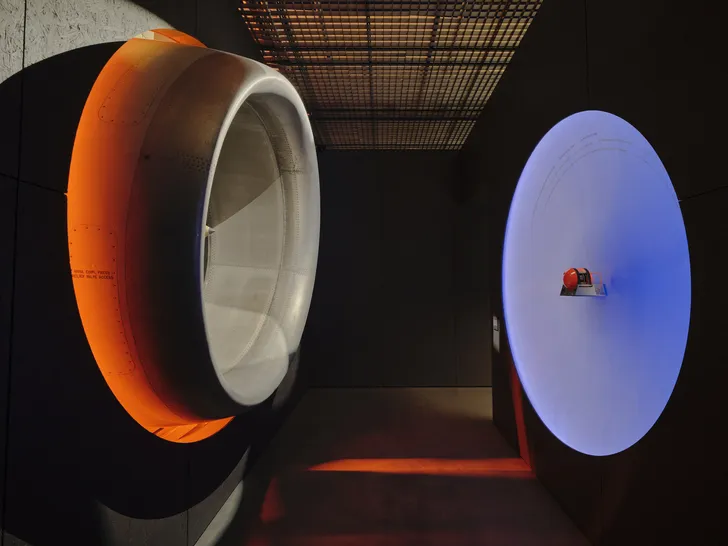
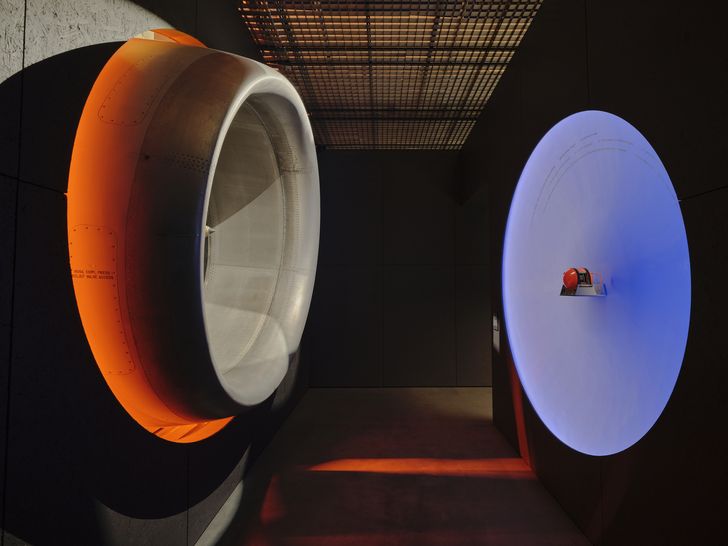
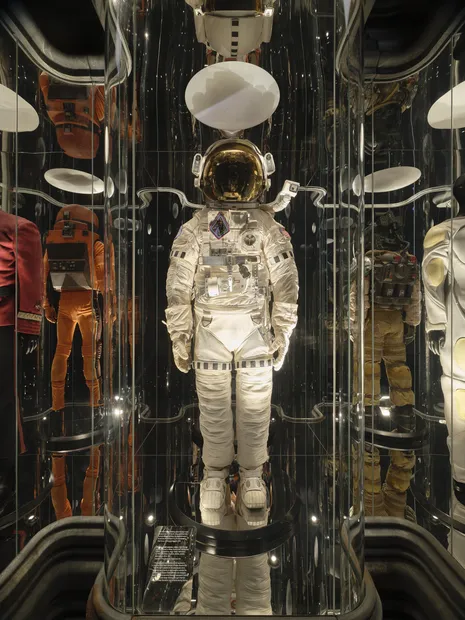
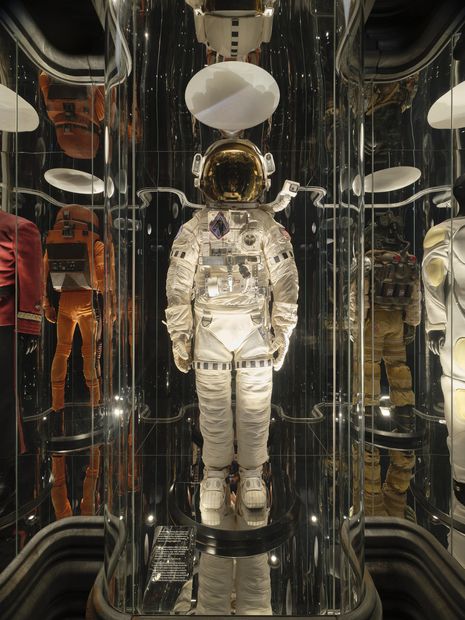
Task Eternal, currently on show at the Powerhouse Parramatta, traces the expansive story of humanity’s exploration of flight and space. We spoke with Huang Wenjing, co-director of Beijing and New York-based architecture studio Open Architecture about the monumental task of translating this narrative into an exhibition environment and creating a spatial experience that embodies a revelatory journey.
Task Eternal on show at Powerhouse Parramatta.
Emily Wong: Humanity’s exploration of flight and of space is such an epic topic. What was your starting point for developing the exhibition design?
Huang Wenjing: We were given a book and a concept around the book at the beginning of the conceptual design phase. The book was The Tower of Babylon by [American science-fiction writer] Ted Chiang. The curators came up with the idea of a journey, much like what the book describes, of a striving to reach heaven, which is followed by a fall, and then the realisation that actually you’re still on Earth. Our task was how to materialize such a concept, and we went through a very exciting, torturous, and long process that went through many iterations in order to reach the final design, even while we actually reached a consensus for the [main concept for the] design pretty early on.
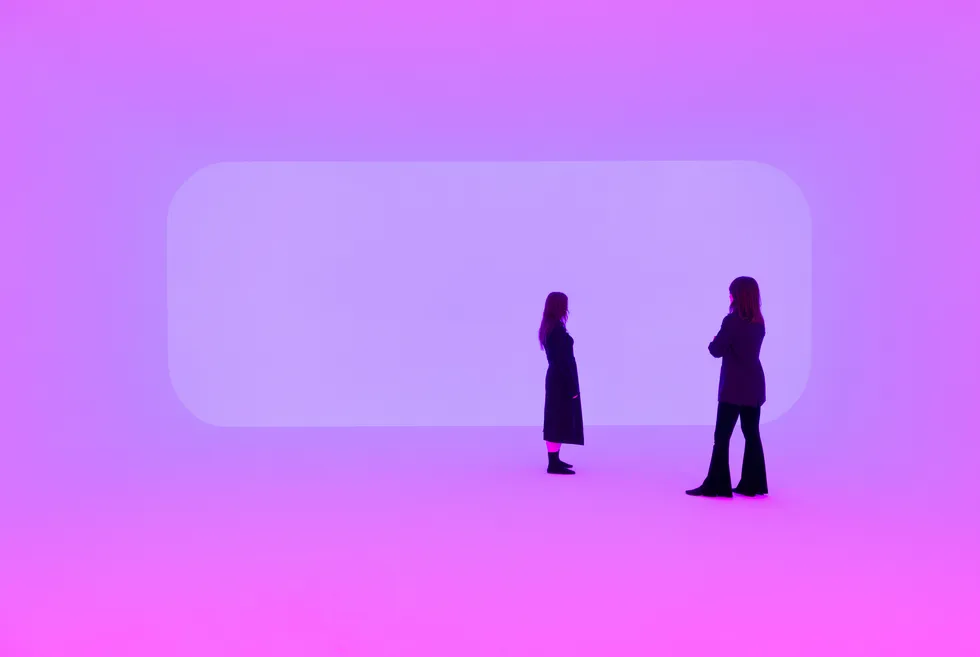
Task Eternal on show at Powerhouse Parramatta.
EW: How do the key design elements work together to structure the exhibition space?
HW: First of all, it’s a linear journey, meaning you follow a path that goes up and eventually comes down. And very early on, we agreed on a cinematic approach – there are four acts, [Skyward, Power, Off-Earth and The Return], and then multiple scenes within each of those acts. In the end, we came to about 36 scenes. The audience, I hope, will enjoy following this long journey through this maze of space and exploring the different cinematic acts, to the ascent, the point of revelation, and then the descent and return to Earth. At the exhibition’s exit, you look back from a different angle to the very first object you encountered when you first entered the museum, but probably, after having gone through that journey, your understanding of that object will have changed.
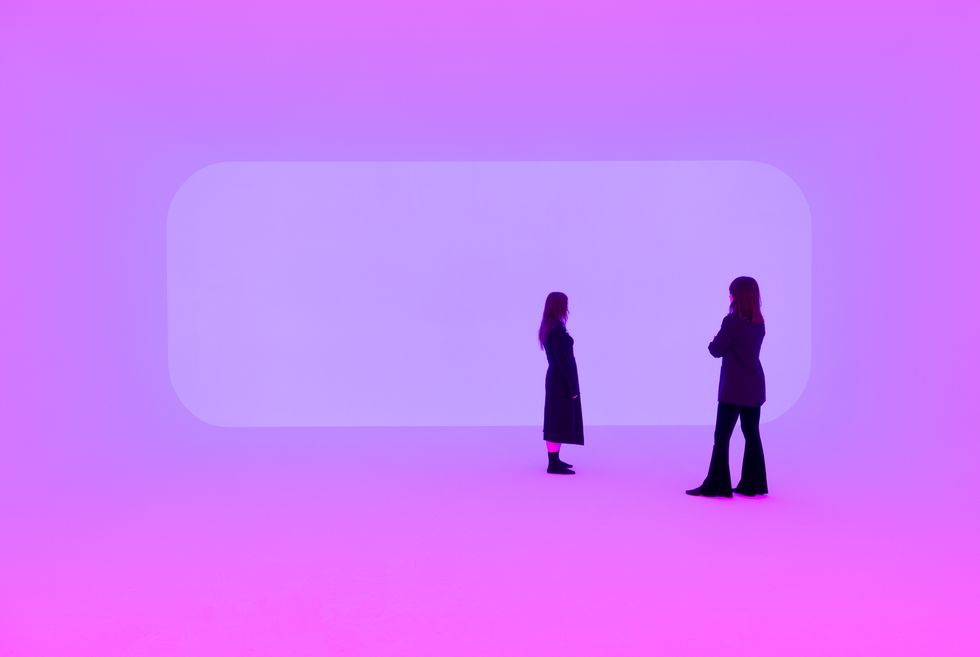
Task Eternal on show at Powerhouse Parramatta.
EW: Designing an exhibition space often requires working out the right balance between the architectural elements and the work that’s being displayed. How did you approach finding that balance here?
HW: That was a very hard task. As you noted, the exhibition is called Task Eternal and exploring humans’ endeavours into outside the earth is such an ambitious project. So naturally, there were a huge number of interesting topics, objects and artworks that needed to be accommodated. The question was, how do you use finite space to accommodate an infinite ambition? It was a transformative process of editing out and bringing in, in order make the exhibition’s central thesis more and more clear. For the curators, without seeing the space, it was hard for them to know what was possible. So, they engaged us at very early phase of curatorial discussions to work [with them on this] collaborative task. We used the limits of the space as a framework to work out was not essential, and so to keep what must remain.
Task Eternal on show at Powerhouse Parramatta.
EW: Your practice is known for designing inventive, sculptural buildings that build different kinds of relationships with nature. How does your approach to designing large buildings connect with the way you’ve approached the exhibition design for Task Eternal ?
HW: I think your description probably represents a lot of people’s impression of our studio, but if you look at the whole spectrum of our work, we are very open in terms of typology of work and the questions and challenges we take on. We could be working on an exhibition project, or a prototype of just eight square meters, or a large housing project of maybe 140,000 square metres. To most people, that’s very different. But for us, the essence is the same. We just look for the potential in each project and the issues and then tackle them. We recently completed the design for an exhibition about the Italian-Brazilian architect Lina Bo Bardi in Shanghai. That was an entirely different task, but the same kind of interesting, exciting and challenging.
Task Eternal is on show at Powerhouse Parramatta from 7 November.
Task Eternal on show at Powerhouse Parramatta.
Ahead of the opening of Powerhouse Parramatta’s opening exhibition, Task Eternal, space architect Melodie Yashar shares her approach to designing environments on the Moon and …
Founder and principal of Singapore-based L Architects Lim Shing Hui shares her firm’s forensic approach to existing building fabric – a methodology that challenges what …