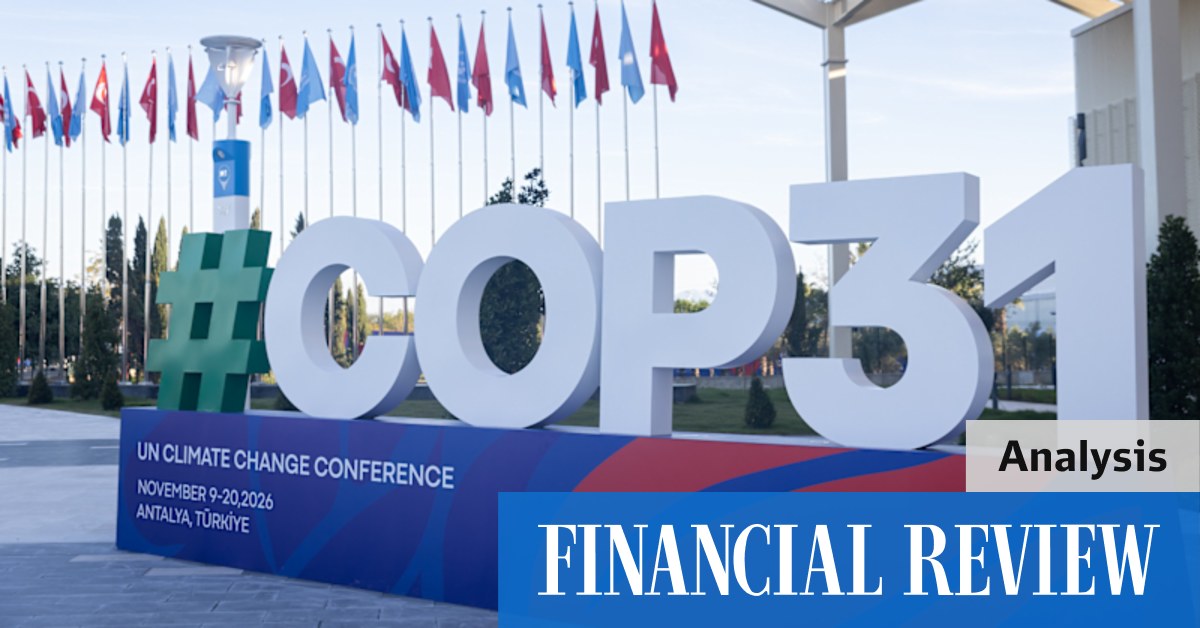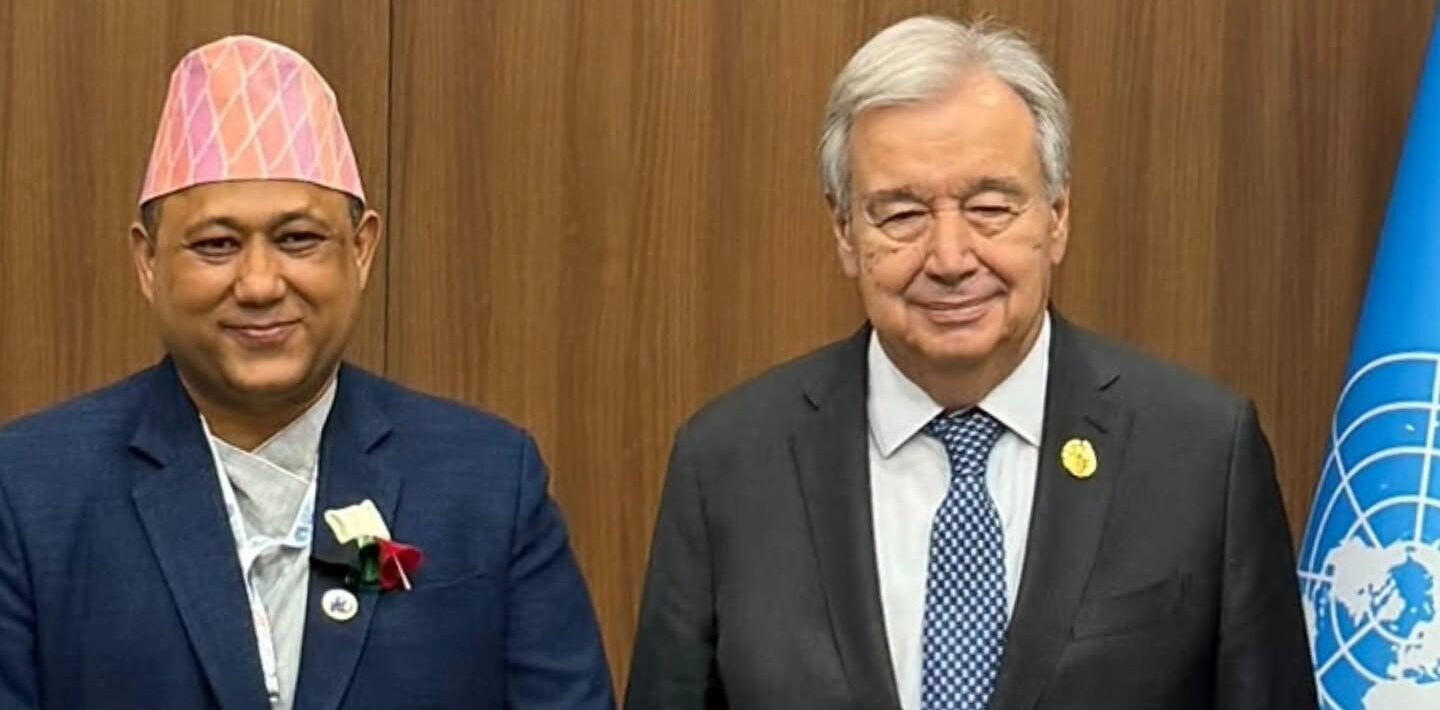
The government of Nepal has outlined four core national priorities to highlight at the 31st Conference of the Parties (COP31) to the United Nations Framework Convention on Climate Change (UNFCCC), to be held from 9 to 20 November 2026 in Antalya, Türkiye. Addressing the National Climate Summit 2026, held on 29 October in Kathmandu, Foreign Minister Shisir Khanal repeated those four core priorities: (1) championing a dedicated mountain agenda, (2) operationalizing loss and damage support, (3) securing accessible climate finance, and (4) advancing climate justice rooted in equity. During the same event, Minister for Agriculture, Forests and Environment Gita Chaudhary also declared, "Nepal's position at COP31 is clear: climate justice, a mountain agenda, easy access to adaptation finance, and the effective operationalization of the Loss and Damage Fund."
Given the latest Bhotekoshi-Trishuli catastrophe, the priority issues set by the government to raise at the biggest climate event may seem logical. However, one of the most fundamental issues appears to have been overlooked: addressing the root cause of the climate crisis by pressing the world's largest emitters to rapidly and substantially reduce their GHG emissions.
A UNEP report, "Limiting Overshoot - Navigating exceedance of 1.5°C and pathways towards return," published last month (September 2026), states that global action to cut GHG emissions has not been fast enough to achieve the Paris Agreement target of limiting the temperature rise to 1.5 degrees Celsius. Even in the best-case scenario, a temperature rise of 1.8 degrees Celsius is predicted. According to the United Nations (UN), achieving the Paris Agreement target requires all governments, first and foremost the biggest emitters, to take bold, immediate steps towards reducing emissions now, as commitments made to date fall far short of what is required.
While Nepal's longstanding demands for climate finance and adaptation support, and recent demands for compensation for loss and damage remain important, it is equally important to recognize that these measures alone cannot address the root cause of the climate crisis. Nepal must ask itself whether it is trying to address the climate crisis at its source or merely negotiating around its consequences. Unless the world's largest GHG emitters make rapid and substantial cuts to their emissions, the scale and severity of climate impacts will continue to intensify. This will further undermine the effectiveness of adaptation efforts and is likely to bring more catastrophes, causing even more damage in the upcoming days.
True that our national emissions -- neither historic nor current -- are non-significant, but that does not mean we should only care and speak about adaptation requirements and the demands of reparations for loss and damage. When we express pride that our contribution to the problem is non-significant, that we maintain almost half of the country's area as forests, and that we are world pioneers in transitioning to electric transportation, we should be presenting ourselves as a role model asking others to follow suit instead of always presenting ourselves as victims of climate change and lamenting about the insufficient help from others. No mention of the national priority to press the world's largest emitters to undertake ambitious, rapid, and meaningful emissions reductions means our priorities are only focused around the consequences rather than addressing the root of the problem. We cannot expect future impacts to lessen while allowing the largest emitters to persist in the very practices (high GHG emissions) that caused the crisis.
There is a growing tendency that higher the amount of climate assistance and reparations the country secures, the more success we think we have achieved. Assistance is undoubtedly necessary, but primary efforts should be to minimize the root causes of the problems confronting us. Research suggests that just because a country is more vulnerable to climate change impacts does not mean it readily gets more climate assistance; such assistance is often shaped by donors' own interests, priorities, and strategic motives. That is also one of the reasons why emission cuts from the highest emitters should be the first condition for negotiation.
In conclusion, Nepal's climate priorities in global negotiations appear to lack a clear sense of direction and prioritization. For more than one and a half decades, the country has continued to take largely the same demands (except for loss and damage issues which started only a few years ago) to successive COPs, without clearly distinguishing which issues should take precedence. Pressing the world's largest emitters to undertake ambitious, rapid and meaningful emissions reductions has yet to receive the prominence it deserves in Nepal's negotiating agenda. Nepal must therefore make pressing major emitters to urgently and significantly reduce their emissions its foremost priority at COP31. After all, addressing the consequences of climate change cannot come at the expense of addressing its primary cause.
Acharya holds an Erasmus Mundus double-degree MSc in Forestry and Environmental Science from the University of Eastern Finland, Finland and AgroParisTech, France. Writes on Environment, Forestry, and Climate Change issues.