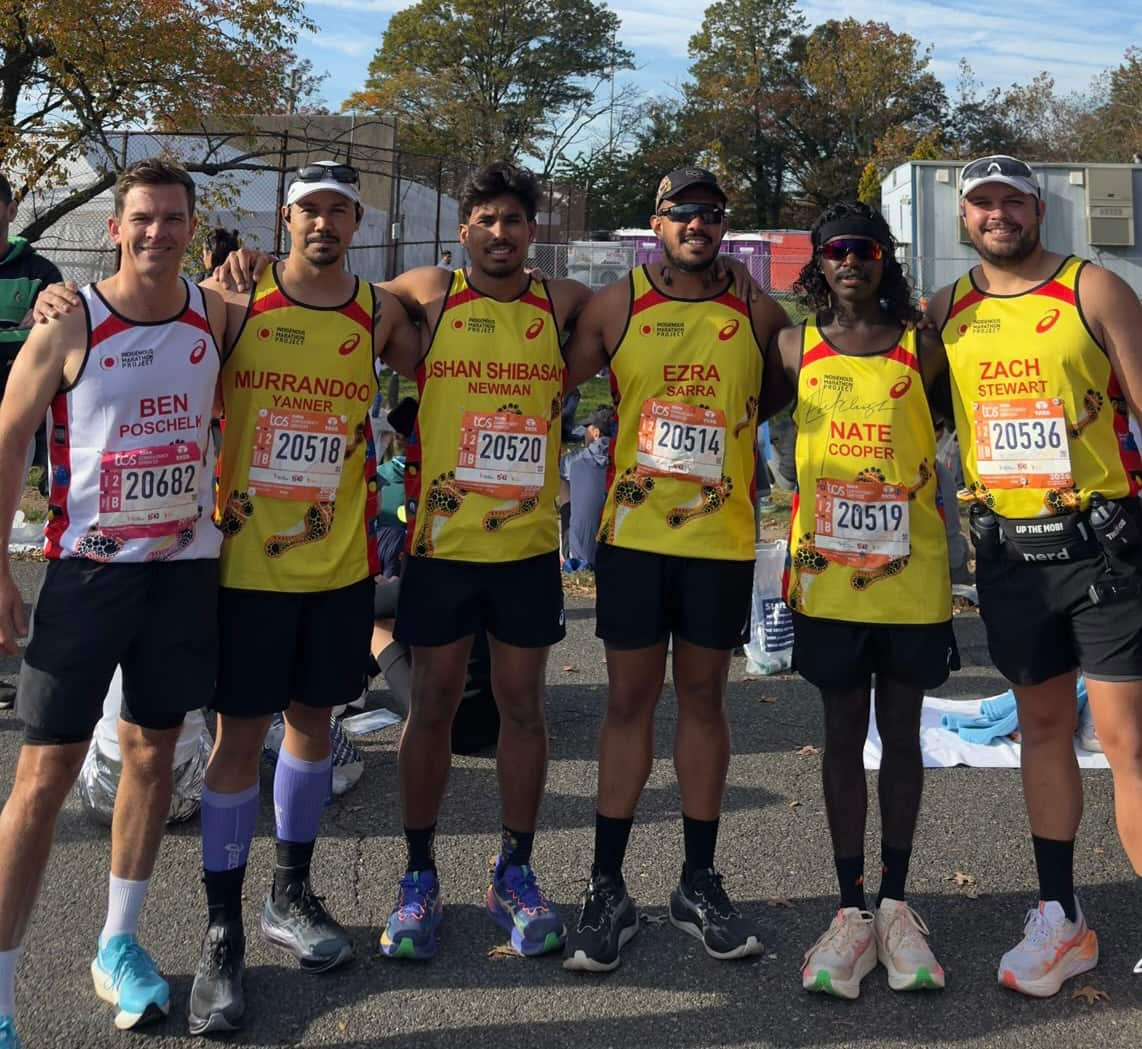
From Minjilang in the Northern Territory to Moree in New South Wales, a group of First Nations runners have represented their communities on the world stage, crossing the finish line of the world famous New York City Marathon.
The members of the Indigenous Marathon Project (IMP) squad completed the gruelling 42.195 kilometre course on Sunday November 1, marking a major milestone after six months of intensive training and development to prepare them for this moment.
Now in its 17th year, the Indigenous Marathon Project uses running as a vehicle to build healthly lifestyles, leadership and resilience among young Aboriginal and Torres Strait Islander mob.
Each year a selected group of First Nations people aged between 18 and 30 are chosen to take on the challenge, with some having little or no previous running experience under their belt.
Beyond the physical preparation, participants also undertake an education program designed to strengthen their leadership skills, completing nationally recognised qualifications in areas including health, coaching, public speaking and first aid.
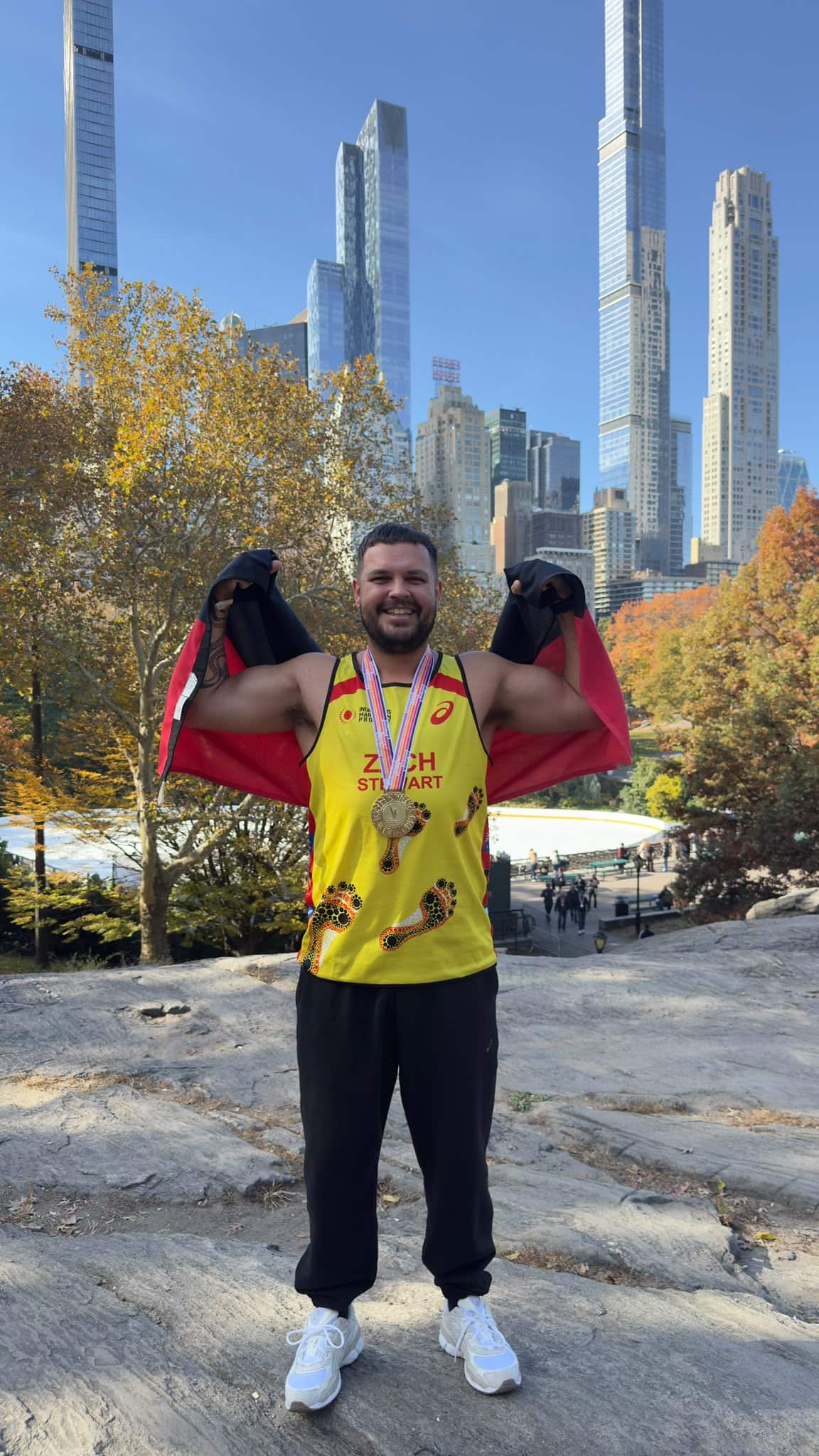
For proud Kamilaroi man Zach Stewart, the experience has been about discovering what is possible through determination and commitment.
"I will cherish this experience for the rest of my life. It taught me that not everything comes easy but if you put your mind, body and spirit into something, then you can achieve great things," he said.
"I am grateful for the opportunity to represent my mob, my community and most importantly myself on the world stage."
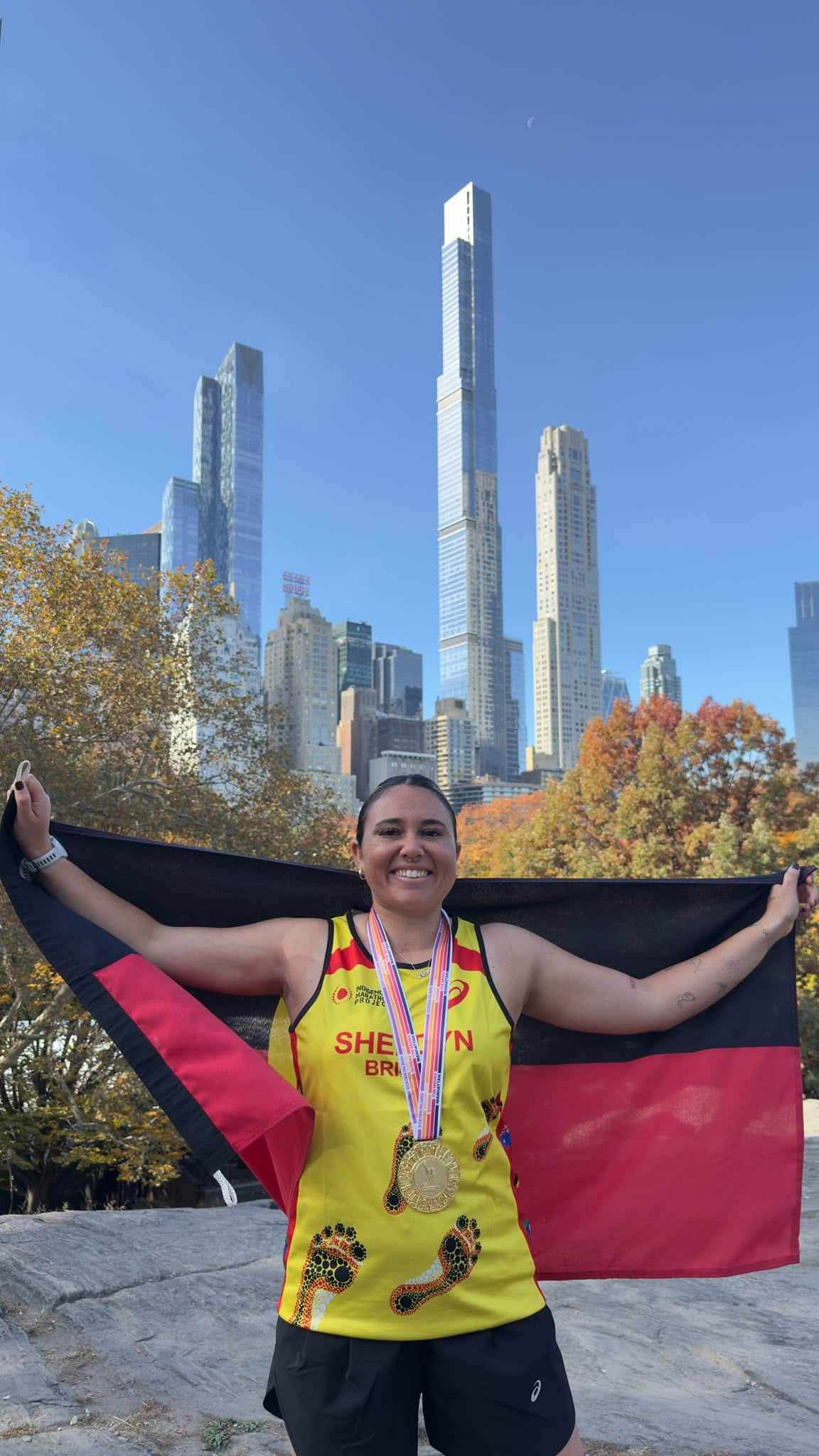
For Sheldyn Briggs, the journey from Moree to New York City was a moment she will carry with her for the rest of her life.
"A girl from the Big M (Moree), making her mark in the Big Apple” she told NITV.
"Crossing that finish line is a feeling I'll carry forever. To have accomplished something so huge and to have had an opportunity that many don't get, is something I'll never take for granted."
Briggs said the support of her fellow IMP squad members had been just as important as the physical achievement, describing the group as her second family.
"The training was hectic! One rest day a week, lots of kilometres, early nights and even more carbs," she said.
"But this IMP squad has become a second family. I've never met a group of people I can be so vulnerable with, share my 'why' with and feel so supported by."
For Michelle Kerrin, a proud Arrernte and Luritja woman, the experience was an opportunity to challenge herself whilst also inspiring other First Nations people, showing them what is possible.
"I hope mob back home can see themselves in spaces like this and know that anything is possible," she said.
"I want our young mob to dream big like I did."
Nathaniel Cooper, an Amurdak and Iwaidja man from Minjilang on Croker Island in the Northern Territory, described the marathon as one of the toughest battles.
"There were moments when my body wanted to give up but my mind refused to quit," he said.
"Every step carried the sacrifices, struggles and the hard work that brought me here all the way from Minjilang NT to New York."
Living on Thursday Island, O'Shan Shibasaki-Newman said the six month journey to get there had been challenging but life changing.
"Every single kilometre I did on Thursday Island pushed me to the finish," he said.
"I hope other young Torres Strait Islanders will be able to take on this opportunity. It will change your life."
The 2026 squad also had the support of proud Noongar Yamatji woman and media personality Brooke Blurton, who joined the Indigenous Marathon Project as an ambassador in 2026.
A passionate advocate for First Nations representation, mental health and wellbeing, Blurton joined the group in New York to run alongside them.
Since launching in 2010, the Indigenous Marathon Foundation has supported many First Nations runners, with graduates returning to their communities as leaders and advocates for healthier and more active lifestyles.
The foundation says its growing alumni now includes 177 graduates, following the latest squad's achievement.
Briggs said she had already heard from people back home who have now been inspired to take up running, get into fitness and make healthier choices, after following the squad's journey over the last 6 months.
"Knowing my journey has encouraged someone else to take that first step means so much to me," she said.
"This isn't the end for our squad. We're only just getting started and there are bigger things to come."
As the runners return home, they will carry more than a marathon medal, taking with them the experience, confidence and connections to inspire the next generation of First Nations leaders.