This audio is voiced by AI and may occasionally mispronounce words.
Share your feedback and help us improve this feature. Read more about how we use AI at SBS here.
"Welcome to paradise" were the first words Nishant Mahendru heard as he stepped out of Alice Springs Airport.
"I was trying to look for danger, like what's going to happen? Is someone going to throw something?" he tells SBS News.
He had come to the Red Centre of the Northern Territory for a two-week holiday. What happened next wasn't quite part of the plan. Mahendru, better known as Nish to those in Alice Springs, was born in the Punjab region of northern India. Against his parents' wishes, he left his small town after school to pursue hairdressing.
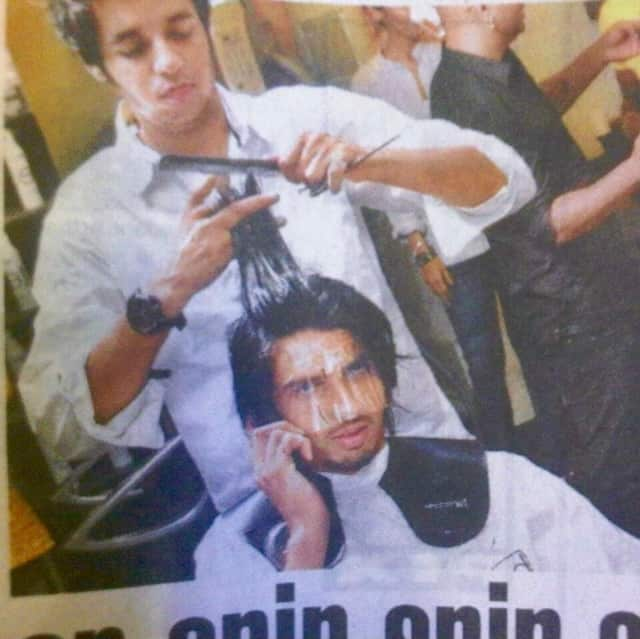
"In India, hairdressers don't get paid well, or they don't even get treated well. And I just said, 'I want to go to Mumbai because I'm going to work with Bollywood,'" Mahendru says.
Your trusted source for staying up-to-date with the world around you. Get free daily news updates and analysis, straight to your inbox.
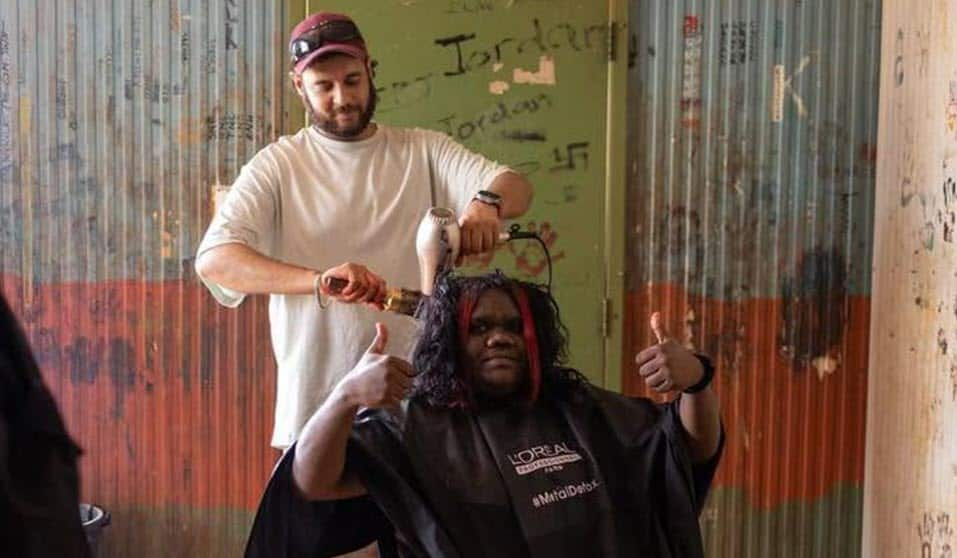
And so he did. An opportunity to learn the craft through L'Oreal Paris in Mumbai opened the door to a dream first job at a celebrity salon.
Soon after, Mahendru was rubbing shoulders with Bollywood actors Sunny and Bobby Deol, both prominent names in India's film industry , as well as Indian cricket stars, including Sachin Tendulkar, Virat Kohli and Ishant Sharma.
After working around the world and on a political campaign across India, Mahendru was exhausted.
"I was travelling overseas, staying in five-star hotels, flying in chartered planes and all this, living a very fancy life. But then I got bored. I was like, what's next for me?" he says.
He looked to Australia and was granted a Skilled Regional visa (subclass 489) in 2019.
"Sometimes I just get blessed. I got it in August 2019. In October, they announced that the visa is closed. No-one can apply for the visa anymore."
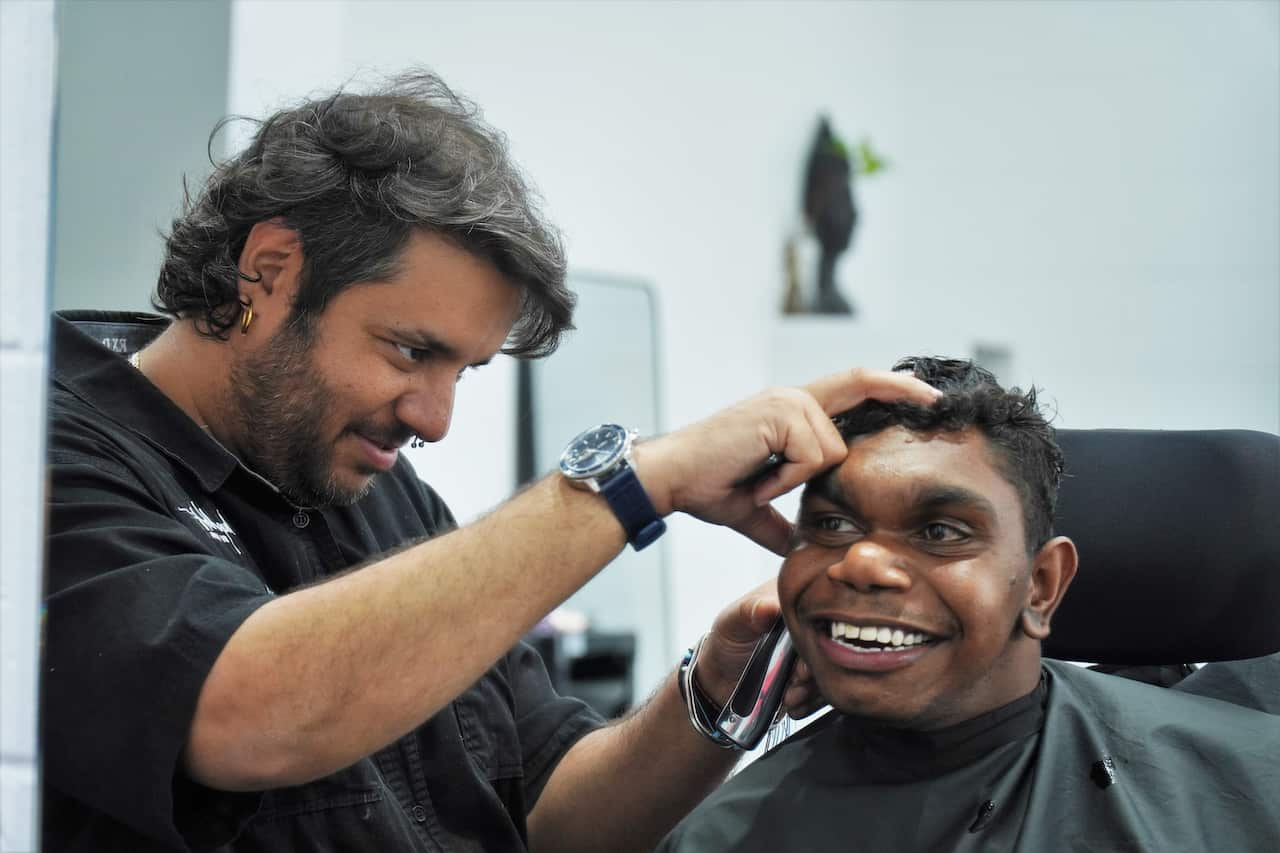
The "spiritual energy and welcoming community" of Alice Springs led Mahendru to fall in love with the town. He soon stumbled upon an opportunity to take over the lease of a local hair salon.
After borrowing money from friends, he made it happen.
"Deep down somewhere in my mind and heart, I did want to have my salon one day, but I didn't know how to do that. But this place made it happen so organically that now I think I can open 10 more salons", Mahendru says.
And so, Why Not by Nish was born. The salon's name is inspired by the 38-year-old's happy-go-lucky attitude.
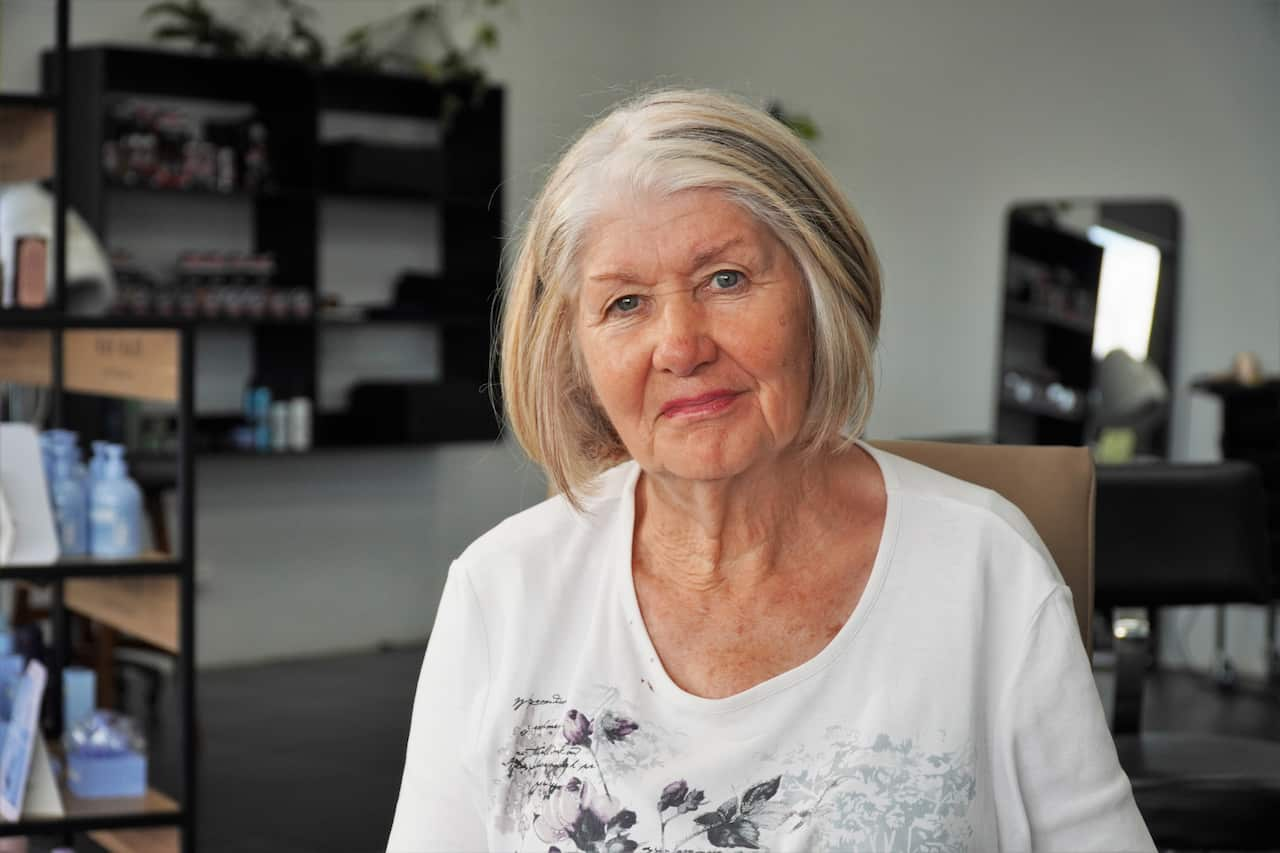
For long-time Alice Springs resident Sarah North, Mahendru's salon represents the kind of community connection that makes the town special.
"It's up to each of us to sing loud from a song sheet that's really positive," she tells SBS News.
The 69-year-old encouraged Mahendru to buy the salon, which she now visits regularly.
Local music from Arrernte artists — the Traditional Custodians and First Nations owners of Mparntwe (the Alice Springs area) and the surrounding Central Australian region — often reverberates through the salon, helping it build a reputation as an inclusive space for Indigenous clients.
"I think Nish has got quite a following in this town. Usually when I come here, there's stacks of people here that I know," North says.
For Mahendru, the journey from India has not meant leaving behind the traditions and memories that shaped him. As Diwali approaches, those connections take on renewed significance.
Widely known as the festival of lights , Diwali is one of the most significant celebrations for Hindus, Sikhs and Jains. Its significance and customs vary between communities, but the festival is broadly associated with the triumph of light over darkness and good over evil.
Celebrations commonly involve lighting traditional oil lamps, known as diyas, decorating homes, sharing food and gathering with family. For Mahendru, food plays a central role in his family's celebrations, involving days of planning to have a wide variety of meat and vegetarian dishes.
"More desserts and family getting together. All the family sitting in one house … [We] would play cards. It was a ritual one week before Diwali and one week after Diwali."
But growing up in a relatively poor area, Mahendru remembers a child next door who had "nothing" during a Diwali celebration in his youth.
Mahendru says he shared fireworks with the boy — a memory that has forever changed how he sees the annual celebration.
"I don't need any fireworks. I don't need new clothes. I'm good."
For him, the memory reminds him that the festival's spirit is about more than material celebrations.
Across Alice Springs, many local businesses and community organisations are also preparing to mark Diwali, with food and festivities offering opportunities to bring people together.
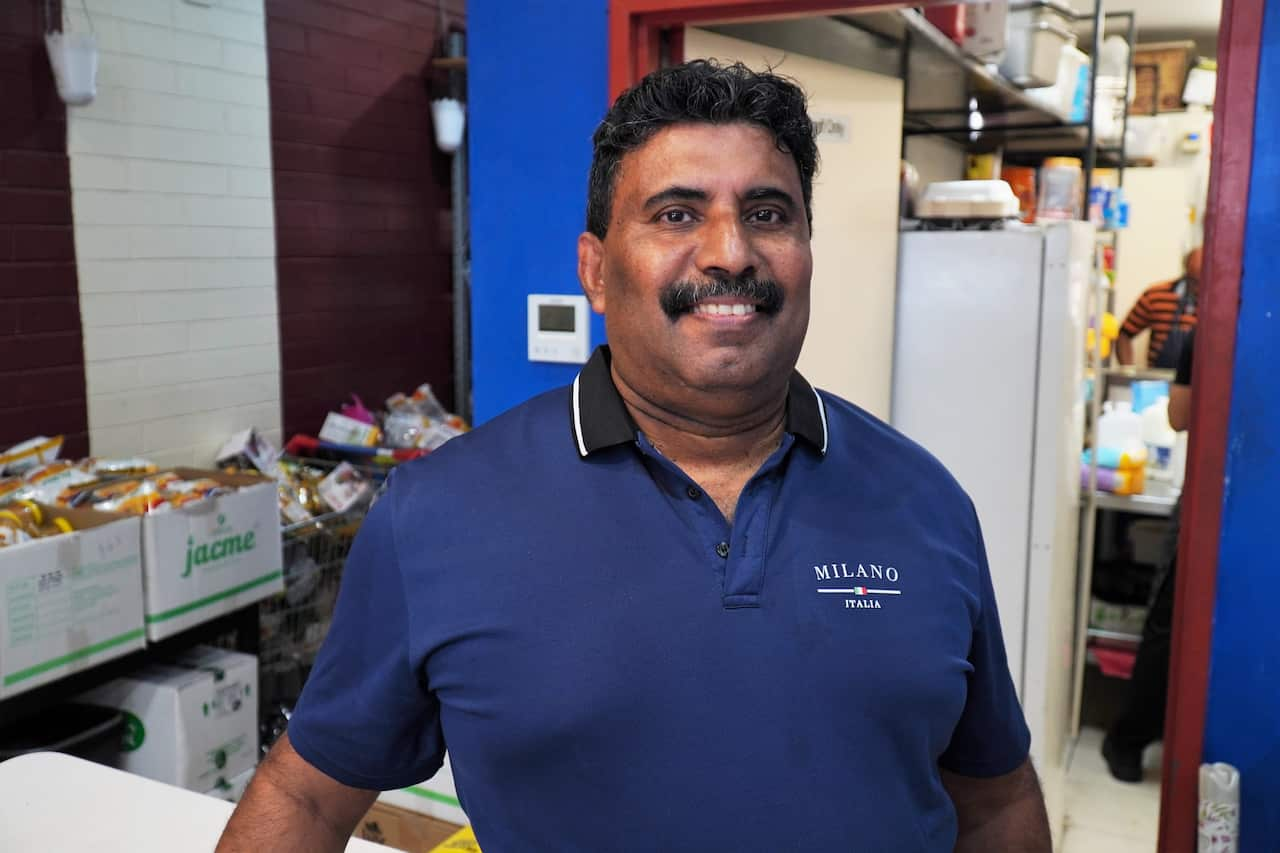
At Indian Chef Restaurant, co-owner George Jacob has been preparing to sell new sweets for the celebrations. The town's Indian community includes people from different parts of the Indian subcontinent, bringing with them a diversity of regional cuisines and cultural traditions.
"We go [to] other groups and we celebrate and have very good friendship and relationship and a good harmony in Alice Springs," Jacob told SBS News.
Meanwhile, the gurdwara (a Sikh place of worship) will open its doors for food and celebrations, with families gathering to pass on traditions to younger generations.
"We have a free kitchen, a communal kitchen on that day. Everybody can eat and enjoy. And even at home as well, we lit candles and praised God."
Alice Springs' multicultural population reflects a growing diversity across the Red Centre, with migrants from dozens of cultural backgrounds making the region home.
Analysis by the Multicultural Community Services of Central Australia (MCSCA) estimates first-generation migrants from 72 cultural groups now account for about one-third of the region's population.
MCSCA acting manager Joy Taylor says the Indian diaspora alone makes up an estimated 20 to 25 per cent of the migrant population.
"We're looking at this area that's three times the size of Victoria. So, the impact of increasing numbers of migrants is much more significant than in other parts of the country," she tells SBS News.
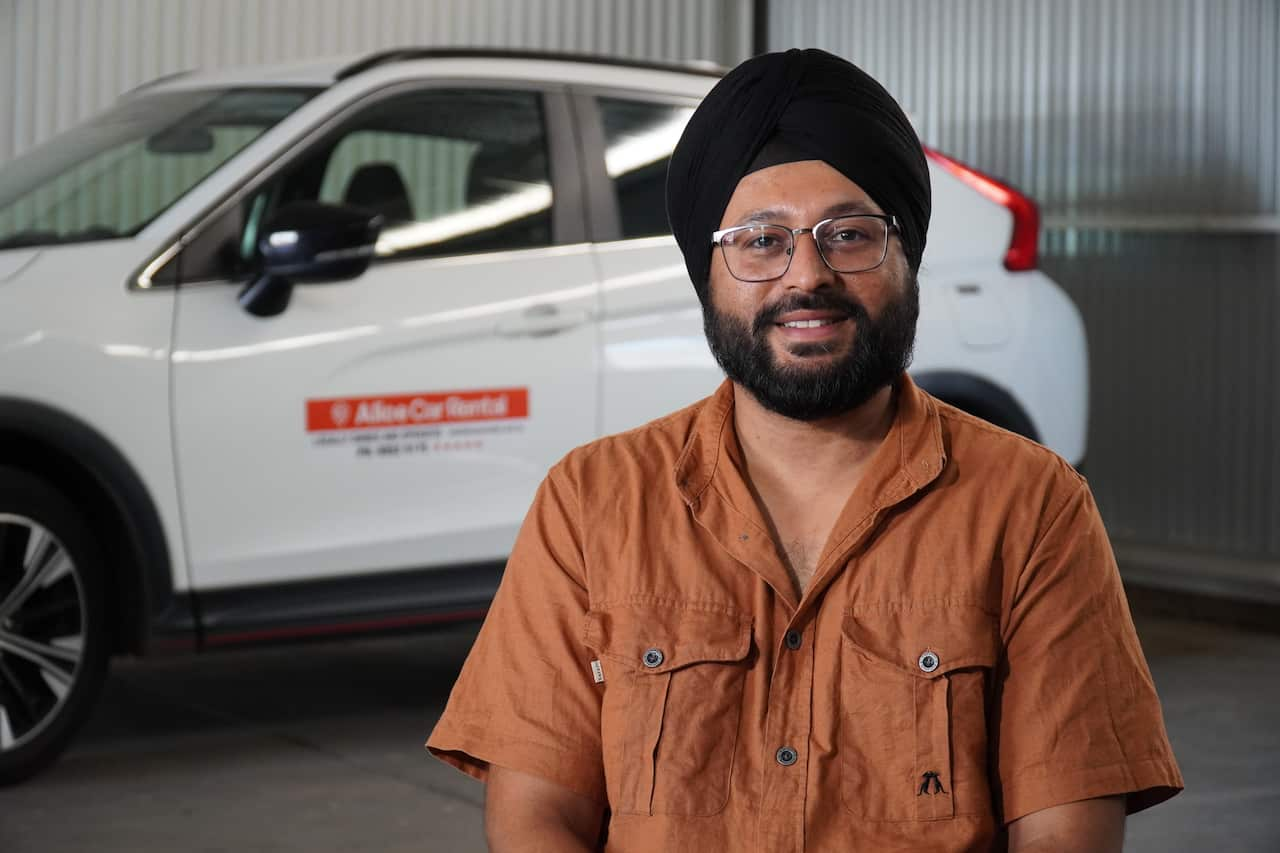
For Jashan Singh, the connection to Alice Springs goes back much further.
His family moved to the town when he was 13, and after spending time interstate, the now 35-year-old has returned to help run the family car rental business.
His father and uncle established the business and chose an independent approach rather than operating under a franchise.
"It was my dad and my uncle, two brothers. They said, 'Why not? We can just try to do it ourselves. We don't need to try and get a franchise,'" Singh tells SBS News.
He says regional communities can offer opportunities for people willing to make a start.
"There's certainly a lot of value in that where people are able to be themselves fully and without fear or without feeling rejected for who they are."
For Mahendru too, Alice Springs has become an unexpected place to call home — one where he has been able to pursue a career on his own terms, despite the doubts his family once had about his future.
"My mother was always stressed and anxious about it, [saying] that I'm not going to get anywhere in life because I'm not good at studies.