The year was 1932. There was no internet, World War Two was still seven years away, and the US President Donald Trump wouldn't be born for another 14. It was also the last time Kansas elected a Democrat to the US Senate.
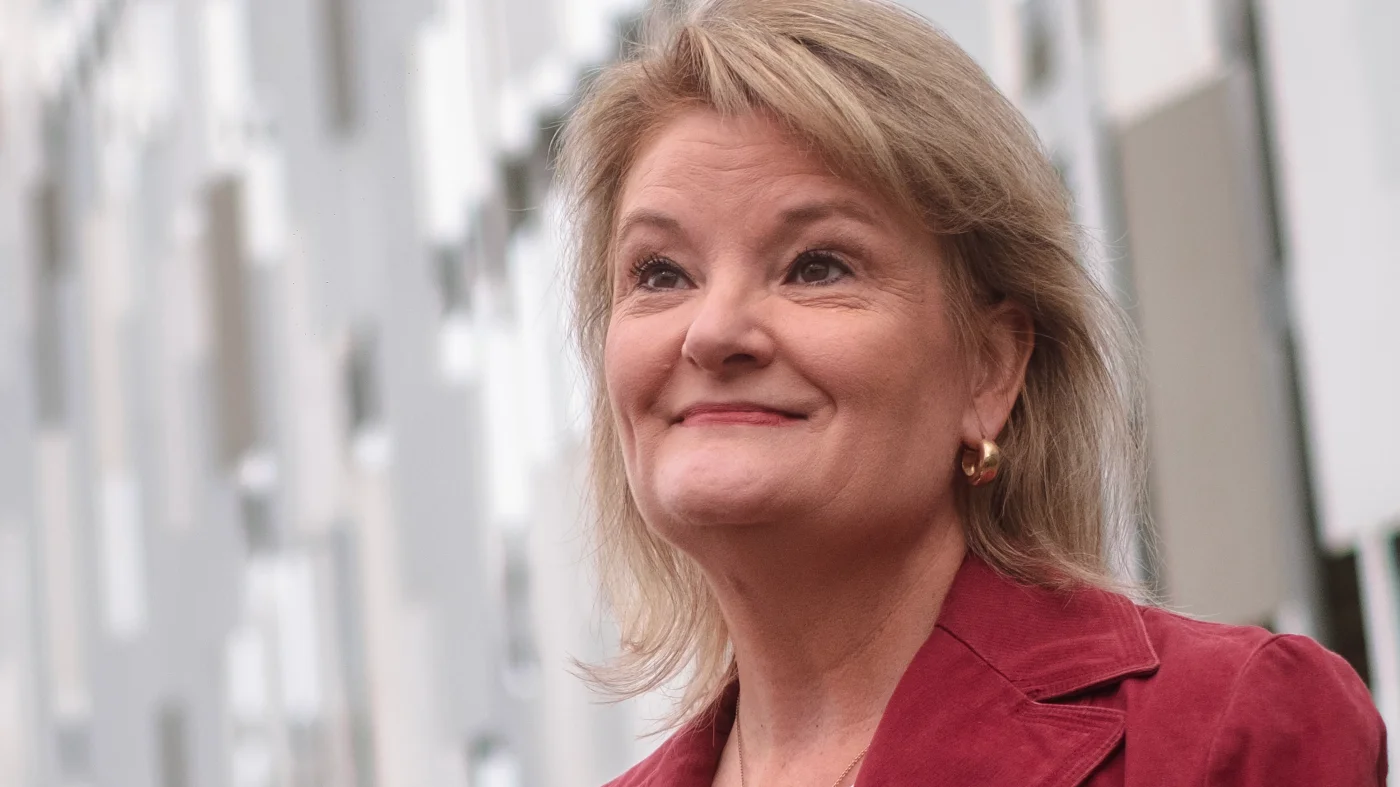
For the first time in nearly a century, Kansas has elected a Democrat to the US Senate with Adam Hamilton ending 31 consecutive Republican election victories in the state.
Like Kansas, at least six other Senate seats have turned from red to blue in the elections according to Associated Press projections, as counting continues. Democrats are also leading with a small margin in Mississippi, which has not elected a Democratic senator since 1982.
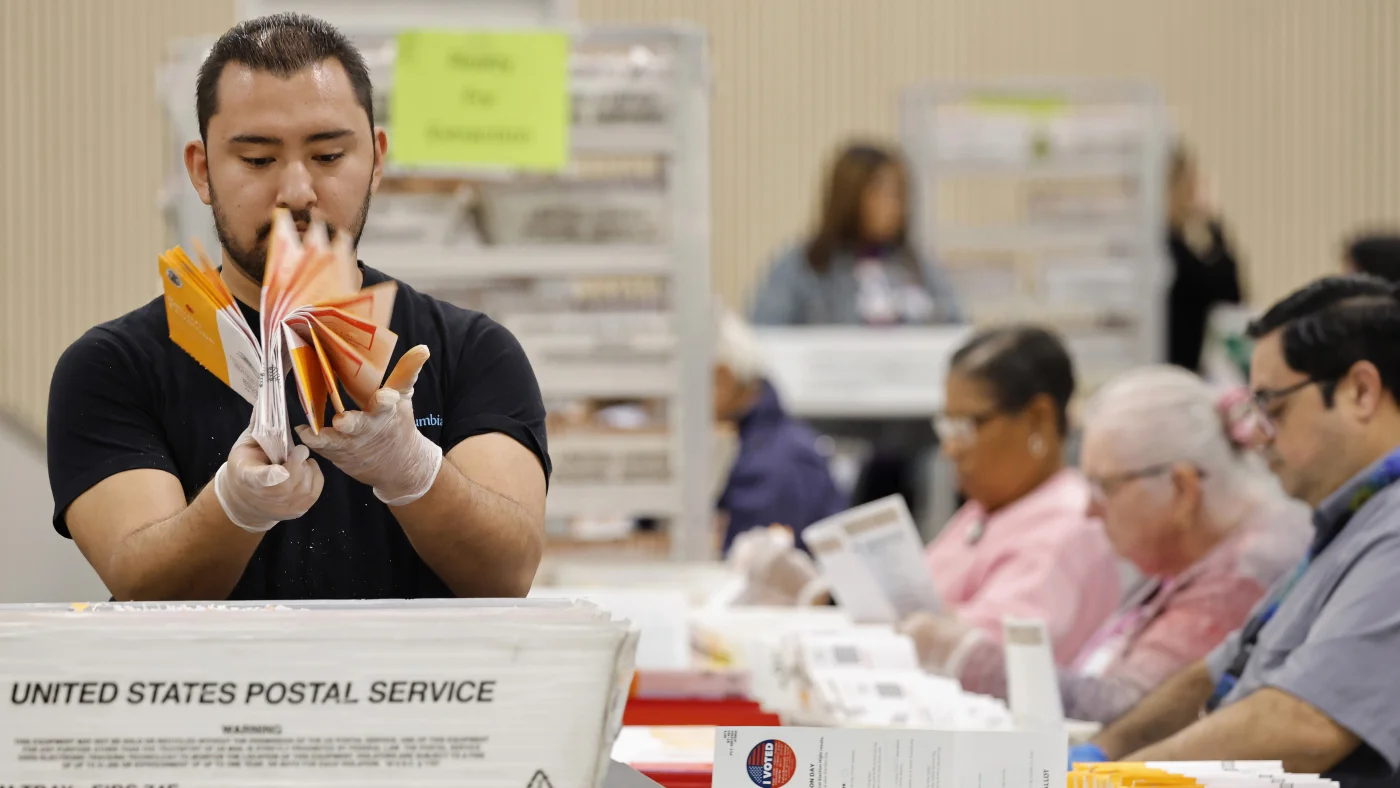
Democrats also flipped at least 30 seats in the House of Representatives. In state legislatures, they now control the Texas House for the first time since 2002 and the North Carolina House for the first time since 2010.
Your trusted source for staying up-to-date with the world around you. Get free daily news updates and analysis, straight to your inbox.
Though polls predicted a 'blue wave' the results are surprising for many — even Democrats.
"I don't think that most people expected this, even quite optimistic Democrats," associate professor David Smith of the United States Studies Centre at the University of Sydney told SBS News.
"It was a very high turnout election for the midterms ... It wasn't that Trump voters stayed home. They turned out to vote, but they voted for the other side."
Democrats have flipped seven Senate seats: Kansas, Texas, South Carolina, North Carolina, Iowa, Ohio, and Maine. Republicans held the first three for decades.
One of the "most stunning results" of the election happened in Kansas, Smith said.
Hamilton, a pastor, beat Republican candidate Roger Marshall by five points, turning the seat blue after 94 years.
Last week, Trump visited Kansas for the first time since 2018 to rally support for Marshall's campaign.
Agriculture is the state's largest employment sector, contributing $76 billion to its economy, and experts say this may be connected to the election results.
"Tariffs made it more difficult for American farmers to sell their goods to other countries. The war in Iran has meant that diesel and fertiliser have got a lot more expensive," Smith said.
"Because of the fact that ICE (Immigration and Customs Enforcement) agents were going to farms ... Farmers have reported that a lot of people are no longer coming to work.
"Everything has been made worse by Trump's policies across rural America."
The Associated Press (AP) Voter Poll in Kansas shows that voters saw the state of democracy (34 per cent), the economy (33 per cent) and immigration (18 per cent) as the top three issues facing the country.
Election results also show 86 per cent of Black Americans and 74 per cent of Hispanic Americans in the state voted for the Democrat candidate, while a 51 per cent white majority voted for the Republican candidate.
Texas is another state that has faced an unexpectedly strong blue wave: the state has a Democrat senator for the first time in 38 years, and the party will also control the state's House of Representatives for the first time in 24 years.
Rosalind Dixon from the School of Global and Public Law at UNSW believes two main factors drove the results in the state.
"One is just a nationwide swing against the Republican Party and the policies of Donald Trump on the cost of living and the war in Iran," she told SBS News.
"In Texas in particular, a large minority and immigrant voting block that has been horrified by the approach of ICE and the Trump administration toward immigration policy."
Texas voters similarly placed the economy, state of democracy and immigration as their top issues with the former ranking slightly higher.
South Carolina was another stronghold Republican Senate seat, that flipped for the first time since 1998.
Democratic candidate Annie Andrews won a majority of the vote over Republican senator Darline Graham, who sought a full Senate term after being appointed to her brother Lindsey Graham's seat following his unexpected death in July .
Smith said the result was "a huge shock".
"Donald Trump handpicked a candidate who wasn't very good ... And Democrats, once again, ran a very good campaign there and really tapped into frustration with the cost of living," he said.
"It's really a combination of bad Republican candidates and just a very unfavourable national political environment, which comes back to how much people disapprove of Trump."
Despite the differences between individual state races, polling points to one common factor behind the Republicans' failure: Donald Trump.
The AP Voter Poll, which surveyed 80,000 voters in all 50 states, found that 40 per cent of voters wanted "to express opposition" to Trump with their vote for Congress, 20 per cent wanted to express support, and for the rest, Trump "was not a factor".
Smith said the reason behind the blue dominance was "very simple ... They are very disappointed in Donald Trump".
"Donald Trump promised to lower the cost of living in the United States. That's why so many people voted for him in 2024, because they had really suffered rising cost of living prices during the Biden administration," he said.
But Trump made prices go up instead, which led people to want to punish him.
Trump, however, rejected claims about his impact on the election, saying he "wasn't on the ballot" and if he was, "we would have won".
The US presidential election is scheduled for November 2028. Although Trump can't be nominated for a third term, experts question whether the election results will remain the same.
Dixon described this as "the million-dollar question".
"There are definitely a new generation of Democrats in this election who give great energy and vision to the future of the party. And so this definitely is a shift that could last," she said.
"But it's obviously a massive protest vote against Trump, the war in Iran, and many of his other failed policies and behaviours."
The real question is whether the Democrats can capitalise on the opportunities, she said.