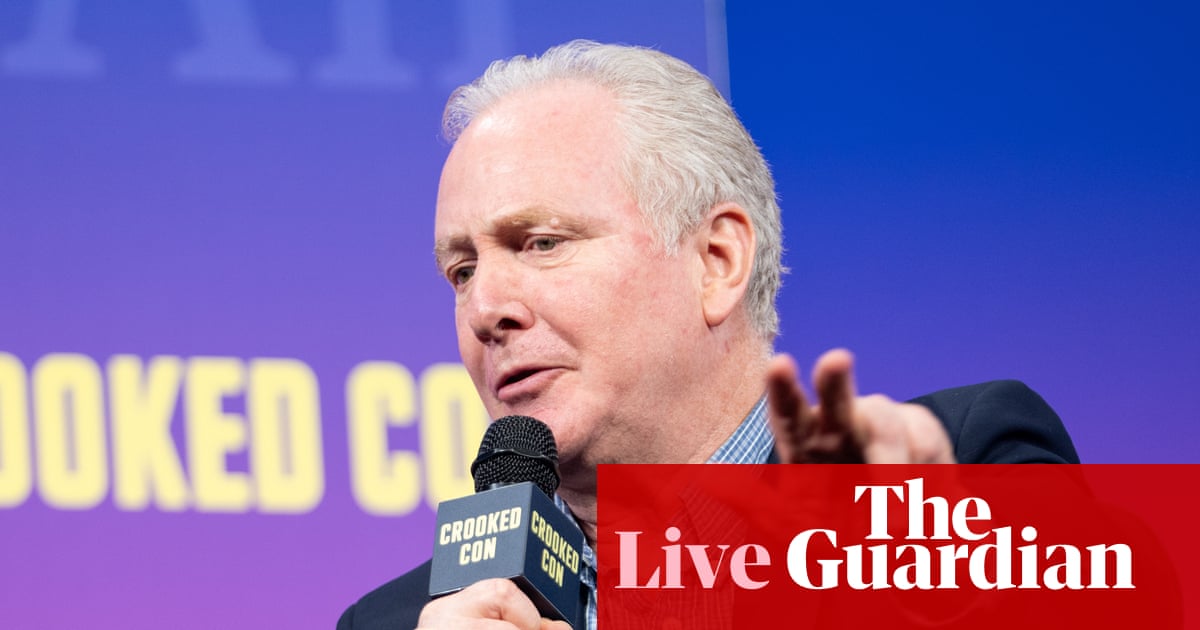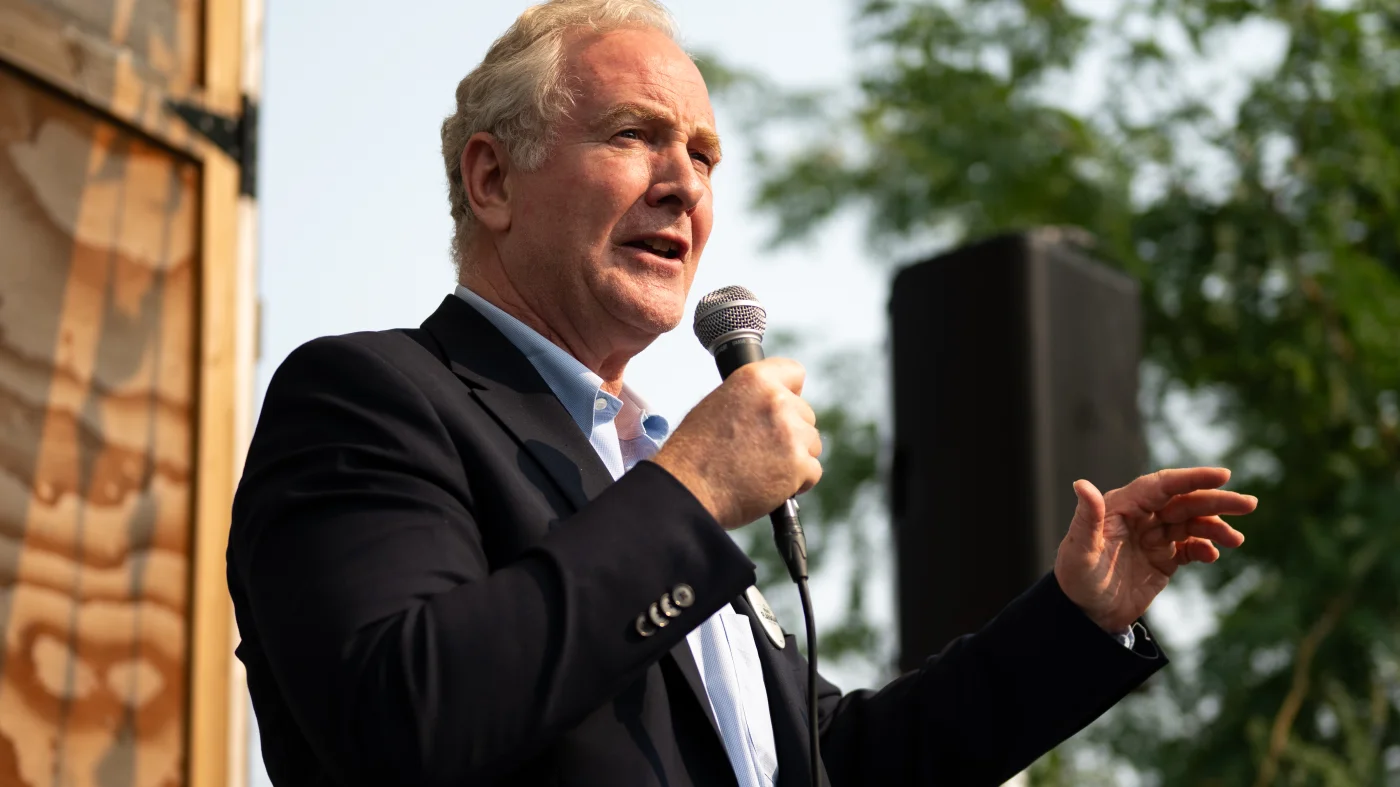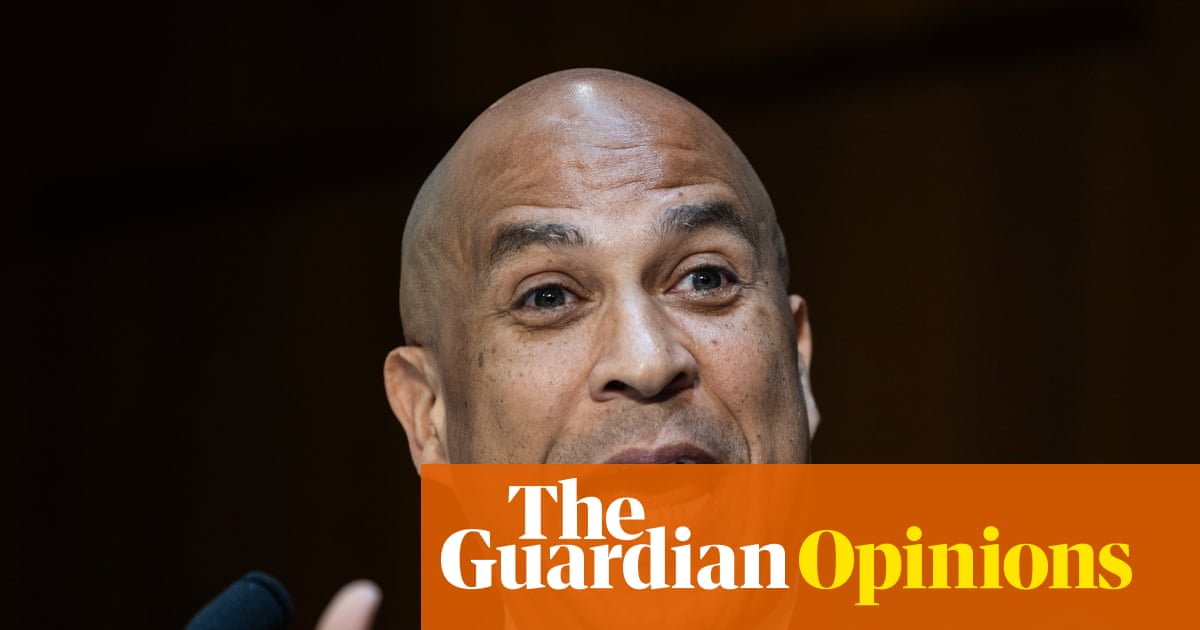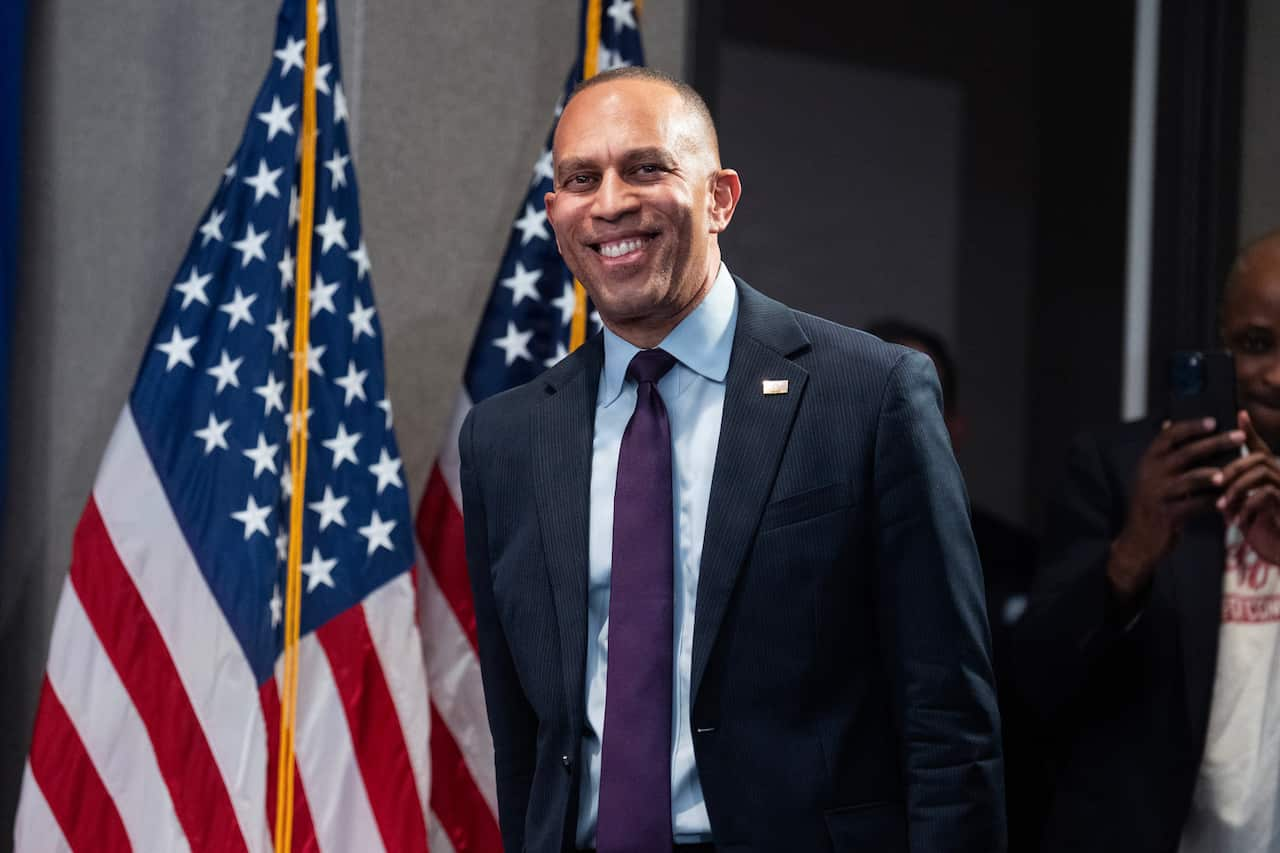
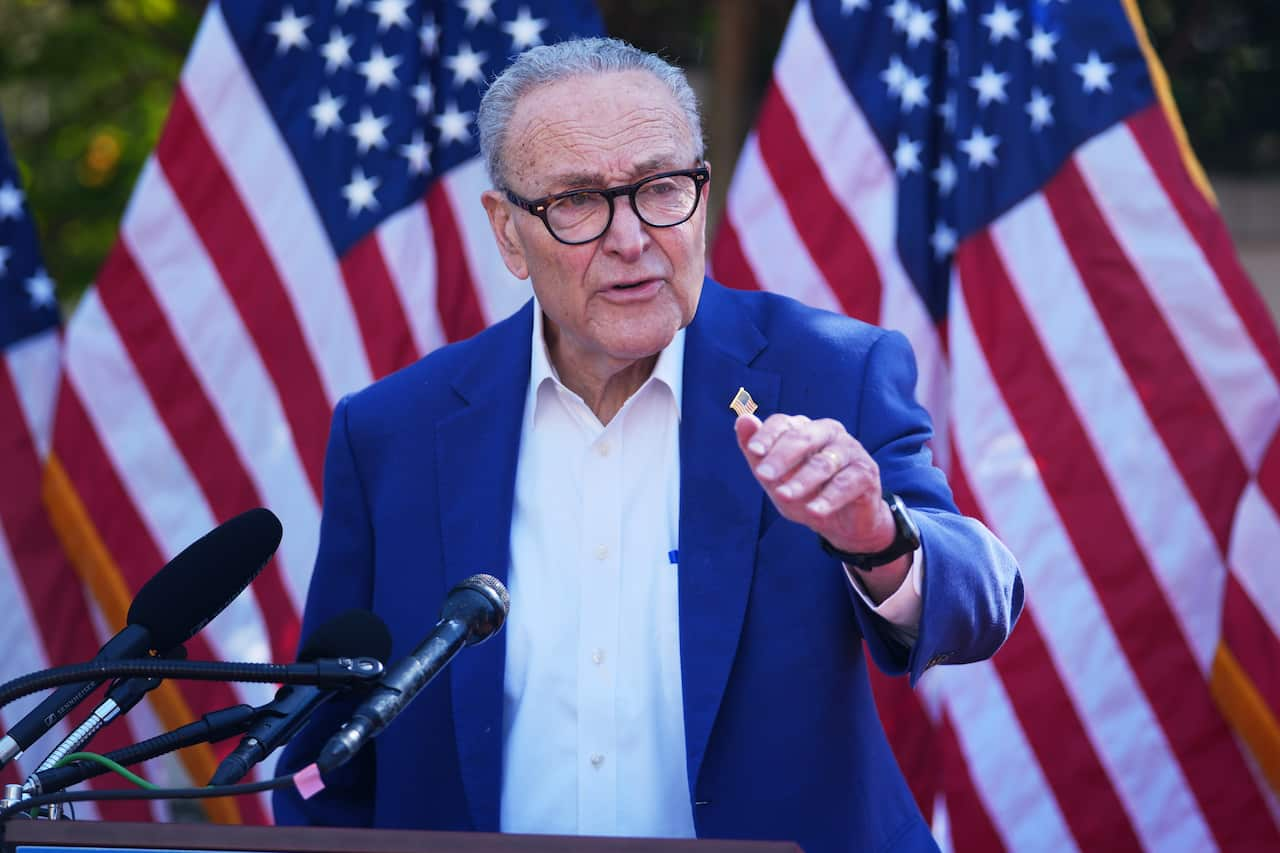
Democrat Hakeem Jeffries will make history as the House of Representatives' first Black speaker in the new US Congress, with Senate minority leader Chuck Schumer poised to take the upper house's top spot.
A historic midterm election result has given Democrats control of both the House and Senate — paving the way for a blue 120th US Congress.
The party currently holds 54 Senate seats — 51 are needed for a majority. In the House, they hold 237 of the 435 seats — 218 are required to hold a majority.
The balance of power will likely make it difficult for US president Donald Trump to secure congressional approval on legislation, however he has indicated he may use presidential veto power s to block the Democrats' bills in turn.
Jeffries, 56, is the only candidate running for speaker of the House. He will be the first Black speaker in US history if his colleagues agree to swear him into the role in January 2027.
Your trusted source for staying up-to-date with the world around you. Get free daily news updates and analysis, straight to your inbox.
Schumer, 75, is expected to become Senate majority leader — his second stint in the position.
"Against all odds, we Democrats have won the Senate!" Schumer said after the results were called.
He declared Trump the "worst president ever" and said Republicans "followed Trump over the cliff".
"We listened, they didn’t. And the American people reduced the red brick wall to a pile of bricks," he said.
"Americans voted for change and now, Democrats must deliver."
Jeffries declared "America is back" in his victory speech after he retained New York's 8th district by a wide margin.
"We're going to fight to make sure that we make this country affordable for every single American," he said.
The Democratic congressman from New York is currently the minority leader in the House of Representatives.
He's represented Brooklyn in the House since 2013.
In 2022, House Democrats selected Jeffries to succeed House minority leader Nancy Pelosi. He made history when he was sworn in in 2023, becoming the first Black person to lead a major party in Congress.
In a statement, Pelosi congratulated Jeffries on becoming the "next Speaker".
"Exactly twenty years after I became the first woman to hold the gavel, he will make history as the first Black Speaker of the House," she said.
"I know the strength, judgment and resolve that office demands. Hakeem has those qualities in abundance. He has led Democrats to this extraordinary victory, and he will be a magnificent Speaker."
As speaker of the House, Jeffries will control the legislative agenda, decide which bills come to the floor, and appoint committees. He is the public face of the House Democrats and becomes the second in line for the presidency, after the vice president.
Once the midterm election results are finalised, House Democrats will meet privately to vote for their nominee for speaker. Then, all 435 House representatives will vote for the speaker on the House floor.
Jeffries remains uncontested and, with the Democratic majority, is expected to serve in the position when Congress sits in January.
"Against all odds, House Democrats were consistently successful in the minority. We must now deliver the dramatic change the American people are demanding in the majority," he said in a statement announcing his candidacy for speaker.
Jeffries has long campaigned for the lowering of healthcare and prescription drug costs, reproductive rights, affordable housing, gun control and voting rights.
Born in 1970, Jeffries was raised in Crown Heights, Brooklyn. His father served in the US Air Force and was a drug and alcohol counsellor, and his mother was a social worker. His uncle, Leonard Jeffries, was a professor at the City College of New York and had strong links to the Afrocentrism movement.
"When Hakeem was growing up, [the commercial corridor] Myrtle Avenue was known as Murder Avenue," said Lupe Todd-Medina, one of his longtime political advisers.
"It was not a place white people wanted to go. He grew up in this bubble of love, with lots of aunties around him. That also helped shape who he is."
Schumer is one of the biggest winners of the Democrats' midterm victory.
The Senate minority leader is poised to win Congress' most influential role, Senate majority leader.
If he is sworn into the role in January, Schumer will lead the Senate's legislative agenda, approving bills and nominations for the floor and negotiating with the House and the President's administration.
Schumer will lead the Democrats, managing the party's strategy and messaging, as well as voting and committee priorities. He will also lead the party's challenges and negotiations with the Trump administration.
He has held the position before, serving from 2021 to 2025 under Joe Biden.
Once the election results have been finalised, Senate Democrats will hold a private vote to determine who will lead the caucus.
While Schumer is uncontested, five newly elected Democratic senators have expressed opposition to his appointment.
The cohort includes Kansas senator Adam Hamilton, Illinois senator Julia Stratton, Maine senator Troy Jackson, Minnesota senator Peggy Flanagan, and Michigan senator Abdul El-Sayed.
Schumer has served in the Senate since 1999, and has led the Senate Democrats for almost a decade.
He's the senior Democratic senator for New York, serving the state alongside Kristen Gillibrand, who was elected in 2009.
Schumer wasn't on the ballot for the 2026 midterm elections — re-elected in 2022, he will serve a six-year term and run for re-election in 2028.
Like Jeffries, Schumer has campaigned for lower prescription drug prices, expanded healthcare access, infrastructure investment and job creation, gun control, renewable energy and voting rights.
Since Roe v. Wade was overturned in 2022 , Schumer has led a strong Democratic campaign for reproductive rights and abortion access.