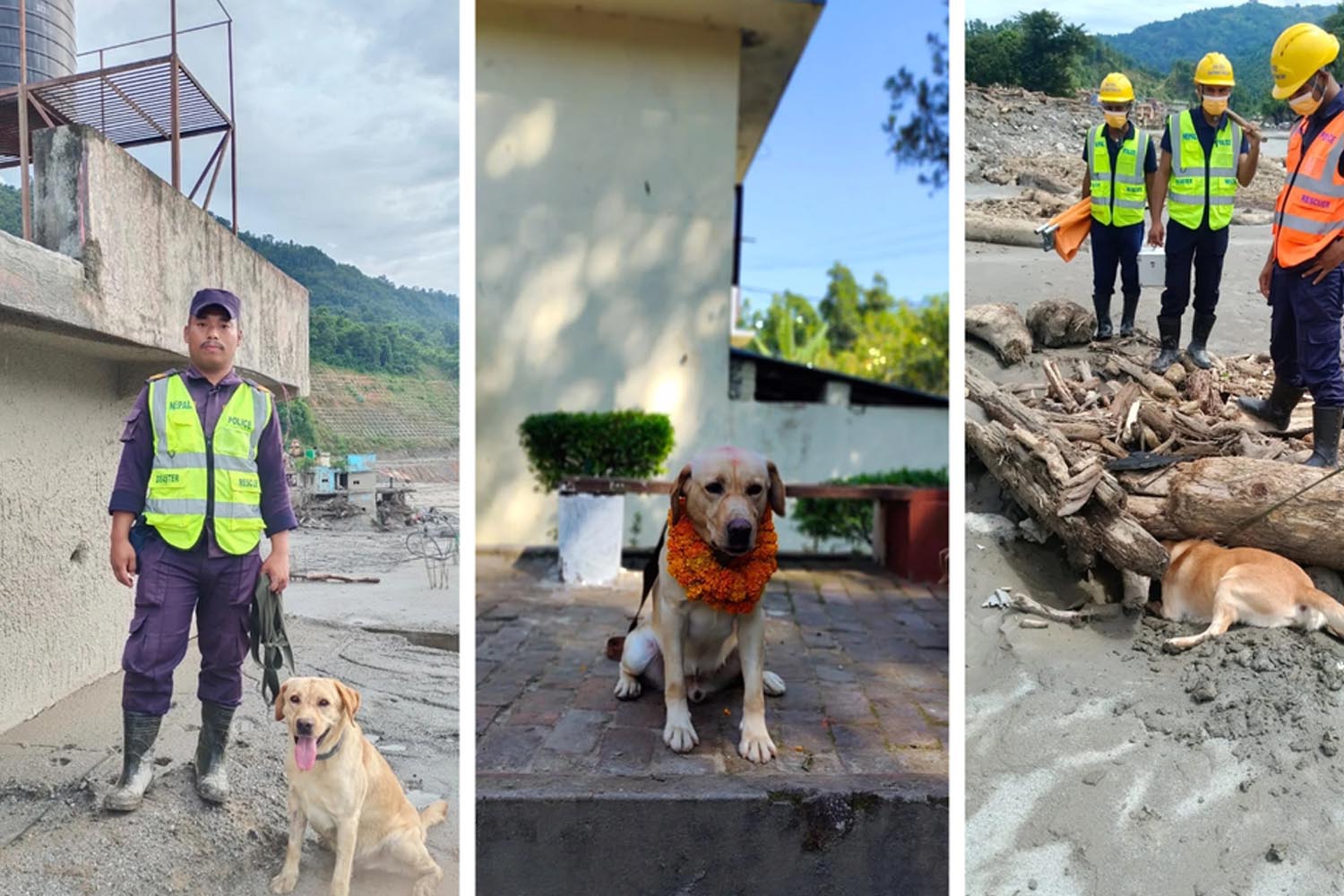
The Bhotekoshi flood swept away homes, livelihoods and the futures of hundreds of people. Many lost family members, homes and farmland, while children orphaned by the disaster face an uncertain future. Several settlements remain cut off from road networks, and damaged health facilities have disrupted access to basic medical care. Years of hard work and the foundations of people's lives have been destroyed. The Prime Minister's Disaster Relief Fund, operated by the Office of the Prime Minister and Council of Ministers, has received Rs 18 billion, up from Rs 2.17 billion before the floods. Contributions have come from domestic and foreign donors, government agencies and ordinary citizens who cut back on their own expenses to support victims. Their expectation was that the money would help affected communities rebuild. Yet, the plight of disaster victims suggests that these substantial contributions have not translated into meaningful improvements in their lives. The National Disaster Risk Reduction and Management Authority (NDRRMA) was allocated Rs 1 billion for rescue and relief, but only Rs 370 million has been released. Around Rs 260 million has gone towards helicopter operations. Private helicopter companies conducted 2,794 flights, while the Nepali Army carried out 2,068. Although helicopters were essential to rescuing people stranded in remote areas, information on rehabilitation spending and its outcomes remains largely unclear.
Read full story at source ( myrepublica.nagariknetwork.com )