The impacts and risks of climate change are intensifying in Nepal. Recent disasters, particularly the incidents in the Gandaki region and the devastating Bhotekoshi floods, have sent a strong message to the international community that Nepal is among the countries highly vulnerable to climate change. The Prime Minister also highlighted several critical climate-related concerns at the recent United Nations General Assembly.
Although Nepal has formulated various policies, programmes and roadmaps to address climate change, translating these commitments into action remains a major challenge. Adequate financial resources, along with strong political will and administrative and institutional commitment, are essential to ensure their effective implementation.
According to the preliminary assessment of the Bhotekoshi floods, the Government of Nepal has estimated the cost of damage recovery at approximately USD 723 million. However, this figure does not account for indirect economic losses, trade-related costs or the full value of damage to natural resources. Therefore, the actual cost is likely to be considerably higher.
So far, Nepal has managed to secure approximately USD 930 million through around 30 climate-related projects at various stages of implementation. This indicates the need to improve the effectiveness of project preparation and adopt a more strategic approach to accessing climate finance. We should learn from countries such as China, which have successfully mobilised substantial financial resources through large-scale, strategically designed projects.
Ultimately, Nepal’s challenge is not simply to secure more climate finance, but to ensure that available resources are effectively mobilised and translated into tangible outcomes.
At present, considerable financial pressure remains in the areas of infrastructure reconstruction and community rehabilitation. Community rehabilitation, in particular, is a complex process that requires careful planning and assessment. Nepal should draw important lessons from its post-earthquake recovery experience to develop more effective approaches.
Several private-sector banks and institutions have also started taking initiatives in this area. Government-affiliated and supervised institutions, including the National Trust for Nature Conservation (NTNC) and the Alternative Energy Promotion Centre (AEPC), are also contributing, alongside international organisations such as the International Union for Conservation of Nature (IUCN), the Asian Development Bank (ADB) and the Food and Agriculture Organization (FAO). However, a fundamental question remains: do our institutions have the necessary capacity to access, manage and effectively implement these financial resources?
Nepal must move beyond the identity of a climate-vulnerable nation and position itself as a proactive leader in climate action. To achieve this, several key priorities need to be addressed.
First, Nepal should strengthen regional cooperation with neighbouring countries, particularly China and India, in areas such as data sharing, joint research and development, and the establishment of technical standards for climate-resilient infrastructure. The mountain agenda and regional coordination should also be promoted through South-South cooperation platforms rather than relying solely on individual representation at global forums.
Second, Nepal must strengthen its international presence and climate-related claims through credible evidence, reliable data and comprehensive statistics, in accordance with the protocols and requirements governing access to the Loss and Damage Fund.
Third, the implementation of existing climate projects must be accelerated. Although Nepal has secured financial resources for various initiatives, progress on the ground remains slow. Strengthening institutional and technical capacity is essential to ensure that allocated budgets and programmes are effectively delivered to communities at the grassroots level.
The existing project-design and financing mechanisms also need substantial improvement. Under the current system, where much of the process is concentrated within the Ministry of Finance, coordination gaps have emerged between technical ministries and the actual needs of local communities. Although climate-finance guidelines emphasise the importance of directing a substantial share of resources towards communities, the proportion reaching provincial and local governments remains limited.
It is therefore misleading to assume that climate finance has reached communities simply because the relevant expenditure has been recorded under specific budget codes. What matters is whether the resources have actually reached the intended beneficiaries and produced meaningful results. This requires a stronger focus on institutional capacity development, effective coordination and transparent financial delivery mechanisms.
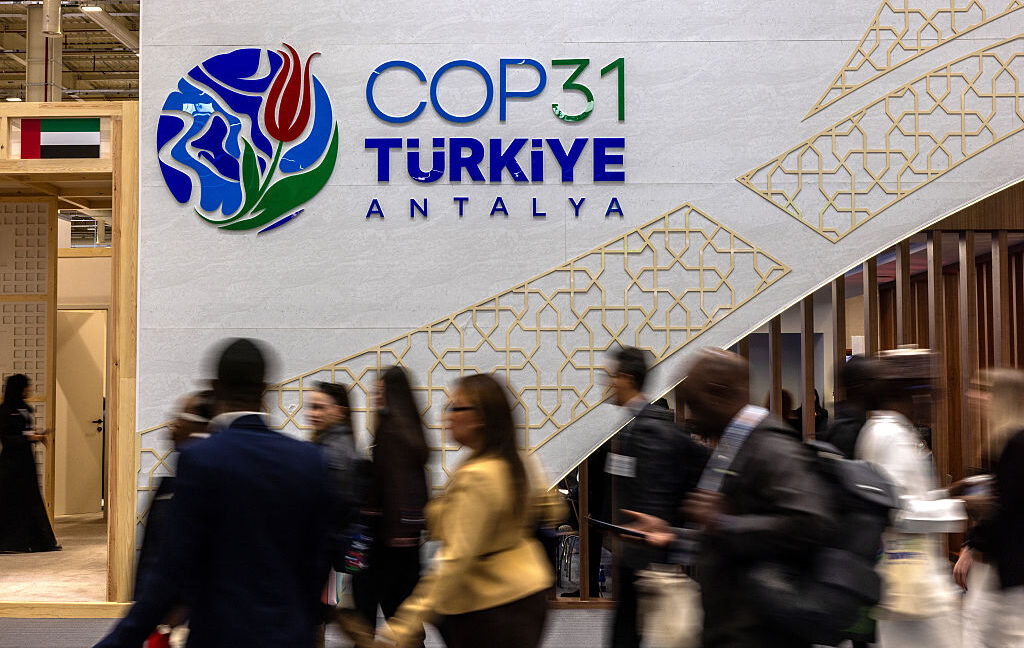
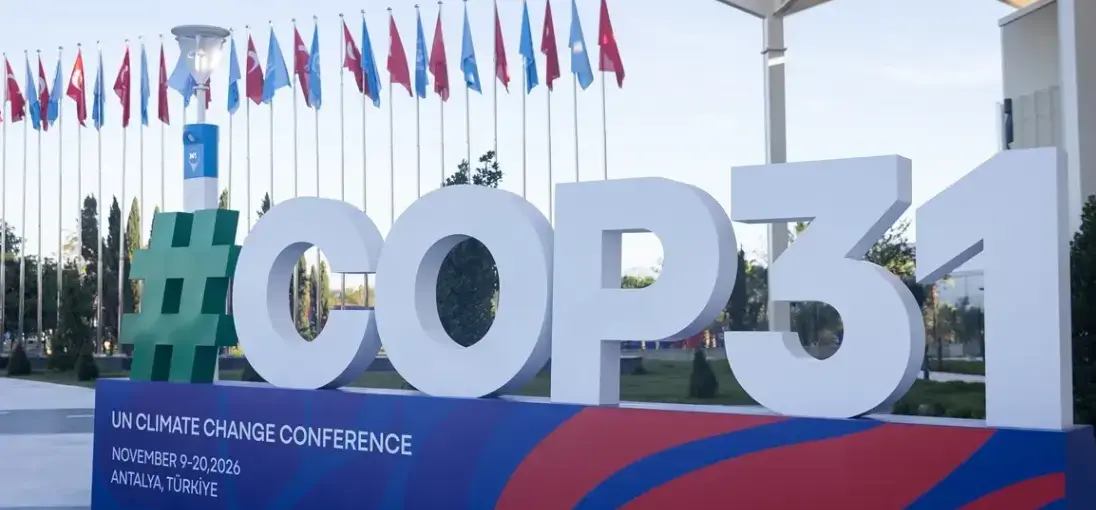
As Nepal prepares for COP31, it must give greater prominence to the mountain agenda, evidence-based documentation of climate-related losses and damages, and the broader concept of coordination from the mountains to the sea. These issues should be firmly incorporated into Nepal’s national statements and negotiating priorities.
Nepal must further strengthen its presence, voice and priorities in international climate diplomacy. Equally important is the need to consolidate fragmented institutional structures, equip them with adequate resources and technical expertise, and establish stronger climate governance mechanisms. Effective coordination among federal, provincial and local governments must also be institutionalised at the policy and implementation levels.
Ultimately, Nepal’s challenge is not simply to secure more climate finance, but to ensure that available resources are effectively mobilised and translated into tangible outcomes. Moving from climate vulnerability to climate leadership will require strong institutions, evidence-based diplomacy, regional cooperation and, above all, the capacity to turn commitments into action.
(Edited excerpt from a speech delivered by researcher Dr. Sudan Oli at an interaction programme titled “From Climate Victims to Climate Leadership”, organised by the Institute of Strategic Studies and Socio-Economic Research (ISSR) and Khabarhub on Monday at Durbarmarg, Kathmandu)
Publish Date : 04 November 2026 20:35 PM
The impacts and risks of climate change are intensifying in
KATHMANDU: Newly appointed Inspector General of Police (IGP) Dr Manoj
KATHMANDU: The Nepal Stock Exchange (NEPSE) posted a marginal gain
KATHMANDU: In a departure from established practice, Home Minister Sudan
GORKHA: Dry landslides have been occurring continuously in the Manaslu
Reg No.: 1222/075-76(DOI, Nepal)
Chairman: Naresh Shrestha
Contact: +977 1-4249158
©2026 Khabarhub | All rights reserved.