T wo decades ago, a dear friend called me in a trembling voice. Was there hope for his young nephew , whose cancer had spread to the brain? Sadly, “no”, I said. But today, for such patients, there are options that were unimaginable back then.
Recently, researchers at the European Society For Medical Oncology presented the latest chapter results from a randomised controlled trial of a bespoke cancer vaccine for patients with high-risk melanoma. The trial involved 1,137 patients whose melanoma had been surgically removed but remained at high recurrence risk. They received either pembrolizumab, an established immunotherapy, or pembrolizumab combined with an experimental mRNA vaccine, designed to help the immune system recognise and attack targets unique to the patient’s tumour.
At two years, 82.2% of those who received the combination were alive without their cancer returning, compared with 70% of those given pembrolizumab alone – a difference of about 12 percentage points. The combination also reduced the relative risk of distant metastasis or death by 38%.
These results raise the prospect that personalised vaccines could become an important addition to cancer treatment. Whether they will deliver similar benefits in other cancers remains to be established.
Overall survival data are not yet mature, so we don’t know whether the combination helps people live longer. Fever, injection-site pain and fatigue were common with the vaccine combination. Rates of severe treatment-related adverse events were similar between the groups; quality-of-life data is not yet available.
The standing ovation for the researchers was deserved, as was praise for the pharmaceutical companies that backed an idea that was once a pipe dream. Yet as cancer treatments become more effective, another question gains importance: what is life like for the people who receive them?
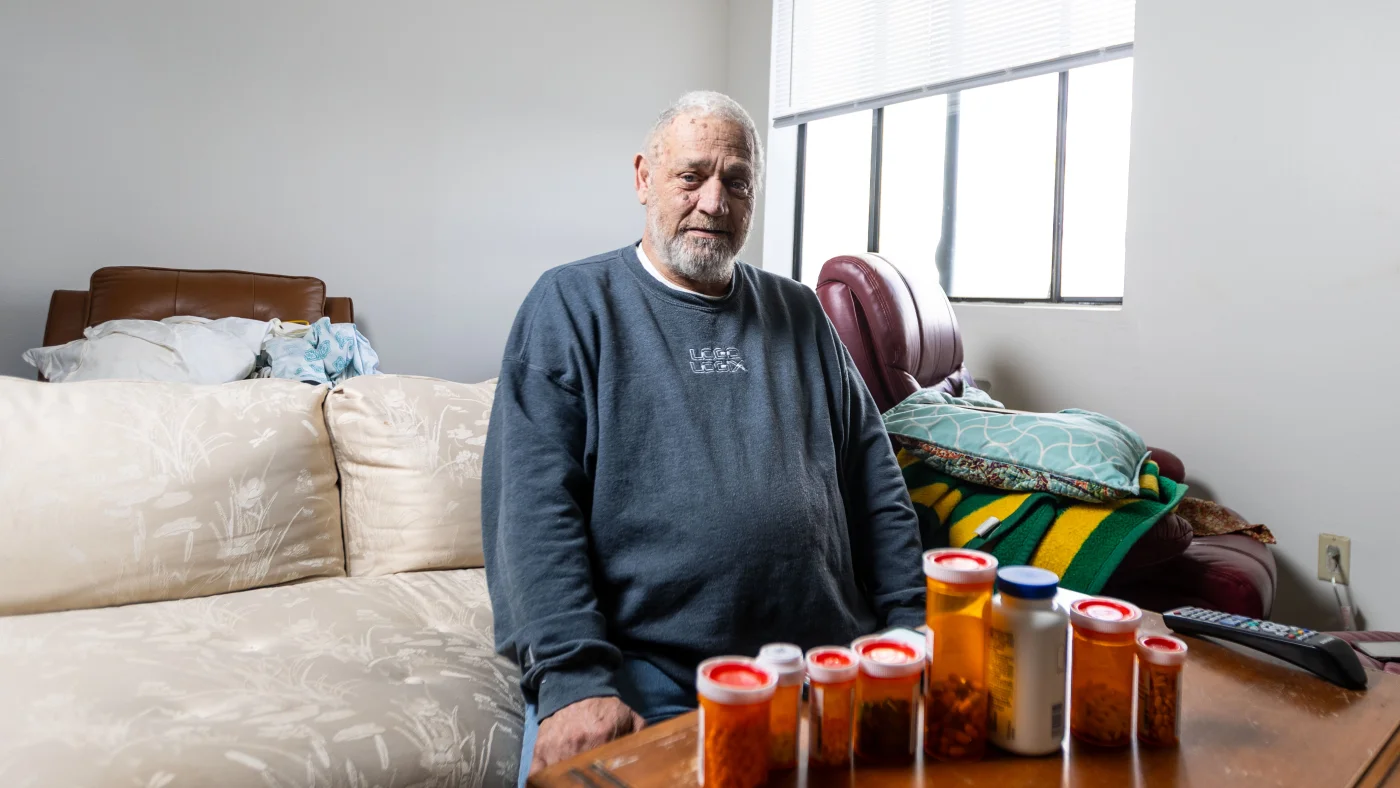
Treatment can delay a cancer’s return, but can impose a considerable burden. Side-effects, fatigue, impaired mobility, psychological trauma, financial strain and the disruption of family and career all shape the experience.
In my work, I am often sobered by the juxtaposition of scans showing no cancer with a patient who cannot sleep, work or enjoy what others take for granted.
Recently, a retired academic approaching 90 told me: “My dear, the best thing you could do for me is get me safely home.” For this patient, their priority was clear; pursuing intervention would have caused a serious decline in their quality of life.
That does not mean some people should automatically be offered less treatment, or that the value of treatment depends on age alone. But it does mean oncologists must understand what each person hopes treatment will achieve, and explain what they may have to endure to get there.
My experience with elderly patients has made me more conscious of my other patients who are mid-career, raising children or caring for relatives.
The parent whose persistent nausea makes school drop-offs impossible.
The hairdresser who can’t work due to neuropathy.
The executive dismayed by cognitive fog.
A treatment that offers a cure or extra months of survival may be worthwhile to one person, even with significant toxicity. Others may place greater value on earning an income, caring for a child or living independently. These are not competing definitions of success: they are individual priorities that good medicine should respect.
Yet quality of life is often reported less rigorously than response, recurrence and survival. Less than a third of trials report quality-of-life measures in the primary publication , which most professionals read, and just half publish them at all.
Patient-centred care demands that information about quality of life should appear alongside the main findings, not years later in a separate publication, or not at all. When patients ask, “Doctor, how will this treatment affect my life?”, the information gap can become an indirect permission for oncologists to skim over the granular details.
A recent paper in The Lancet Oncology urges better reporting of health-related quality of life in trials of adjuvant treatments (treatments given after surgery to reduce the risk of recurrence). The researchers argue that average scores conceal important differences between patients: trials should instead report how many people experience a clinically meaningful deterioration, how long it lasts, and whether and when they recover.
Collecting quality-of-life data is not simple, but when data is missing, we should know why. Questionnaires are burdensome for sick patients and doctors have a different notion of quality of life from their patients. Of course, for a patient facing a life-threatening diagnosis, a chance at cure may reasonably outweigh significant toxicity concerns, but imperfect measurement is a reason to improve the status quo, not to look away.
From where I sit, I see immense gratitude for modern therapies, but not inconsiderable decisional regret: “If only I had known.” We should empower patients to ask and be ready to tell them not only how likely a treatment is to work, but also what it may cost them in daily life. Far too often, they find out later that treatment can bring months, years or even a lifetime of adverse effects.
None of this downplays scientific progress. Many treatments are now extending lives, and personalised medicine may bring further gains. But the measure of progress should not end with a scan or a survival curve. Researchers must collect quality of life outcomes diligently, clinicians should discuss them openly, and health systems should treat them as central, not optional, to care.
While writing this column, my thoughts returned to the young man and his family, whose happiness for today’s melanoma patients is tinged with regret for their own loss. Today’s advance stands on the shoulders of the patients who generously volunteered to a take part in a study not knowing if they would themselves benefit. They deserve our gratitude.
Our ambition should be not only to keep people alive, but to protect the lives they want to live, and to recognise that the true cost of treatment is measured in more than money.