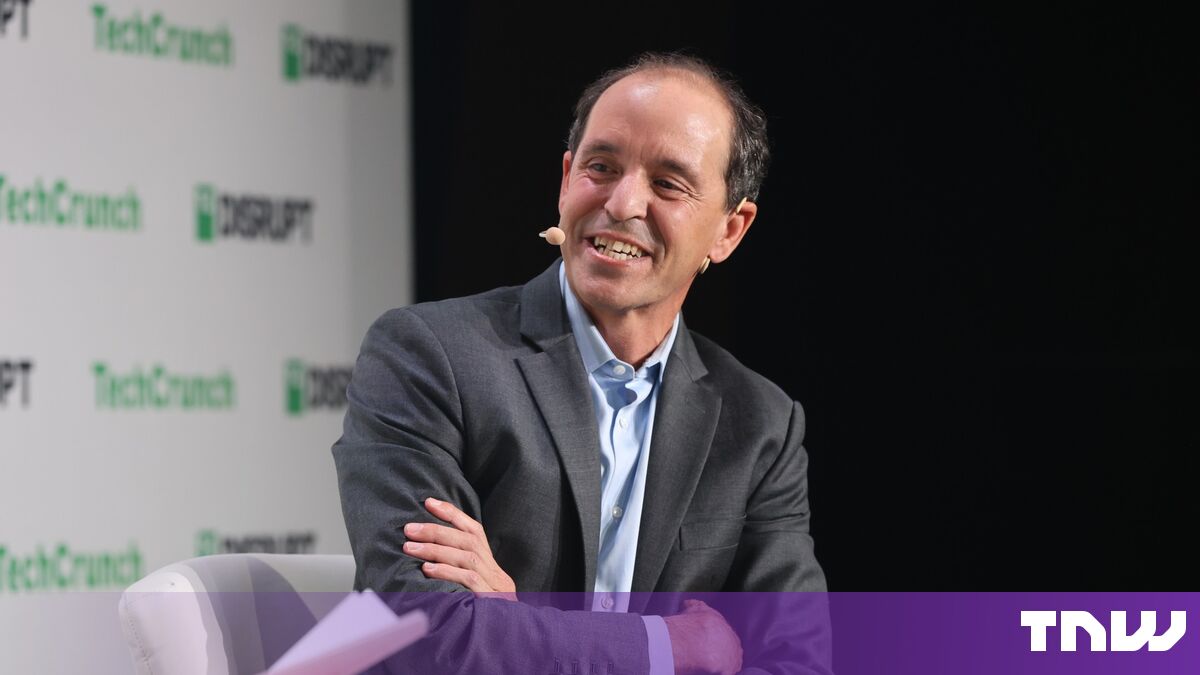

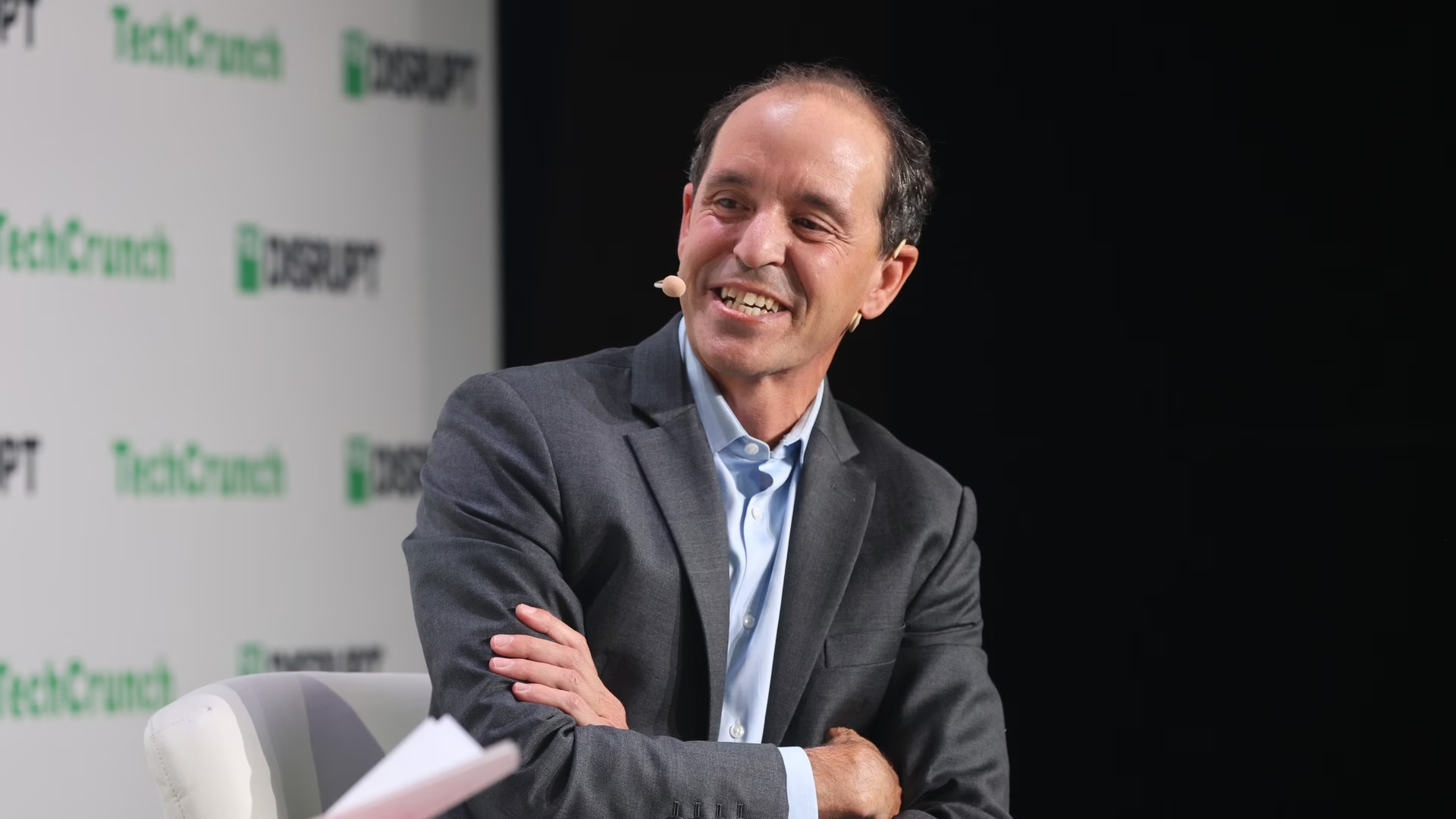
Chris Lehane, now OpenAI’s chief global affairs officer, at TechCrunch Disrupt in San Francisco in September 2023.
AI will be the number-one issue of the 2028 US presidential election, says Chris Lehane, OpenAI’s chief global affairs officer. His memo, titled “2028: The AI Election”, sets out five questions he says candidates must answer to build an AI agenda.
Politico published the Chris Lehane memo in full on Monday, a day before the US midterm elections.
Lehane compares 2028 with the 1932 election, when Franklin D. Roosevelt’s New Deal rewrote the social contract. He writes that a candidate who sets out a “compelling third path” will have a chance to define a new contract. That path runs between those who would let AI advance “without speed limits” and those who would leave it “in the hands of a self-appointed elite”.
By early October, one in five ads by Democratic candidates or groups mentioned data centres, according to the memo. Most of those ads ran in Michigan, Ohio, Pennsylvania and Texas, the states where companies are planning and building the sites.
Lehane imagines candidates at an early 2028 Democratic event raising their hands to back a moratorium on data centres. Six months later, the US could lose its AI lead to China for lack of computing power, he writes.
“This could well be the 2028 version of the 2002 vote to go to war in Iraq,” Lehane wrote.
He also writes that OpenAI’s analysts found likely Chinese Communist Party influence operations in the US. They posted social media comments and images claiming that AI buildouts were raising household electricity bills, according to the memo.
The memo cites polling that Lehane says he has seen or run himself. In his own polling, voters prefer a candidate who leads their party on AI policy by 25 points. Some 66% support continued AI development, including 53% who want stronger safeguards, while 24% favour a pause.
The five questions cover safety and human control, taxes, children and jobs, affordability, and the race with China. On safety, Lehane writes that “AI is a machine, not a person”. He calls for enforceable safety standards, independent assessments and the power to shut systems down.
On jobs, he writes that OpenAI’s compute campus in Piketon, Ohio alone will need 25,000 skilled tradespeople.
OpenAI will launch a policy push right after Tuesday’s vote, Jim VandeHei and Mike Allen reported for Axios on Sunday. It starts in the lame-duck session of Congress, which opens on 9 November.
OpenAI will propose mandatory “speed limits” for the most powerful AI systems, building on its call for national rules in September. It will also offer community deals for new data centres, Axios reported. And it will propose state laws that give residents a say in how the sites get built.
“You’re going to see us talk more and more about the concept of speed limits,” Lehane told Axios.
OpenAI also wants its data centres called “compute campuses”. A spokesperson confirmed the new name to Business Insider .
“Compute campuses better describes the scale and role of the infrastructure we’re building for AI,” the spokesperson said.
Last week, TNW reported that voters in Iowa and Ohio back AI safety measures over winning the AI race. Lehane’s memo itself says there was “little room to be ‘for’ AI infrastructure” in the 2026 campaigns.
For election day, OpenAI and Anthropic will each run a “war room”, Ashley Gold reported for Semafor . Their job is to keep election information on the two companies’ platforms accurate. It is a first for both.
Get the most important tech news in your inbox each week.