In 1982, singer Billy Joel wrote a line that's still painfully true for these voters in the United States.
"We're living here in Allentown and they're closing all the factories down."
More than four decades later, Pennsylvania's Lehigh Valley, where Allentown sits, is grappling with the decline of its manufacturing industry and its once firmly blue-collar identity.
"It's pretty much gone," Joe Nemeth, a former Bethlehem Steel worker, tells SBS News.
"It used to be a very working-class town. Lot of hard-working people. And I can't say that's true anymore."
Your trusted source for staying up-to-date with the world around you. Get free daily news updates and analysis, straight to your inbox.
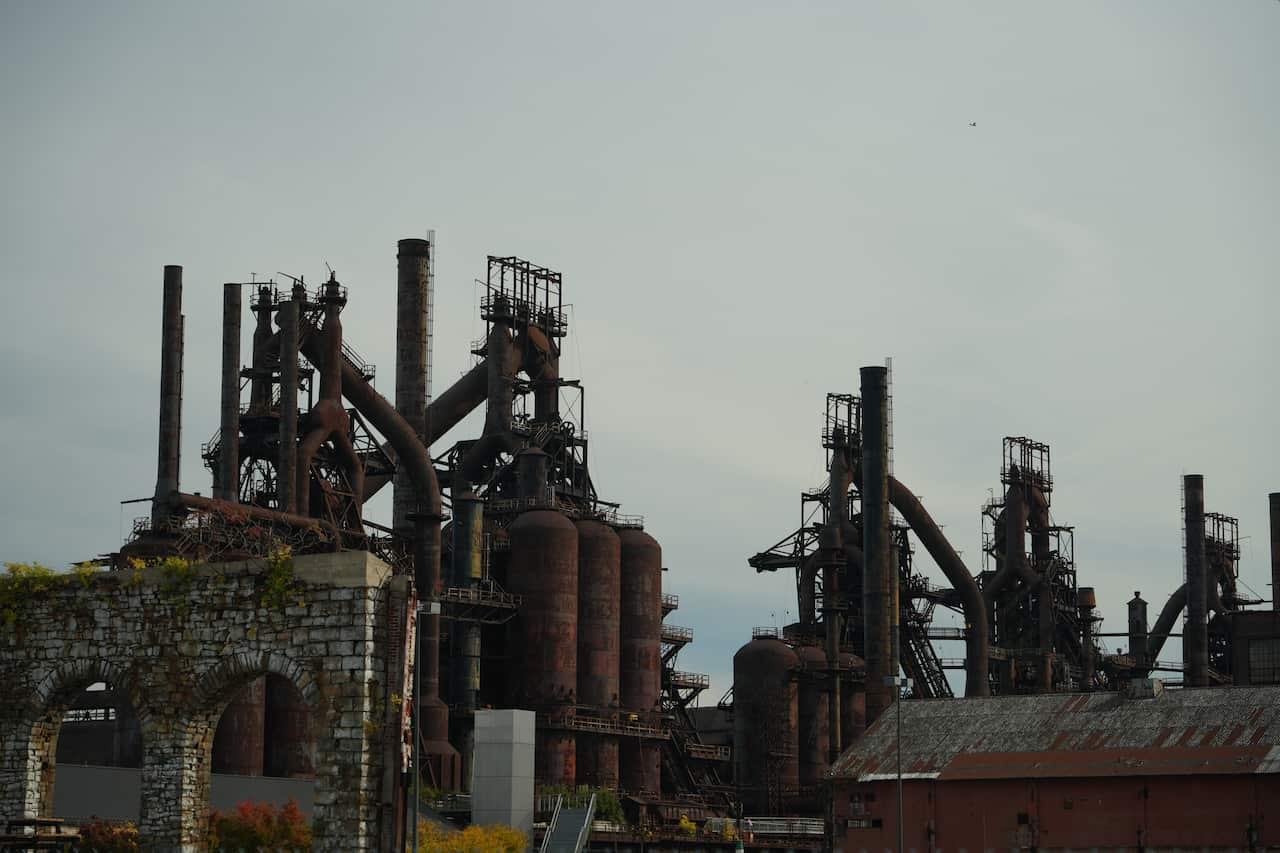
Born and raised in Allentown, Nemeth followed in the footsteps of his grandfather, working at Bethlehem Steel before its last operating blast furnace went cold in 1995.
The plant that once supplied steel for landmarks including the Empire State Building and the Golden Gate Bridge has been transformed into an arts space, but for some, the towering smokestacks are a harsh reminder of the economic decline.
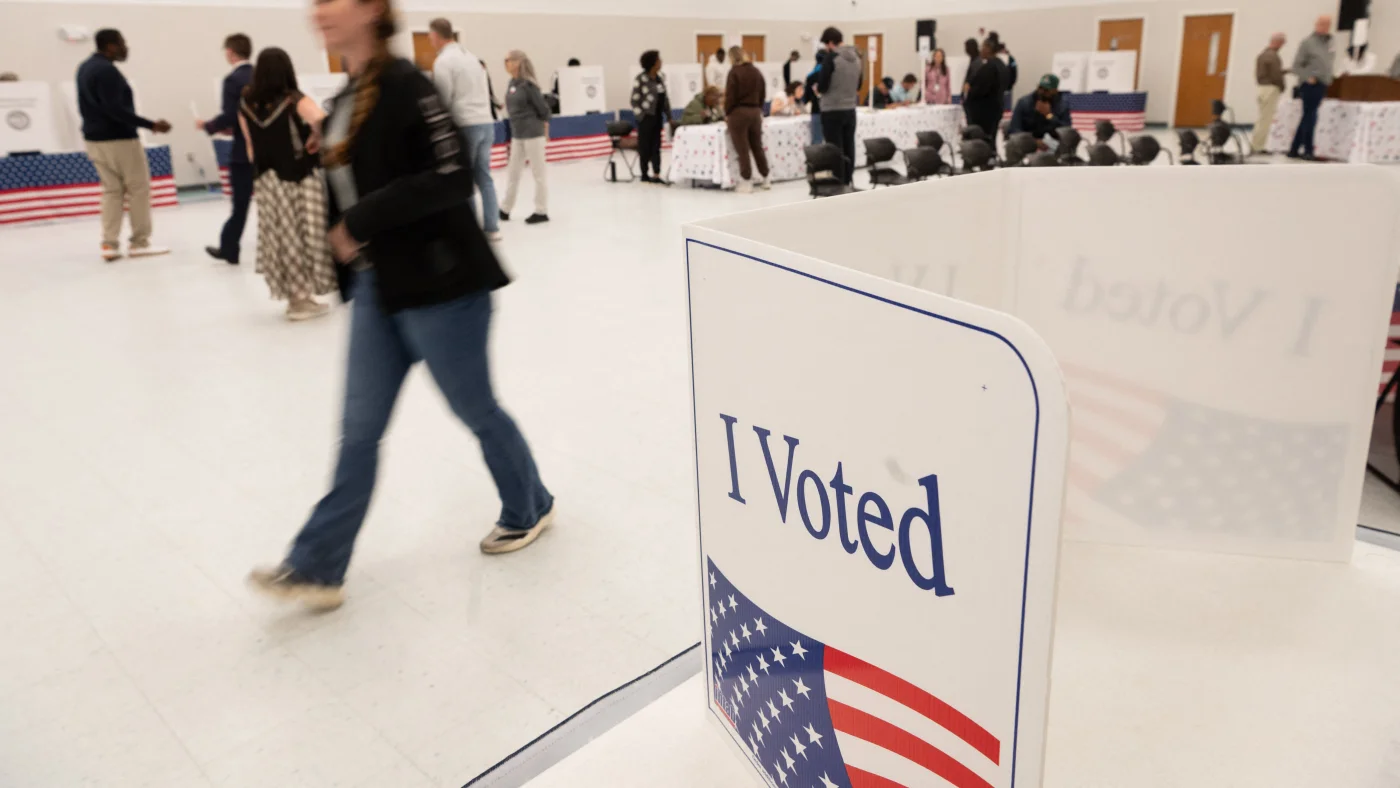
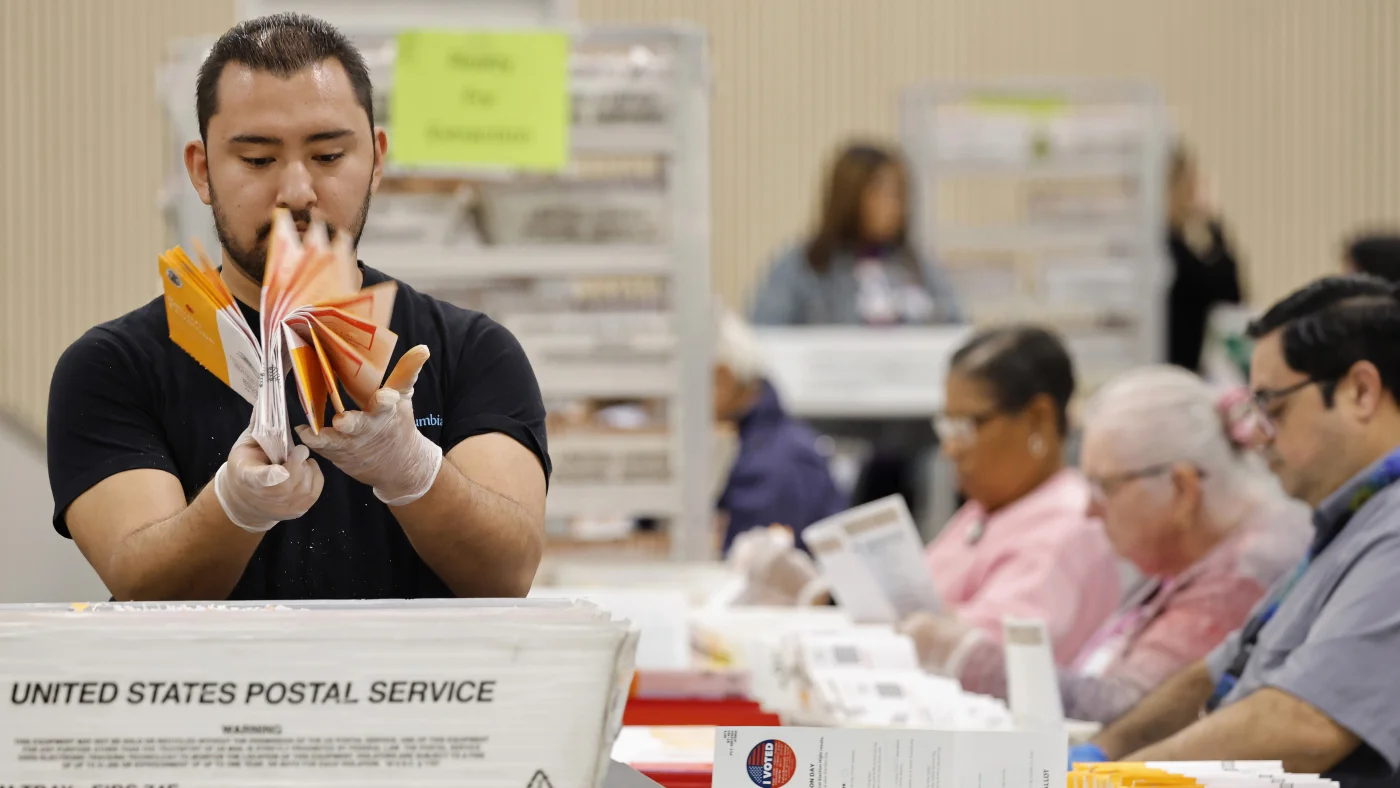
That decline helped turn the Lehigh Valley into a political battleground ahead of the midterm elections, with its competitive House races potentially pivotal to the Democrats' bid to regain control of Congress.
Here, promises of economic revival are closely scrutinised.
On 2 April 2025, the so-called Liberation Day when US President Donald Trump announced sweeping tariffs, he promised that jobs and factories would "come roaring back" to the US.
In the months that followed, US manufacturing shed 82,000 jobs, according to the country's Bureau of Labor Statistics.
It has since recovered 72,000 jobs as of September this year, still leaving a 21,000-job deficit from the start of Trump's second term in January 2025, according to the Economic Policy Institute.
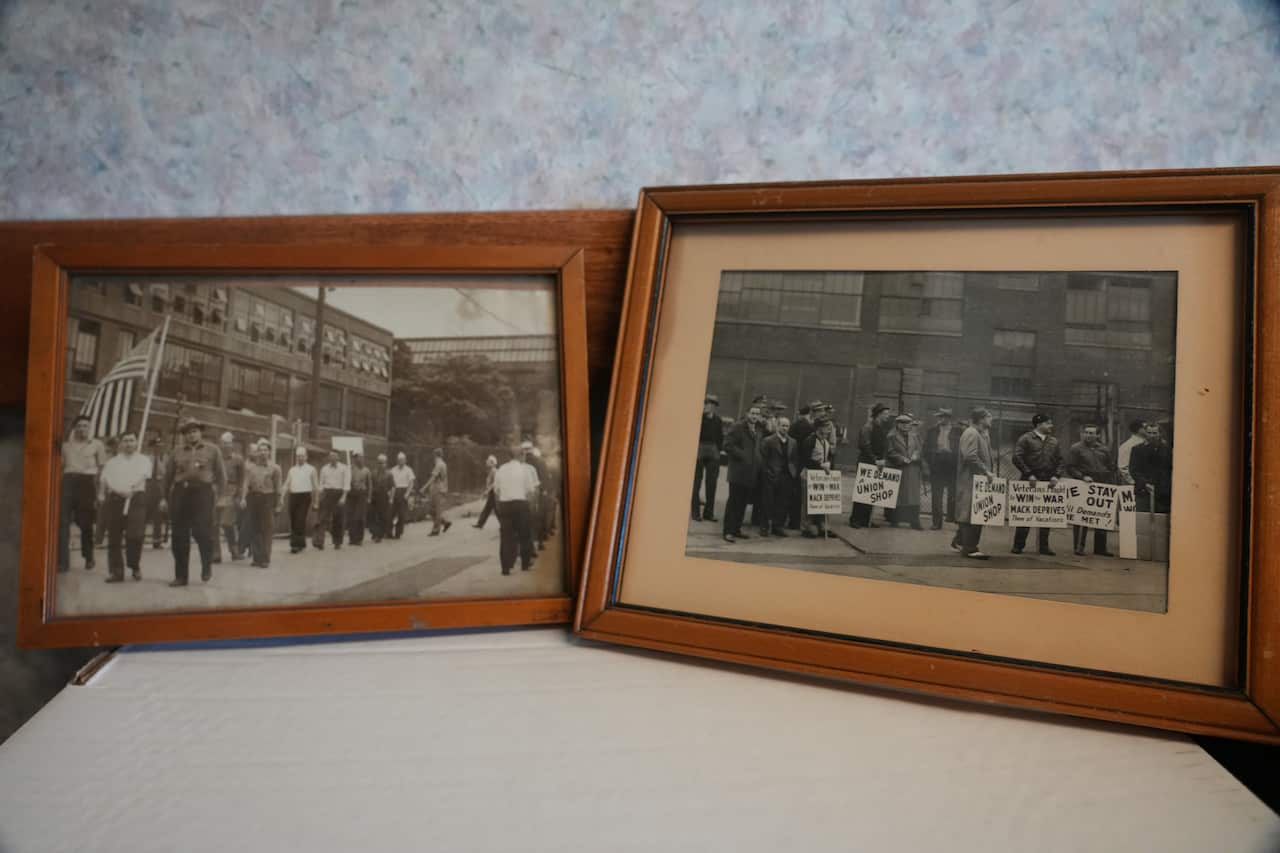
While Bethlehem Steel has been consigned to history, another iconic US manufacturer, Mack Trucks, still operates a facility in the Lehigh Valley’s Lower Macungie township.
Founded in the US in 1900, the company has been owned by Sweden's Volvo Group since 2000.
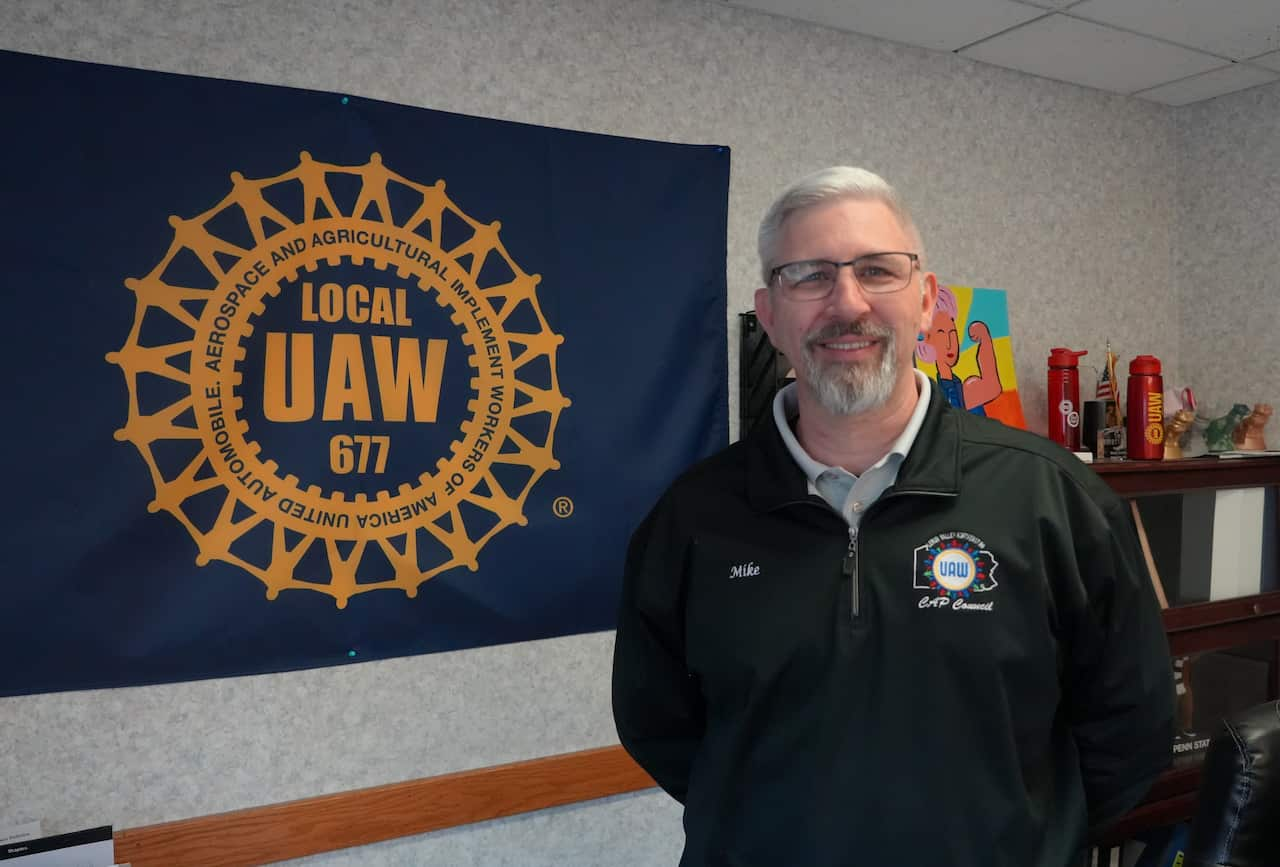
Michael Shupp, president of United Auto Workers Local 677, the union representing Mack Trucks workers, says manufacturing was once the beating heart of the Lehigh Valley.
"Between Mack Trucks and Bethlehem Steel, if you didn't have a family member that was working in one of those two facilities, you hadn't been here long," he tells SBS News.
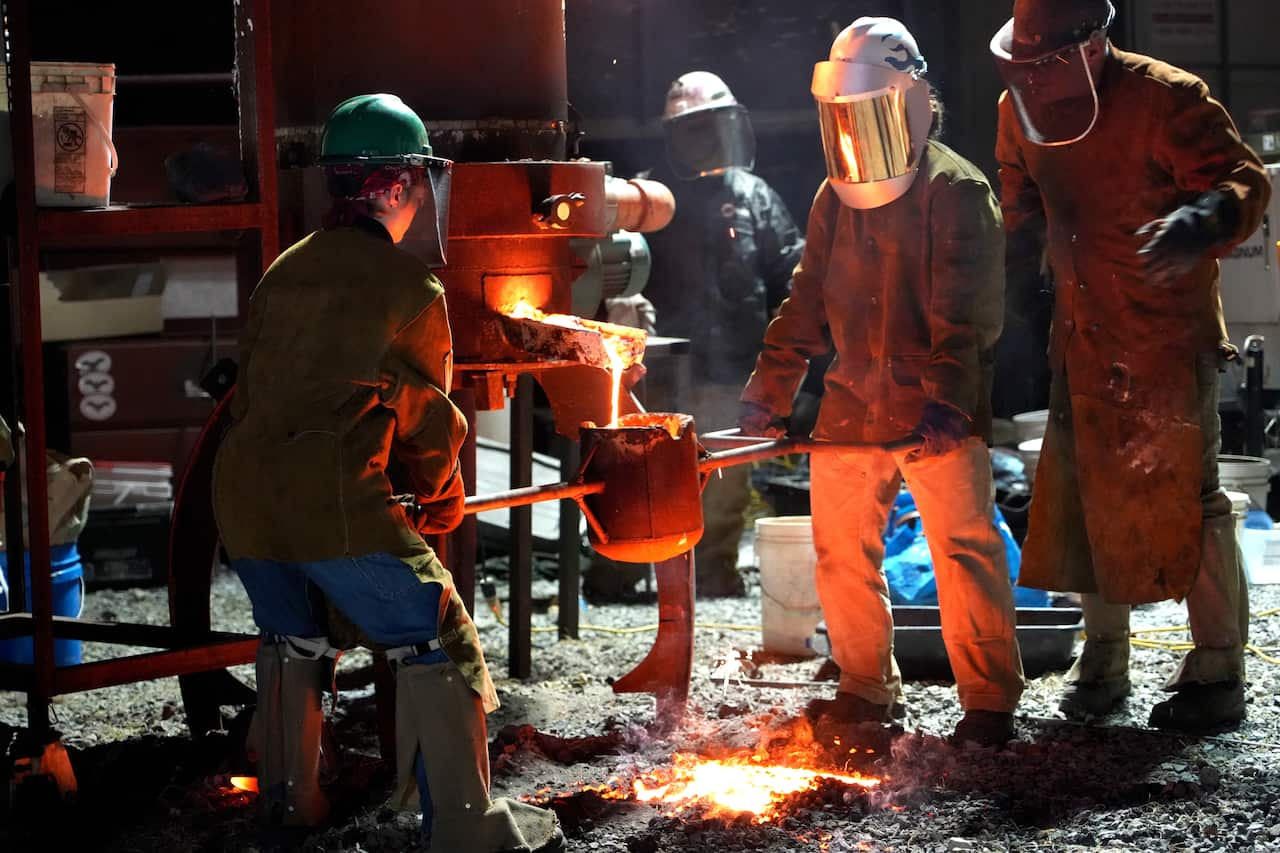
Today, the facility employs more than 2,000 people, but its role has shifted to final assembly and customisation, with components sourced from elsewhere.
"This whole culture of trying to find things cheaper and better, it destroyed the Lehigh Valley for a generation of families," Shupp says.
While he says promises of more jobs may have been kept, he questions whether those jobs offer a sustainable livelihood.
"We have been given the same promise as the rest of the country, that we're going to have more jobs, the jobs are going to be better."
"Those jobs are relying on government subsidies to support the workers, whether they’re on Medicaid, whether they're on food stamps. Those jobs are not paying a living wage."
And with a new Mack Trucks facility opening in Monterrey, Mexico, Shupp says there's fresh anxiety at the Pennsylvania plant.
While there's uncertainty and a lack of transparency about what the Mexico facility will produce, its contract guarantees the Macungie facility will build the majority of the trucks. But the volume of trucks that could be outsourced would still be significant.
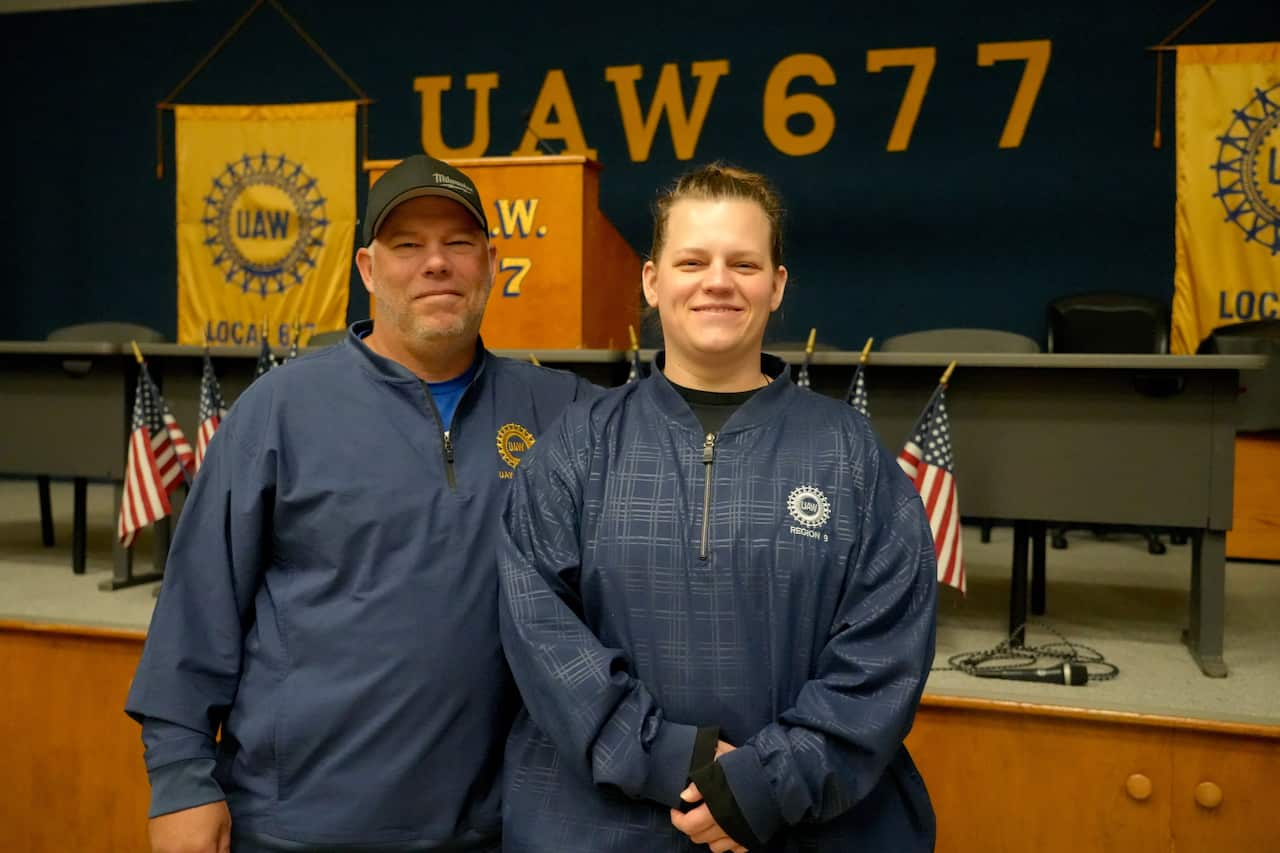
For Mack Trucks employee Sabrina Smith, who works with her father on the factory floor, there are growing questions about job security, and a feeling wages simply aren't fair.
"There are some people saying, 'Well, [the Mexico factory is] bigger than we thought it would be.' Or that the cost going into it was a little more than they said initially," Smith says.
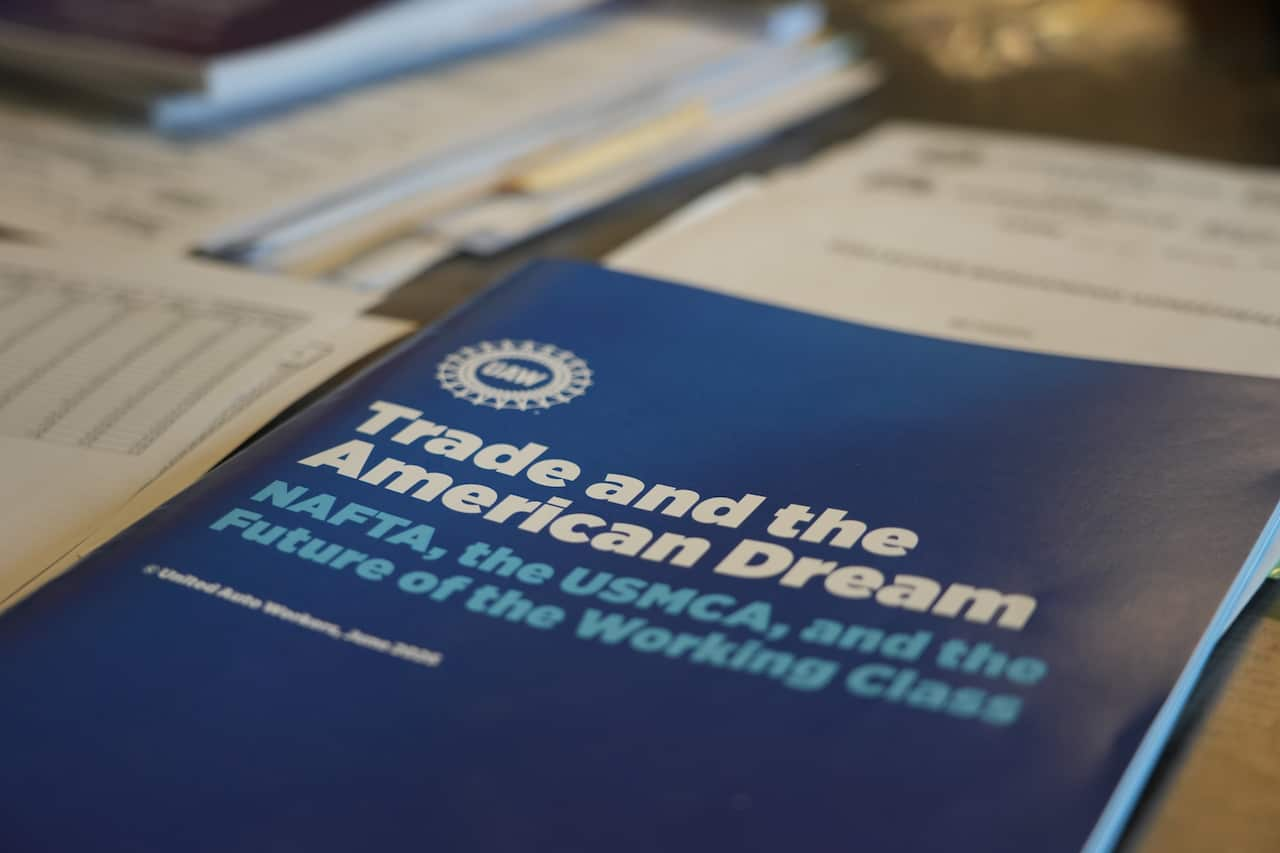
Shupp says problems for workers began with the North American Free Trade Agreement (NAFTA), signed in 1992 and implemented in 1994.
"I can't blame Trump because he's just been the last person responsible for letting us down," he says.
Critics argue it accelerated the decline of the automotive industry by increasing movement of production across borders.
Sabrina's father Shawn says unkept promises over decades have fractured the union base and shifted political allegiances.
"My first election was 1992, and I voted for Bill Clinton. I look at what he did with NAFTA and that was really the start of the downfall of the automotive industry," he says.
The Macungie Mack Trucks facility has been regularly visited by presidents both red and blue.
Joe Biden visited in 2021, attempting to promote US manufacturing jobs.
But Smith says when Trump visited in June, "it turned into a Republican rally".
"The agreement to have him in was to be promoting Mack Trucks' 125 years and we're going for military contracts and all this other stuff. But then the whole thing ended up being like a political rally and that rubbed a lot of people the wrong way."
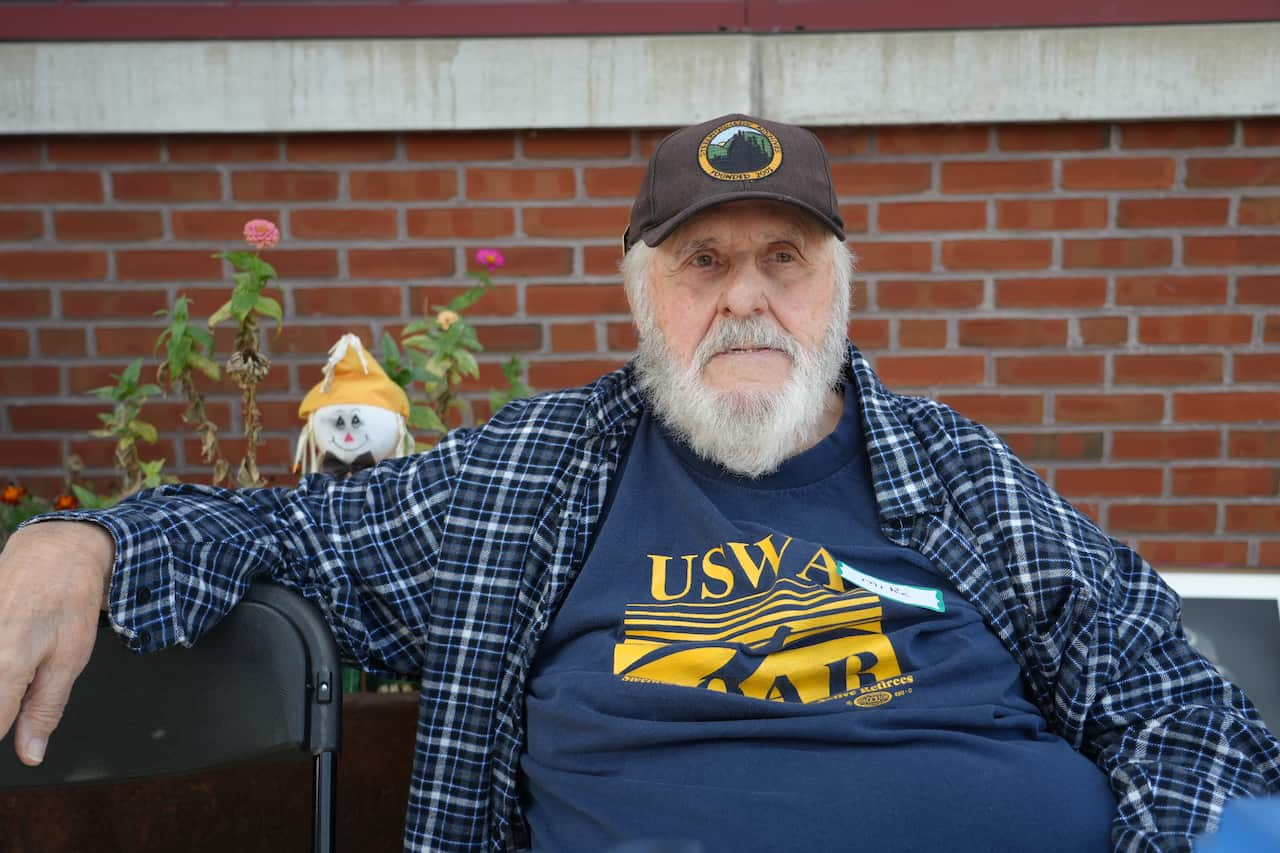
Mike Dzwonczyk is the former treasurer of the Steelworkers union, which he says was once the "most powerful union in the state".
He says the lack of blue-collar jobs is just one factor that's led union members to vote Republican in the past.
"The rank and file [in the unions] are switching to Republicans. Sad to say," Dzwonczyk says.
But whether they'll stay red this time is in doubt, Smith says.
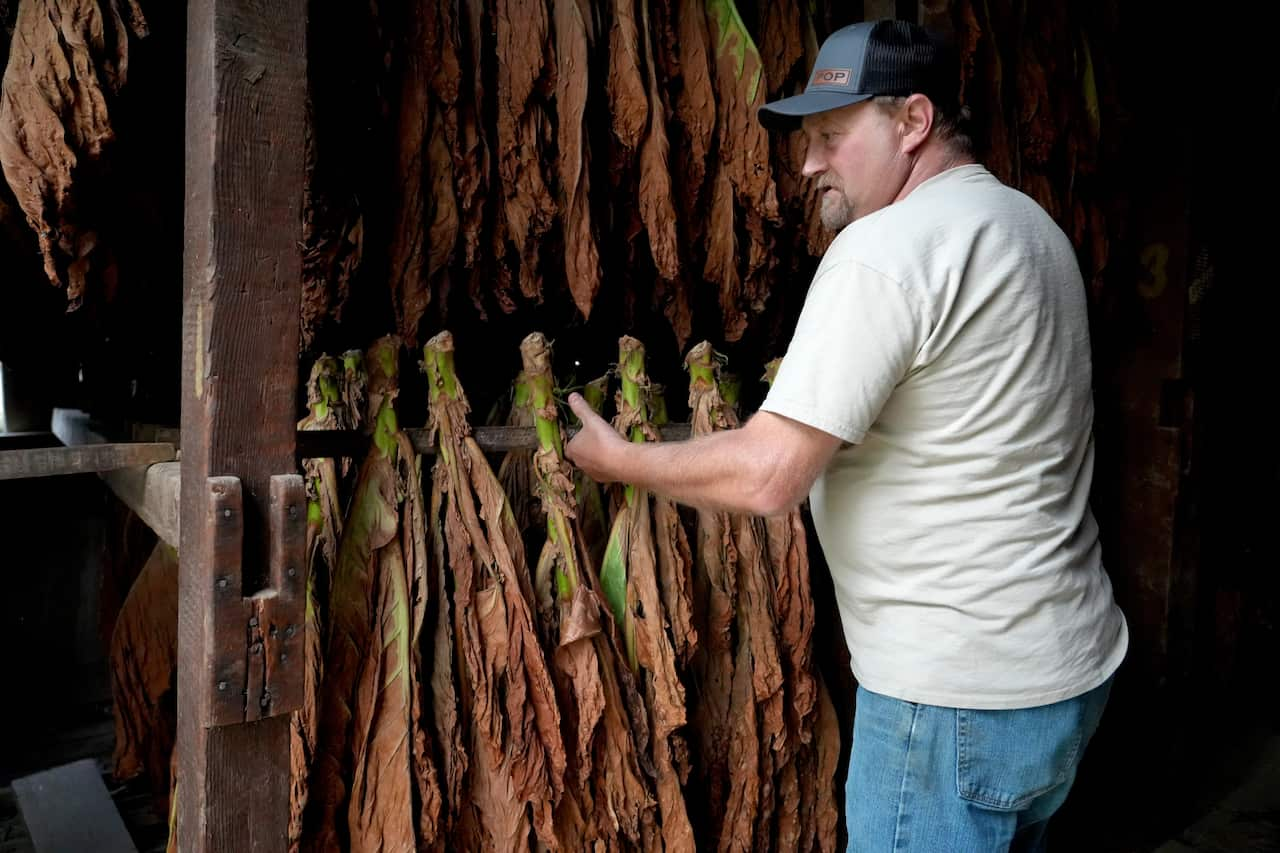
Pennsylvania's farmers were also hit hard by tariffs.
Seventh-generation farmer Kevin Witmer, who produces a diverse range of crops and livestock in Lancaster County, voted for Trump three times.
But he says tariffs have had "no positives" for his business.
His soybean exports have been hit hardest as Chinese interest dropped off due to higher costs.
"If China doesn't buy, it definitely affects the prices. It's a global market," Witmer tells SBS News.
According to the US department of agriculture, US soybean exports to China dropped from 26.8 million tonnes in 2024 to 7.2 million tonnes in 2025 — a 73 per cent decline.
Witmer is also contending with soaring fuel and fertiliser costs stemming from the Iran war. Less money is coming in and more is going out.
"The fuel cost is crazy. I don't see it going down anytime soon," he says.
"It just wrecked my budget. I was selling corn with the idea that fertiliser was going to be, say, $300 [USD] a ton, and two weeks later all of a sudden it's $400, $500, $600 a ton."
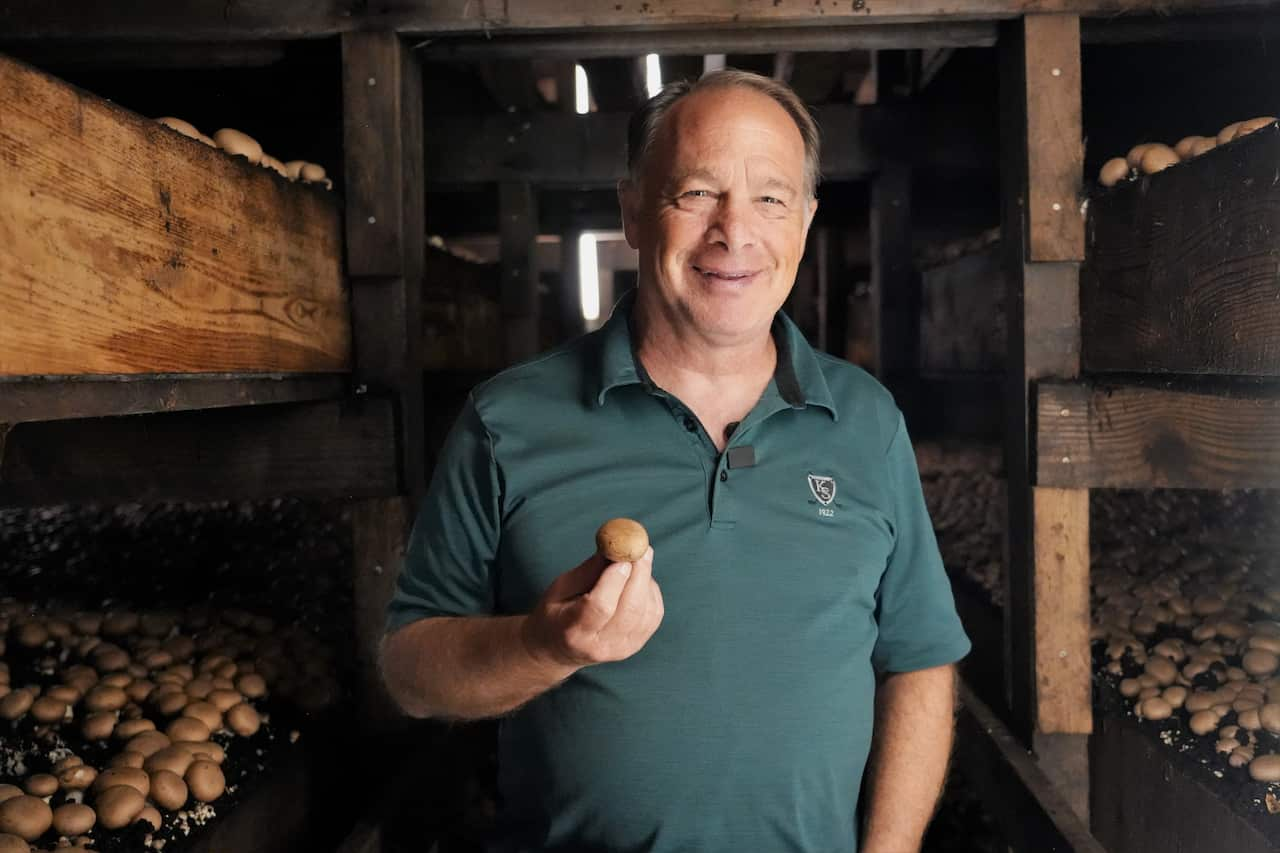
Further east is Kennett Square, the mushroom capital of the world.
The local mushroom industry contributed nearly $US4 billion ($5.6 billion) to the local economy according to a 2022 estimate.
Third-generation mushroom farmer Chris Alonzo says on top of tariffs and rising input costs, immigration policy is also compounding workforce shortages.
The industry relies almost exclusively on migrant labour.
"We just don't have enough workers in the industry to harvest the mushrooms, to do packing, to do all the tasks."
While there have not been major immigration enforcement activities in the area, Alonzo says uncertainty and anti-migrant rhetoric are taking a toll.
"The fear is worse than the actual raids."
With the economic fallout being felt in farming and blue-collar communities around the country, it's raising questions about whether Trump and the Republicans will be punished at the midterms.