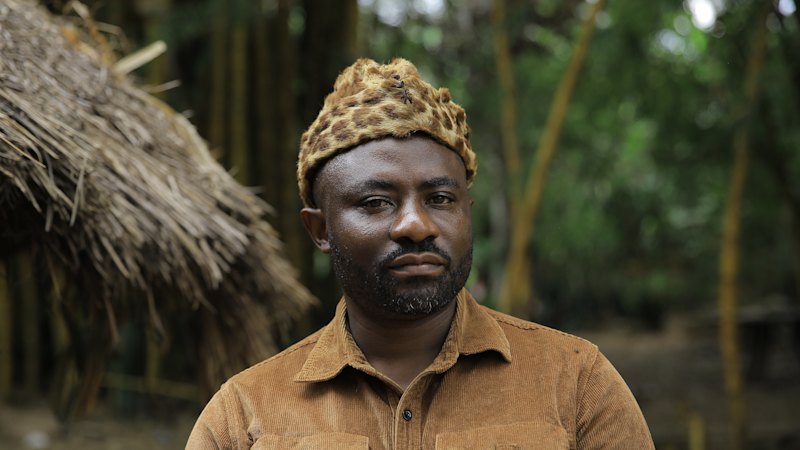
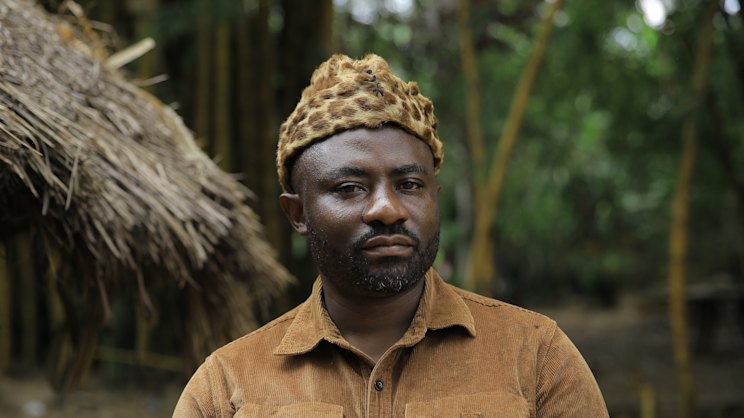
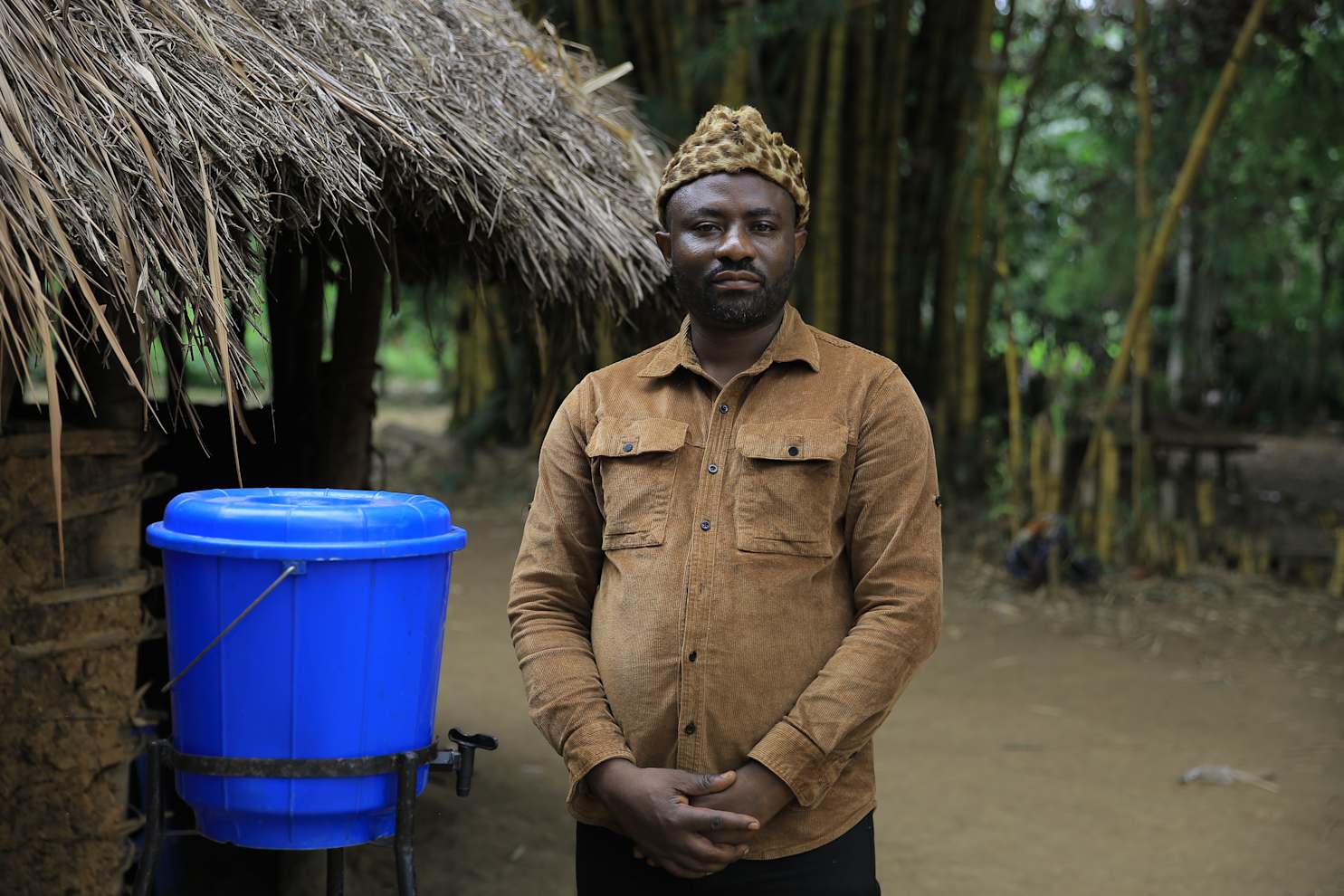
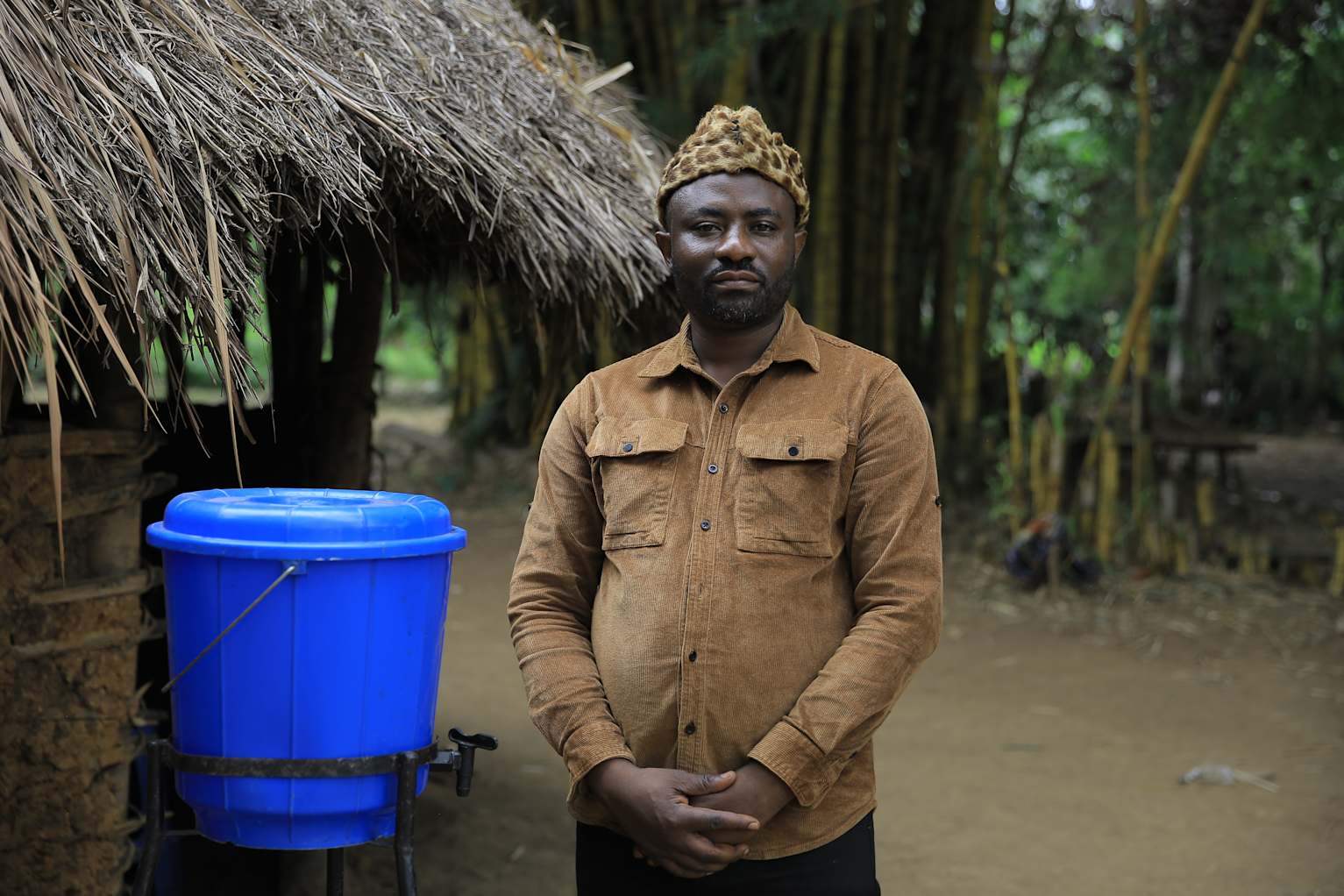
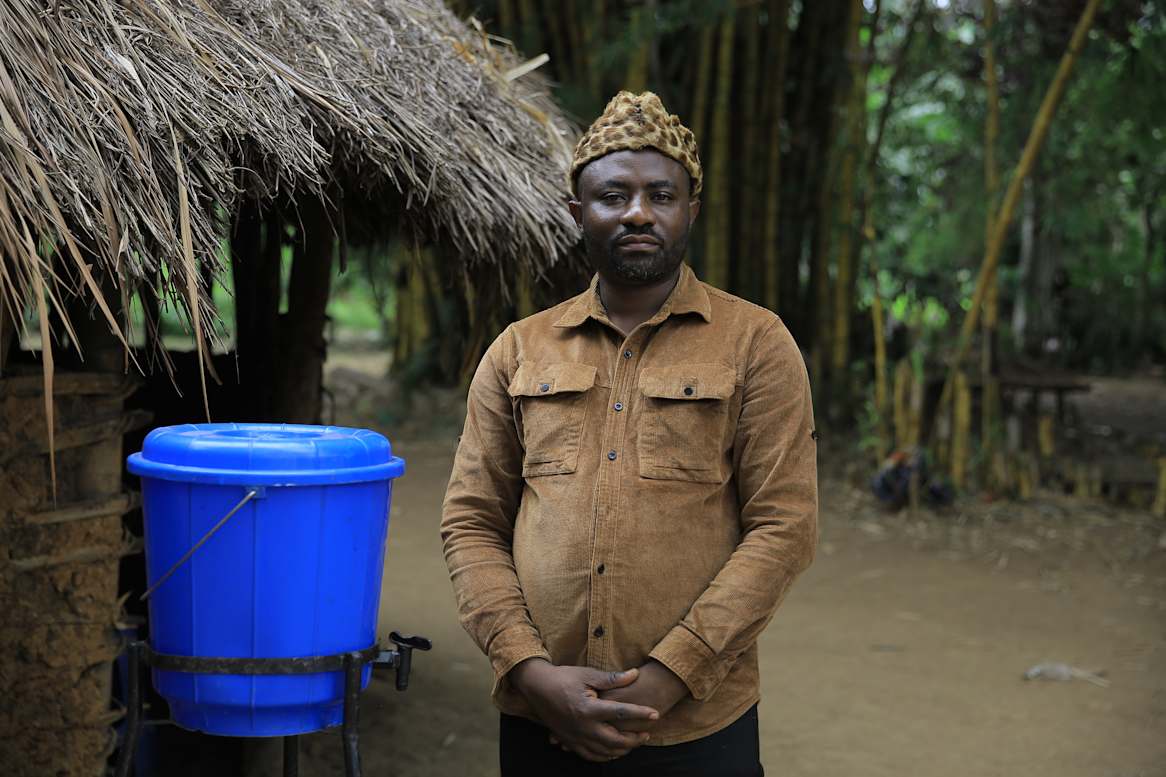
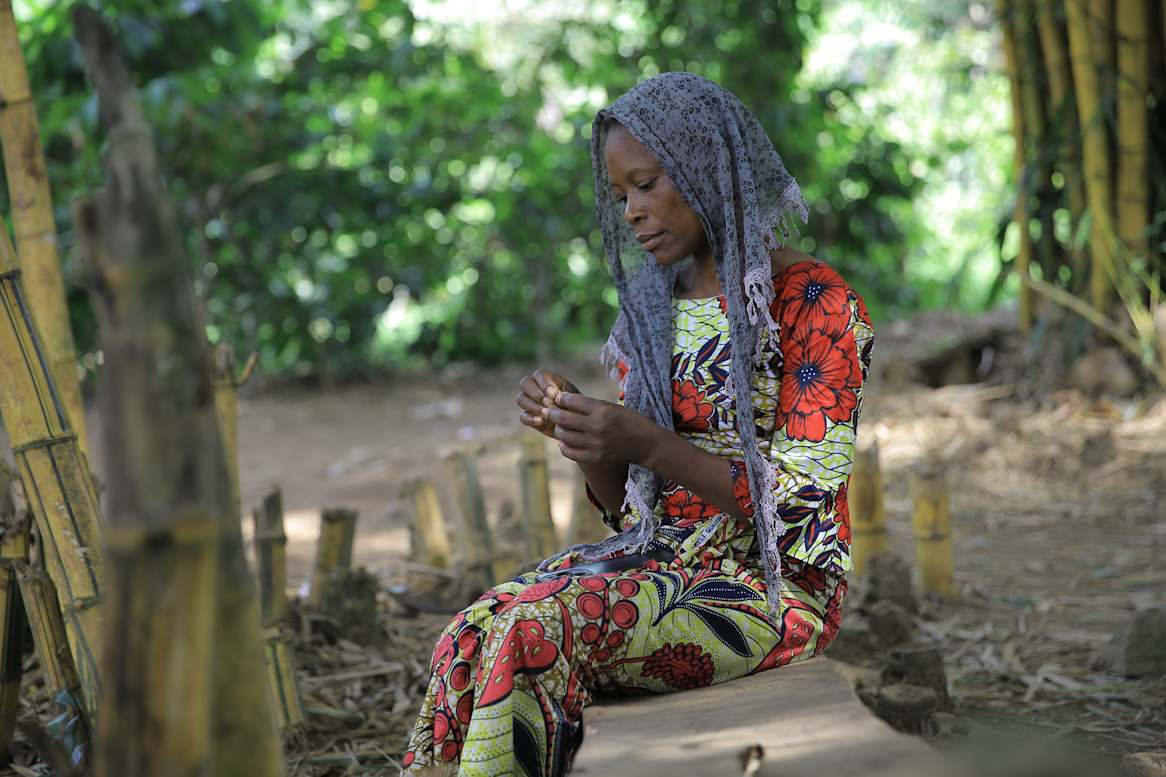
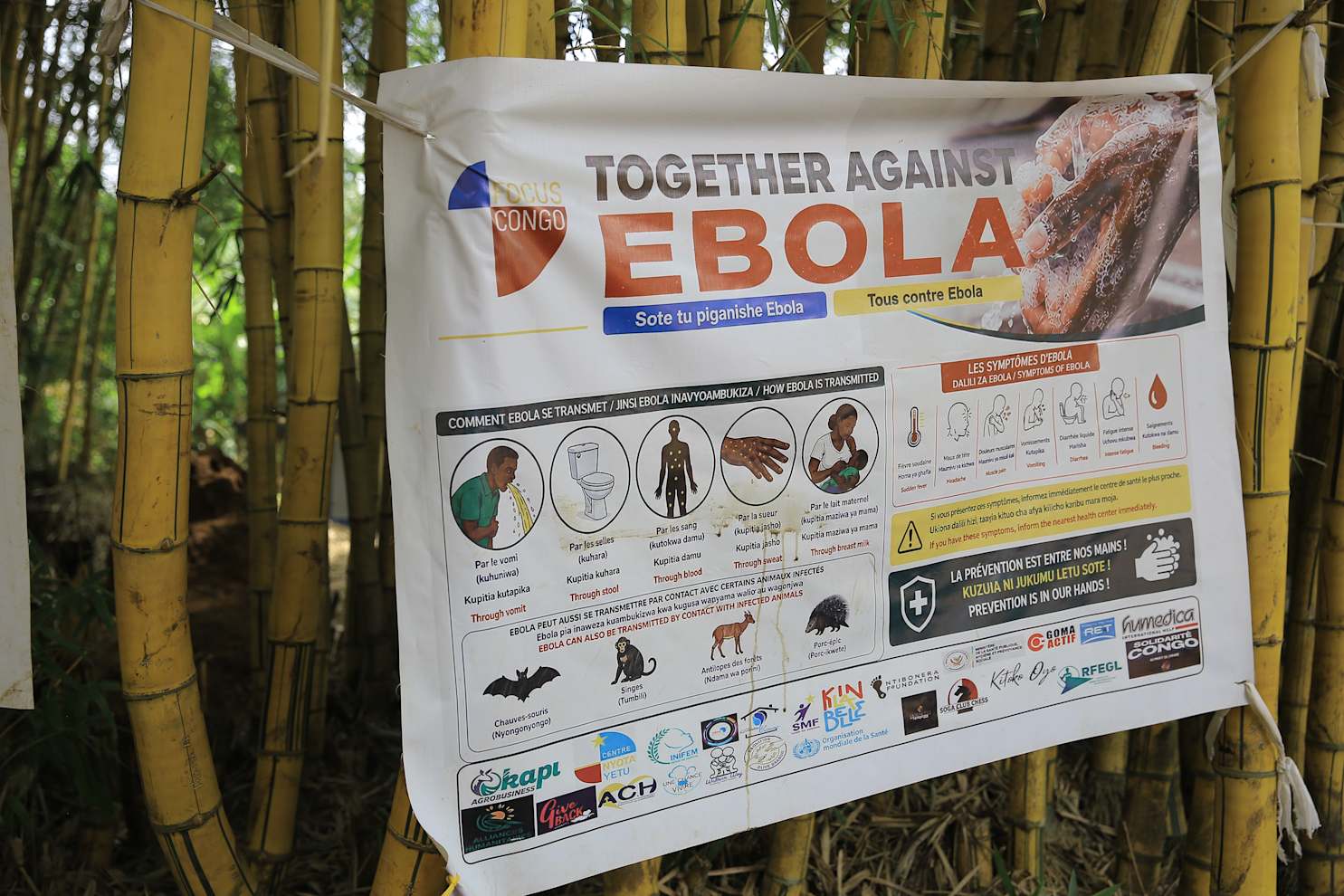
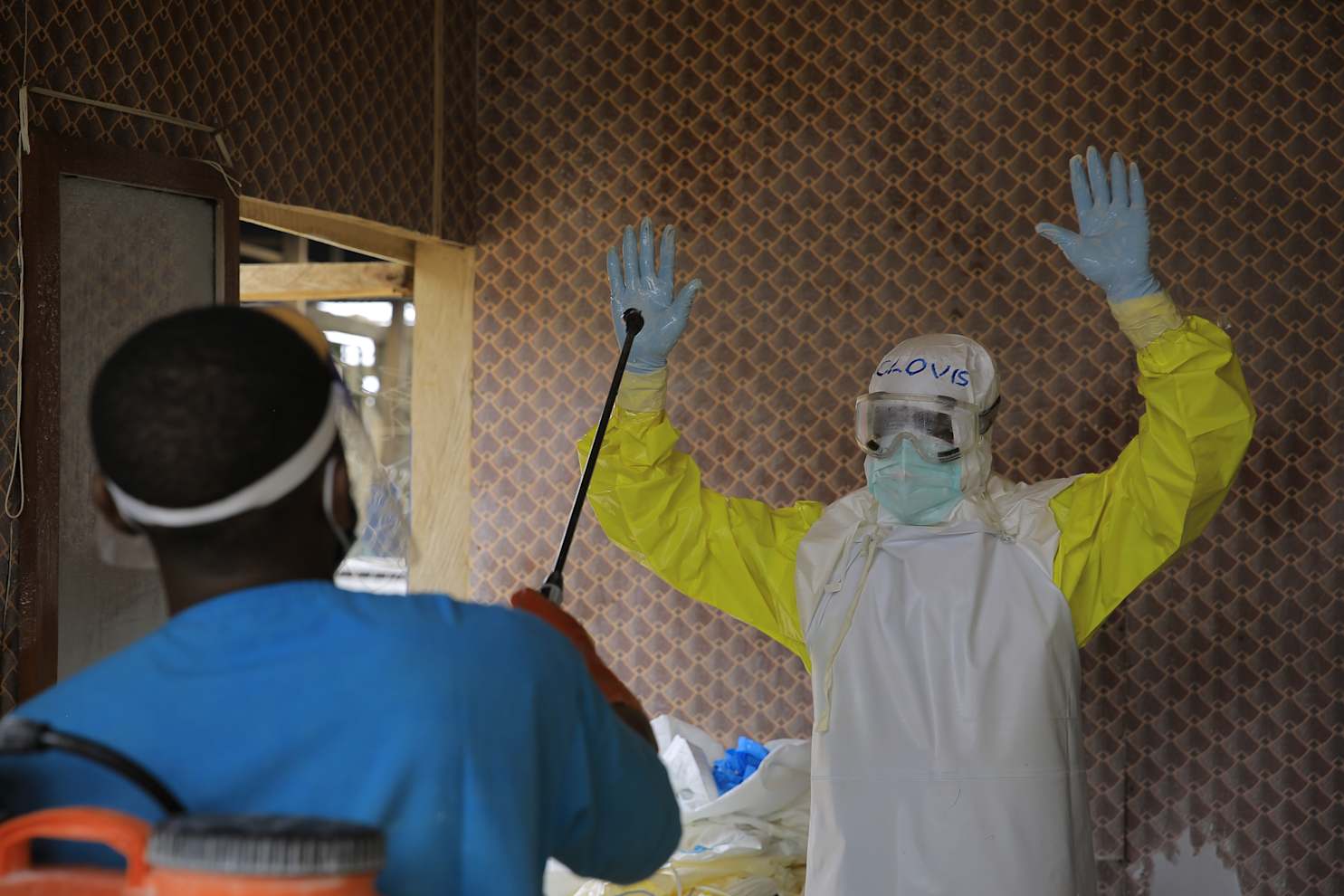
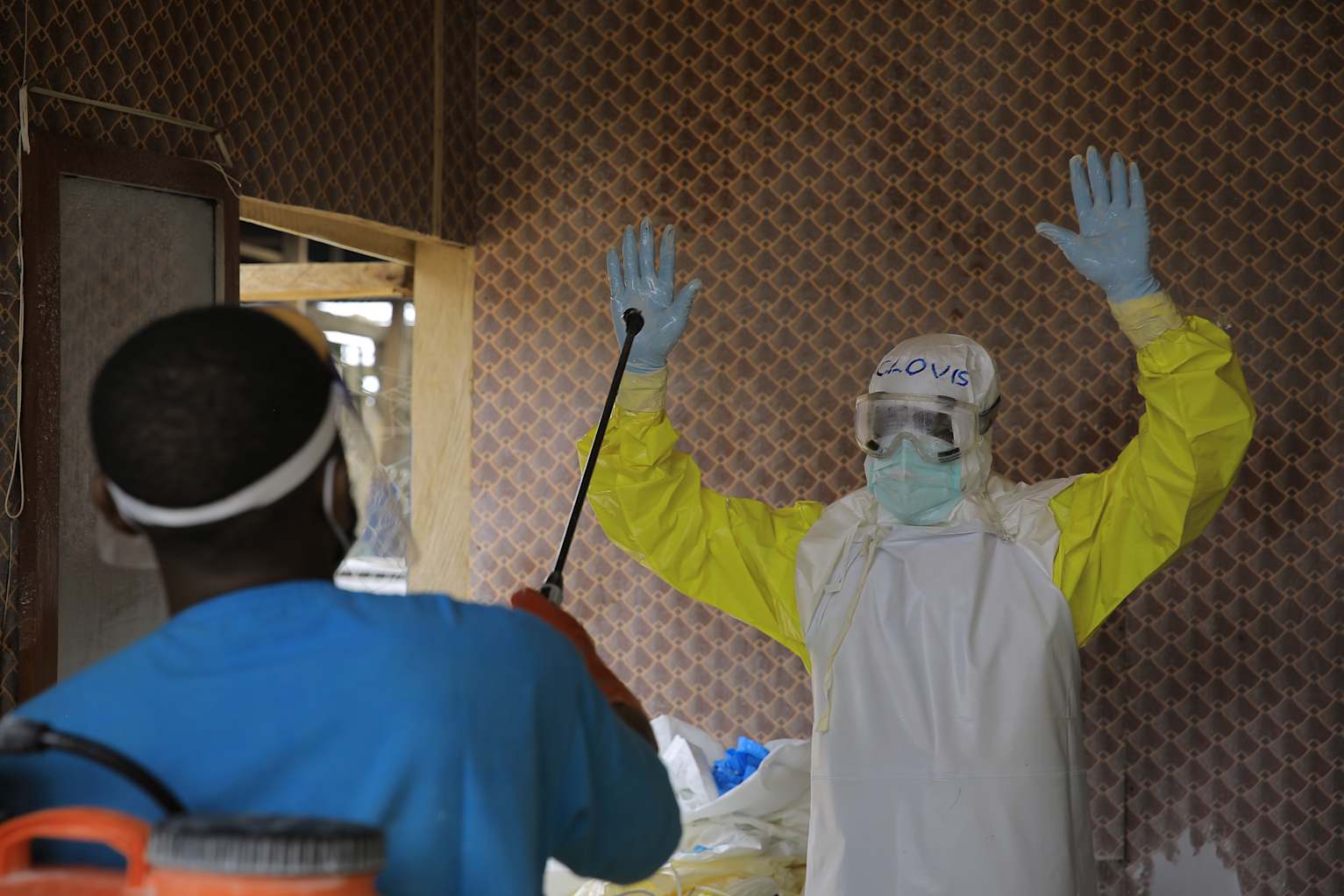
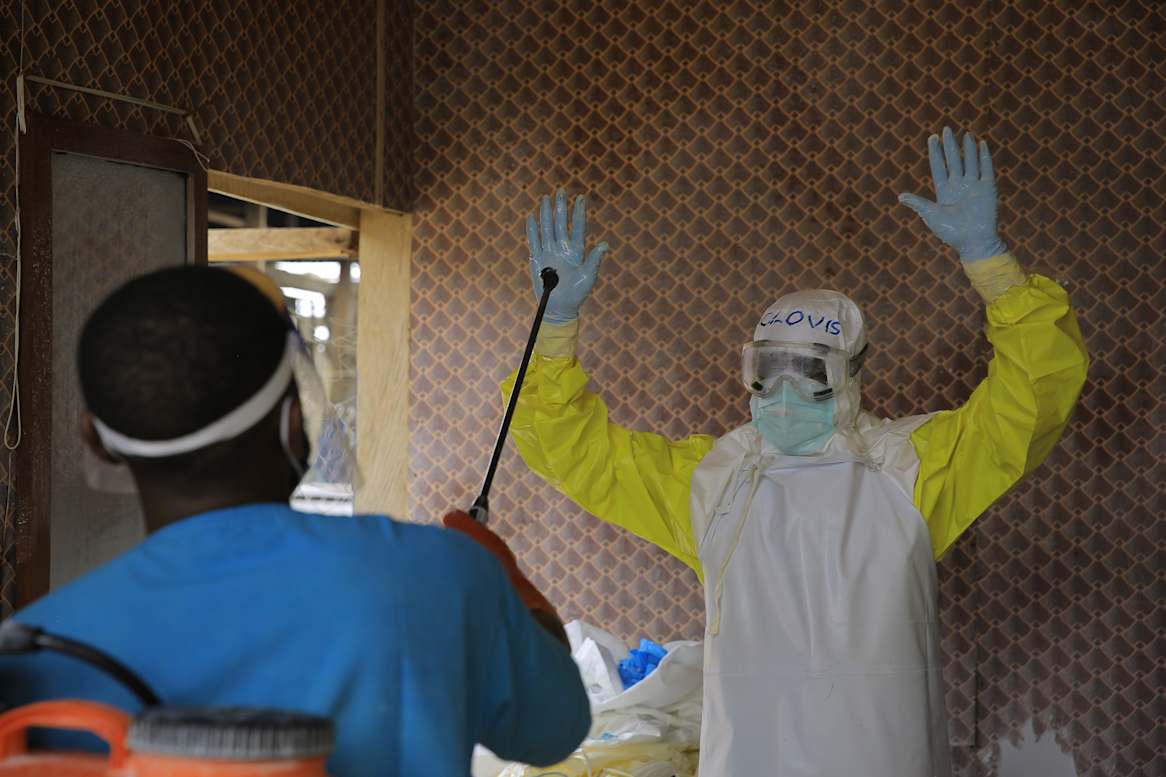
Beni: After each of his relatives got Ebola and became sick, Alphonse bin Kitobi Achou Taibo would scramble to get them to the nearest hospital in the Democratic Republic of the Congo (DRC), but they accused him of taking them there to die and refused to go.
The chief of Bapakombe-Bakondo was in despair. His village lies on the outskirts of the city of Beni in North Kivu province, a major hot spot in what has been the fastest-growing Ebola outbreak.
“I quickly realised: we are now in danger of losing the whole family,” Achou Taibo, who ultimately lost four family members to Ebola, said. Eleven other members of his extended family also contracted Ebola but survived after he took them to the hospital.
The biggest enemy he was facing, Achou Taibo said, was the prevailing mistrust in this part of the country, where many compare Ebola to poison and some local pastors even associate it with evil spirits.
That prejudice has hampered efforts to persuade people to report symptoms and accept care in communities that have endured years of violence and repeated outbreaks.
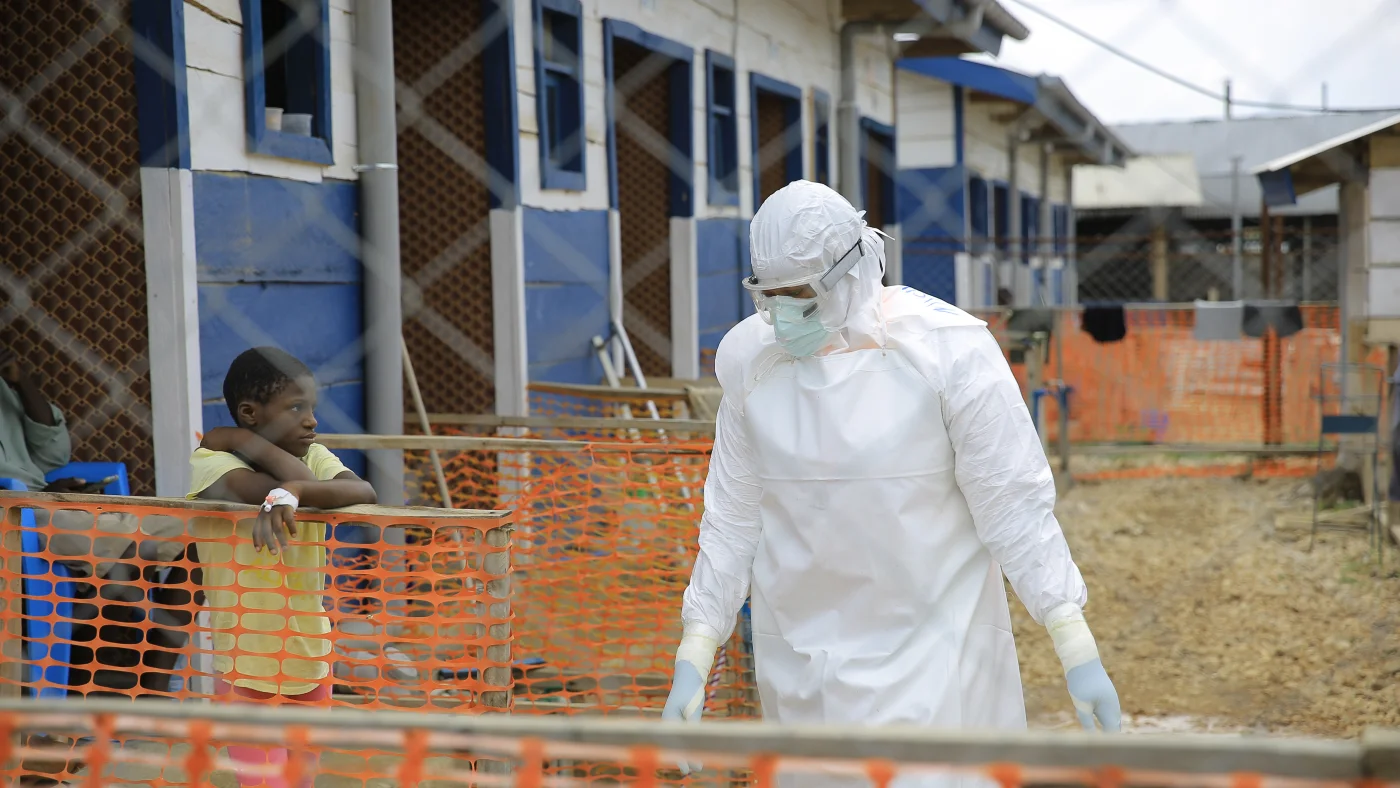
The outbreak in eastern DRC, declared in May , is caused by the rare Bundibugyo virus, for which there is no approved vaccine or treatment. Response teams have been battling armed conflict, poor roads and violence from residents fuelled by mistrust and misinformation.
This week, the outbreak surpassed 10,000 confirmed cases, with more than 5000 deaths, according to data from DRC’s Ministry of Health. At the same time, health officials are racing to contain the spread of the disease elsewhere in Africa. It has already spread to four other countries, including two where it’s active.
When one of Achou Taibo’s cousins died in August, one of the village’s traditional medicine clinics blamed poisoning for the death.
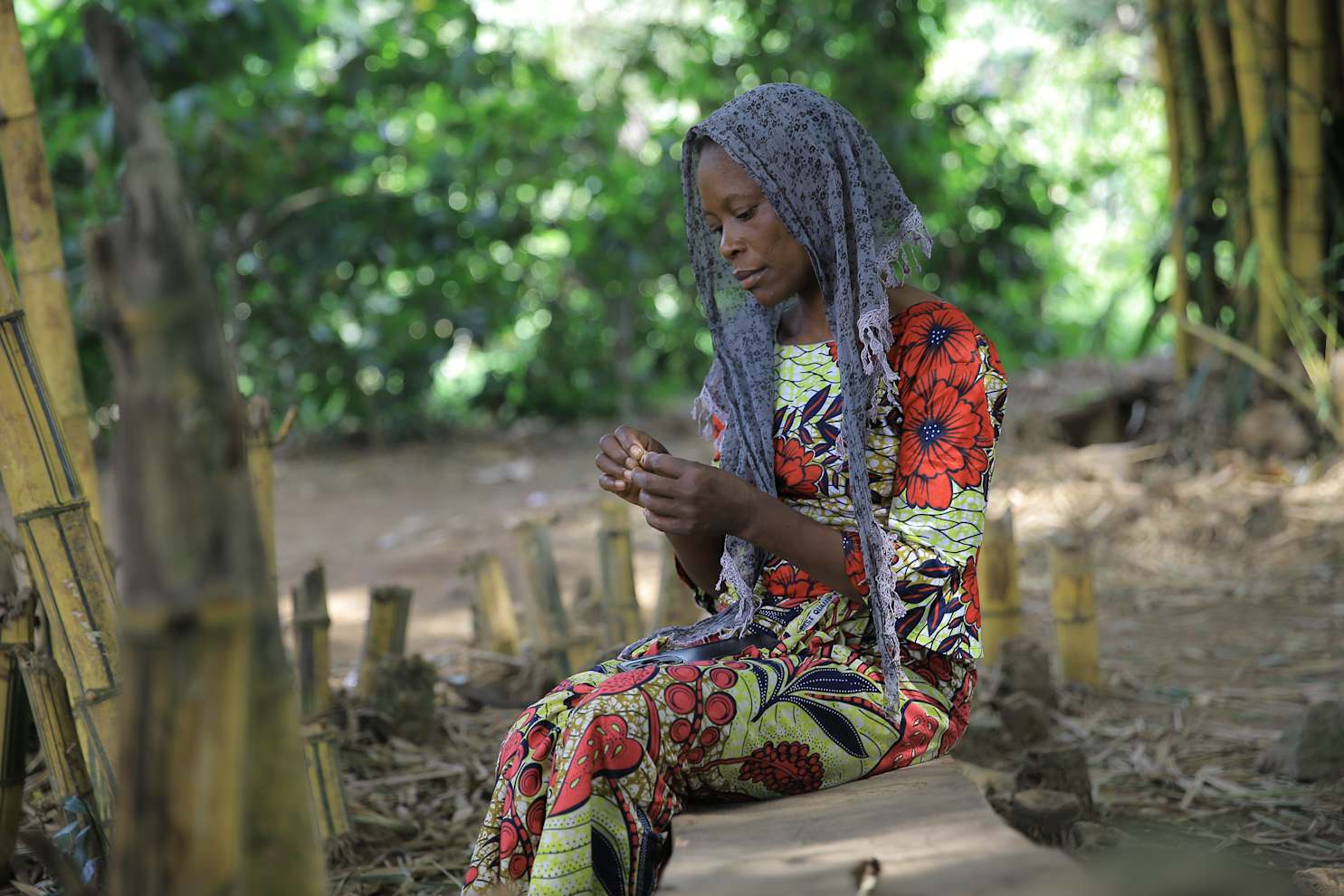
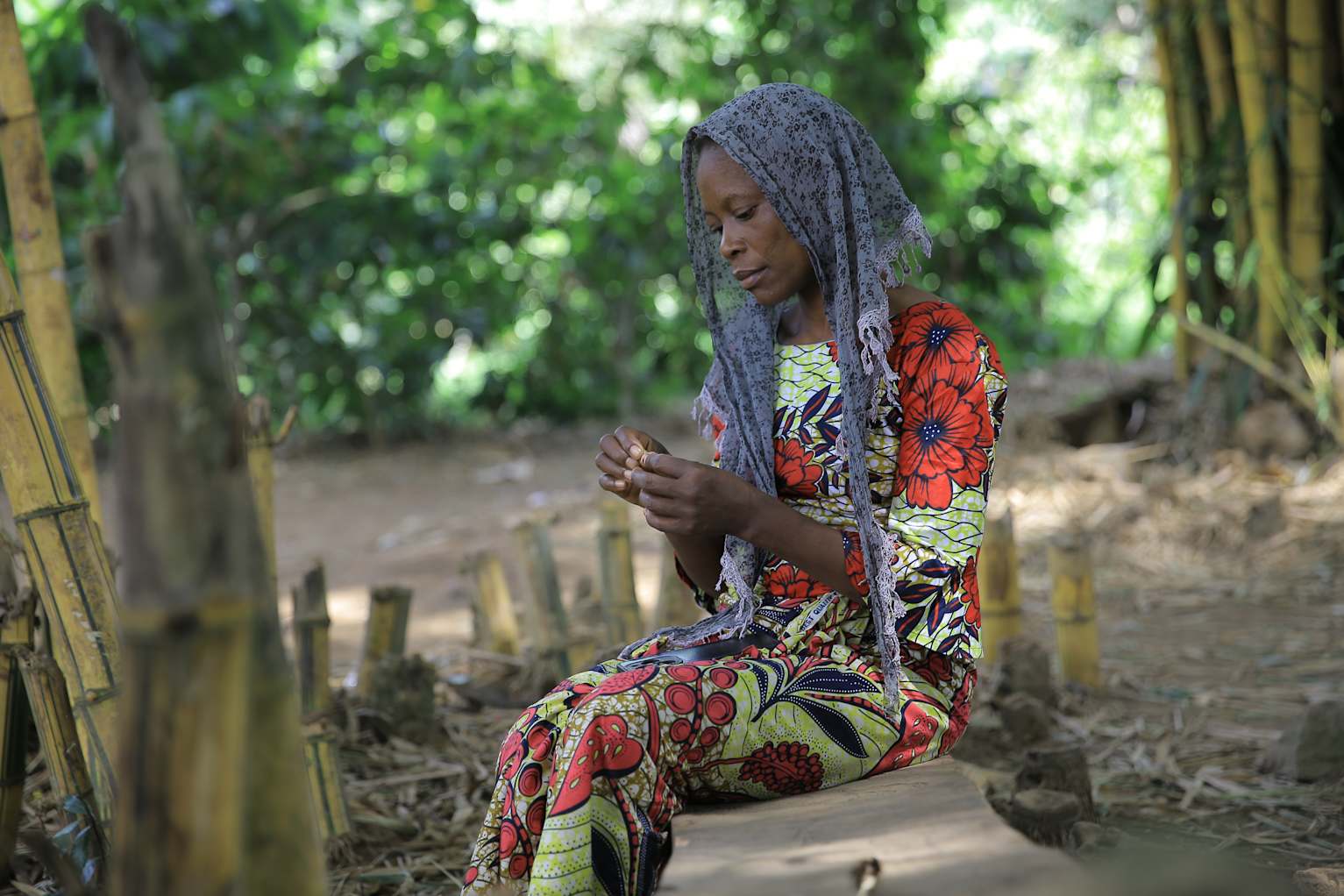
Another cousin, 27-year-old Zawadi Kavira Musubao, fell ill during the funeral. Again, poisoning, the clinic said.
A traditional healer there prepared a potion he claimed would expel poison from the body, but it ended up worsening her condition, said Musubao, who later recovered from Ebola.
After Achou Taibo’s cousin died, an uncle died as well. The traditional clinic said they had arrived too late for help.
He finally managed to take all his other sick relatives to Beni’s General Reference Hospital, where tests confirmed Ebola.
Beyond his family, Achou Taibo said he has seen how fears of Ebola had turned violent – young people set fire to homes in the neighbourhood, accusing residents of witchcraft.
“That idea, that mentality, was dominant,” he said of the misinformation.
Mistrust in the government has also complicated response efforts in past Ebola outbreaks in DRC, but the issue has now become more prominent as the latest outbreak has spread to the part of the country battling rebel violence.
Dozens of rebel and militia groups operate across eastern DRC, including the Islamic State group-linked Allied Democratic Forces. The violence and insecurity have displaced many and restricted health workers’ access to communities affected by Ebola.
Allegations of corruption and mismanagement during earlier outbreaks have undermined confidence in health authorities, experts say. This time, front-line workers have also protested unpaid wages and dangerous conditions they face.
Last Saturday, a nurse was killed and another health worker was injured as they were responding to an Ebola alert in the town of Bafwasende, in eastern DRC’s Tshopo province, according to the World Health Organisation.
“Misinformation and fear must never fuel violence,” WHO’s regional director for Africa, Mohamed Yakub Janabi, said as he condemned the attack.
Fears about the virus have also complicated efforts to trace it. Government data from early October showed that more than 70 per cent of the new cases were outside known contact lists, and that at least 60 per cent of the deaths occurred outside treatment centres.
For those who survive Ebola, leaving treatment centres and going back home does not necessarily end a prevailing rejection by their communities.
Achou Taibo’s cousin Musubao, who had earlier lost one sister to Ebola, said her landlord forced her family out after health workers disinfected their home, claiming the operation had brought evil spirits into it. The family moved in with Musubao’s other sister.
Without a job since she got ill, Musubao now hopes to raise enough money to start selling tomatoes and small fish.
Achou Taibo focuses his efforts on getting people tested and admitted to treatment centres whenever someone shows any Ebola symptoms. When he can, he sends food and shares money to support those with less.
He said he had often had to speak about Ebola before large groups of people – despite their hostility.
“You have to speak in front of people and fearlessly tell them the truth,” he said.
You have reached your maximum number of saved items.
Remove items from your saved list to add more.
You've used all of your gift articles. 3 more will become available on the 1st of every month.