You have reached your maximum number of saved items.
Remove items from your saved list to add more.
You've used all of your gift articles. 3 more will become available on the 1st of every month.
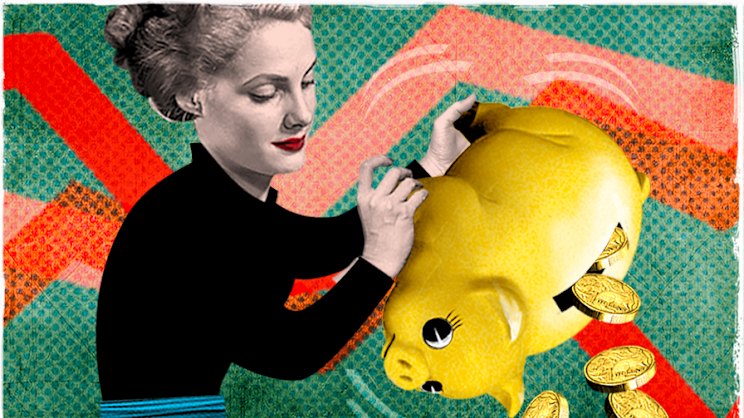
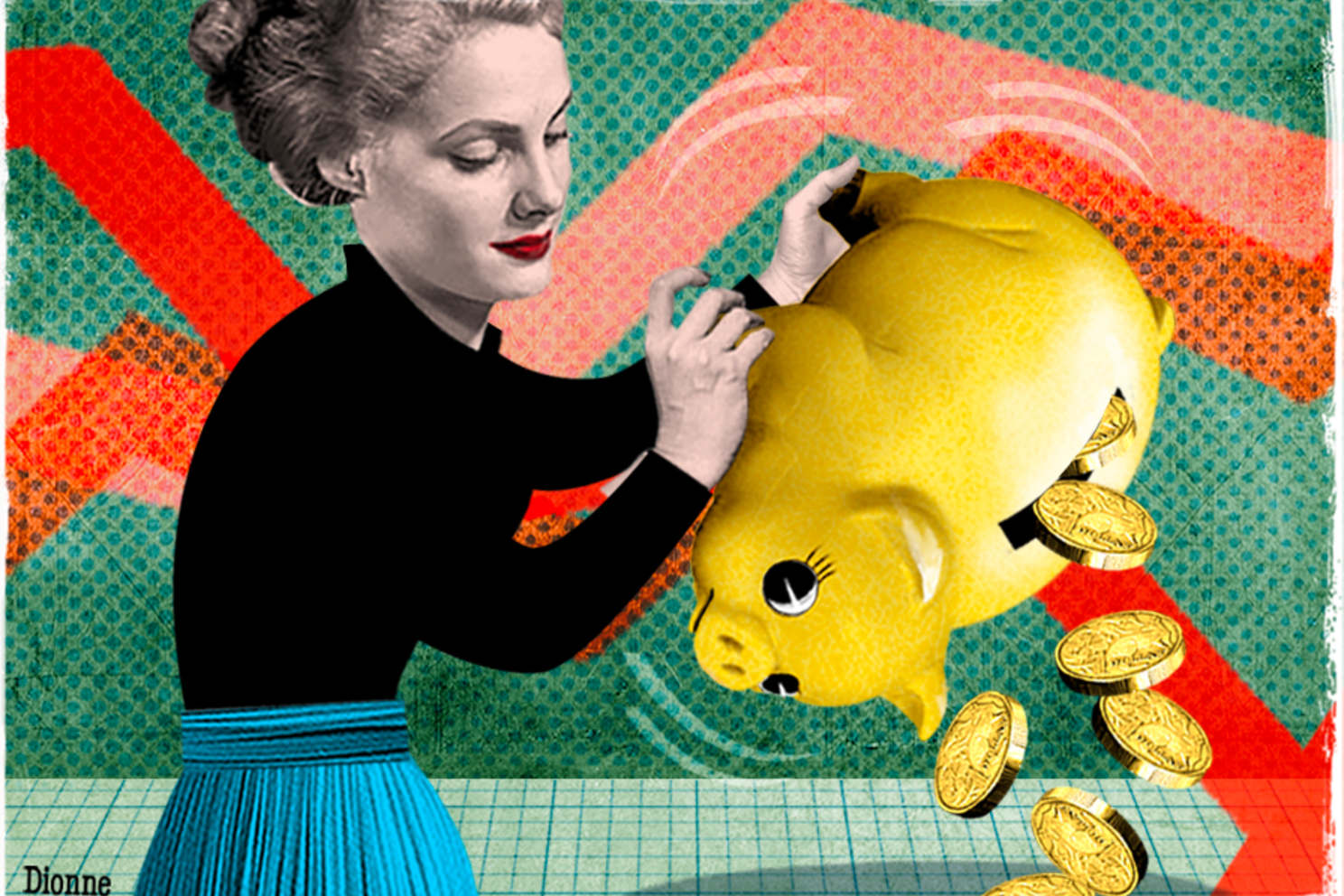
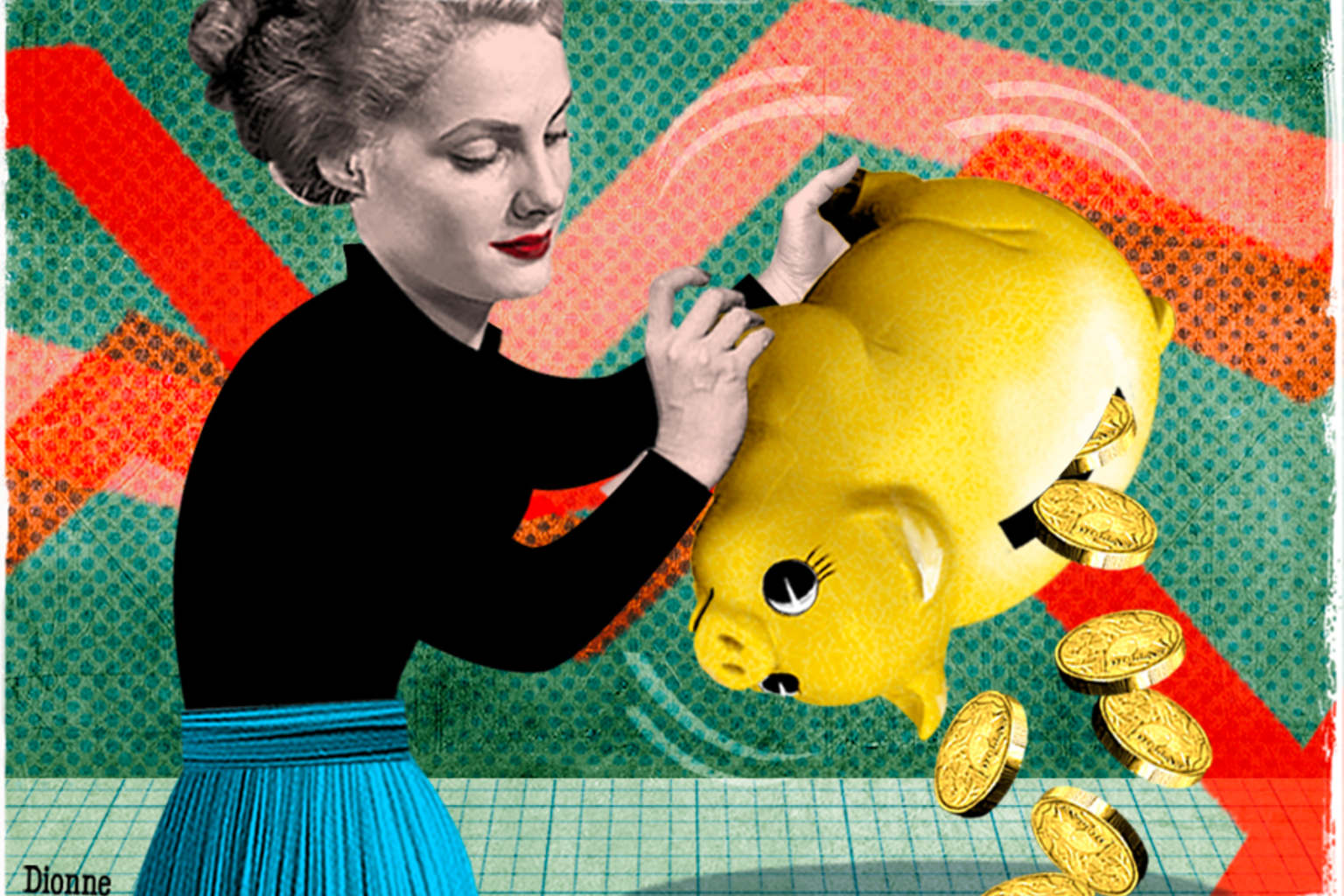
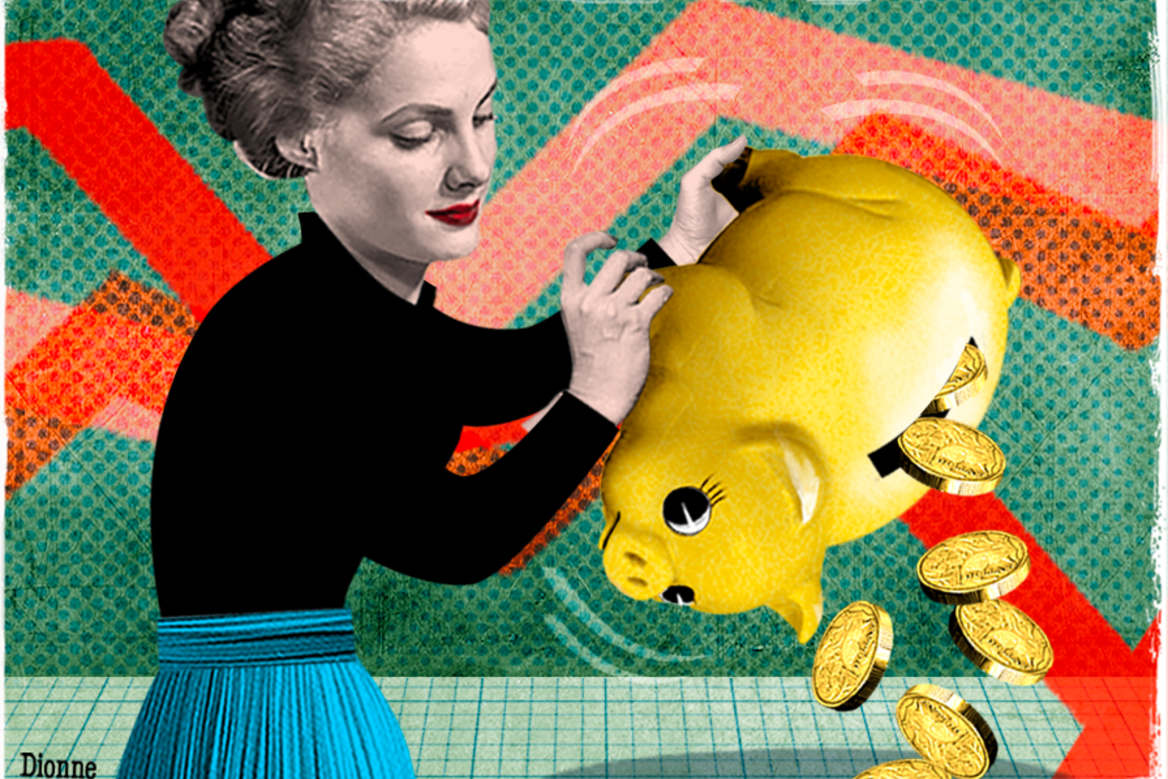
One of the most pervasive and damaging money myths I’ve seen play out time and again over the years is people blaming themselves for financial circumstances, even when they are entirely outside their control.
While we might recognise inflation or higher mortgage rates as reasons for our depleted savings or an increase in debt, for example, studies consistently show that even when people know these factors are at play, they ultimately are still likely to blame their own spending habits for the fact that they are struggling to make ends meet.
But two studies released this week have highlighted how common it has become recently for Australians to be struggling right now, and just how little any one individual financial decision or habit is to blame for the pain being felt.
The first was the annual Foodbank Hunger Report , which showed that 3.6 million households (33 per cent) across Australia now suffer what is known as food insecurity . According to the United Nations Food and Agriculture Organisation, food insecurity is when a person doesn’t have regular access to enough nutrient-rich food to meet the needs of a healthy and balanced diet.
Though the vast majority of us have all felt or experienced financial strain or stagnation lately, the sheer number of people who reported either struggling to afford the food they need, or said they were skipping meals and going without food due to unaffordability, which is recognised as severe food insecurity, is genuinely sobering.
According to Foodbank, the highest rates of food insecurity were reported among Indigenous households (57 per cent), while 45 per cent of all households with children also suffered – a number that grew to 60 per cent in single-parent households.
Even within what are considered median income households across Australia, 37 per cent reported having experienced food insecurity over the past 12 months. At the same time, 15 per cent of households that experienced food insecurity and reported finding it difficult to secure employment increased from 11 per cent in 2025 to 15 per cent in 2026. The number of reported job losses also rose – from 10 per cent to 13 per cent.
Somewhat unsurprisingly, younger people are almost two times more likely to struggle than people aged over 55 (48 per cent compared with 19 per cent).
Following similar generational lines, one of the starkest of divides can be found among people who rent and people who own property. More than half of all renters (51 per cent) reported food insecurity, while it affected just 12 per cent of people who owned their house outright.
When you consider the fact that rents have risen nationally by 40.6 per cent over the past five years – compared to 12.2 per cent in the five years prior – it’s little wonder people have so much less left over when their paycheck lands (and why it’s become so much harder to find savings for a house deposit).
The second report that stopped me in my tracks this week came from the University of NSW and found that 91 per cent of homelessness and emergency housing services have experienced unprecedented demand for support over the past two years.
One comment I haven’t been able to get out of my mind is a frontline worker telling this masthead that demand for support is so high they are handing out tents and directing people to safe camping areas.
“Women leaving family violence are being asked, ‘do you have a lock on your car?’ And if you have a lock on your car, you’re considered to be safe,” one worker said.
The idea that things have become so dire that a tent or a car now qualifies as a home, particularly for vulnerable people fleeing violence or unsafe environments, is profoundly staggering and an indication of just how serious and pervasive the cost of living crisis has become.
And it’s not only fair to say that numerous things have gone seriously wrong along the way to see us having ended up here, but also to reiterate that factors well beyond any one person’s spending habits or money decisions are at play here.
If you are struggling, there’s a good chance you’re also feeling overwhelmed. When that happens, one of the best things you can possibly do is speak to someone and try to feel less alone, but also seek some guidance about how to move forward. For some people, a chat to a trusted friend or family member can be enough to help ease some of that mental burden.
But another great place to start can be the National Debt Helpline (1800 007 007). This is a not-for-profit organisation that offers free financial counselling advice (without selling anything or making money from you) and can help you assess where you’re at, lay out options that may be available to you and your rights, and connect you with other services and community support.
Yet as I said earlier, time and again, I see people who are struggling in these kinds of situations feel shame or guilt – as though if they’d simply been better with their money or made one or two different decisions in the past, they might not be here.
So let me be clear: if you are struggling to put food on the table or to keep the roof over your head, just know that you are not alone. As the research findings spell out in neon lights, many people are having the same experiences that you are right now – and a lot of them are people you likely wouldn’t expect.
And while many things are within our control and there are always new things to learn, not everything is, and it’s important to remember that when you’re just trying to do your best.
National Debt Helpline: 1800 007 007
Victoria Devine is an award-winning retired financial adviser, a bestselling author and host of Australia’s No.1 finance podcast, She’s on the Money . She is also founder and director of Zella Money.
You have reached your maximum number of saved items.
Remove items from your saved list to add more.
You've used all of your gift articles. 3 more will become available on the 1st of every month.