You have reached your maximum number of saved items.
Remove items from your saved list to add more.
You've used all of your gift articles. 3 more will become available on the 1st of every month.
When former New York City mayor Bill de Blasio walked Melbourne’s streets for the first time, he was overcome with envy. He marvelled at the Birrarung, the tram network and the cafe culture.
This foreign place felt so far from home – so beautiful and safe, compared with the challenges of New York, he told The Age ’s Melbourne Assembly last week.
But, beneath the gleam, he knew the city harboured something insidious.
“Let’s be honest: if you don’t address homelessness, it is not just a moral thing,” de Blasio told the civic forum. “It will hurt your business climate. It will hurt people’s sense of security. There are so many painful realities.
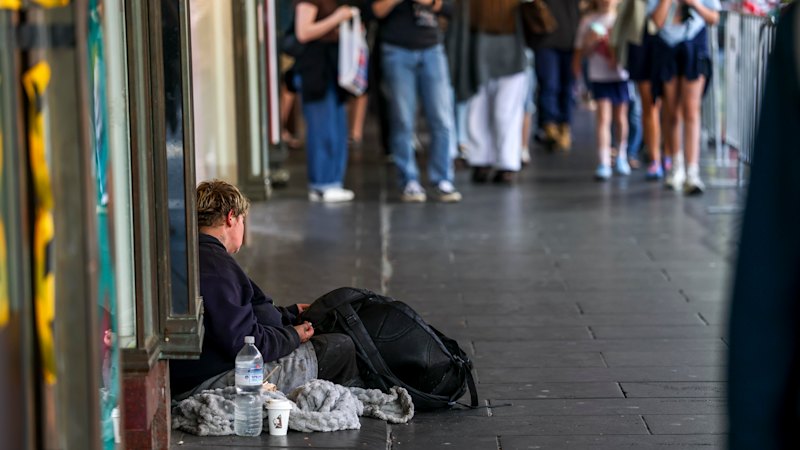
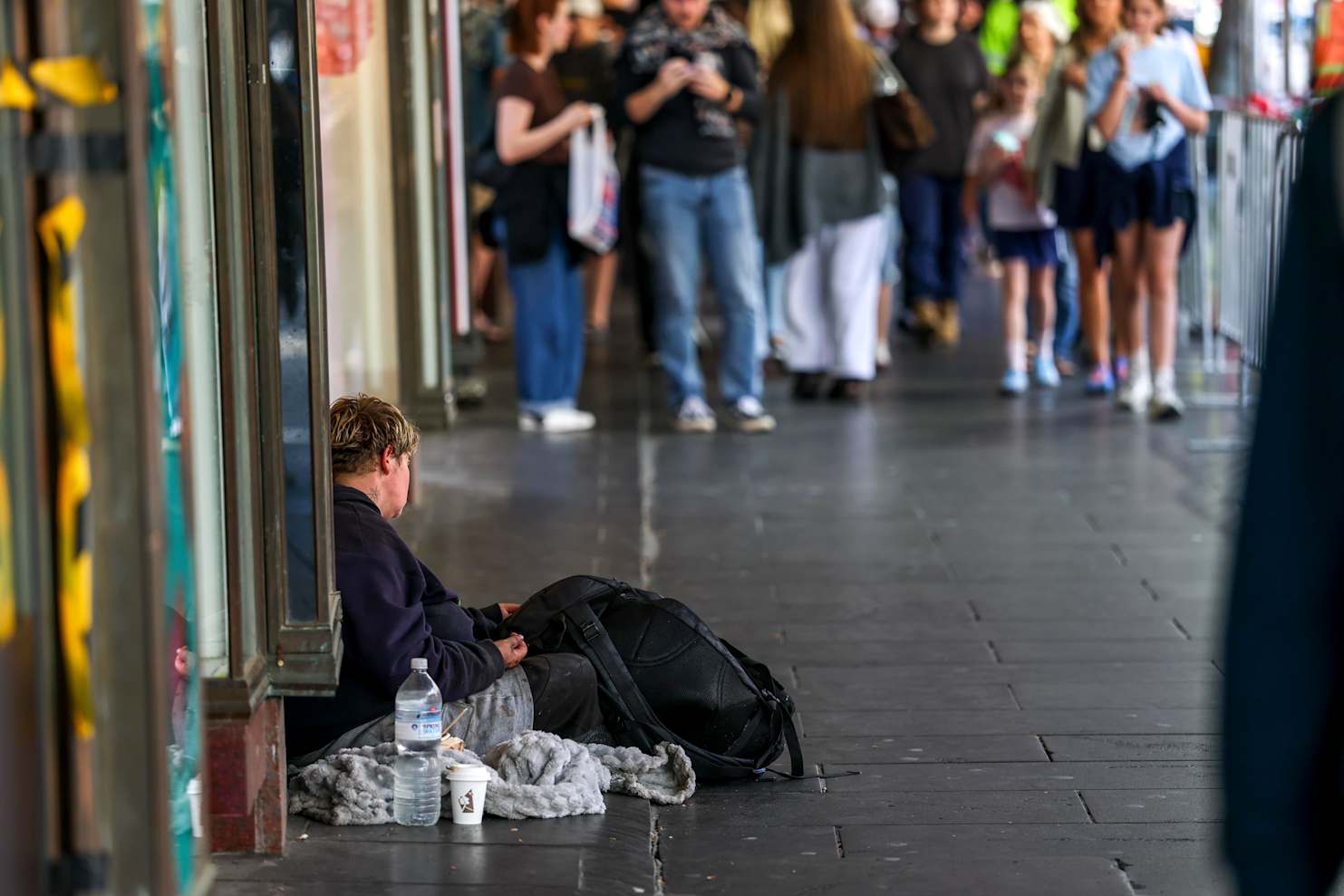
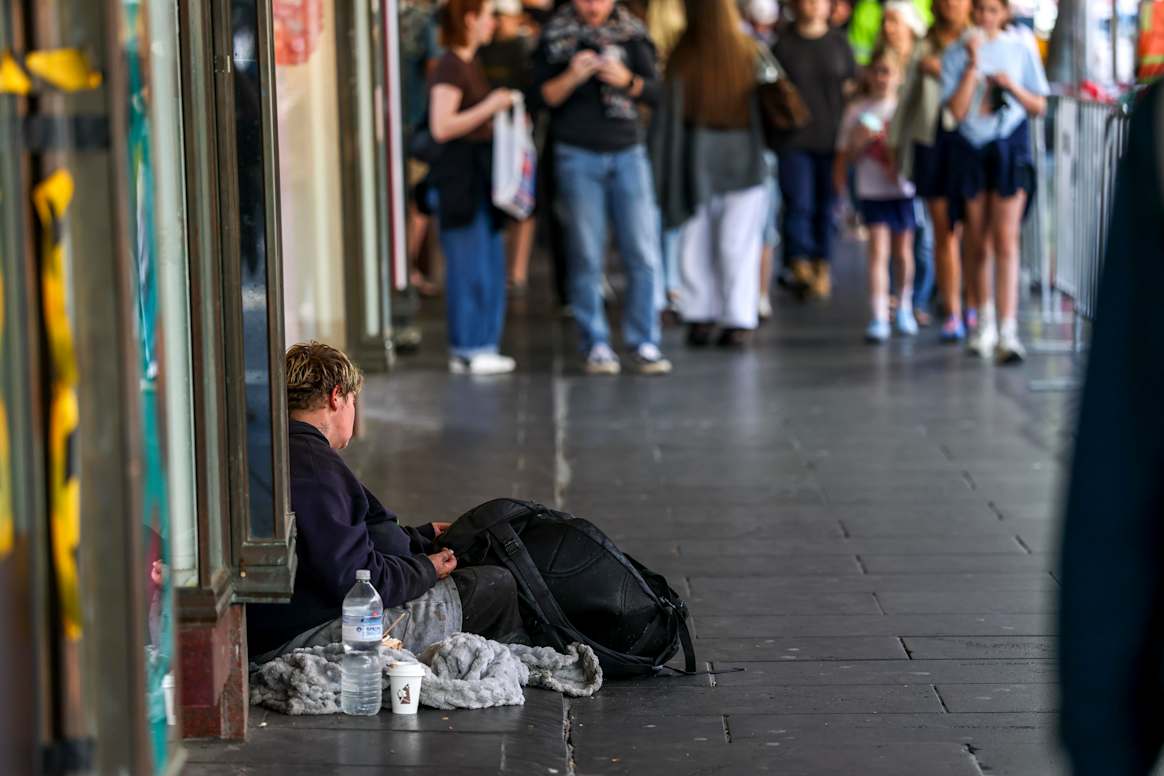
“When you see a homeless person, it feels like a defeat. It feels like something went wrong for all of us.”
The Age reported this week that Australia’s housing crisis is pushing frontline homelessness services towards collapse, with workers handing out tents instead of accommodation, and asking women fleeing domestic violence whether they can sleep in their cars.
Almost two-thirds of homelessness providers are turning away desperate Australians they would once have helped, with some rejecting as many people as they take in, according to a Homelessness Australia briefing prepared for the Albanese government (using University of NSW research).
The findings expose a system so overwhelmed by soaring rents, chronic housing shortages and inadequate funding that it is increasingly unable to offer even emergency accommodation to people facing life on the streets.
And they put in sobering terms what all leaders, including those of Victoria’s major parties, must accept: the system is broken.
Another report from the Council to Homeless Persons this week found the number of working homeless people in Victoria had surged by more than 40 per cent in four years, and 4400 full-time workers had received homelessness support in the past year alone.
In some acknowledgment of the crisis, the parties have signalled a new willingness to act before the November state election (perhaps for the first time since COVID-19, when homeless people were housed to stop the disease spreading).
The opposition has pledged to roll out a statewide homelessness strategy, pausing and reviewing the contentious high-rise public housing tower redevelopment program, and auditing vacant social housing properties under a Liberal and Nationals government.
Under Victorian Labor’s statewide expansion of a program pioneered in inner Melbourne, teams of homelessness workers will be sent onto streets to profile homeless people, build trust and connect them with housing and support.
However, homelessness services warn crisis accommodation centres are regularly full before lunchtime, and that homeless people end up being placed in unsafe accommodation.
A “by-name” list – or directory of every person sleeping rough – is part of the assertive outreach program, which is under way.
The City of Melbourne has been operating a by-name homelessness list since 2019, rather than waiting for people to access services, but homelessness continues to grow in the CBD, with at least 140 people on the list (almost double the number in 2024).
Nick Staikos, Victoria’s first homelessness minister (as of August), was spruiking the by-name list on ABC Radio Melbourne this week, as well as Labor’s investment in social housing.
Mornings host Raf Epstein was quick to point out that Victoria had the lowest proportion of social housing of any Australian state or territory.
“One of Ben Carroll’s first decisions was to appoint a homelessness minister, but we have been serious about it,” Staikos told Epstein on ABC Melbourne’s Mornings program this week.
“I mean, we have built more social homes and affordable homes than any government in the past. We are building 17,000 social homes. We’ve completed 12,000 of them.
“We are serious, but tackling rough sleeping and homelessness is not just about the house. It is about the wraparound services. It is about the complex needs of a human being – that’s what it is.”
Staikos said Labor’s $28 million assertive outreach program was about bringing the front door of services to rough sleepers, so they didn’t have to go searching for them.
De Blasio is an enthusiastic supporter of this approach, crediting New York’s similar model (and a legal “right to shelter”) as crucial to tackling homelessness in his home city.
But the question remains: if services have little to offer beyond their front doors, how much hope is there to radically drive down homelessness in Victoria?
At the Melbourne Assembly, de Blasio used an Americanism borrowed from the country’s national sport, baseball, to warn against the alternative to an aggressive approach.
“Play the ball, or the ball will play you,” he said. “When it comes to homelessness, you must assertively address it, or I guarantee it gets worse.”
Within the next term of government, both Victorian Labor and the Coalition must commit to numerical targets to drastically reduce homelessness in this state.
And they must invest further in tangible solutions to the crisis, beyond getting people to services’ front door. This means safe and secure accommodation, and social housing.
Solving this calamity is a tough ask, and there are complex and varied reasons why some people become, or remain, homeless.
As Staikos said, though, there is an ideal Victoria should aspire to: when homelessness happens, it should be “rare, brief and non-recurring”.
You have reached your maximum number of saved items.
Remove items from your saved list to add more.
You've used all of your gift articles. 3 more will become available on the 1st of every month.
