You have reached your maximum number of saved items.
Remove items from your saved list to add more.
You've used all of your gift articles. 3 more will become available on the 1st of every month.
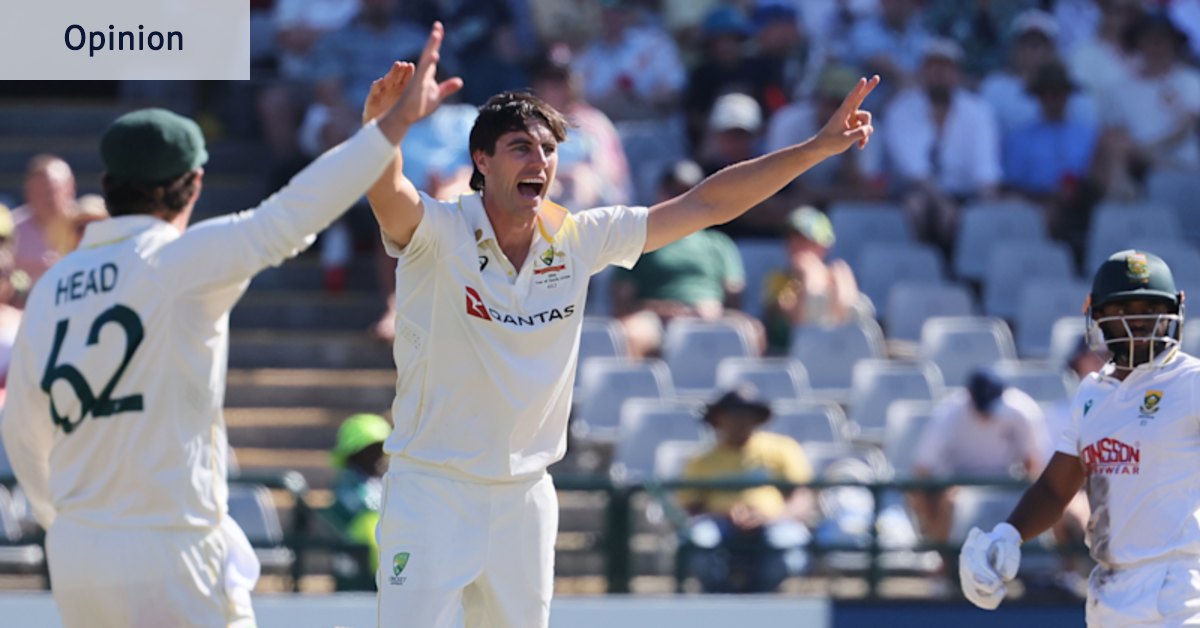
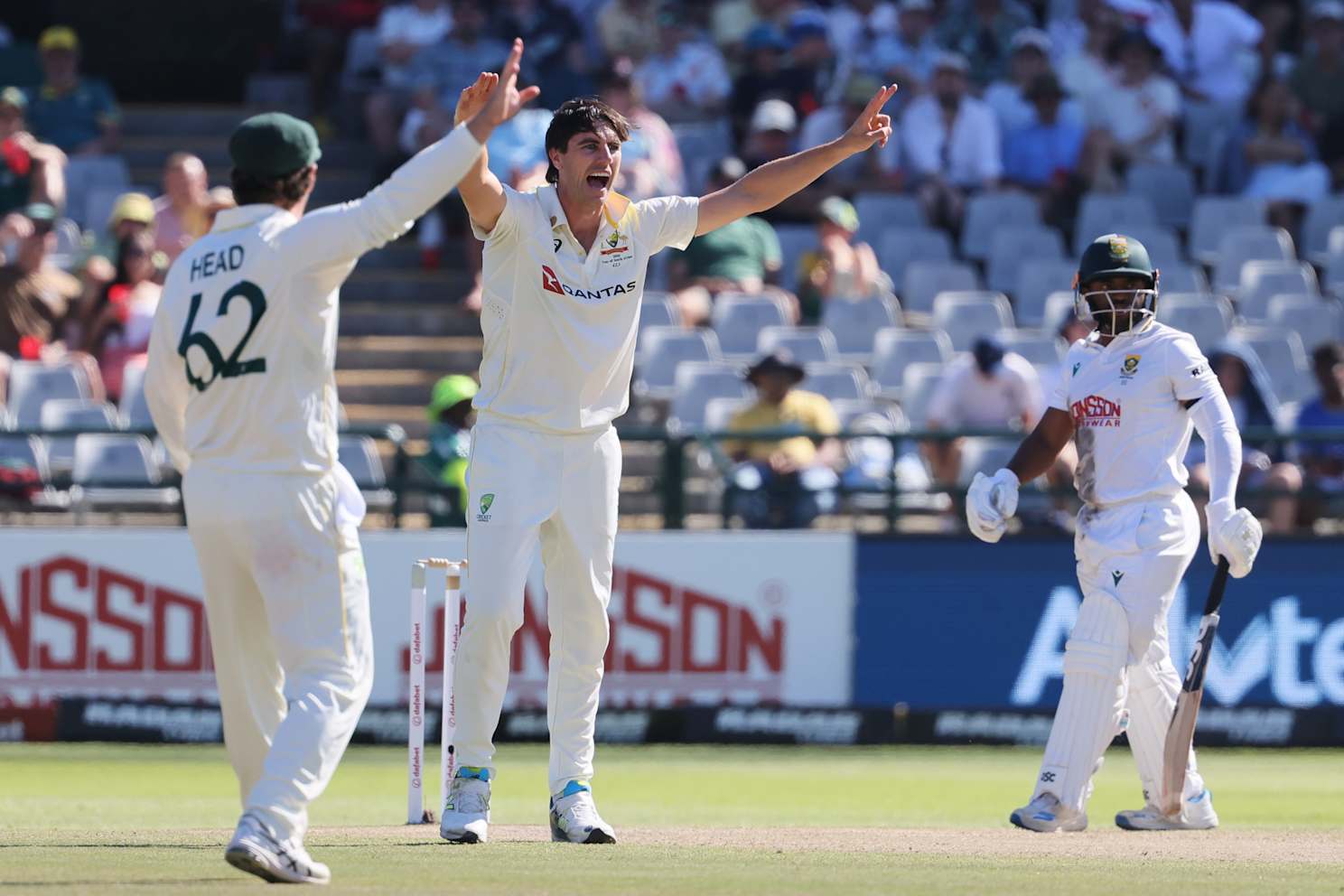
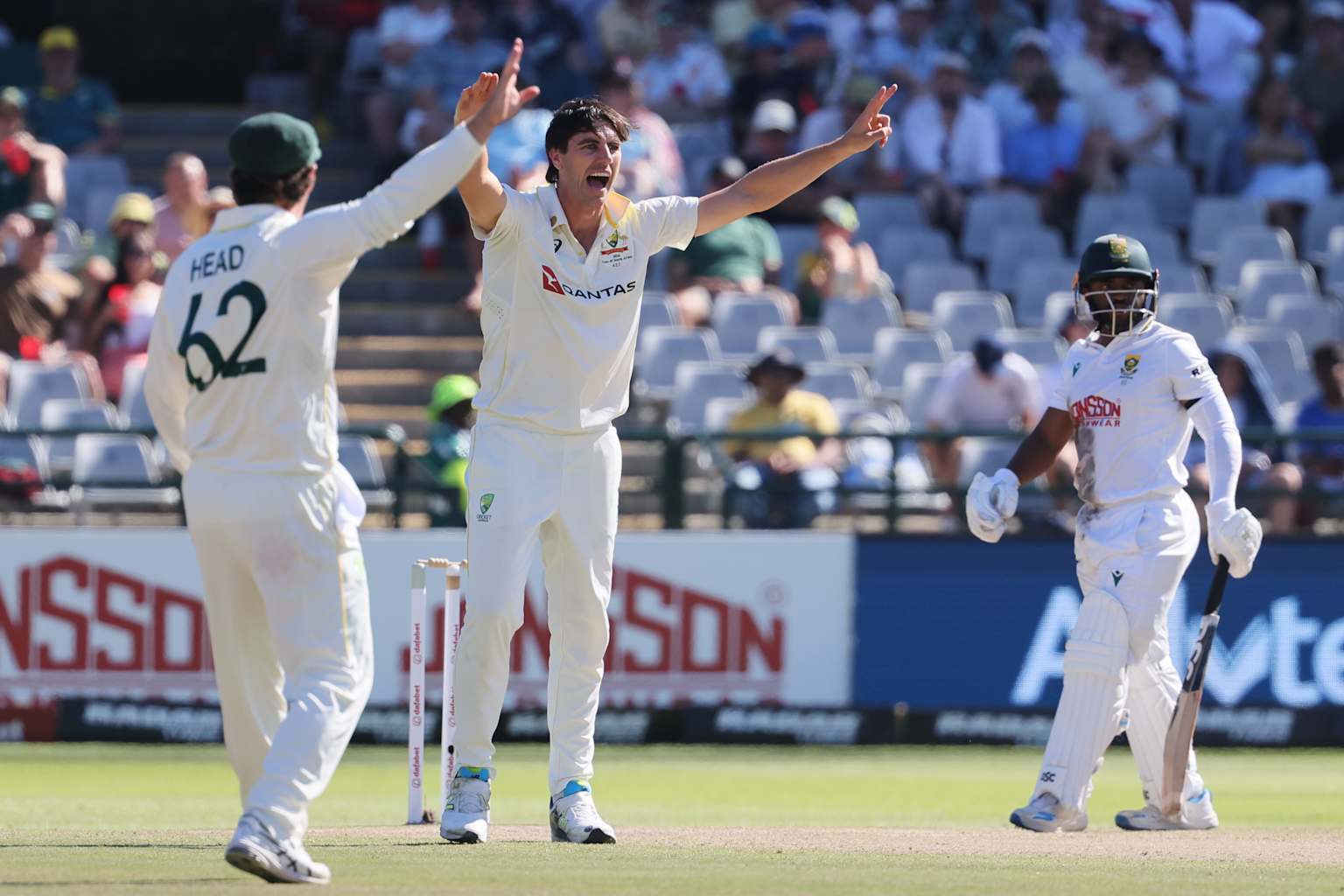
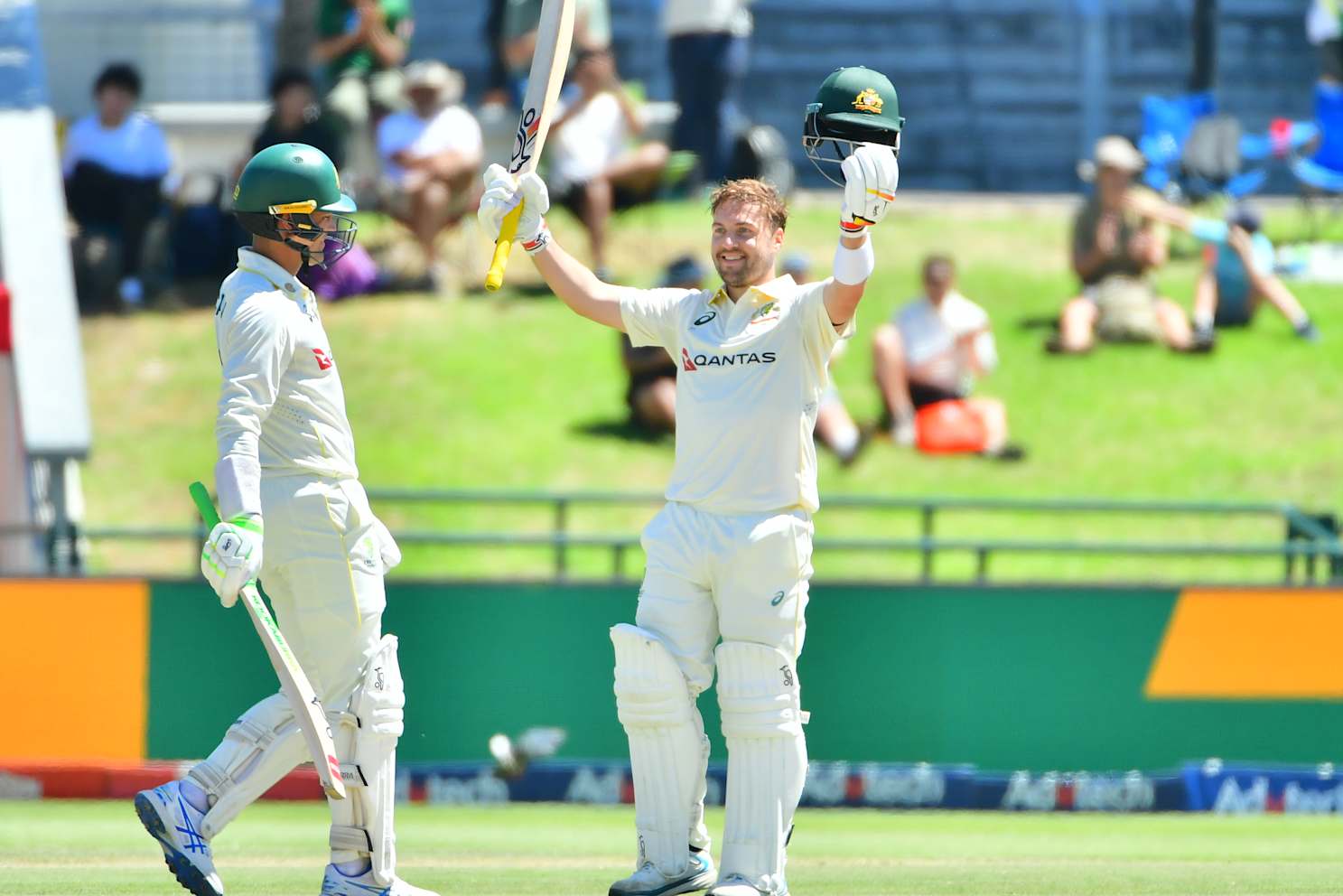
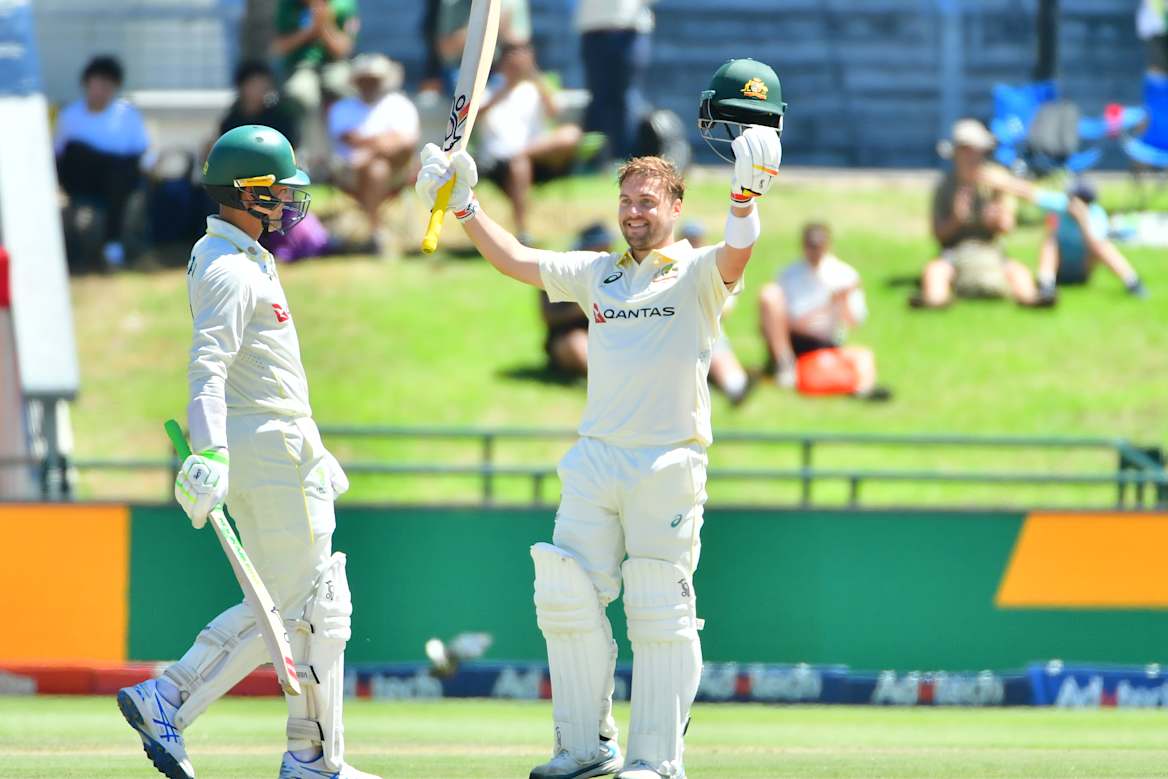
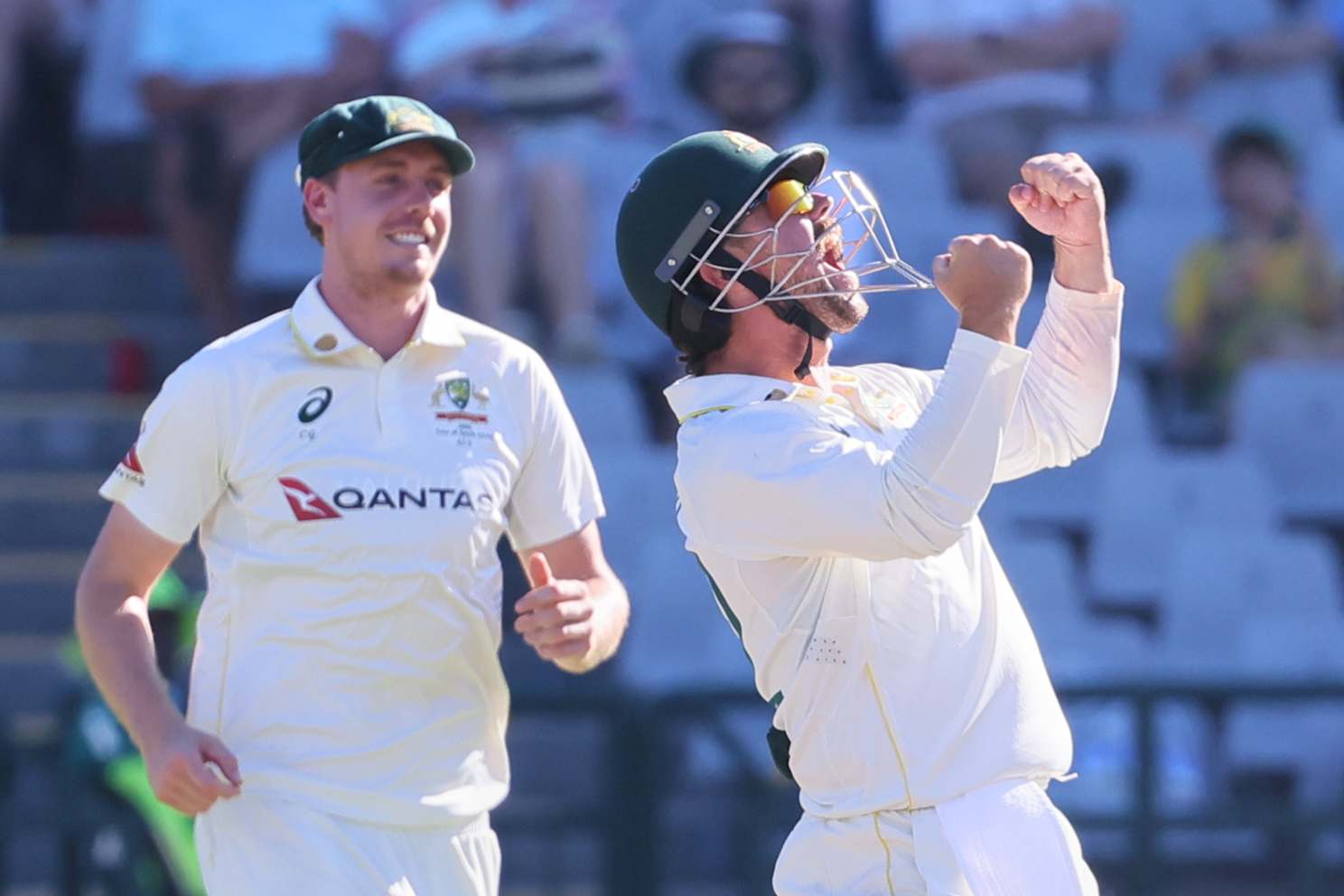
The South Africa-Australia series has been, by any reckoning, a classic of the reduced three-Test genre.
It has offered everything Test cricket lovers cherish: savage momentum switches, memorable individual feats, and the sense, every session, of unpredictable possibilities branching out.
Each side has been down, up, down, up again . It has taken place in a mostly agreeable time slot for Australian viewers, and sleep is followed by eagerness to hear about the overnight surprises.
Although the teams may not have the class of their forebears – only Kagiso Rabada of these Proteas would have made the teams of 2008-2013, and Australia’s batting is literally hit-and-miss. But this hasn’t diminished the entertainment.
It’s hard to think of a more compelling three-match Test cricket contest.
Oddly, however – because sports are meant to be about entertainment – attractive Test cricket is mere surface ruffle over the tidal forces beneath.
Crowds have been so poor that 11,000 attending a day at Cape Town is seen as a triumph.
South Africa plays little Test cricket: since they became world champions by beating Australia in London in 2025, they had played six games. In that period, Australia, India and England played a combined 40.
For the next year, the Proteas have two Tests against Bangladesh and a three-Test rubber with England, a shrinkage from the usual five-Test tours. Like the West Indies, South Africa has a popular domestic Twenty20 competition that finances its struggling red-ball calendar.
The real direction of Test cricket will be set next month when the International Cricket Council dictates its Future Tours Program (FTP). The excitement of this series in South Africa, which should be a fillip for the Test format, has no bearing on the ICC’s decisions.
The strength in breadth of Test cricket, already withering, will wither more. Instead of making a case to revive and rebuild it, this series will stand as an elegy to what we will miss.
A draft of the ICC’s plans, drawn up in Dubai in September, has been circulated. Its priorities are expanding Twenty20 and locking down bilateral Test series among the club of India, Australia and England, the self-anointed “Big Three”.
Five-match series, the true test of cricket, will be limited to these “marquee” events.
The rest will fight for the scraps. South Africa, New Zealand, Pakistan and the West Indies, all of whom have been the best for periods of Test cricket’s history, will form a de facto second tier.
The draft FTP has an element of bait-and-switch. Its downgrading of bilateral 50-over series, which will be mourned by few, will obscure its real agenda, which is to promote Twenty20 as the main format at the expense of Test cricket.
The Ashes, Border-Gavaskar and Anderson-Tendulkar trophies will be elevated and preserved, but the breadth of Test cricket, which peaked in the early 1990s, will be thinned out.
It will be technically unachievable for Pakistan to return to the top, or for Bangladesh to make sustained advances, while India snub them.
South Africa, Sri Lanka, New Zealand and the West Indies will cross their fingers and hope to produce outstanding individuals who cover over the structural decline in red-ball cricket.
Ireland and Afghanistan will get a lot of Twenty20 and a few token Tests. Notably, in the early 1990s, when Test cricket’s strength was growing, Australia, England and India were in the middle of the pack. This won’t be allowed to happen again.
It’s well acknowledged that India’s cricket economy, powered by the IPL, underwrites the rest of the game. It ramifies to Australia not just in programming: the ongoing brawl over privatising BBL clubs is just Australia being caught between the rock of IPL financial power and the hard place of impoverished independence.
This is replicated around the cricket world.
The IPL and its audiences are the game’s engine room, and Test cricket is at its mercy, allowed to persist as a quid pro quo to keep England and Australia onside and to give elite Indian players a chance at establishing a nationalistic legacy more substantial than a 50 off 19 balls.
This is not to paint India as the bad guys. Their audiences have made cricket the second-most popular team sport in the world after football, recognised with its inclusion in the next Olympics. This popularity comes with qualifications: the surging world game is Twenty20, followed a long way back by Test cricket involving India.
As the FTP will make clear, the “marquee” series are nothing more than Test cricket’s rearguard action. No such energy will be expended to preserve five-Test series or regular Test cricket involving the second tier. Only if India wants to subsidise it at the expense of Twenty20, can Test cricket regain the depth and diversity it once had.
India has shown little such intention.
Over its 150 years, there have always been multiple tiers in Test cricket. The beauty of the game, as it spread, was that the members of those tiers were changeable.
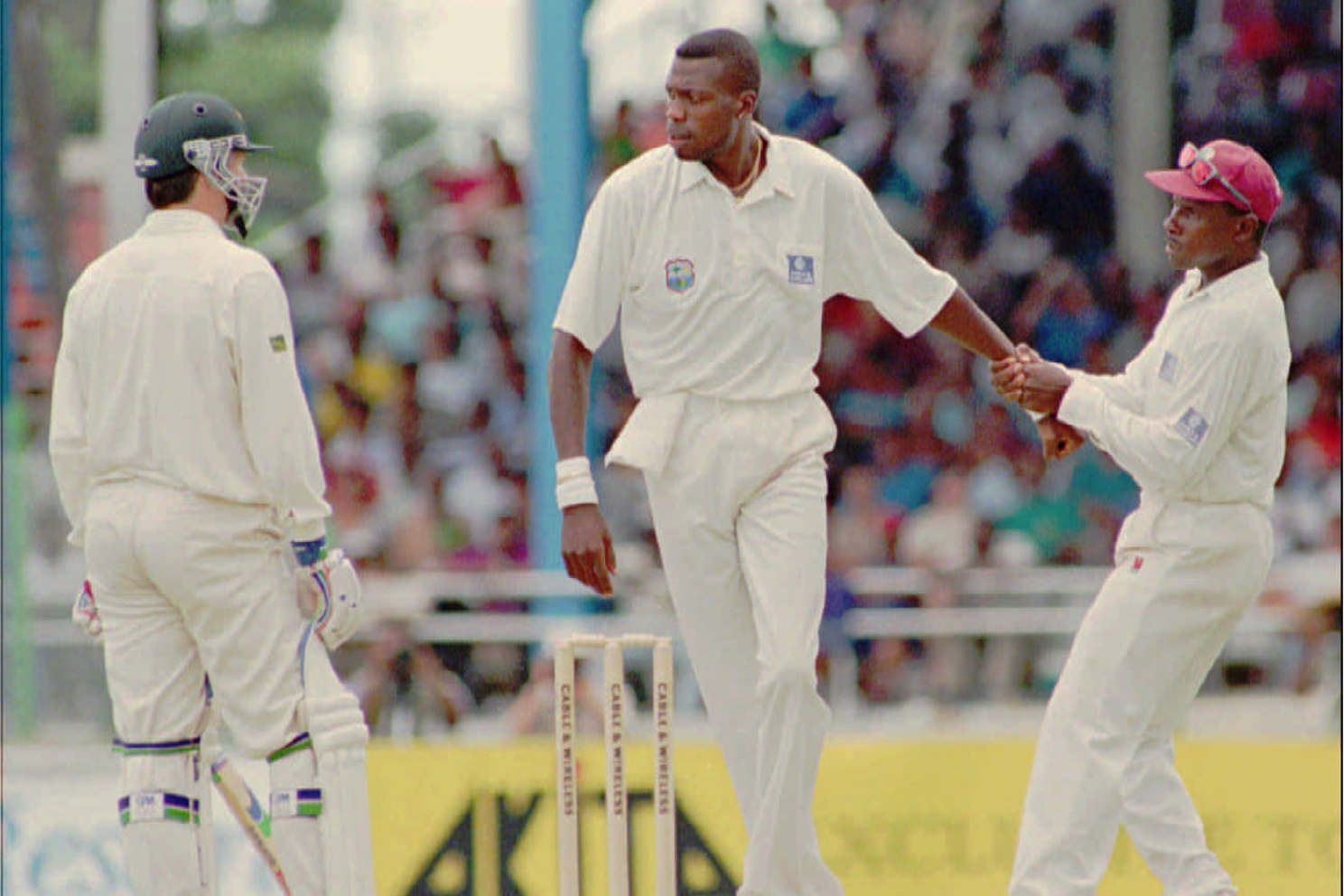
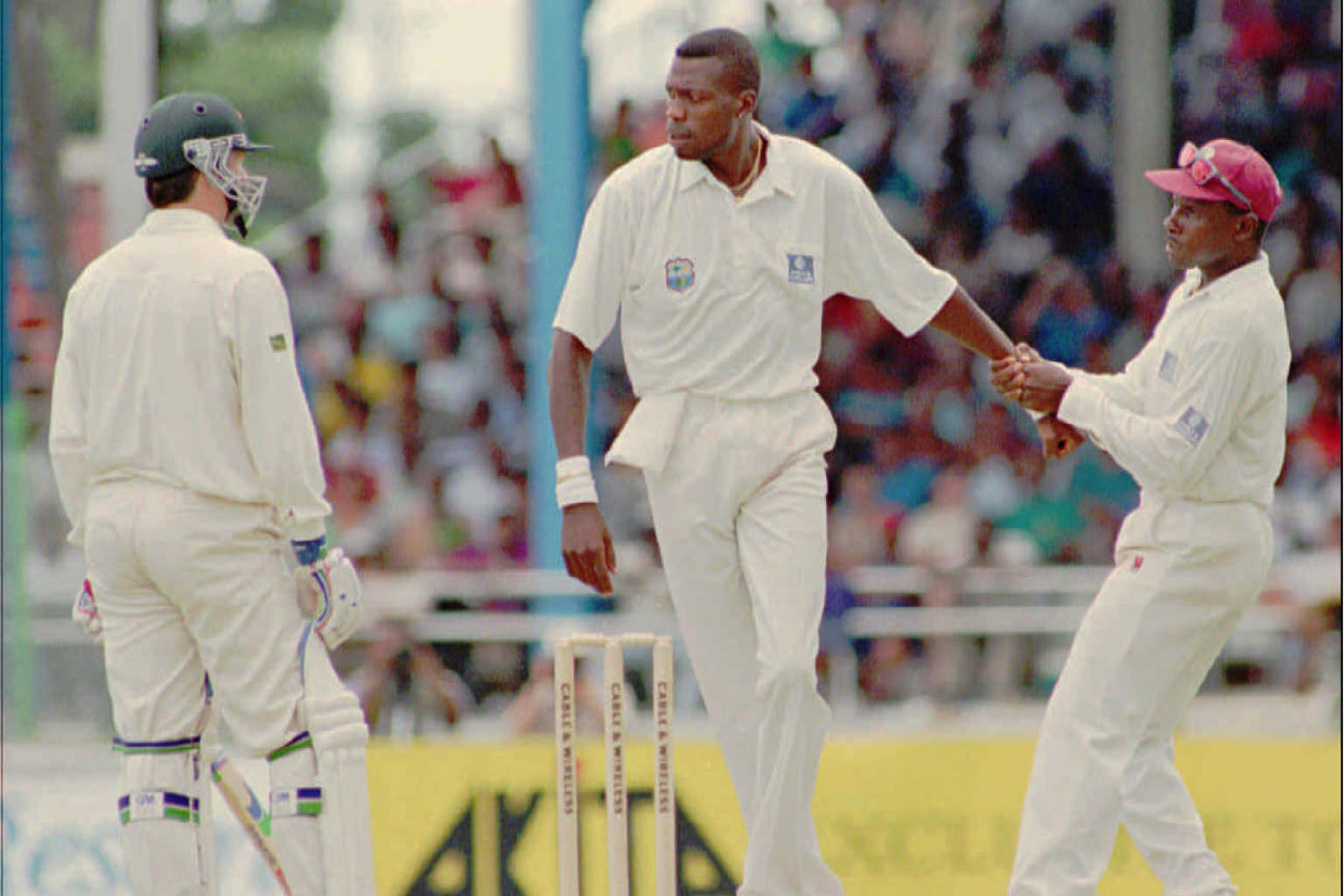
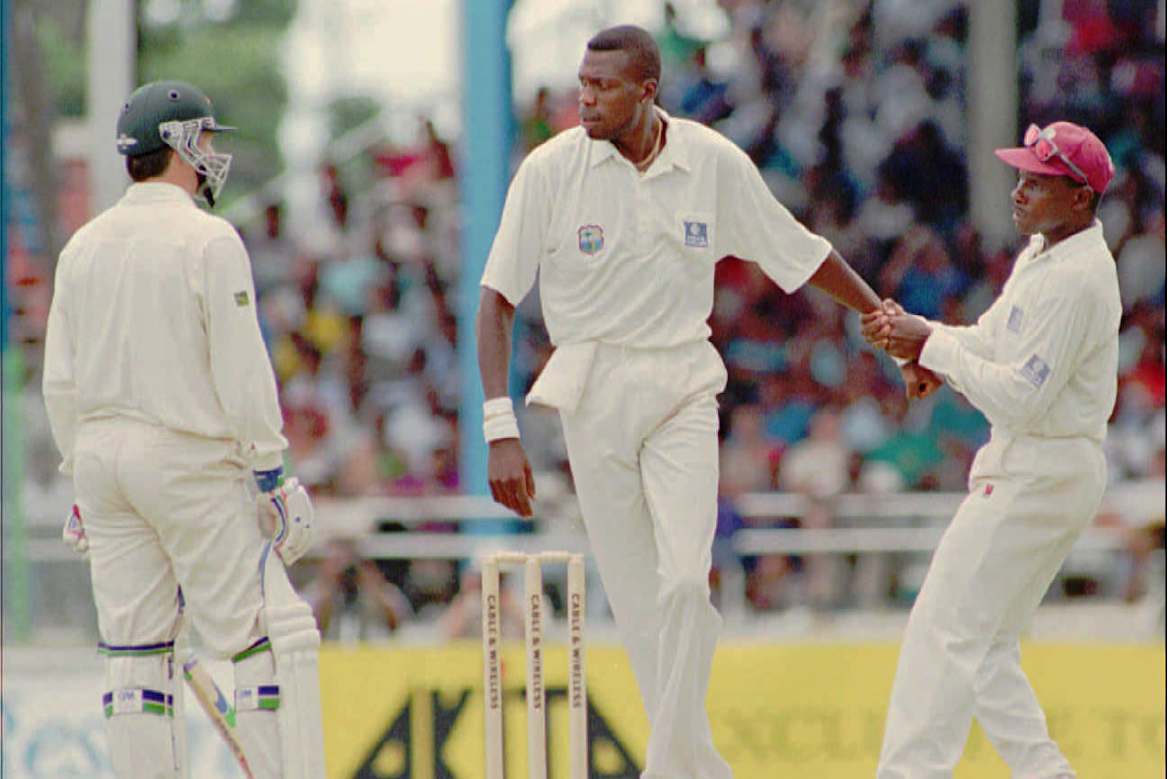
For decades, the West Indies were unquestionably in the top echelon and India were not. Pakistan had a far better Test record than India. Sri Lanka started their Test era with more success than either India or Pakistan. Zimbabwe rose and fell. England and Australia sometimes dropped into the second tier. Test cricket was vibrant.
The future, by contrast, is fixed. The top tier will be immovable.
Even if they win a World Test Championship, second-tier nations will still be stuck. Money talks. But genuine, diverse, unpredictable competition is not just a romance; it means money too, if only the game’s governors could envision a future of 100 or 150 years.
Instead, ICC members will talk about where they want cricket to be in five years. The way they are going, five years may be all that a broad, competitive Test cricket community has.
South Africa and Australia have given us a treat of a three-Test series. If only there were two more games to settle it.
But this marquee is a small tent, and its future is smaller. Even while we’re celebrating its virtues, the longest game will be strangled by bosses who think of the short term.
You have reached your maximum number of saved items.
Remove items from your saved list to add more.
You've used all of your gift articles. 3 more will become available on the 1st of every month.