First published 30 Oct 2026, 4:00am
Mounting mortgage stress is impacting consumer spending as some economists warn there could be a recession in six months.
Fears are growing that an almost certain interest rate hike on Melbourne Cup day next week could plunge the country into a recession.
Markets are currently pricing in an 82 per cent chance of a cash rate hike at the next RBA board meeting on Tuesday, a figure that has spiked since ABS data was released this week showing a rise in inflation.
Another 0.25 per cent hike would push the cash rate to its highest level since 2008, and some economists have become concerned about the affects this may have on the Australian economy.
MORE: ‘Asking why’: Aus’ large lender going broke
A new poll by comparison Finder.com.au of 34 economists and housing market analysts revealed just over a third (35 per cent) said they now think a recession is likely within the next six months.
This was a rise from the 30 per cent predicting a recession last month.
Treasurer Jim Chalmers has come under fire as critics warn high government spending has played a role in sticky inflation. Picture: Martin Ollman
But there was also an air of uncertainty – 10, or 29 per cent, of the experts polled said they were unsure. The panel included university finance professors, investment analysts and bank economists, among others.
Three quarters of the panel agreed that there would be expected a rate hike on Melbourne Cup day.
MORE: What your home will be worth in 2031: all suburbs list
It follows ABS inflation data released this week showing the RBA’s previous onslaught of rate hikes had yet to result in a meaningful slowing in the rate of inflation.
Underlying inflation, one of the main metrics the RBA uses to determine monetary policy, was 3.5 per cent over September, up from the month before, and well above the 2-3 per cent RBA target.
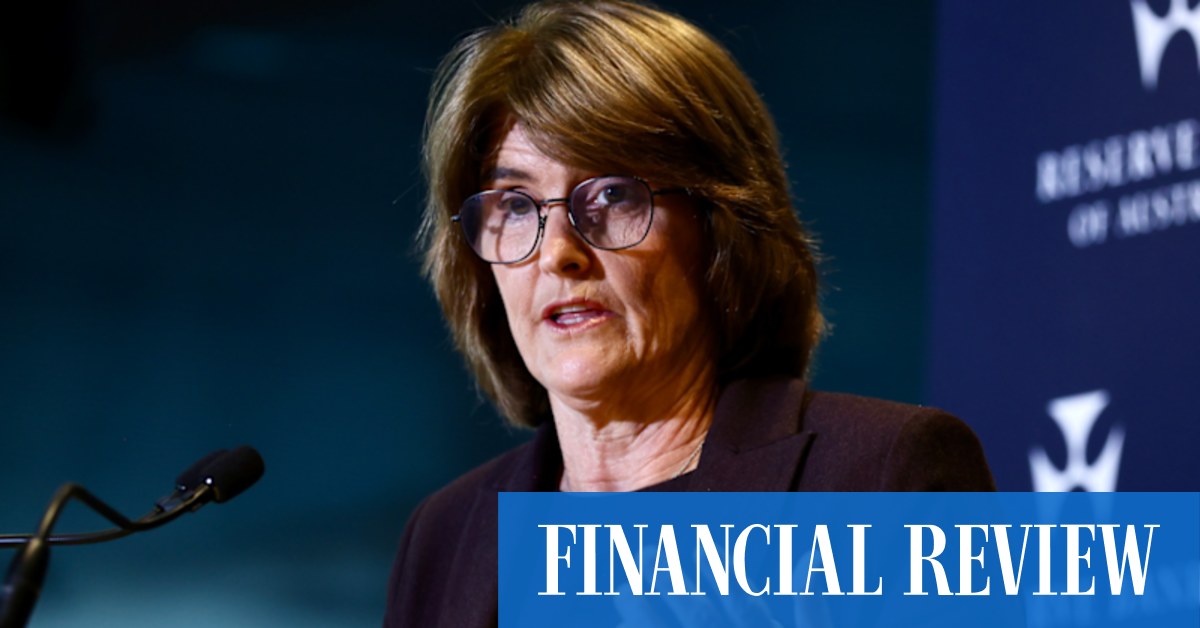
RBA Governor, Michele Bullock is widely expected by financial markets to announce a November hike. Picture: Martin Ollman
AMP chief economist Shane Oliver said the RBA may well conclude a cash rate increase was worse than the alternative of letting inflation become baked into the economy.
“RBA commentary and guidance has been hawkish and the higher than expected September inflation data, along with ongoing upside risks to inflation, leaves the RBA with little choice but to hike again,” Mr Oliver told the panel.
MORE: Bad news for Aussies who earn under $250k
Mr Oliver had previously warned about the risk of overtightening, noting that additional rate hikes push the risk of an outright recession materially higher.
Economist Saul Eslake of Corinna Economic Advisory said the RBA may be losing patience in its fight against inflation.
“Senior RBA officials appear to be expressing diminishing tolerance for persistently above target inflation (and conversely, a greater willingness to accept temporarily higher unemployment as a side effect),” he wrote.
Mortgage holders’ ability to absorb further repayment cost increases may be diminishing too, with figures from ratings agency Equifax showing arrears rates were rising among first-home buyers.
MORE: ‘No idea’: Woman loses home in Albo’s rule change
Equifax chief solutions officer Kevin James said the figures were still relatively low at about 1 per cent, but the trend was going up.
“First-home buyers do exhibit structurally higher arrears rates when compared to the rest of the market, and these defaults have been creeping up as sustained challenging macroeconomic conditions bite,” he said.
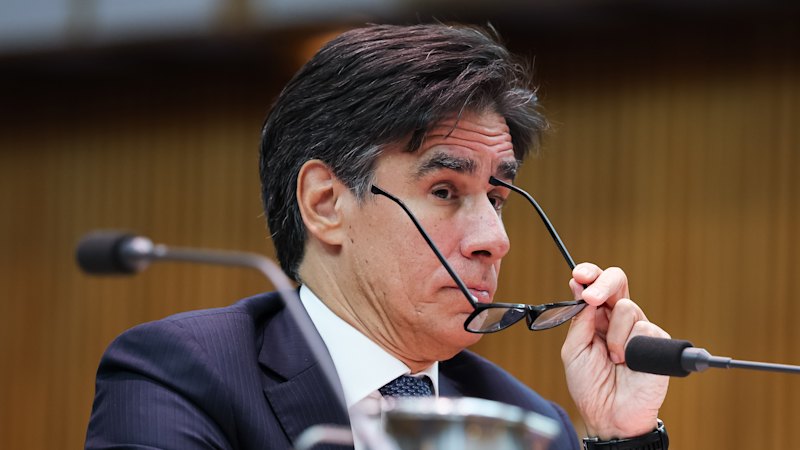
Kevin James, Chief Solution Officer, at ratings agency Equifax.
“This cohort needs support not only at the point of entry into the mortgage market, but also to ensure they are prepared to weather changing conditions without finding themselves in financial stress.”
My Housing Market economist Andrew Wilson said earlier this week that it wouldn’t take much for the current downturn in property, one of the pillars of the economy, to become the biggest since the 1980s.
He observed that national home prices had already dropped 5.5 per cent, the same as in 2018, the biggest contraction this century. Another rate hike would speed up that decline, Mr Wilson said.
MORE: China targets Aus homes in $5bn move
Help us improve your reading experience
Got a minute? Your feedback will help us build a better experience for you.