You have reached your maximum number of saved items.
Remove items from your saved list to add more.
You've used all of your gift articles. 3 more will become available on the 1st of every month.
Part of the appeal of Japan may well be the weak yen, which has made the formerly expensive destination more affordable.But a weak currency does not a fascinating destination make.
Visitors are drawn to Japan’s culture: its clean cities, fantastic transport and mouthwatering food – not to mention its thriving arts and pop-culture scenes. Beautiful contradictions abound: ancient and modern; frenetic and meditative; at times rigidly collectivist but with countless thriving subcultures. There are a million entry points to this fascinating place.
Overseas visitors have more than doubled in the past decade, from almost 20 million in 2015 to a record 42 million in 2025. Australians took nearly one million (992,550) trips to Japan in 2025-26 alone. With the Japanese government targeting 60 million international visitors by 2030, the tourism boom shows no sign of slowing.
For some, the love affair with Japan is as ephemeral as sakura (cherry blossom) – delicate, perfect and short-lived, a vacation fling destined to be a beautiful memory. For others, it’s an obsession that lasts a lifetime.
This extract from Lonely Planet’s new book Love Japan: A Celebration of Japan’s Culture, Crafts and Customs from the People Who Live There offers fascinating insight into what makes the country so singular and beguiling, whether you’re dipping in or devoted.
Get exclusive travel deals delivered straight to your inbox. Sign up now.
You are born Shinto and die Buddhist – or so the saying goes in Japan. In reality, both are deeply woven into Japan’s cultural fabric, functioning in unison to form a combined set of spiritual practices.
Shinto is associated with birth, purification and renewal, Buddhism with death and the afterlife. When children are a month old, many parents take them to a shrine for an omiyamairi ceremony, where priests pray for their health and prosperity. Most funerals, meanwhile, follow Buddhist traditions.
Shinto, the main religion, revolves around the worship of spirits or deities (kami) that reside in nature. It has no founder or set scriptures, although shrine worship is highly ritualised.
Many shrines have kami with specialities that attract specific prayers. At Suiten-gu in Tokyo, people pray for fertility and safe childbirth. Worshippers might also buy an omamori (amulet) for protection or good luck, or an omikuji (fortune paper). If the fortune reveals bad luck, it is tied to a designated tree or rack so the misfortune cannot leave the shrine.
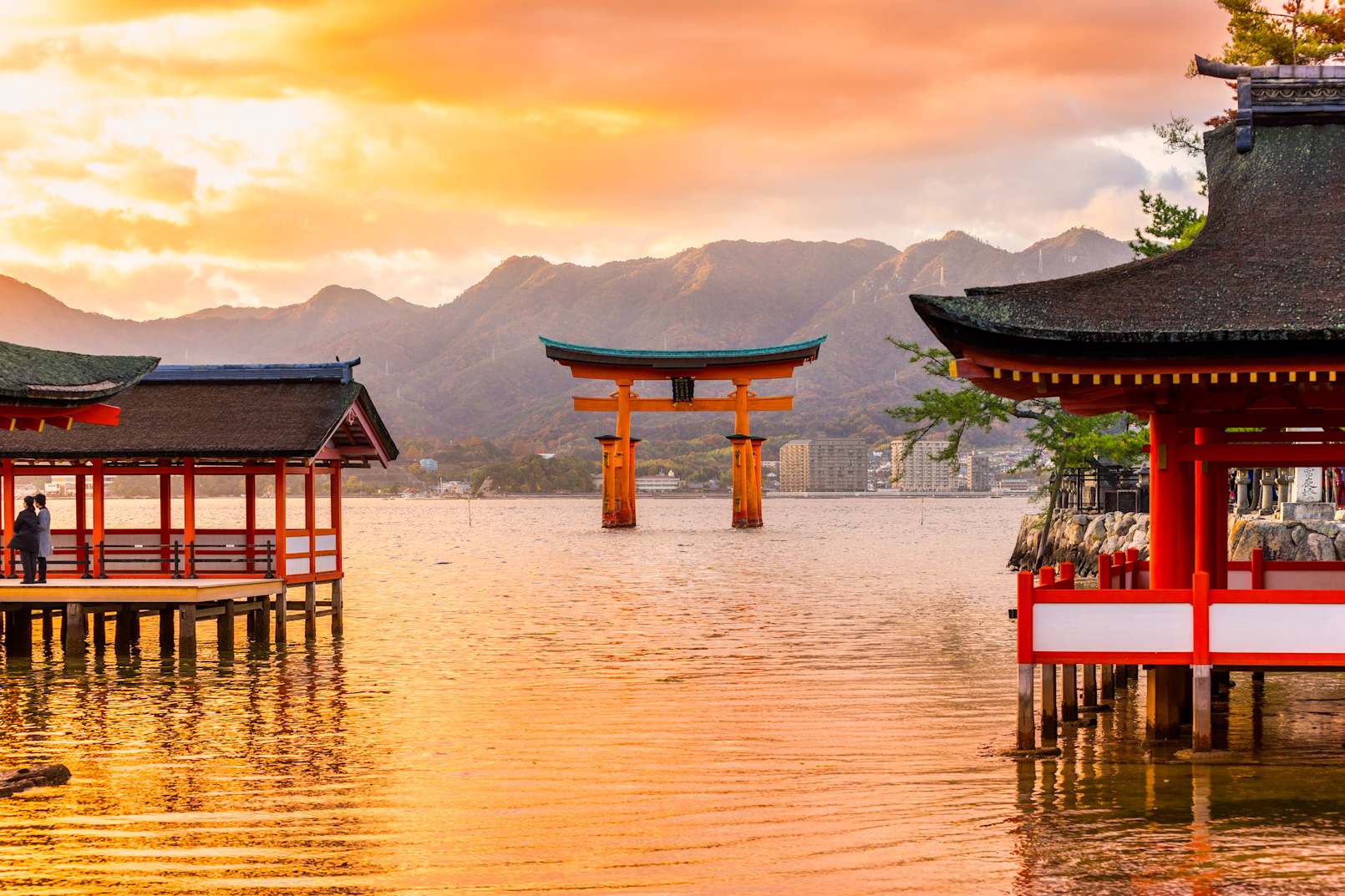
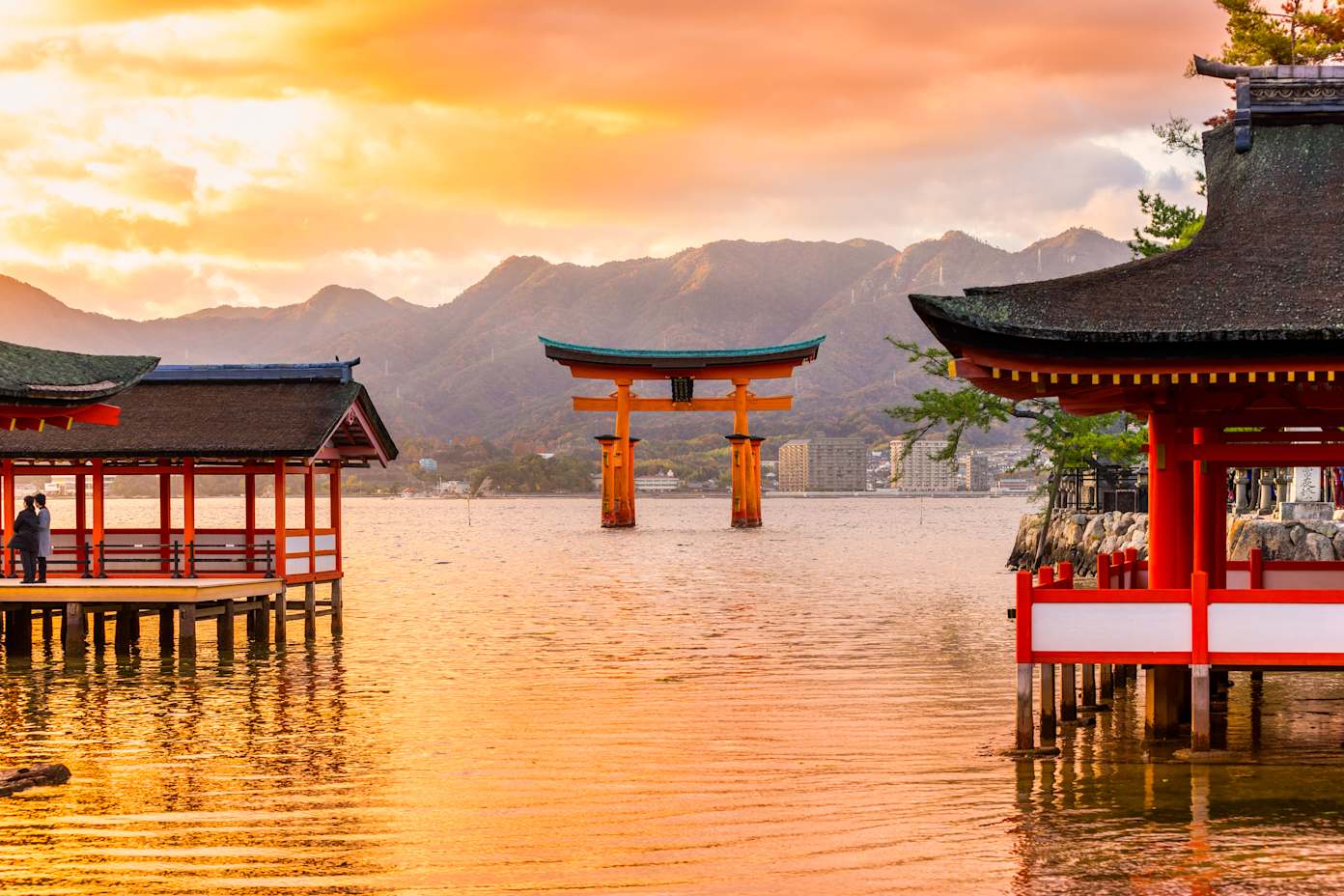
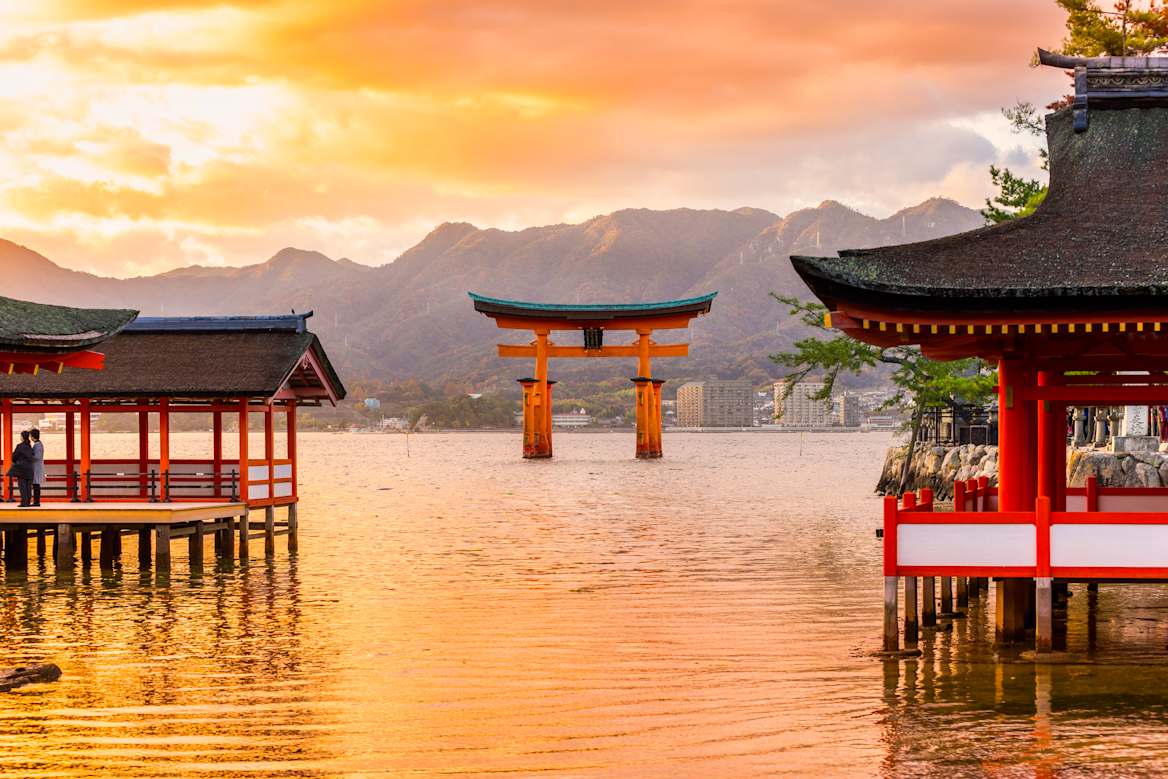
THE EXPERIENCE Itsukushima Shrine on Miyajima island is a UNESCO World Heritage Site featuring the famous “floating” torii gate. See miyajima.or.jp
The oldest hotel in the world is a traditional Japanese inn, a ryokan. Established in 705 AD, the Nishiyama Onsen Keiunkan in Yamanashi Prefecture was run by the same family for 52 generations.
As travel increased in the 17th century, inns took on the familiar shape of today’s ryokan.
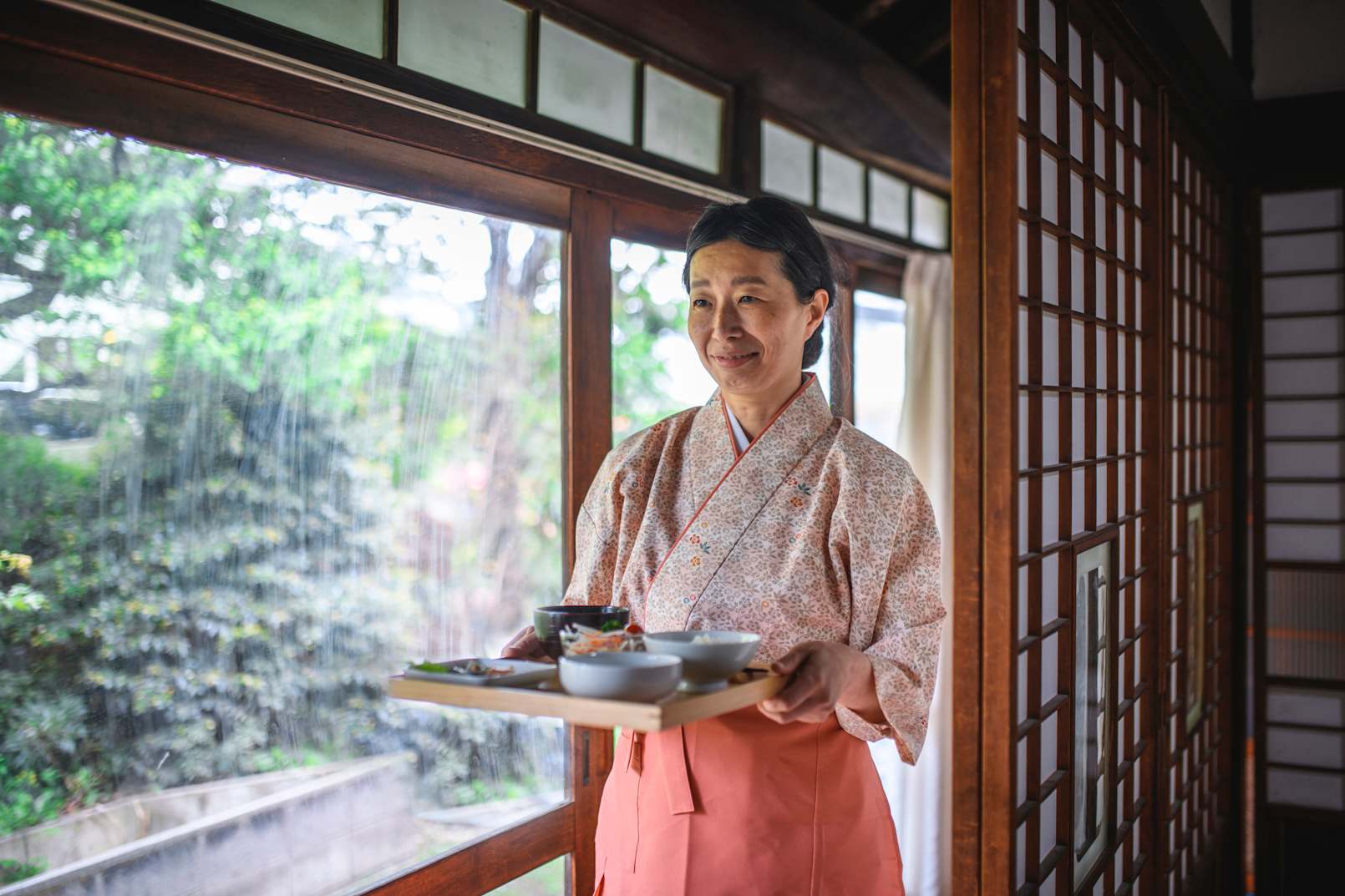
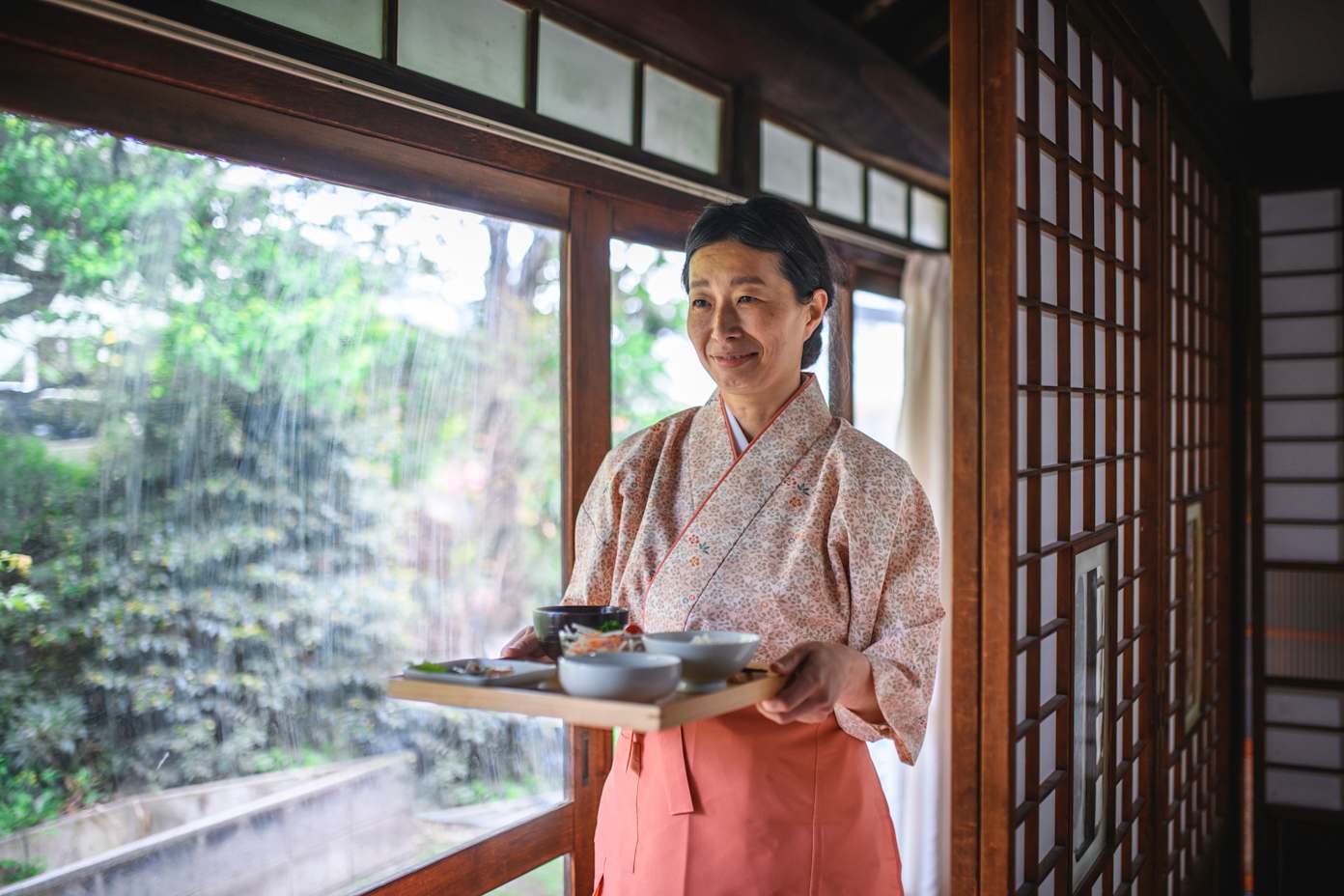
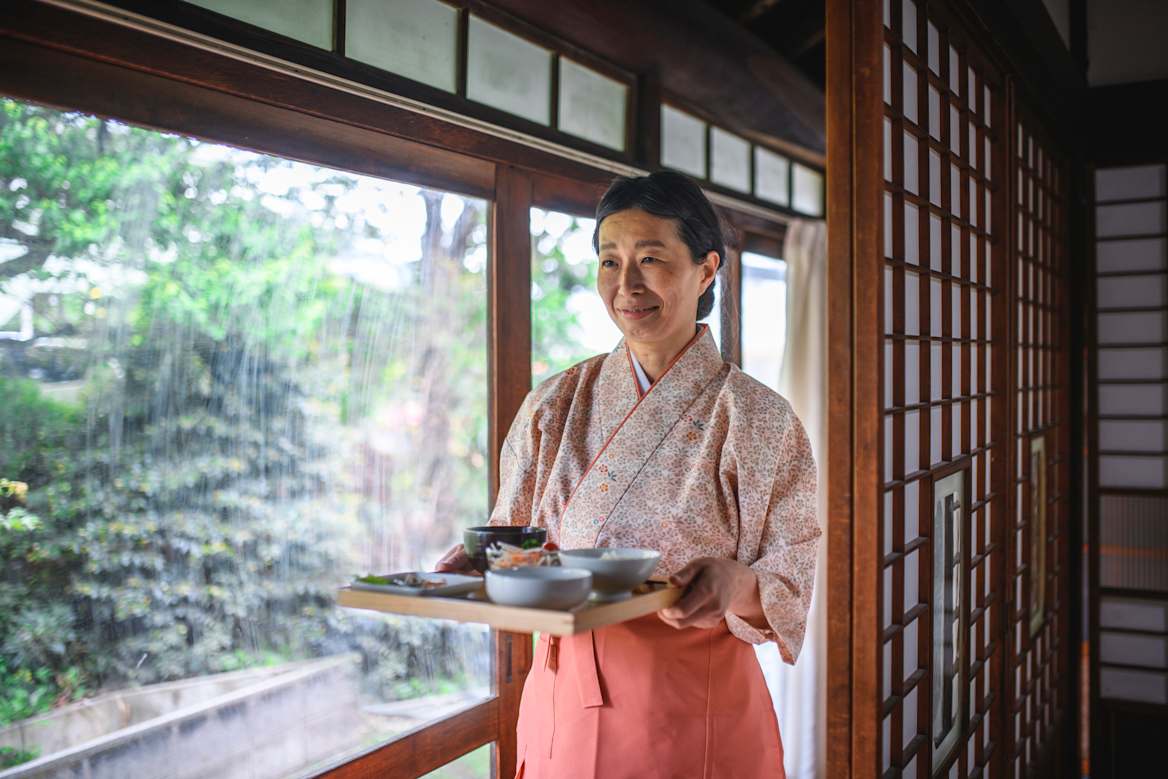
The archetypal ryokan has tatami-mat guestrooms featuring futon, shoji (screen doors) and minimal decor. The experience typically involves changing into a yukata (cotton kimono), soaking in hot-spring baths and enjoying multi-course dinners centred on seasonal produce.
You’ll notice little moments of Japanese hospitality too, such as the futon being prepared while guests are at dinner, or slippers perfectly aligned and waiting whenever you leave the tatami.
Some ryokan have outdoor communal baths; others offer in-room hot springs or are renowned for their cuisine. Many occupy heritage buildings that creak underfoot, while newer properties merge traditional aesthetics with contemporary luxury.
THE EXPERIENCE Ryokan can be booked directly or on various booking platforms. Browse certified member properties through the Japan Ryokan and Hotel Association. See ryokan.or.jp
All onsen are hot springs, but not all hot springs qualify as onsen. Under Japan’s 1948 Hot Springs Act, the water must be at least 25 degrees at source or contain specified minerals such as sulphur, iron or magnesium.
Dating back at least 1300 years, many onsen were considered sacred, with shrines or temples dedicated to them. They were also used for toji – long-stay hot-spring therapy, once the preserve of aristocrats.
From the 17th century, hot-spring cures became a useful pretext for sightseeing, when travel was permitted only for specific reasons.
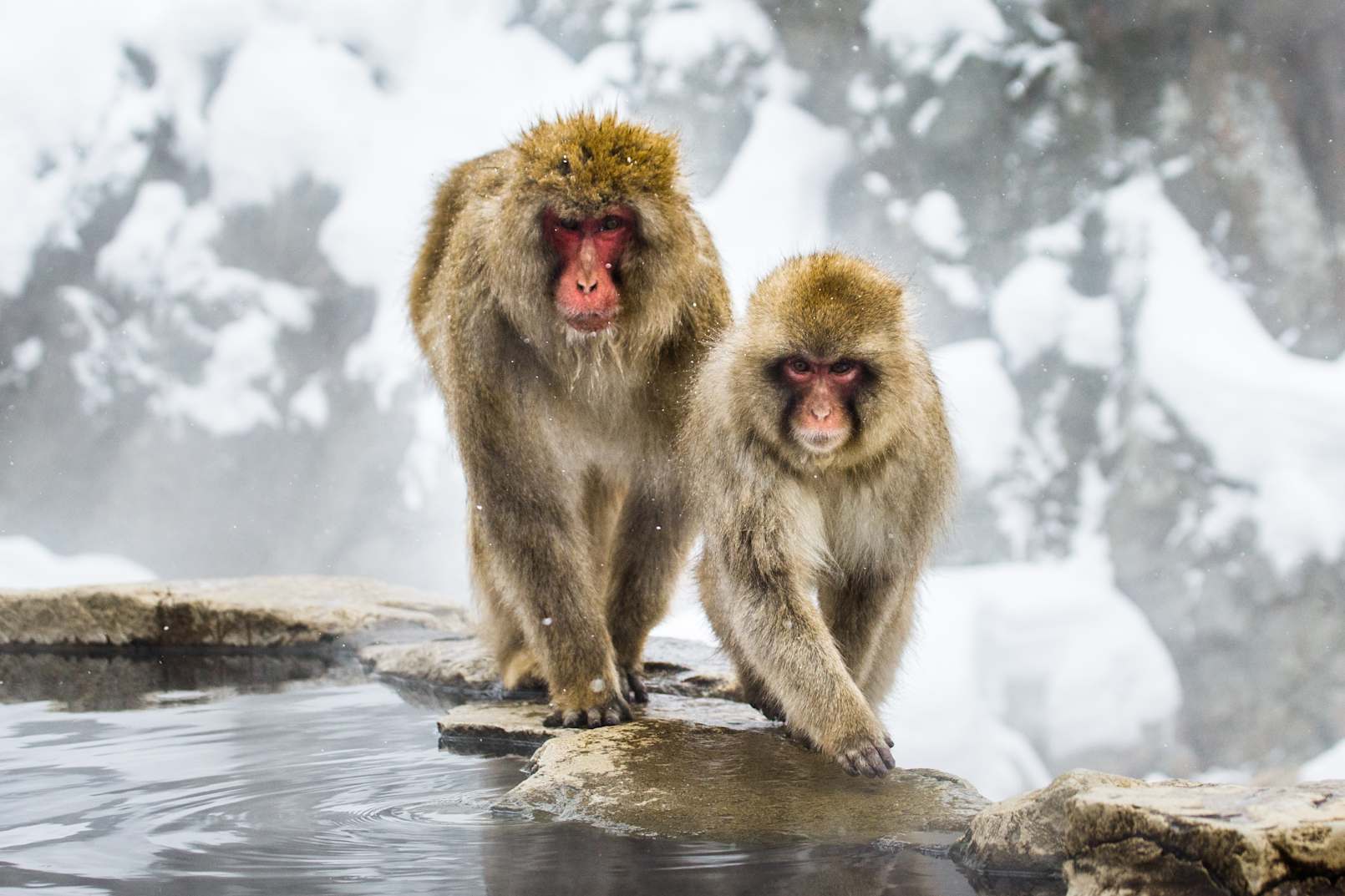
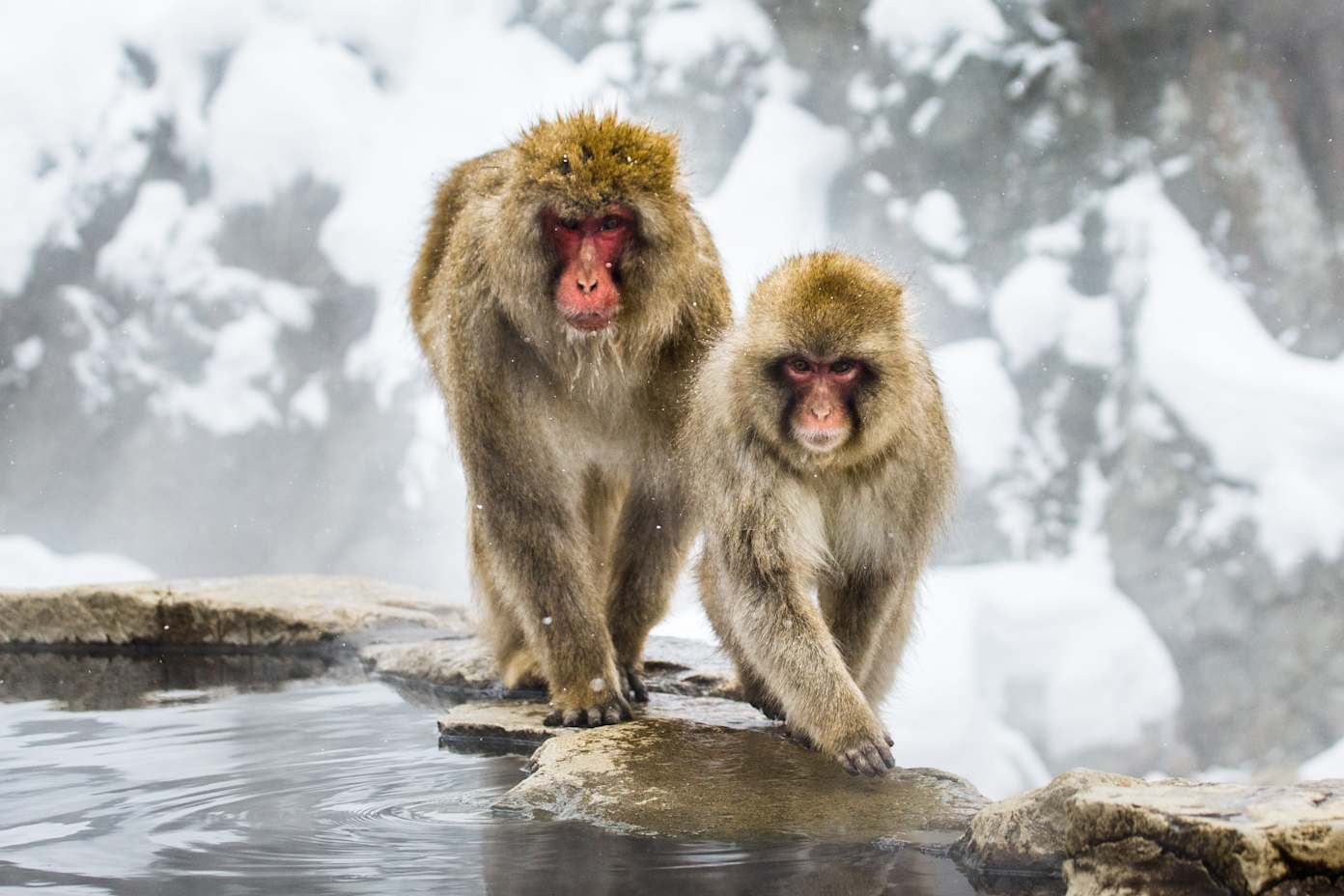
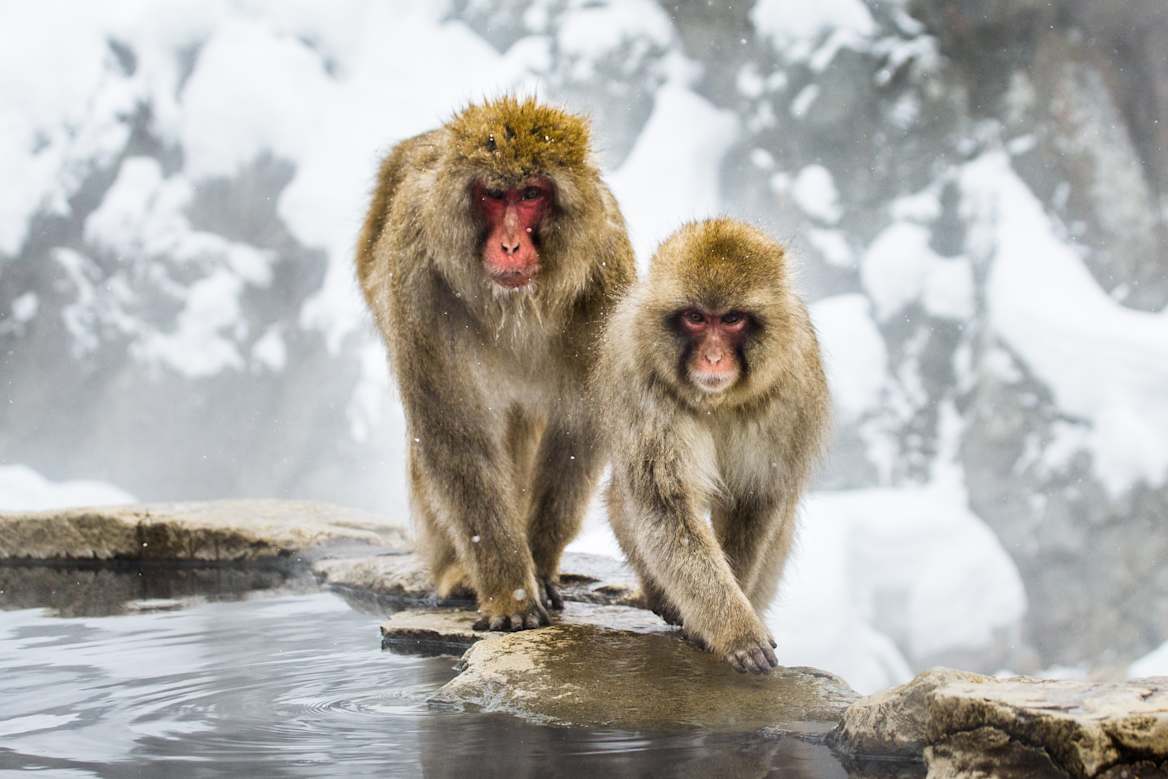
Improved healthcare eventually accelerated the shift from therapy to tourism. Today, onsen remain one of Japan’s most beloved natural resources. The reasons for visiting may have changed, but their fundamental effect remains the same – there’s nothing so restorative as a hot bath. Just ask the macaques that bathe in hot-spring waters at Jigokudani Monkey Park in Nagano.
THE EXPERIENCE At Kinosaki Onsen, explore its tattoo-friendly public baths. Beppu has Japan’s highest concentration of hot springs. See japanguide.com
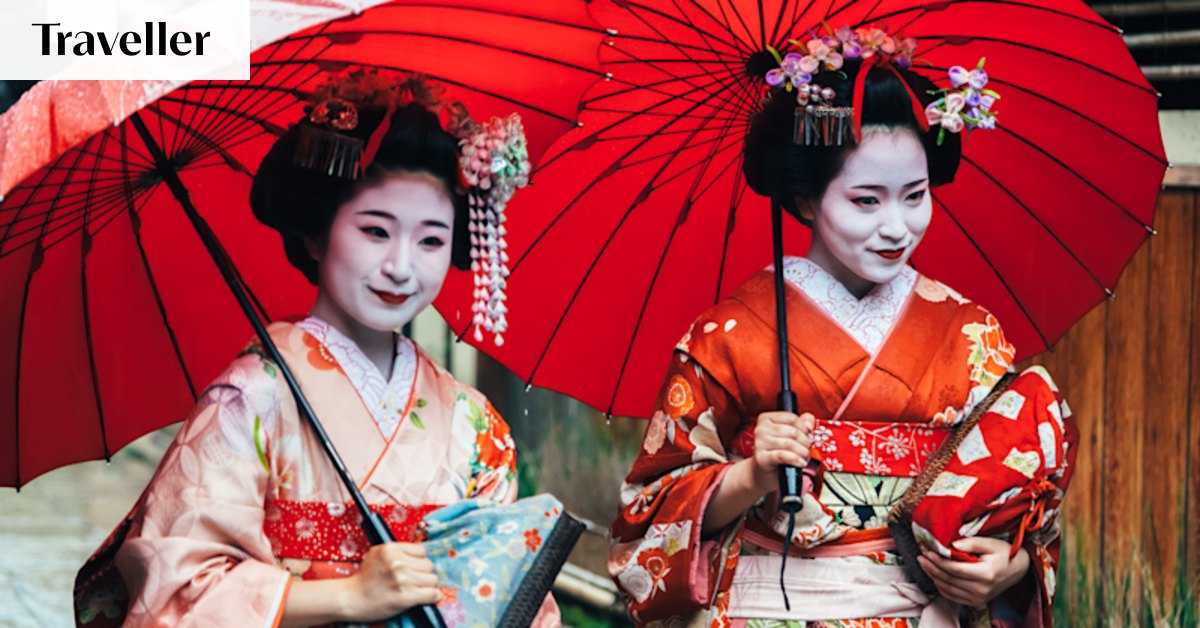
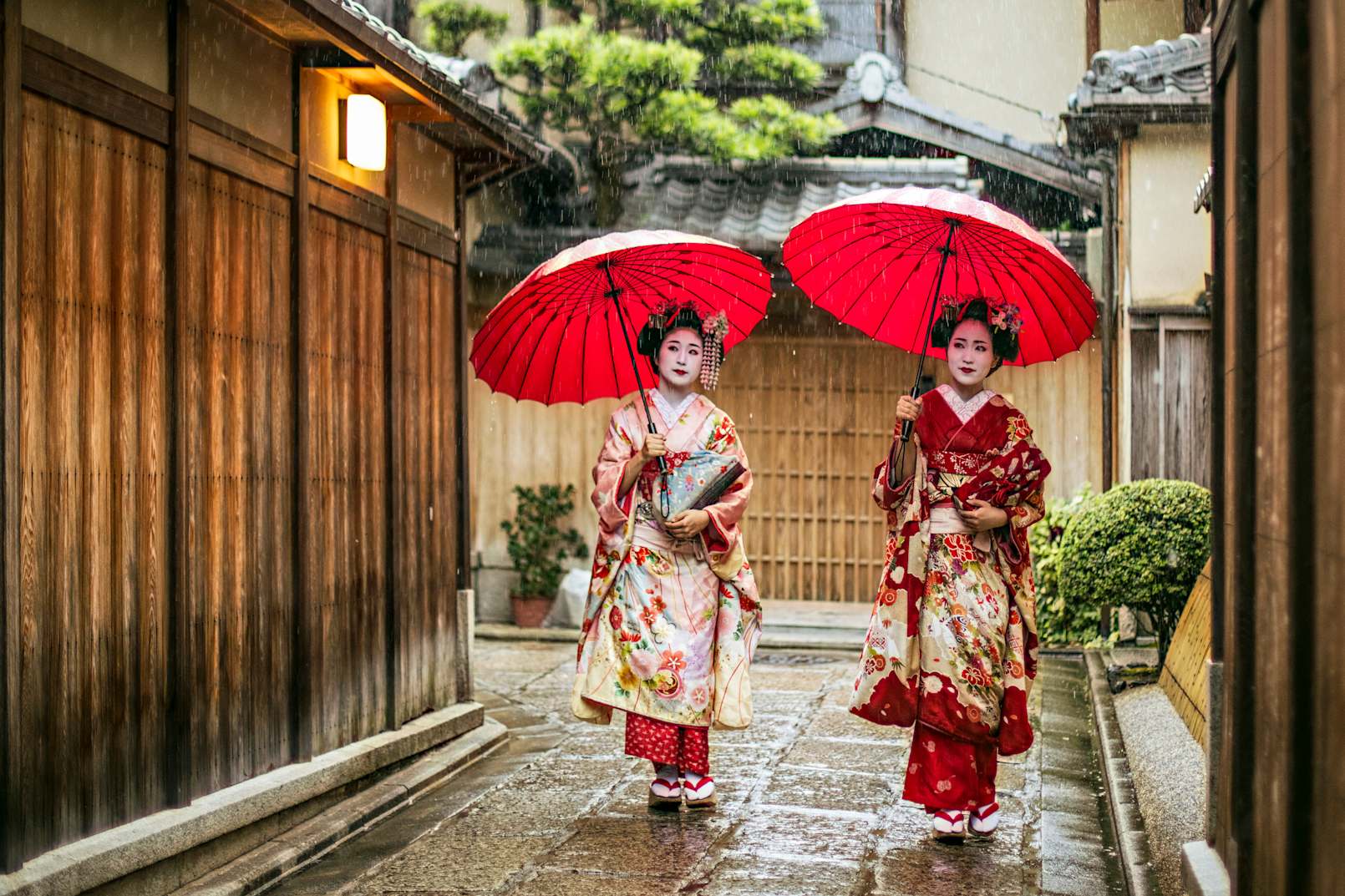
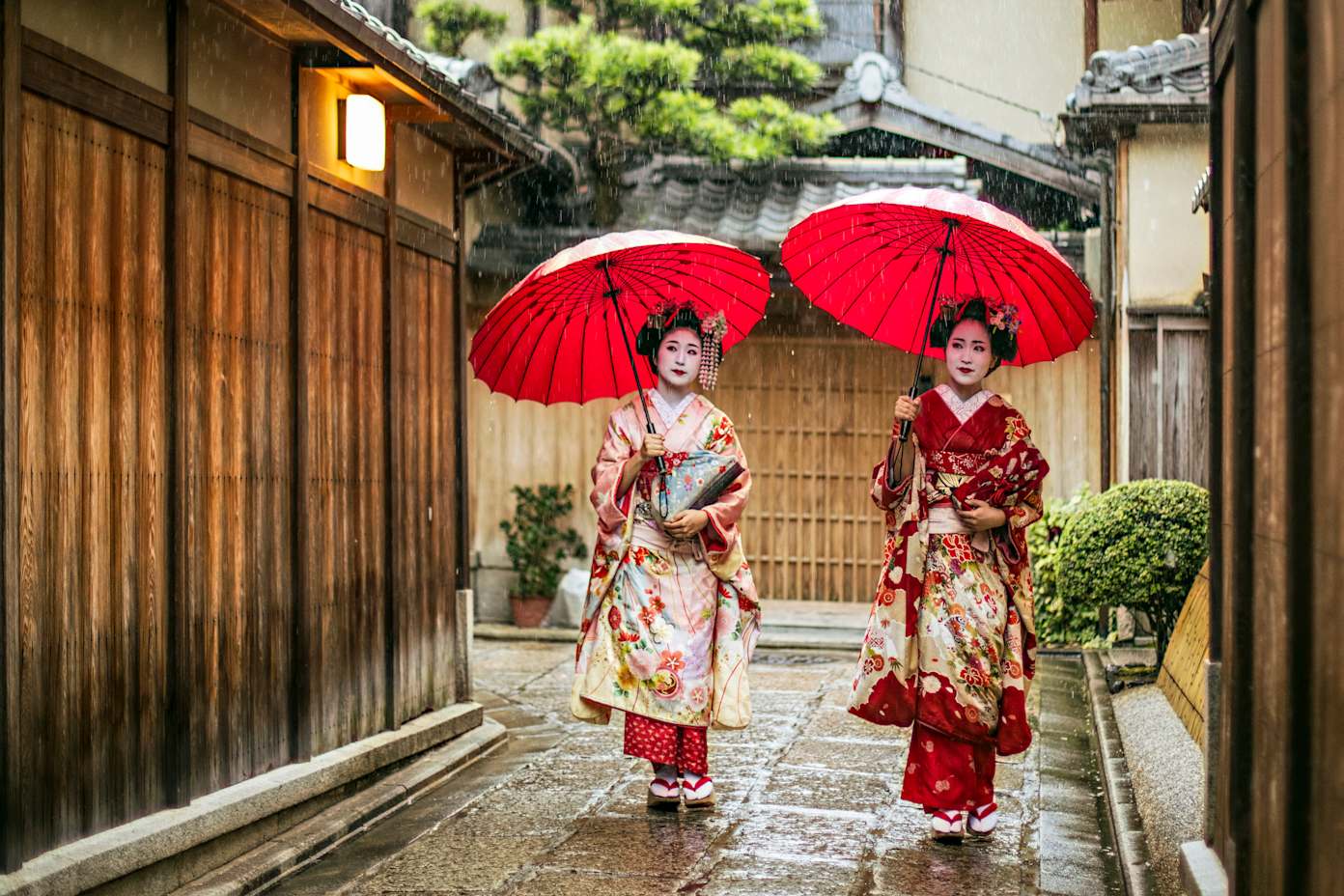
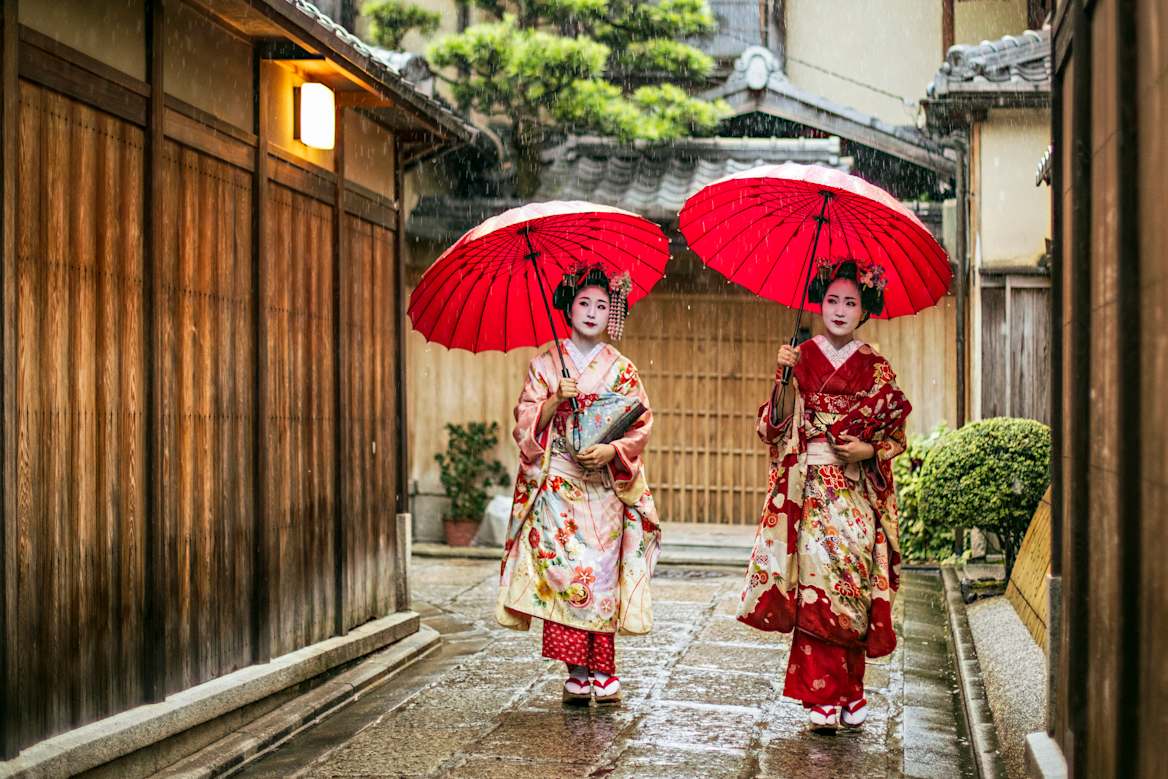
Geisha, also known as geigi or geiko, are professional entertainers who preserve the traditions of Japanese dance and music. They usually perform in private dining rooms for patrons, afterwards joining their company to pour sake and make conversation.
Geisha emerged as a distinct class around the 1730s, providing musical entertainment in the pleasure quarters of cities such as Edo (now Tokyo) and Kyoto. In Edo’s Shin-Yoshiwara, the distinction between geisha and courtesans was strictly enforced; geisha were prohibited from selling sex.
Today, Kyoto has five official geisha districts, known as hanamachi, including the famous Gion. Aspiring geisha join a geisha house, learning elaborate etiquette and undergoing intensive training in dance and music.
Those who progress become maiko (apprentice geisha), recognisable by their colourful, long-sleeved kimonos and elaborate hair ornaments. Under the guidance of a senior geisha, they continue mastering dance, singing and instruments such as the three-stringed shamisen. After five or six years, they may qualify as fully fledged geisha.
THE EXPERIENCE In Kyoto, annual public performances offer a rare opportunity to see geisha and maiko on stage, including Gion Kobu’s Miyako Odori and Pontocho’s Kamogawa Odori dance performances in spring. See mai-ko.com
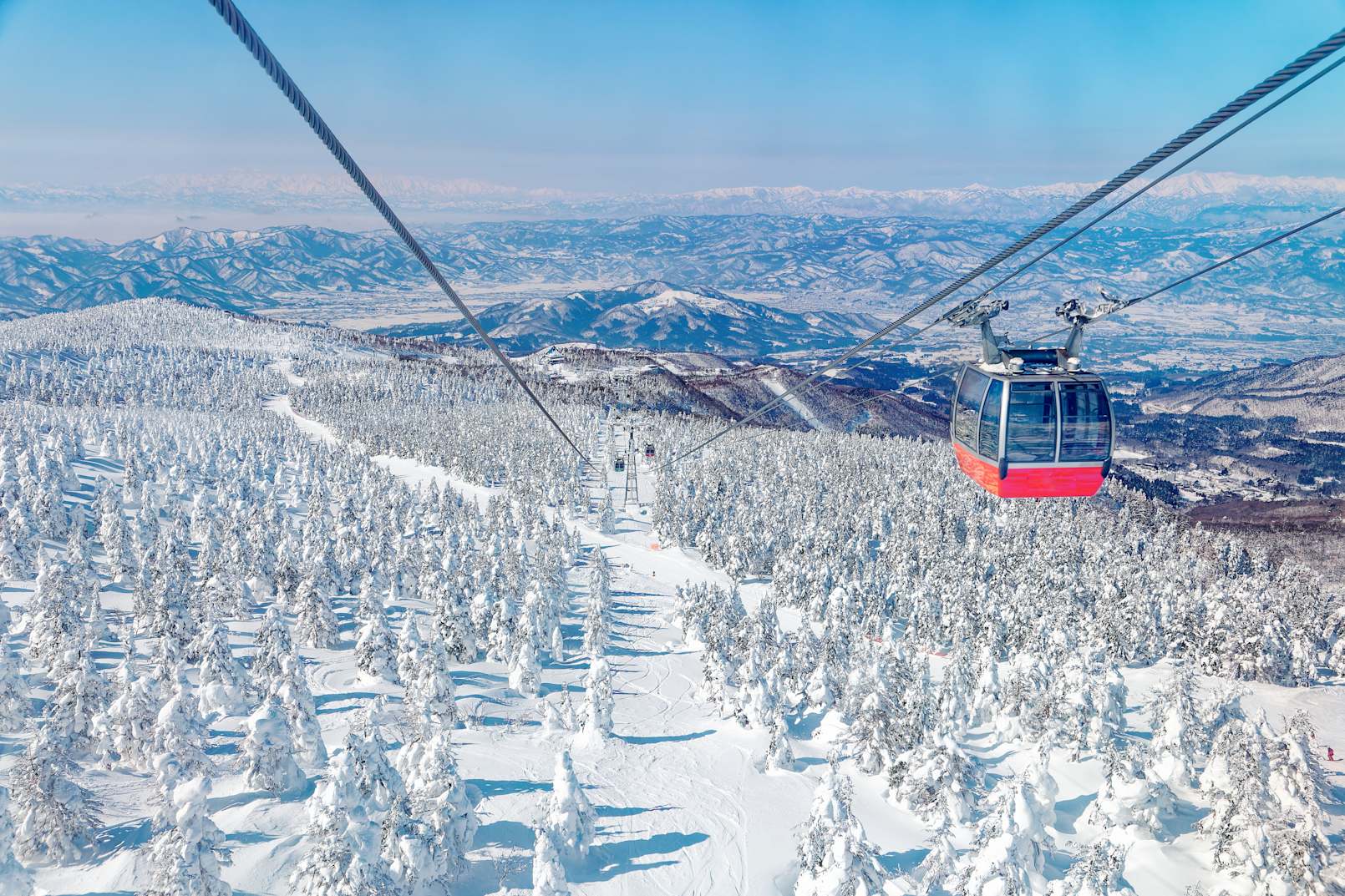
Every winter, millions flock to Japan’s yukiguni (snow country) for its feather-light powder and steaming onsen – not to mention affordable lift passes and a culture that balances thrills with tranquillity.
What makes snow Japan’s so extraordinary? Icy winds sweeping across the Sea of Japan pick up moisture, then collide with Honshu and Hokkaido’s mountains, dumping up to 10 metres of dry, light snow each season – perfect for powder-hounds.
But the future of the yukiguni is shifting. Major destinations such as Niseko and Hakuba are thriving, but smaller resorts face shorter seasons and financial strain. Climate change is forcing adaptation and a pivot towards year-round tourism.
THE EXPERIENCE Niseko (Hokkaido) is famous for powder and international flair. Appi Kogen (Iwate) has spacious slopes for all abilities. Zao Onsen (Yamagata) is known for its ice-glazed “snow monsters”, while Hakuba Valley (Nagano) offers beginner-to-expert runs across multiple resorts. See japan.travel
Japan knocks back oodles of noodles and must be the only country where museums dedicated to noodles are must-visit attractions. The hype is justified – Japan’s noodles know no equal in quality, subtlety, presentation and style, and everyone has their favourite iteration (many also have an anaba, a “hidden gem” of a noodle shop). The big three are ramen, soba and udon.
Now renowned around the planet as a Japanese phenomenon, ramen is thought to have arrived in Yokohama with Chinese immigrants in the early 20th century. Quickly adapted to Japanese tastes, it became a classic comfort food. Basic ramen is a bowl of crinkly wheat-based noodles in broth, topped with sliced roast pork, bean sprouts and an egg.
Soba (buckwheat noodles) flourished because buckwheat could grow in thin mountain soils where little else would. Soba is eaten hot, cold or stir-fried. White-wheat udon noodles come in various shapes and thicknesses, with many regional varieties.
THE EXPERIENCE Kagawa Prefecture is so enamoured with its speciality Sanuki udon that it has nicknamed itself “udon-ken” (udon prefecture). See japanguide.com
With cold currents sweeping down from the north and warm currents from the south, Japan is blessed with an extraordinary variety of seafood. Its nutrient-rich waters deliver an enormous bounty to the country’s chefs.
Many regions are known for their meibutsu (local speciality), and Japanese travellers often visit specifically to sample them. Hiroshima is known for oysters, Kochi for seared bonito and Hokkaido for crab, salmon and kelp. At the western tip of Honshu, Shimonoseki is famous for fugu (pufferfish), poisonous if not prepared correctly by a qualified chef.
Seafood is central to daily meals, with grilled fish often eaten alongside rice, miso soup and other accompaniments.
And of course, it appears on sushi. Nigiri-zushi is made by pressing slivers of fish onto bite-sized mounds of vinegared rice. Maki-zushi involves fish or vegetables rolled into rice wrapped in nori (dried seaweed). At high-end sushi restaurants, diners might order omakase (chef’s choice), a selection of seasonal delicacies.
THE EXPERIENCE Visit Tokyo’s Toyosu Fish Market to see auctions showcasing the myriad seafood varieties and passion for them that characterise Japanese cuisine. See japan.travel
The word kawaii (pronounced kah-wah-ee) implies something cute, sweet, endearing and innocent. It’s the dominant pop-culture aesthetic – from watermelon-shaped bus stops and rabbit-like construction signs to bear-shaped parfaits.
Its roots stretch back centuries. Edo-period woodblock prints featured goldfish using leaves for umbrellas and anthropomorphic cats visiting bathhouses. Contemporary kawaii culture emerged in the early 20th century, influenced by manga and commercial illustrations.
Then came Hello Kitty. Since her “birth” in 1974, the whiskered character has become the queen of kawaii. Her lack of a visible mouth – and therefore a definable mood – allows people to identify with her however they might be feeling.
By the 1980s, kawaii had become more than something to own. It was an aesthetic tied to identity, expressed through make-up and fashion. Tokyo’s Harajuku became the epicentre of cute-fashion communities, from Gothic Lolita to decora.
For its fans, kawaii champions individuality. “Kawaii fashion encourages people to dress based on how they feel and what they love rather than dressing to meet others’ expectations,” says model and artist RinRin.
THE EXPERIENCE In Tokyo, explore Harajuku’s street-fashion culture, or look out for kawaii characters on public transport and discover how far Japan takes the art of making everyday things adorable. See japan-guide.com
Dating back to the Jomon era, Japanese pottery tradition is one of the oldest in the world. Early ceramics were functional, with unglazed earthenware made using coiled clay and baked in open fires.
The Six Ancient Kilns – Bizen, Seto, Tokoname, Echizen, Shigaraki and Tamba – remain prominent ceramics hubs today. Their wares have distinct aesthetics, shaped by local materials and firing techniques. Bizen ware, for example, uses iron-rich clay and wood-fired kilns that produce distinctive molten-ash patterns.
Tea culture greatly influenced ceramics, particularly the wabi-sabi philosophy, which embraces the beauty of age and imperfection. This is evident in tea-ware such as Raku, with its uneven texture.
But Japanese ceramics are far from uniformly understated. Kutani ware, from Ishikawa Prefecture, is almost psychedelic, with dense floral motifs in vibrant colours.
THE EXPERIENCE Ceramics towns are destinations in themselves, with galleries, museums, artists’ ateliers and kilns. Mashiko, 100 kilometres north of Tokyo, is known for innovation. See mashiko-tourism.com
Sitting on the Ring of Fire, a chain of volcanic activity around the Pacific Ocean, Japan is one of the most geologically active places on the planet where four tectonic plates meet and tremendous heat melts rock, which rises as magma to form volcanoes.
The Japan Meteorological Agency monitors 50 of the country’s 111 active volcanoes. The most famous is 3776-metre Mount Fuji, its symmetrical cone snowcapped for six months of the year. It last erupted in 1707.
In southern Kyushu, Sakurajima is an incredible sight. Sitting in Kagoshima Bay, it’s Japan’s most active volcano, smoking almost constantly and erupting regularly. In nearby Kagoshima, daily weather reports include an “ash forecast”. If easterlies are forecast, washing isn’t hung outside and locals take umbrellas to work to fend off falling ash.
THE EXPERIENCE For information on conditions, routes and other aspects of climbing Mount Fuji, see fujisan-climb.jp/en
In Japan, gardens have traditionally focused on the creation of a landscape rather than the cultivation of plants.
Reflecting Japanese perceptions of the country’s native landscape, it was during the 14th and 15th centuries that people began creating landscape gardens without real water. Bodies of water – a river, or even the sea – were symbolised by fine granite gravel artfully raked to represent currents.
Commonly called Zen gardens in the West, in Japan these are known as karesansui, or dry-landscape gardens, with no reference to a specific religion.
Whether outside a private home, temple or teahouse, Japanese gardens are designed to shine year-round . Plants die down or lose their leaves, but the image of a natural landscape – a slice of the natural world – endures.
THE EXPERIENCE In Kyoto, visit the dry-landscape gardens of the Buddhist temple, Tofuku-ji, designed by Mirei Shigemori. See tofukuji.jp
Japanese culture is sensitive to nature and the seasons, and music is no exception. Hogaku encompasses traditional music, from religious prayers to theatre and court music. From the primordial beat of taiko (drums) to the haunting shakuhachi (bamboo flute), it can emulate nature, including thunder and flowing water.
After World War II, Japan’s pop industry exploded, with Western-influenced kayokyoku becoming the precursor of today’s J-pop.
In the 1990s subcultures emerged through clubs and dive bars which countered mainstream pop. Japanese hip-hop developed its own identity, with artists such as DJ Krush and Nujabes incorporating traditional instrumental elements.
But if there’s one musical form all Japanese people can get behind, it’s karaoke. Meaning empty (kara) and orchestra (oke), the national pastime has gone global. Early machines were distributed to bars, but the introduction of the karaoke box, or a private room, in 1986 proved immensely popular.
Rather than embarrassing oneself in front of strangers, karaoke in Japan is more of a private affair.
THE EXPERIENCE Chains such as Manekineko rent out karaoke boxes by the hour. See karaokemanekineko.jp
Japan’s meticulously built railway network has shaped the nation. “The railway network has enabled Tokyo to become one of the world’s largest metropolitan areas,” says Hiroo Ichikawa, professor emeritus at Meiji University.
Japan’s first railway opened between Tokyo and Yokohama in 1872. Rail became the backbone of industrial modernisation, and in 1964, just in time for the Tokyo Olympics, the Tokaido Shinkansen began carrying passengers between Tokyo and Osaka.
The 500-kilometre journey initially took four hours, but advances have reduced it to 2½. By 2024, the line had carried more than seven billion passengers.
But speed isn’t everything. Luxury and scenic trains offer a different experience. The Seven Stars in Kyushu has wood-panelled interiors and exquisite cuisine, while Kyoto’s Sagano Romantic Train glides through the Hozu River Valley, spectacular when autumn maples turn scarlet.
While eating on ordinary trains is generally considered poor etiquette, the shinkansen is an exception. Travellers often pick up ekiben (station lunchboxes) , sometimes featuring regional specialities, before boarding.
THE EXPERIENCE For a slower journey, ride Kyoto’s Sagano Romantic Train through the Hozu River Valley. See sagano-kanko.co.jp/en
With captivating protagonists, complex stories and visuals that open windows into other worlds, Japanese manga has an abiding appeal at home and abroad – in print or brought to life as anime.
The term manga (loosely translated as “sketches”) was popularised in the early 19th century through the Hokusai Manga, a collection of woodblock prints by artist Katsushika Hokusai.
Modern manga emerged in the 1920s through serialised cartoon strips in magazines and newspapers. Far from being simply comics for children, manga often captivates adults, with themes ranging from politics and war history to contemporary life.
Japan’s most celebrated anime director is Hayao Miyazaki of Studio Ghibli, whose sophisticated work, including My Neighbour Totoro and Princess Mononoke , explores humanity’s relationship with nature and the spiritual world.
THE EXPERIENCE Ghibli Park, in Aichi Prefecture, is dedicated to the anime studio. It’s on a site repurposed from Expo 2005. See ghibli-park.jp/en
This is an edited extract from Love Japan by Lonely Planet, $45. See shop.lonelyplanet.com
Anyone tempted to learn Japanese should prepare for a long slog. Written Japanese comprises not one but three sets of characters: hiragana, katakana and kanji.
Hiragana and katakana are phonetic scripts with different uses. Katakana handles foreign names and borrowed words, while hiragana is used for grammatical elements and native Japanese words. Then there are the 2136 kanji characters deemed essential for everyday use, many with multiple possible readings.
But even mastering the writing systems won’t solve everything. Some expressions simply resist translation. Yoroshiku can mean anything from “nice to meet you” to “thank you in advance”. And Japan’s wonderfully expressive onomatopoeia goes beyond imitating sounds. “Doki doki” describes a racing heart, “niko niko” means smiley and “waku waku” captures a feeling of excitement.
Then there’s politeness. Japanese has different levels of formality depending on whom you’re addressing. Even “thank you” comes in several varieties, from the casual domo or arigato to the more polite arigato gozaimasu, a safe choice when speaking to strangers.
And if all that seems daunting, remember that even a simple Japanese sentence follows a different order from English: subject-object-verb.