Core inflation climbed one per cent in Australia over the quarter, with the Reserve Bank governor warning underlying inflation is still too high.
The September quarter increase in the trimmed mean was in line with economists' expectations but exceeded the central bank's forecast of a 0.8 per cent increase.
On an annualised basis, the trimmed mean rose 3.6 per cent.
Headline inflation was hotter than expected by the market, at 1.3 per cent over the quarter.
Markets had upped their bets for a November hike after hawkish remarks in the past week by the RBA's deputy governor, Andrew Hauser, and chief economist Sarah Hunter.
Your trusted source for staying up-to-date with the world around you. Get free daily news updates and analysis, straight to your inbox.
At the same time as the data was published by the Australian Bureau of Statistics, RBA governor Michele Bullock was appearing alongside Hauser, Hunter and other top officials at a Senate estimates hearing.
Elevated underlying inflationary pressures were a sign that the labour market was still tight, Bullock said.
"The Monetary Policy Board will meet next week," she said.
"We'll discuss our assessment of the flow of data and how the risks are unfolding. A key question is whether the tightening in monetary policy to date will be sufficient to bring inflation back to target in a reasonable time."
Monthly headline inflation rose 4.3 per cent on an annual basis, up from four per cent in the 12 months to August.
"Housing was the largest contributor to annual inflation in September, rising by 5.2 per cent," said Rachael McCririck, ABS head of price statistics.
Transport was the second largest contributor, rising by 8.7 per cent annually, due to higher fuel costs.
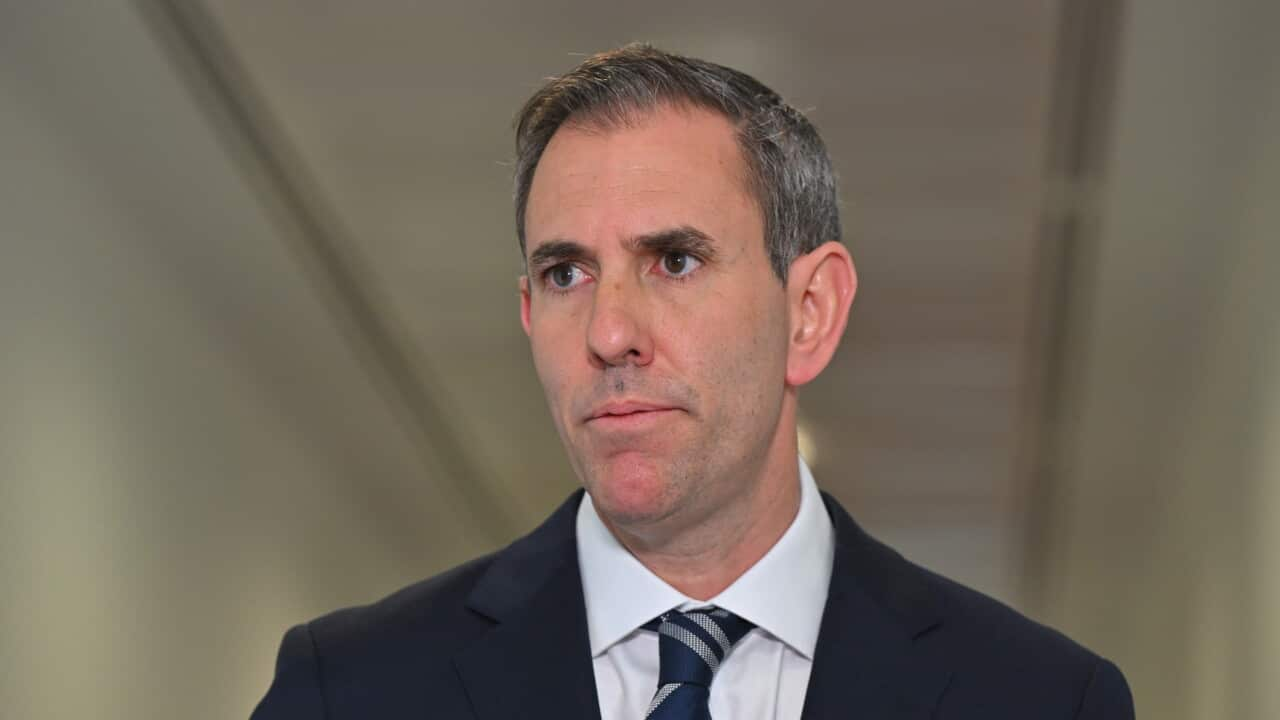
Speaking to press in Canberra, Treasurer Jim Chalmers issued a small mea culpa.
"We accept our part in the fight against inflation," Chalmers said.
"We take responsibility for government policy when it comes to the fiscal settings and when it comes to managing the budget in a responsible way in the face of this inflation challenge, which is persisting longer than anyone would like."
Chalmers again blamed rising inflation on higher fuel prices driven by the conflict in the Middle East.
"This war in the Middle East has been disastrous for Australians, for cost of living, and for inflation right around the world," he said.
"The point that Secretary Wilkinson made today and the point that Governor Bullock made today is that global energy prices are much higher than have been assumed. And we know what's driving that."
Speaking to press after Chalmers' conference, Shadow Treasurer Tim Wilson said Australian families need the government to get inflation under control.
"There will be a lot of households, family, sitting around the kitchen tables of the nation figuring out — what is left to cut? Small business owners who will take this inflation data as a kick directly at their future opportunity and their hope."