First published 28 Oct 2026, 12:40pm
Aussie households can expect the chance of a rate hike next week to have significantly increased off the back of new data published on Wednesday.
Latest inflation figures from the Australian Bureau of Statistics show underlying inflation was 3.6% in the 12 months to September, a slight uptick from a new revised figure of 3.5% for August.
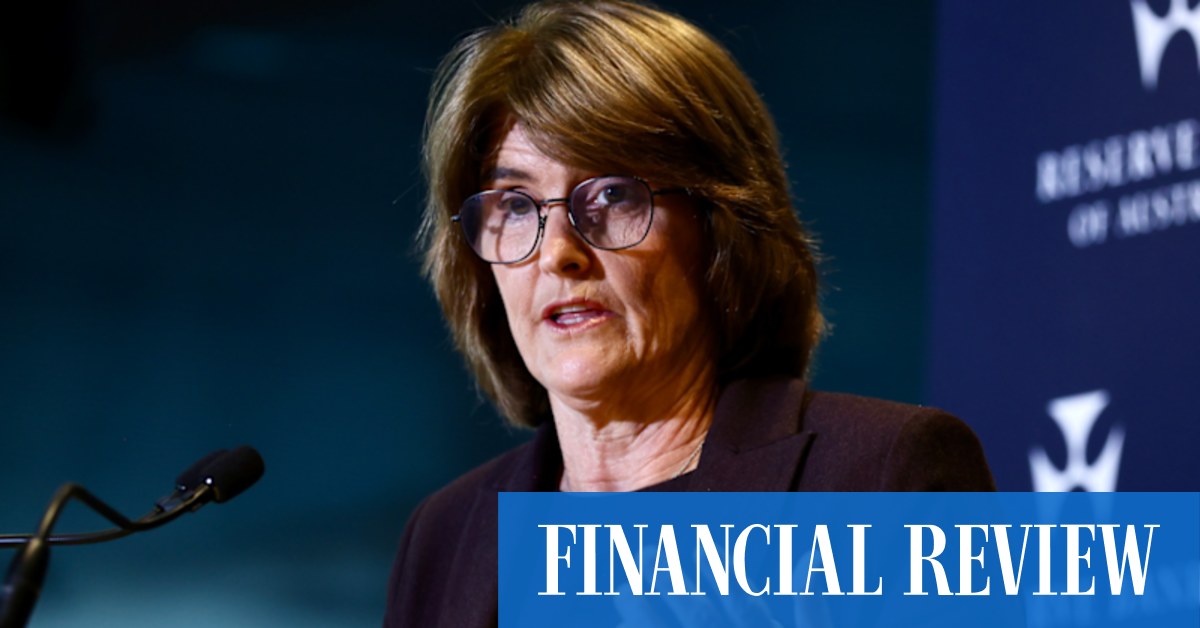
It will be disappointing news for the Reserve Bank, which has pushed through four interest rate hikes in just nine months that look to be having little effect on Australia’s economy so far.
The bank’s monetary policy board will meet again on Monday, with chances of a fifth increase now looking significantly stronger.
It comes amid a flurry of public appearances from RBA officials in recent weeks, all sharing the common message that households should expect economic pressures to worsen before they improve.
The Consumer Price Index (CPI) rose 4.3% in the 12 months to September – the highest level of headline inflation seen since March.
While the measure of underlying inflation strips out the most volatile prices each month, the CPI figure captures a much wider variety of prices reflecting fast-moving economic developments and changes.
Housing is continuing to weigh most heavily on headline inflation, rising by 5.2% in September. This includes new dwelling purchases, rents and costs like the price utilities and home maintenance.
ABS head of price statistics Rachael McCririck said the high price of electricity had been a key contributor, along with the material and labour costs associated with building new homes.
The cost of fuel was the biggest difference between headline and underlying inflation figures in September, with transport the second largest contributor.
ABS head of price statistics Rachael McCririck. Picture: ABS
High petrol prices are driving increased usage of transport, with oil reserves and access remaining under pressure globally while the Strait of Hormuz remains closed.
Automotive fuel prices rose 9.4% in September, down slightly from a rise of 14.8% in August.
As Australia’s economic woes continue to stack up, the downturn in the housing market is continuing to drive a further wedge.
Home prices fell for a sixth consecutive month in September, while the usual economic stimulus from the traditional spring selling season has fallen flat amid persisting cost of living concerns.
Home prices are now 3.3% below the peak seen just after the Iran war began, with downturns particularly strong in Sydney and Melbourne.
The median value of a home in Australia is currently sitting at $881,000 and is just 0.1% higher than 12 months ago.
Property remains most expensive in Sydney despite a 5% drop off in annual growth, where the median price is $1,187,000. This is followed by Brisbane ($1,033,000), Perth ($968,000), Adelaide ($915,000), Canberra ($854,000), Melbourne ($819,000), Hobart ($729,000) and Darwin ($638,000).
Only two of Australia’s big four banks, Westpac and ANZ, were predicting a rate hike for 3 November prior to the release of this week’s inflation data.
Markets were already pricing in a 60% change of a hike however, with the Australian Stock Exchange showing expectations have been climbing quickly over the past two weeks.
November is statistically the most likely month for a rate hike when considering decisions data between 1990 and 2026, the month rife for inflationary spending in the lead up to Christmas.
Black Friday and Cyber Monday sales next week are also expected to drive up consumer spending.
The board will announce its decision on Tuesday.
Help us improve your reading experience
Got a minute? Your feedback will help us build a better experience for you.